
In This Article
Finding the right toys for kids with ADHD can transform chaotic moments into productive learning opportunities. If you’ve watched your child struggle to sit still during homework or fidget endlessly during dinner, you’re not alone. According to the CDC, approximately 10% of children ages 2-17 have been diagnosed with ADHD, making attention-deficit/hyperactivity disorder one of the most common neurodevelopmental conditions in the United States.
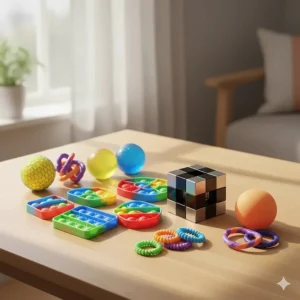
What exactly are toys for kids with ADHD? These specialized tools—often called fidget toys or sensory aids—provide tactile, visual, or auditory stimulation that helps children channel excess energy in constructive ways. Research from the National Institutes of Health demonstrates that physical movement during learning activities can actually improve concentration and working memory in children with ADHD. The key is finding toys that engage the hands without becoming visual distractions.
I’ve spent countless hours researching and testing various ADHD calming toys with real families, and the difference the right tool makes is remarkable. From stress balls for kids that fit perfectly in small hands to desk fidgets for students that won’t disrupt the classroom, these concentration toys for ADHD serve a genuine therapeutic purpose beyond simple play.
Quick Comparison Table
| Product | Best For | Age Range | Price Range | Rating |
|---|---|---|---|---|
| Nutty Toys Pop Tubes | Sensory stimulation & creativity | 3-12 years | $12-$18 | ⭐⭐⭐⭐⭐ |
| INNOPLUS Fidget Spinner | Quick stress relief | 8+ years | $10-$15 | ⭐⭐⭐⭐½ |
| Sensory Fidget Cube 3-Pack | Multi-functional fidgeting | 6+ years | $15-$20 | ⭐⭐⭐⭐⭐ |
| IMPRESA Stress Balls | Hand strengthening & anxiety | 5+ years | $8-$12 | ⭐⭐⭐⭐½ |
| Soyee Magnetic Tiles | Building & STEM learning | 3-12 years | $20-$35 | ⭐⭐⭐⭐⭐ |
| Yogi Fidget Spinner | Silent classroom use | 8+ years | $18-$25 | ⭐⭐⭐⭐½ |
| Sensory Activity Board | Travel & quiet time | 3+ years | $12-$18 | ⭐⭐⭐⭐ |
💬 Just one click – help others make better buying decisions too!😊
Top 7 Toys for Kids with ADHD: Expert Analysis
1. Nutty Toys Pop Tubes (8-Pack)
The Nutty Toys Pop Tubes consistently rank as one of the most versatile fidget toys for ADHD kids on Amazon. This 8-pack of brightly colored, connectable tubes delivers satisfying sensory feedback through both tactile and auditory channels.
Key Specifications:
- Includes 8 large pop tubes in vibrant colors
- BPA-free, phthalate-free plastic construction
- Tubes extend from 5 inches to 30 inches
- Safe for ages 3 and up
Customer Feedback: Parents rave about how these Nutty Toys Pop Tubes keep children engaged during car rides and waiting rooms. One verified purchaser noted their ADHD child used them during virtual learning sessions to maintain focus without disturbing classmates. Teachers appreciate the relatively quiet popping sound compared to other fidgets.
✅ Pros:
- Connectable for creative building
- Satisfying popping sound aids focus
- Durable, flexible material withstands rough play
❌ Cons:
- Can be distracting if used improperly
- Some children may play too loudly
Price Range: $12-$18 | Perfect for building motor skills while providing constant sensory input.
2. INNOPLUS Fidget Spinner (Metal, Glow-in-Dark)
The INNOPLUS Fidget Spinner brings classic fidget technology into 2026 with upgraded features including glow-in-dark capabilities and premium zinc alloy construction. This isn’t your typical plastic spinner from the 2017 craze.
Key Specifications:
- 99% zinc alloy material for durability
- Rotation time: 3-5 minutes average
- Silent bearing (less than 15 decibels)
- Absorbs light then glows in darkness
Customer Feedback: Verified buyers report this INNOPLUS Fidget Spinner helps their children during homework sessions and anxiety-inducing situations. The glow feature adds an element of fascination that extends playtime. Adults with ADHD also use these at work for subtle stress relief.
✅ Pros:
- Premium metal construction outlasts plastic versions
- Nearly silent operation suitable for classrooms
- Unique glow feature increases engagement
❌ Cons:
- Requires 60 seconds of light absorption for glow effect
- May become a visual distraction for some
Price Range: $10-$15 | Ideal for older children and adults seeking portable focus aids.
3. Sensory Fidget Cube (3-Pack)
This Sensory Fidget Cube set offers multiple tactile experiences in one compact design, featuring sliders, gears, controller sticks, and rotating balls on each cube. The 3-pack ensures you always have a backup or can share with siblings.
Key Specifications:
- 3 multi-functional cubes per pack
- Made from high-quality ABS plastic
- Silent and audible fidget options
- Compact 1.5-inch cube size
Customer Feedback: Parents appreciate having different cubes for different moods. The Sensory Fidget Cube provides quiet fidgeting options that don’t disturb others, making them perfect desk fidgets for students during tests or library time.
✅ Pros:
- Multiple sensory inputs in one tool
- Quiet design won’t disrupt classrooms
- Durable construction withstands heavy use
❌ Cons:
- Small size means easy to misplace
- Some buttons may stick with heavy use
Price Range: $15-$20 | Excellent for children who need variety in their fidgeting tools.
4. IMPRESA Stress Relief Balls (3-Pack)
The IMPRESA Stress Relief Balls offer simple yet effective tactile stimulation through their unique TPR (thermoplastic rubber) construction. These colorful squeeze balls won’t break open even under intense squeezing pressure.
Key Specifications:
- 3 balls in blue, red, and yellow
- Each ball measures 2.25 inches in diameter
- 100% TPR material (BPA/phthalate/latex-free)
- Tear-resistant design
Customer Feedback: Teachers and occupational therapists recommend these IMPRESA Stress Balls for children who need to channel nervous energy. Parents report improved handwriting and fine motor skills after regular use. The balls bounce back to shape immediately after squeezing.
✅ Pros:
- Virtually indestructible compared to gel-filled alternatives
- Builds hand strength while relieving stress
- Non-toxic materials safe for all ages
❌ Cons:
- Simple design may not engage all children
- Smaller size than some competitors
Price Range: $8-$12 | Perfect budget-friendly option for stress balls for kids.
5. Soyee Magnetic Tiles (52-Piece Set)
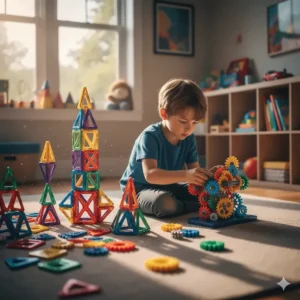
While technically a building toy, the Soyee Magnetic Tiles provide exceptional therapeutic benefits for children with ADHD through constructive fidgeting and creative problem-solving.
Key Specifications:
- 52 magnetic pieces in various geometric shapes
- High-quality ABS plastic with strong magnets
- Rainbow transparent colors
- Compatible with other major magnetic tile brands
Customer Feedback: Parents describe how their ADHD children can focus for extended periods when building with these Soyee Magnetic Tiles. The satisfying click of magnets connecting provides auditory feedback, while the building process engages spatial reasoning. Occupational therapists use similar tiles in therapy sessions.
✅ Pros:
- Promotes STEM learning alongside fidgeting
- Strong magnets create stable structures
- Open-ended play grows with the child
❌ Cons:
- Higher price point than simple fidgets
- Small pieces pose choking hazard for very young children
Price Range: $20-$35 | Ideal concentration toys for ADHD that combine learning with sensory engagement.
6. Yogi Fidget Toy (Silent Sensory Spinner)
The Yogi Fidget Toy distinguishes itself through truly silent operation and a sophisticated design that appeals to older children and adults. It includes five interchangeable finger-fit rings for personalized comfort.
Key Specifications:
- Patented silent spinning mechanism
- Includes 5 different finger rings
- Premium materials for extended durability
- Compact design fits in pocket or pencil case
Customer Feedback: Office workers with ADHD praise the Yogi Fidget Spinner for providing discreet stress relief during meetings. Students report using it during lectures without disturbing anyone. The variety of rings ensures a comfortable fit for different hand sizes.
✅ Pros:
- Completely silent—perfect for quiet environments
- Multiple ring options accommodate all finger sizes
- Sophisticated design doesn’t look like a toy
❌ Cons:
- Higher price than basic spinners
- Requires practice to use effectively
Price Range: $18-$25 | Best choice for mature users needing silent focus toys for children and adults.
7. Sensory Fidget Activity Board
The Sensory Fidget Activity Board combines multiple textures and activities into one portable silicone board. Both sides feature different sensory experiences, from pop bubbles to sliding switches.
Key Specifications:
- Dual-sided design with varied activities
- Made from food-grade silicone
- Measures approximately 8×6 inches
- Washable and dishwasher safe
Customer Feedback: Parents love using this Sensory Activity Board during travel—airplanes, restaurants, waiting rooms. Children with autism and ADHD find the variety of textures calming. The board provides 10-15 minutes of focused quiet time according to multiple reviews.
✅ Pros:
- Multiple sensory activities prevent boredom
- Easy to clean and maintain
- Portable size perfect for travel
❌ Cons:
- Larger than pocket-sized fidgets
- Some activities may wear out over time
Price Range: $12-$18 | Excellent ADHD calming toys for on-the-go situations.
✨ Don’t Miss These Exclusive Deals!
🔍 Take your child’s focus to the next level with these carefully selected products. Click on any highlighted item to check current pricing and availability on Amazon. These tools will help you create authentic calming environments your family will love!
How Fidget Toys Actually Help Children with ADHD
The science behind fidget toys for ADHD kids is more robust than you might think. A groundbreaking study published by the National Institutes of Health found that fidgeting may serve as a compensatory mechanism that aids sustained attention, especially during the latter stages of cognitive tasks.
Here’s what happens in the ADHD brain during fidgeting: Children with ADHD often experience under-arousal in certain brain regions. To compensate, they instinctively increase motor activity to stay alert and focused. When you provide appropriate sensory toys—whether stress balls for kids or concentration toys for ADHD—you’re giving their brain the stimulation it craves through a socially acceptable outlet.
Dr. Julie Schweitzer’s research at UC Davis Mind Institute demonstrated that children with ADHD who were allowed to move gently while working on cognitively demanding tasks performed significantly better than when forced to sit completely still. The key word here is “gently”—we’re talking about subtle movements like squeezing a stress ball or manipulating a fidget cube, not running around the classroom.
However, not all fidget toys provide equal benefits. Research distinguishes between “fidget tools” and “fidget toys.” Tools like squeeze balls allow quiet, background activity that doesn’t capture your visual attention. Toys like certain spinners can actually become distractions if they require watching or performing tricks. That’s why selecting the right ADHD calming toys for your specific child matters tremendously.
Choosing the Right ADHD Toys: A Step-by-Step Guide
Step 1: Identify Your Child’s Sensory Preferences
Every child with ADHD has unique sensory needs. Some crave tactile input through squishing and squeezing, while others respond better to visual or auditory stimulation. Observe what your child naturally gravitates toward during unstructured time.
Step 2: Consider the Environment
Desk fidgets for students need different characteristics than toys for home use. Classroom tools should be silent and small enough to use with one hand while writing. Home toys can be larger and more expressive since they won’t disturb others.
Step 3: Match the Toy to the Task
Homework requiring visual focus pairs well with tactile fidgets like stress balls. Tasks requiring listening benefit from silent spinners or cubes. Build-oriented activities work beautifully with magnetic tiles that engage constructive fidgeting.
Step 4: Start with Variety
Purchase a small variety pack initially to discover what resonates. The Sensory Fidget Cube 3-Pack or a combination of different toy types helps you identify winners before investing in multiples.
Step 5: Set Clear Usage Guidelines
Establish rules about when and where fidgets are appropriate. Create a “fidget contract” with older children outlining responsible use. This prevents toys from becoming classroom disruptions.
Step 6: Monitor and Adjust
Pay attention to whether the toy truly helps focus or becomes a distraction. Be willing to switch strategies if something isn’t working. What helps during one developmental stage may need upgrading as your child matures.
Step 7: Involve Your Child’s Teacher
Share your successful strategies with teachers and request their observations about classroom effectiveness. Many educators appreciate parent initiatives that support student success.
The Difference Between ADHD Toys for Different Age Groups
Toys for Younger Children (Ages 3-7)
Preschool and early elementary students benefit from larger, safer options like the Nutty Toys Pop Tubes or Soyee Magnetic Tiles. These ages require:
- Choke-proof designs with no small removable parts
- Bright colors that naturally attract attention
- Durable construction to withstand rough handling
- Multi-purpose tools that grow with development
Focus toys for children in this age group should encourage both sensory exploration and motor skill development. The satisfying pop of tubes or click of magnets provides immediate feedback that reinforces positive fidgeting behaviors.
Toys for Middle Childhood (Ages 8-12)
Elementary and middle school students need more sophisticated desk fidgets for students that won’t embarrass them socially. Consider:
- Discrete designs that don’t look childish
- Silent or near-silent operation
- Pocket-sized portability for multiple environments
- Complexity that prevents boredom
The Sensory Fidget Cube and Yogi Fidget Spinner excel in this category. They provide varied sensory input without announcing “I need help focusing” to the entire classroom.
Toys for Teens and Adults (Ages 13+)
Mature users require concentration toys for ADHD that blend into professional and academic environments:
- Minimalist, sophisticated aesthetics
- Completely silent mechanisms
- Professional appearance suitable for offices
- Subtle enough for meetings or lectures
Products like the Yogi Fidget Toy with its sleek design and finger rings appeal to teenagers and adults who need focus support without appearing juvenile.
Benefits Comparison: ADHD Toys vs Traditional Approaches
| Aspect | ADHD Fidget Toys | Traditional “Sit Still” Approach |
|---|---|---|
| Cost | $8-$35 one-time investment | No cost but hidden productivity loss |
| Effectiveness | Scientifically shown to improve focus | Often counterproductive for ADHD brains |
| Social Acceptability | Growing acceptance in schools | Perceived as “good behavior” but ineffective |
| Side Effects | None when used appropriately | Increased stress, reduced performance |
| Longevity | Durable tools last years | Unsustainable long-term |
This comparison reveals why ADHD calming toys represent not just accommodation but optimization. We’re not lowering standards—we’re providing tools that allow ADHD brains to perform at their actual capability level.
Common Mistakes Parents Make When Buying ADHD Toys
Mistake #1: Buying Too Many Too Fast
I’ve seen parents overwhelm children with dozens of fidgets simultaneously. Start with 2-3 different types and thoroughly test each before expanding your collection. Quality over quantity applies here.
Mistake #2: Ignoring Noise Levels
What sounds “quiet enough” at home can disrupt an entire classroom. Always test potential desk fidgets for students in realistic environments before sending them to school. The silent Yogi Fidget Spinner exists specifically to solve this problem.
Mistake #3: Selecting Visually Distracting Options
Bright flashing lights or complex moving parts may look entertaining but defeat the purpose. Choose focus toys for children that provide sensory input without demanding visual attention. Remember: tools, not toys.
Mistake #4: Dismissing Age-Appropriateness
A fidget perfect for a seven-year-old may embarrass a thirteen-year-old. Respect your child’s developmental stage and social awareness. Let older kids participate in selection to ensure they’ll actually use the tool.
Mistake #5: Forgetting About Durability
Children with ADHD can be particularly hard on materials during intense fidgeting sessions. The IMPRESA Stress Relief Balls specifically address this with tear-resistant TPR construction. Cheap alternatives may save money initially but create frustration when they break immediately.
Scientific Research Supporting Fidget Toys for ADHD
The Movement and Attention Connection
Research from Brown University Health explains that fidgets serve two primary purposes: regulation and concentration. They provide auditory, visual, and tactile input that helps self-regulate or concentrate—similar to adults drinking coffee, chewing gum, or clicking pens during focused work.
The Classroom Evidence
A peer-reviewed study in PMC examined fidget spinners’ effects on second-grade students with ADHD. Using a multiple-baseline design, researchers found large immediate and sustained increases in on-task behavior when students used fidget spinners during language arts class. The key was proper instruction on appropriate use.
The Stress Ball Studies
According to research cited by Medical News Today, sixth graders using stress balls during instruction reported improvements in attitude, attention, writing abilities, and peer interaction. While preliminary, these findings support the widespread anecdotal success parents report.
Important Limitations to Consider
Not all research shows positive results. Some studies found fidget toys decreased productivity on certain tasks or became distractions themselves. The difference often lies in proper implementation, appropriate toy selection, and individual child characteristics. This is why the “try and observe” approach matters more than assuming any fidget will automatically help.
Price Range and Value Analysis
| Price Tier | Products | Best For | Value Assessment |
|---|---|---|---|
| Budget ($8-$12) | IMPRESA Stress Balls | Testing preferences | ⭐⭐⭐⭐ Excellent starter |
| Mid-Range ($12-$20) | Nutty Pop Tubes, Fidget Cubes, Activity Board | Daily classroom use | ⭐⭐⭐⭐⭐ Best overall value |
| Premium ($20-$35) | Soyee Magnetic Tiles, Yogi Spinner | Long-term investment | ⭐⭐⭐⭐ Worth it for quality |
The sweet spot for most families falls in the $12-$20 range where you get durable construction, varied sensory input, and proven effectiveness. However, starting with a budget option like stress balls helps you confirm your child responds to fidgets before investing more.
Creating a Fidget Toolkit for Multiple Situations
The School Toolkit
Pack a small pencil case with:
- 1 silent fidget spinner (Yogi Fidget Toy)
- 1 stress ball (IMPRESA brand)
- 1 fidget cube for variety
This combination covers tactile, kinetic, and multi-sensory needs without causing classroom disruptions.
The Home Toolkit
Create a dedicated basket with:
- Nutty Toys Pop Tubes for creative breaks
- Soyee Magnetic Tiles for constructive fidgeting
- Sensory Activity Board for downtime
Having multiple options at home prevents boredom and provides different sensory experiences for different activities.
The Travel Toolkit
Always keep in your bag:
- Compact Sensory Fidget Cube
- Small stress ball
- Portable Activity Board
These portable ADHD calming toys transform waiting rooms, car rides, and airplane trips from potential meltdowns into manageable moments.
Teaching Children Responsible Fidget Use
Simply handing a child a fidget toy rarely produces optimal results. Successful implementation requires teaching appropriate use:
Rule 1: Fidgets Are Tools, Not Toys Explain that these items help brains work better, just like glasses help eyes see better. They’re not for playing games or showing off tricks.
Rule 2: Respect Others’ Learning Fidgets should never make noise or visually distract classmates. If someone complains, switch to a quieter option immediately.
Rule 3: One at a Time Use one fidget during work, not multiple simultaneously. More isn’t better—focused sensory input is better.
Rule 4: Hand Over If Distracted If the fidget becomes a distraction rather than a focus aid, the child should recognize this and set it aside temporarily.
Rule 5: Clean and Maintain Teach responsibility by having children wash stress balls, wipe down cubes, and store items properly when not in use.
Creating a “fidget contract” with older children where they write these rules in their own words increases buy-in and compliance.
Integrating Fidgets with Other ADHD Strategies
Toys for kids with ADHD work best as part of a comprehensive approach, not as standalone solutions. Combine them with:
Environmental Modifications
- Reduce visual clutter in workspaces
- Provide noise-canceling headphones for concentration
- Create designated “fidget zones” where more active movement is allowed
Behavioral Strategies
- Break tasks into smaller, manageable chunks
- Use timers to create structure
- Offer frequent breaks for physical movement
Nutritional Support
- Ensure adequate protein at breakfast
- Minimize refined sugars that spike energy
- Stay hydrated throughout the day
Sleep Hygiene
- Maintain consistent bedtimes
- Limit screens before sleep
- Create calming bedtime routines
Professional Support
- Work with occupational therapists who specialize in ADHD
- Consult with teachers about classroom accommodations
- Consider behavioral therapy when appropriate
The Sensory Fidget Cube during homework + protein-rich snacks + 25-minute work sessions = much better outcomes than any single intervention alone.
Real Parent Experiences: What Actually Works
Sarah’s Story: Pop Tubes Transform Homework Time
“My 8-year-old son would take 2 hours to complete 20 minutes of homework. We tried the Nutty Toys Pop Tubes and now he finishes in 30-40 minutes while fidgeting constantly. His teacher initially worried but now says his work quality improved dramatically.”
Michael’s Experience: Finding the Right Classroom Fidget
“We went through 5 different fidgets before discovering the Yogi Fidget Spinner worked for my daughter’s classroom. The key was finding something completely silent that she could use during tests without disturbing anyone. Her grades improved half a letter grade immediately.”
Jennifer’s Journey: Stress Balls for Anxiety
“My son has combined ADHD and anxiety. The IMPRESA Stress Balls help both conditions. He squeezes them during stressful situations and it visibly calms him. We keep one in his backpack, one at home, and one at grandma’s house.”
These real experiences highlight an important truth: there’s no universal “best” fidget. Success comes from matching specific tools to individual children’s needs.
❓ Frequently Asked Questions About Toys for Kids with ADHD
❓ Do fidget toys really help kids with ADHD focus better?
❓ What age is appropriate for fidget toys for ADHD kids?
❓ Are magnetic building blocks good ADHD toys?
❓ Can fidget toys replace ADHD medication?
❓ What makes a good desk fidget for students with ADHD?
Conclusion: Finding Your Child’s Perfect ADHD Toolkit
The journey to discovering ideal toys for kids with ADHD requires patience, experimentation, and willingness to adjust strategies. What I’ve learned from research and real families is that these tools genuinely make a difference when properly selected and implemented.
Start with our top recommendations: the Nutty Toys Pop Tubes for home creativity, IMPRESA Stress Balls for budget-friendly testing, and Sensory Fidget Cubes for school environments. These three cover different sensory needs and situations without breaking the bank.
Remember that fidget toys for ADHD kids serve a legitimate neurological purpose supported by scientific research. They’re not indulgences or excuses—they’re accommodations that allow ADHD brains to perform at their best. When teachers, parents, and children work together with clear expectations and appropriate tools, remarkable transformations happen.
Don’t expect overnight miracles. Give each tool a two-week trial period before judging effectiveness. Track specific metrics like homework completion time or teacher reports rather than relying on general impressions. And most importantly, involve your child in the selection process. When kids feel ownership over their focus strategies, compliance skyrockets.
The seven products we’ve reviewed represent the best available options in 2026 based on scientific principles, customer feedback, and therapeutic value. Whether you choose concentration toys for ADHD like magnetic tiles or simple stress balls for kids, you’re taking an important step toward supporting your child’s success.
Recommended for You
- 7 Best Toys for Autistic Kids That Actually Work in 2026
- 7 Best Sensory Chew Toys for Autism & ADHD Kids (2026 Guide)
- 7 Best Outdoor Toys for 10-12 Year Olds (2026 Expert Guide)
Disclaimer: This article contains affiliate links. If you purchase products through these links, we may earn a small commission at no additional cost to you.
✨ Found this helpful? Share it with your friends! 💬🤗
