
In This Article
You know that moment when you catch your child chewing on their shirt collar for the third time today? Or maybe you’ve noticed the pencil erasers disappearing faster than you can replace them. If this sounds familiar, you’re definitely not alone in this journey.
For children with autism, ADHD, or sensory processing challenges, the need to chew isn’t just a habit—it’s their brain’s way of seeking the input it desperately needs. Think of it like this: when you’re stressed, you might tap your foot or twirl your hair. For kids with sensory needs, chewing provides that same calming effect, but amplified. The jaw is one of the most powerful muscles in our body, and when they chew, they’re getting a massive dose of proprioceptive feedback that helps them feel grounded and focused.
Recent research from the National Institutes of Health shows that oral motor difficulties are common among children with autism spectrum disorder, affecting everything from speech development to feeding behaviors. This isn’t about bad behavior—it’s about meeting a genuine neurological need. According to studies published in peer-reviewed journals, children with autism are five times more likely to experience feeding and oral sensory challenges compared to their neurotypical peers.
Here’s the good news: sensory chew toys exist precisely for this reason. These aren’t your typical teething toys (though they share some similarities). We’re talking about specially designed oral sensory tools that provide safe, satisfying chewing experiences while protecting your child’s teeth, clothes, and fingers. Whether you’re searching for chewable sensory toys for a mild chewer or need something tougher for an aggressive biter, today’s market offers incredible options that actually work.
In this guide, I’ll walk you through the seven best sensory chew toys available in 2026, covering everything from budget-friendly multi-packs to premium vibrating options. Plus, you’ll learn exactly what to look for, how to choose the right durability level, and which features matter most for your child’s specific needs.
Quick Comparison Table
| Product | Type | Chewing Level | Price Range | Best For |
|---|---|---|---|---|
| ARK Saber Tooth | Necklace | Soft to Very Firm | $14-$18 | Premium quality, multiple options |
| ARK Krypto-Bite | Necklace | Soft to Very Firm | $15-$19 | Reaching back molars, stylish |
| Munchables Surfboard | Necklace | Mild to Moderate | $16-$20 | Teens & adults, discreet design |
| ERKOON 4-Pack | Hand-held Tubes | Mild to Moderate | $9-$13 | Budget-friendly, variety pack |
| LoveHugs Vibrating | Hand-held | Universal | $22-$28 | Advanced sensory seekers |
| Xtra Tough Sticks | Hand-held | Aggressive | $13-$17 | Strongest chewers, extra durable |
| Olugu 5-Pack | Hand-held Tubes | Mild to Moderate | $8-$12 | Best value, starter set |
💬 Just one click – help others make better buying decisions too! 😊
✨ Don’t Miss These Exclusive Deals!
🔍 Take your sensory support to the next level with these carefully selected products. Click on any highlighted item to check current pricing and availability. These tools will help you create authentic calming solutions your family will love!
Top 7 Sensory Chew Toys: Expert Analysis
1. ARK Saber Tooth Chew Necklace – The Gold Standard
ARK Saber Tooth represents the pinnacle of medical-grade sensory jewelry, and there’s a reason occupational therapists recommend it so frequently. Developed by a speech-language pathologist (yes, an actual SLP who understands oral motor needs!), this chew necklace features a distinctive fang-shaped design that narrows to a sharp tip—perfect for reaching those back molars where chewing provides maximum jaw input.
The pendant measures 2.5 inches long by 1 inch wide and comes in three color-coded toughness levels: Standard (soft, for mild chewers), XT/Medium Firm, and XXT/Very Firm for aggressive chewers. Made entirely in the USA with medical-grade materials and third-party tested by accredited labs, this isn’t some generic import. You’re getting legitimate quality here. The adjustable 30-inch cord includes a breakaway safety clasp, which gives parents peace of mind during active play.
Customer feedback consistently praises its durability. One parent shared that after six months of constant use by her moderate chewer, the ARK Saber Tooth still looked nearly new. Another mentioned it helped their son stop chewing through three shirts per week—talk about a game-changer for the laundry budget!
Price Range: $14-$18 depending on toughness level
✅ Pros:
- Medical-grade materials, made in USA
- Three toughness levels for different chewing intensities
- Reaches back molars for maximum proprioceptive input
❌ Cons:
- Higher price point than generic brands
- May be too firm for very young children in XT/XXT levels
2. ARK Krypto-Bite Gem Necklace – The Discreet Powerhouse
Looking for something that doesn’t scream “special needs toy”? The ARK Krypto-Bite (named after the Greek word meaning “hidden”) is your answer. This prism-shaped pendant looks like actual jewelry—think of it as functional fashion that happens to meet sensory needs brilliantly.
At 3 inches long, it’s ARK’s longest pendant design, specifically engineered to reach the back molars where chewing matters most. The gem-like appearance means older kids and teenagers actually want to wear it, which solves the age-old problem of getting your child to use their chew tool consistently. I’ve heard from multiple parents that their pre-teens refused other chew toys but loved the Krypto-Bite because “it looks cool.”
Like its ARK siblings, this comes in Standard, XT, and XXT firmness levels and includes the same high-quality breakaway clasp and 30-inch adjustable cord. The clean, simple shape is easy to clean—just toss it in soapy water or the top rack of your dishwasher.
Customer reviews highlight its perfect balance of style and function. One mom mentioned her 12-year-old daughter wears hers daily and has gotten compliments from friends who think it’s regular jewelry. Another parent appreciated how the XXT version held up against their son’s aggressive chewing for over eight months.
Price Range: $15-$19
✅ Pros:
- Most discreet design for older kids and teens
- Long 3-inch length reaches back molars effectively
- Looks like fashionable jewelry
❌ Cons:
- Single-texture design (no bumps or ridges)
- Premium pricing
3. Munchables Surfboard Chew Necklace – Canadian Quality for Everyday Use
Here’s a brand with a heartwarming origin story: Munchables was founded by a Canadian mom inspired by her own two sensory-seeking children. That authentic understanding shows in every product detail. The Surfboard Chew Necklace features a sleek, elongated design with sensory nubs on the reverse side for added tactile interest.
Recommended by the Canadian Association of Occupational Therapists (CAOT), these oral sensory toys provide what the association describes as “potential regulating effects for the sensory system—reducing fidgeting and promoting attention and focus.” Made from 100% food-grade silicone (BPA, lead, PVC, and phthalate-free), every Munchables necklace comes with a 90-day chew guarantee and breakaway clasp for safety.
The surfboard shape works exceptionally well for teens and adults who want something stylish yet functional. The pendant comes strung on a long nylon cord that you can easily shorten for younger children. One unique feature: Munchables offers this in multiple colors, from conservative dark green to vibrant patterns, letting your child choose what they’ll actually wear.
Parents consistently mention the durability-to-price ratio as outstanding. While it’s rated for mild to moderate chewing (aggressive chewers should look at their Donut or Scribbles styles instead), it holds up remarkably well with proper care.
Price Range: $16-$20
✅ Pros:
- Backed by occupational therapy association
- 90-day chew guarantee
- Appealing design for adults and teens
❌ Cons:
- Not suitable for aggressive chewers
- Takes 2-3 weeks to ship from Canada sometimes
4. ERKOON 4-Pack Sensory Chew Toys – Budget-Friendly Variety
If you’re just starting to explore chew toys for autism or want backup options for different situations, the ERKOON 4-Pack delivers incredible value. This set typically includes a mix of T-shaped, Y-shaped, and traditional tube designs, all featuring multiple textured surfaces that provide varied sensory input.
Made from 100% food-grade silicone that’s refrigerator and freezer safe (hello, teething relief!), these oral motor chew tools work for mild to moderate chewers. The multiple textures—including raised bumps, ridges, and smooth surfaces—help meet different sensory needs throughout the day. Your child might prefer the bumpy side when anxious but reach for the smooth texture during homework time.
What really sets this pack apart is the value proposition. You’re getting four different shapes and eight different texture options for roughly the same price as one premium necklace. This variety helps you figure out what your child prefers before investing in more expensive options. Plus, you can keep one in the car, one in the backpack, one at home, and one at grandma’s house.
The four different colors also help with sensory stimulation and emotional development. Customer feedback mentions these are dishwasher safe and easy to clean, though parents recommend inspecting them regularly for wear since they’re not quite as durable as premium brands.
Price Range: $9-$13
✅ Pros:
- Excellent value with multiple shapes and textures
- Perfect starter set for exploration
- Can be refrigerated for teething
❌ Cons:
- Lower durability than premium brands
- Not suitable for aggressive chewers
5. LoveHugs Vibrating Sensory Chew Toy – The Tech Innovation
Ready for something completely different? The LoveHugs Vibrating Sensory Chew Toy combines traditional chewing with gentle vibration to provide superior sensory stimulation. This USB-rechargeable wonder offers three vibration settings, making it ideal for children who need more intense oral motor input than standard chews provide.
The vibration serves multiple purposes: it soothes teething babies, provides calming sensory stimulation for children with autism or special needs, and delivers oral stimulation to support feeding and speech therapy goals. Physical therapists and SLPs use vibrating tools specifically because they help “wake up” the mouth, normalize oral sensitivities, and improve bite strength.
Made from food-grade silicone (BPA, phthalate, and latex-free), this chewy sensory toy features a unique flower or star-shaped design that’s engaging to look at and hold. The USB charging eliminates the battery safety concerns some parents worry about with vibrating toys. One charge lasts several days with regular use, and the water-resistant design makes cleaning straightforward.
Parents mention this works particularly well for children who aren’t satisfied with regular chew toys. One review noted their occupational therapist specifically recommended trying vibration for their sensory-seeking child, and the LoveHugs toy made a noticeable difference in reducing shirt-chewing within two weeks.
Price Range: $22-$28
✅ Pros:
- Unique vibration feature for enhanced sensory input
- USB rechargeable (no loose batteries)
- Three vibration settings for customization
❌ Cons:
- Higher price point
- Requires charging maintenance
- Electronic component means it can’t go in dishwasher
6. Xtra Tough Hand-Held Sensory Chew Sticks – For the Power Chewers
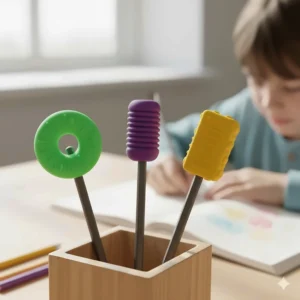
Let’s be honest: some kids just destroy everything they chew. If you’ve gone through multiple chew toys in months (or weeks!), you need the Xtra Tough Hand-Held Sensory Chew Sticks. These are specifically engineered for moderate to aggressive chewers, featuring extra-firm silicone that actually lasts.
The distinctive building-block design on one side provides raised bumps for texture, while the reverse features an inverted tread pattern—both offering completely different tactile stimulation. This dual-texture approach keeps things interesting and meets varying sensory needs. The stick design (as opposed to necklace) works wonderfully for younger children who aren’t quite ready for wearing a pendant or adults who prefer a more discreet, pocket-friendly option.
Made from higher food-grade silicone and meeting all safety standards (BPA, lead, latex, phthalate, and PVC-free), these come with a one-year quality warranty. If your child chews through it within 12 months, the company provides a replacement. That’s confidence in durability! The three-pack typically runs $13-$17, making it cost-effective for the toughness level.
Customer feedback consistently mentions these lasting significantly longer than softer alternatives. One parent shared their aggressive chewer used the same stick for seven months before showing significant wear—a record for their family. The textured surfaces also help with sensory seekers who need varied input throughout the day.
Price Range: $13-$17 for 3-pack
✅ Pros:
- Extra durable for aggressive chewers
- Dual-texture design for variety
- One-year replacement warranty
❌ Cons:
- May be too firm for mild chewers
- Hand-held style doesn’t work for all situations
7. Olugu 5-Pack Silicone Chew Tubes – The Best Value Starter Set
If budget is your primary concern or you simply want to try oral motor chew tools without major investment, the Olugu 5-Pack hits the sweet spot. You’re getting five colorful teething sticks with three unique texture patterns for under $12—that’s roughly $2 per chew toy.
These P-shaped or tube-shaped designs feature multiple textures including raised bumps, ridges, and smooth surfaces. Made from 100% food-grade silicone (BPA, lead, PVC, and phthalate-free), they’re suitable for babies through adults with mild to moderate chewing needs. The perfect size for little hands means younger children can grip them independently through the circular handle.
The Olugu set works particularly well for families just beginning their sensory journey. You can test whether your child prefers tubes over other shapes, experiment with different textures, and have multiple backups without breaking the bank. They’re dishwasher safe, can be boiled for sterilization, and handle temperatures from -40°C to 200°C.
While these won’t survive aggressive chewing as long as premium brands, customer reviews indicate they’re surprisingly durable for the price point. Parents appreciate having disposable backups for travel, playdates, or situations where loss is a concern. The bright colors also help with visual sensory stimulation and make them easy to locate in the bottom of a backpack.
Price Range: $8-$12
✅ Pros:
- Unbeatable value for quantity and quality
- Multiple colors and textures for exploration
- Perfect starter set or backup collection
❌ Cons:
- Lower durability than premium options
- Basic designs without special features
- May not last long with aggressive chewers
Understanding Sensory Processing and Oral Motor Needs
Before we dive deeper into choosing the right product, it’s important to understand what’s actually happening in your child’s brain when they seek oral input. According to research published by the National Institutes of Health, oral sensory challenges are significantly more prevalent in children with autism spectrum disorder compared to typically developing children of the same age.
The mouth contains one of the densest concentrations of sensory receptors in the entire body. These receptors process taste, texture, temperature, pressure, and movement—sending constant information streams to the brain. For children with sensory processing differences, this system may be under-responsive (hyposensitive) or over-responsive (hypersensitive).
Hyposensitive children seek intense oral input because their nervous system requires more stimulation to register sensation. They’re the shirt-chewers, the pencil-biters, the kids constantly putting things in their mouths. It’s not misbehavior—their brain literally needs that input to feel regulated and organized. Research shows that chewing activates powerful proprioceptive receptors in the jaw muscles, providing deep pressure feedback that helps children feel more grounded and aware of their body in space.
Think of it like background noise. Some people need complete silence to concentrate, while others work better with music playing. For oral sensory seekers, chewing provides that regulatory background input that helps them focus, stay calm, and manage anxiety or sensory overload.
This is where silicone chew necklaces and oral motor tools become absolute game-changers. Instead of destroying shirts, books, or fingers, children get safe, appropriate items specifically designed to meet their sensory needs. As one speech therapist friend explains: “We’re not trying to eliminate the need to chew—we’re providing safer, more acceptable outlets for that neurological drive.”
The research on oral motor skills in autism also reveals interesting connections between chewing, speech development, and feeding behaviors. Children who struggle with oral motor control often benefit from structured chewing exercises using these specialized tools. The resistance and feedback provided by quality chew toys can actually strengthen jaw muscles, improve oral awareness, and support speech therapy goals.
How to Choose the Right Sensory Chew Toys for Your Child
Picking sensory chew toys feels overwhelming when you’re standing in front of dozens of options, right? Here’s your straightforward roadmap to making the right choice.
Assess Chewing Intensity Level
First question: how aggressive is your child’s chewing? Be honest here because choosing the wrong firmness level wastes money and potentially creates safety hazards.
Mild chewers typically mouth items gently, prefer softer textures, and haven’t destroyed clothing or pencils. They need Standard or Soft firmness levels. Think babies who are teething or children who occasionally seek oral input during stressful moments.
Moderate chewers actively chew items and may have damaged some clothes or school supplies, but haven’t completely destroyed items. Medium Firm or XT levels work best. This is probably the largest category—kids who chew regularly but aren’t power-chewers.
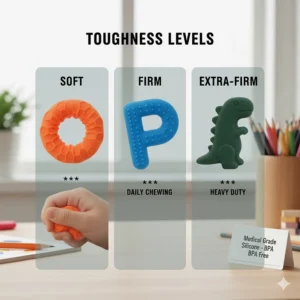
Aggressive chewers quickly destroy items, chew through clothing, and need the toughest materials available. Look for Very Firm, XXT, or products specifically labeled for aggressive chewing. Companies like ARK and Munchables clearly label their toughness levels, making selection easier.
Consider Style Preferences
Will your child actually use the chew tool? This matters more than any other factor. The most durable, perfectly-designed chew toy is worthless if it sits in a drawer because your child refuses to wear it.
Younger children (ages 3-7) often prefer colorful, fun shapes and don’t care about appearance. Hand-held tubes, Y-shapes, and brightly colored options work great. The ERKOON or Olugu sets provide variety to discover preferences.
School-age children (ages 8-12) become more self-conscious but still need obvious sensory tools. Look for designs with some style—the ARK Saber Tooth or textured options that don’t look babyish.
Teenagers and adults need discreet designs they’ll actually wear in public. The ARK Krypto-Bite, Munchables Surfboard, or simple geometric shapes prevent social anxiety while meeting sensory needs. I’ve talked to multiple teenagers who love their chew necklaces precisely because friends think they’re cool jewelry.
Evaluate Texture Needs
Texture matters enormously for sensory satisfaction. Some children crave smooth surfaces, others need intense bumps and ridges. Many kids want variety—smooth when calm, bumpy when anxious.
Products with dual or multiple textures (Xtra Tough Sticks, ERKOON 4-Pack) let you experiment. Watch what your child gravitates toward naturally. Do they prefer the bumpy side of their toothbrush? They probably want textured chew toys. Do they constantly seek smooth objects? Go for simpler surfaces.
Factor in Special Features
Does your child need extra sensory input beyond basic chewing? The LoveHugs Vibrating option provides that additional stimulation oral sensory seekers often crave. Can you refrigerate it for teething relief? The silicone tube designs freeze beautifully.
For children working on speech therapy or feeding goals, consult your SLP or occupational therapist about specific features that support therapeutic objectives. Many professionals recommend particular shapes or firmness levels based on treatment plans.
Safety Considerations
This should go without saying, but safety trumps everything else. Check for:
- Food-grade silicone (BPA, lead, phthalate, PVC, and latex-free)
- Breakaway clasps on necklaces (prevents strangulation hazards)
- Age-appropriate designs (never give small parts to children under 3)
- Supervision requirements (always supervise younger children)
- Regular inspection for wear and tear (replace damaged items immediately)
Quality brands like ARK Therapeutic, Munchables, and others follow strict safety standards and third-party testing. When in doubt, spend a few extra dollars for verified safety over unknown brands with questionable materials.
Product Comparison: Benefits vs Traditional Items
| Category | Sensory Chew Toys | Shirt Collars/Pencils | Fingers/Nails |
|---|---|---|---|
| Safety | ✅ Designed for chewing, medical-grade materials | ❌ Fabric dyes, not designed for consumption | ❌ Skin damage, infection risk |
| Durability | ✅ Long-lasting with proper firmness match | ❌ Quickly destroyed, expensive replacement | ❌ Causes physical harm |
| Social Acceptability | ✅ Designed to be worn/used appropriately | ❌ Damaged appearance, social stigma | ❌ Visible damage, social concerns |
| Therapeutic Value | ✅ Specific oral motor benefits | ❌ No therapeutic design | ❌ Can become harmful habit |
| Cost Over Time | ✅ $8-$28, lasts months | ❌ Constant clothing replacement | ❌ Potential medical/dental costs |
Caring for Your Oral Sensory Toys
You’ve invested in quality chew toys for autism—now let’s make them last. Proper care extends lifespan significantly and ensures continued safety.
Daily Cleaning Routine
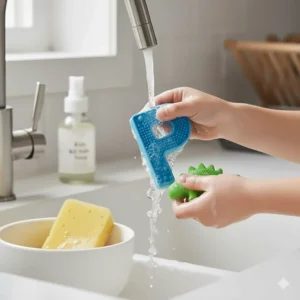
After each use, rinse the chew toy with warm water. For deeper cleaning, wash with mild dish soap and warm water, scrubbing gently with a soft brush. Most silicone chew necklaces and tubes are top-rack dishwasher safe, making cleanup incredibly easy.
For teething toys for special needs that your child uses during meals, clean immediately afterward to prevent food buildup. Some parents keep a small container of soapy water handy for quick dunking between uses.
Weekly Deep Clean
Once weekly, sterilize chew toys using one of these methods:
- Boil in water for 3-5 minutes (check manufacturer guidelines)
- Run through dishwasher on sanitize cycle
- Soak in diluted vinegar solution (1 part vinegar to 3 parts water) for 15 minutes
The ERKOON and Olugu sets specifically mention being safe for boiling water sterilization, while necklace-style products should have cords removed before boiling.
Regular Inspection
This is crucial: inspect chew toys daily for signs of wear. Look for tears, bite marks that go deep, rough edges, or pieces that might break off. Children’s chewing patterns change over time—a chew toy that worked for months might suddenly show rapid wear if they’re going through a particularly sensory-seeking phase.
Replace any damaged oral motor chew tools immediately. It’s not worth the risk of small pieces breaking off. Most quality brands offer replacement guarantees if items are damaged within warranty periods.
Storage Tips
Store clean, dry chew toys in a designated container or bag. Some families use small mesh laundry bags that can be tossed directly in the washing machine. Keep extras in your car, child’s backpack, or other frequently used locations.
For vibrating sensory chew toys, store in a cool, dry place and check battery charge regularly. Nothing’s worse than a dead chew toy when your child needs it most!
Price Range & Value Analysis Table
| Price Tier | Products | Value Assessment | Best For |
|---|---|---|---|
| Budget ($8-$13) | ERKOON 4-Pack, Olugu 5-Pack | ⭐⭐⭐⭐⭐ Excellent | Beginners, backups, variety |
| Mid-Range ($14-$20) | ARK Saber Tooth, ARK Krypto-Bite, Munchables | ⭐⭐⭐⭐ Great | Long-term investment, proven quality |
| Premium ($21-$28) | LoveHugs Vibrating, Multi-packs of premium brands | ⭐⭐⭐⭐ Good | Advanced needs, therapeutic use |
✨ Don’t Miss These Exclusive Deals!
🔍 Take your sensory support to the next level with these carefully selected products. Click on any highlighted item to check current pricing and availability. These tools will help you create authentic calming solutions your family will love!
Common Mistakes to Avoid When Buying Chewable Sensory Toys
After talking with dozens of parents and reviewing hundreds of customer experiences, I’ve identified the most common mistakes people make—and how to avoid them.
Choosing Based on Price Alone
The cheapest option isn’t always the best value. I’ve seen parents buy $5 sets from unknown brands, only to replace them monthly because they fell apart. Meanwhile, a $16 ARK Saber Tooth lasts six months or more. Do the math: six $5 chew toys ($30) versus one $16 quality product. The quality option saves money and provides consistent sensory support.
That said, budget-friendly doesn’t always mean low quality. The ERKOON and Olugu sets offer legitimate value at their price points—they’re not trying to compete with premium brands on durability, but they serve specific purposes well.
Ignoring Toughness Levels
This is probably the most expensive mistake. Parents buy a Standard firmness chew toy for an aggressive chewer, then complain it broke within days. Of course it did—you bought the wrong product! Companies provide toughness levels for exactly this reason.
If unsure, start firmer than you think necessary. A moderate chewer can use a Very Firm chew toy without problems, but an aggressive chewer will destroy a Standard option immediately. You can always step down in firmness; you can’t make a soft toy harder.
Buying Only One
Here’s reality: kids lose things. They forget chew toys at school, drop them at the park, or leave them at grandma’s house. Having only one creates anxiety for both child and parent when it inevitably goes missing.
Smart strategy: buy at least three of whatever works for your child. Keep one at home, one in the car, and one in the backpack. This redundancy eliminates stress and ensures your child always has access to their sensory tool when needed.
Not Involving Your Child
I can’t tell you how many parents buy chew toys their children refuse to use. An eight-year-old who thinks the bright yellow shark looks “babyish” won’t wear it, no matter how perfect it seems to you. Involve your child in the selection process (age-appropriately, of course).
Show older children options online and let them choose colors or styles. For younger kids, order a variety pack like the ERKOON 4-Pack and let them discover their preferences through trial and error.
Real Parent Success Stories
Sometimes hearing from others who’ve walked this path helps more than any expert advice. Here are real experiences (with names changed for privacy) that might resonate with your situation.
Sarah’s Story: From Three Shirts Daily to Zero
Sarah’s seven-year-old son destroyed three shirt collars every single day. “I was doing laundry constantly, and buying new clothes monthly,” she shared. “The school called because his shirts looked so ragged.” After trying generic teething toys with no success, her occupational therapist recommended the ARK Saber Tooth in XXT firmness. “Within a week, the shirt-chewing stopped completely. My laundry budget dropped by $60 monthly—I wish I’d found these years ago!”
Marcus’s Journey: Finding the Right Match
Marcus’s daughter had tried several chew necklaces but rejected them all as “too babyish.” The breakthrough came with the Munchables Surfboard in silver. “She thought it looked like real jewelry her friends would wear,” Marcus explained. “Suddenly she was using her chew toy consistently, and her finger-chewing habit disappeared within two weeks.”
Jennifer’s Vibrating Success
“My son is a serious sensory seeker,” Jennifer told me. “Regular chew toys didn’t provide enough input.” Her pediatric OT suggested trying the LoveHugs Vibrating Sensory Chew Toy, and Jennifer noticed immediate differences. “The vibration gives him that intense sensory feedback he craves. His aggressive chewing reduced by probably 80% in the first month.”
❓ Frequently Asked Questions
❓ Are sensory chew toys safe for all ages?
❓ How long do sensory chew toys typically last?
❓ Can chewable sensory toys help with speech development?
❓ What's the difference between baby teething toys and sensory chew toys?
❓ How do I clean silicone chew necklaces without damaging them?
Conclusion: Finding Your Family’s Perfect Match
Listen, I get it. You’re exhausted from constantly redirecting chewing behaviors, worried about your child’s damaged fingers or destroyed clothes, and maybe even a little embarrassed when others notice. But here’s what I want you to remember: seeking oral input is a legitimate neurological need, not a behavior problem you need to fix.
The right sensory chew toys transform this challenge into something manageable—even routine. Whether you start with the budget-friendly Olugu 5-Pack to explore preferences, invest in the premium ARK Saber Tooth for long-term durability, or try the innovative LoveHugs Vibrating option for intense sensory seekers, you’re taking an important step in supporting your child’s sensory needs.
Remember these key takeaways as you make your decision: match toughness level to chewing intensity (not the other way around), involve your child in selecting styles they’ll actually wear, buy multiples to prevent crisis moments when one goes missing, and inspect regularly for safety. Quality oral motor chew tools typically pay for themselves within weeks by eliminating destroyed clothing, damaged fingers, and stressful redirection attempts.
Your child’s brain is simply seeking the sensory input it needs to feel regulated, focused, and calm. By providing appropriate tools designed specifically for this purpose, you’re not just preventing property damage—you’re actively supporting their nervous system’s ability to self-regulate. That’s powerful.
Start with one or two options from this list, give them a genuine two-week trial, and watch for positive changes. Many families notice reduced anxiety, improved focus, and better self-regulation within the first month of consistent use. If one product doesn’t work, try a different style or texture. The perfect match exists for your child—sometimes it just takes a little experimentation to find it.
Here’s to fewer chewed shirts, calmer days, and children who have safe, effective ways to meet their sensory needs!
Recommended for You
- 7 Best Outdoor Toys for 10-12 Year Olds (2026 Expert Guide)
- 7 Best Toys for 6 Year Olds in 2026: Expert Picks
- 7 Best Learning Toys for 5 Year Olds 2026 | STEM Toys
Disclaimer: This article contains affiliate links. If you purchase products through these links, we may earn a small commission at no additional cost to you.
✨ Found this helpful? Share it with your friends! 💬🤗
