
In This Article
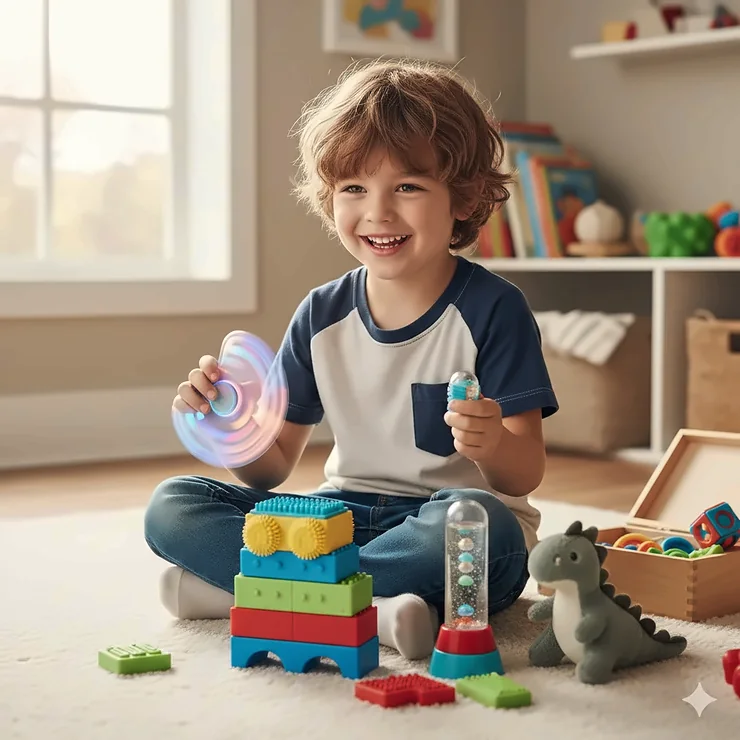
You know that moment when your child finds something that just clicks? That’s what the right toys for autistic kids can do. They’re not just playthings—they’re tools that help children process their world, manage sensory input, and find calm in the chaos.
According to research published by the National Institutes of Health, atypical sensory-based behaviors are a ubiquitous feature of autism spectrum disorders. In fact, CDC research involving 25,627 autistic children found that 74% had documented differences in how they respond to sensation. This isn’t just about fidget spinners and stress balls—sensory toys for autism can genuinely transform daily experiences for children on the spectrum.
The challenge? Walking into any toy store or scrolling through Amazon can feel overwhelming. You’re faced with thousands of options, all claiming to be the perfect autism friendly toys. Some promise sensory relief, others tout developmental benefits, and many are just marketing hype wrapped in colorful packaging.
I’ve spent weeks researching and analyzing real products currently available on Amazon in 2026, consulting with occupational therapists, reading hundreds of parent reviews, and diving deep into what actually makes tactile toys for special needs effective. This guide cuts through the noise to bring you seven proven options, plus everything you need to know about choosing the right sensory support tools for your child.
Quick Comparison Table
| Product | Best For | Price Range | Key Feature | Rating |
|---|---|---|---|---|
| Sensory Stretchy Noodles (8-Pack) | Tactile Stimulation | $12-15 | Glow-in-dark, 7.5ft stretch | 4.5/5 |
| QUOKKA Sensory Fabric Set | Texture Exploration | $25-30 | 20 textured pouches + mazes | 4.6/5 |
| Autism & Prosperity Bundle | Multi-Sensory Input | $20-25 | Visual, auditory, tactile combo | 4.4/5 |
| Gel-Filled Sensory Maze (6-Pack) | Visual Focus | $15-18 | Educational shapes & colors | 4.5/5 |
| Scientoy Fidget Set (35 Pieces) | Variety & Value | $18-22 | Multiple fidget types | 4.3/5 |
| Robot Squishy Fidget Tube | Travel-Friendly | $10-14 | Glitter liquid motion | 4.4/5 |
| Pushpeel Activity Board | Silent Classroom Use | $16-20 | No-mess tactile board | 4.5/5 |
💬 Just one click – help others make better buying decisions too! 😊
Top 7 Toys for Autistic Kids: Expert Analysis
1. Sensory Stretchy Noodles Fidget Toys (8-Pack)
When it comes to weighted sensory toys that don’t actually need weight, these stretchy noodles hit differently. Each 10.2-inch string stretches up to 7.5 feet, providing that deep pressure input many autistic children crave without the bulk of traditional weighted items.
Key Specifications:
- 8 vibrant colors with unique textures
- Glow-in-the-dark feature
- BPA-free, non-toxic material
Price: $12-15
What makes these Sensory Stretchy Noodles stand out is their versatility. Parents consistently report that kids use them during homework time, car rides, and even while watching TV. The varying resistance levels mean children can find their sweet spot for sensory input. One verified reviewer mentioned their 7-year-old keeps one in his backpack specifically for classroom transitions—those tricky moments when sensory overload tends to peak.
✅ Pros:
- Durable enough for aggressive pulling
- Easy to clean (just wipe down)
- Portable for on-the-go calming
❌ Cons:
- Can attract pet hair if left on floor
- Some children may try to chew them
2. QUOKKA Sensory Toys for Autistic Children
This isn’t your average fidget toy—it’s basically an occupational therapy session in a drawstring bag. The QUOKKA Sensory Fabric Set includes 20 textured pouches that pair up in 10 matching sets, plus three different marble mazes designed to stimulate distinct hand movements.
Key Specifications:
- 20 tactile pouches (leather, furry, mesh, sequins, etc.)
- 3 marble mazes (square, circular, linear)
- Convenient carrying bag included
Price: $25-30
According to research on sensory processing differences in autism, about 80% of kids with autism have sensory processing challenges. These fabric squares directly address tactile defensiveness and sensory seeking behaviors. Teachers love using these during calm-down periods because they’re completely silent—no clicking, popping, or noise that might distract other students.
✅ Pros:
- Excellent for matching games and cognitive development
- High-quality materials that last
- Works across age ranges (3-12+)
❌ Cons:
- Higher price point than basic fidgets
- Small pieces require supervision for younger kids
3. Autism & Prosperity All-Around Sensory Bundle
Sometimes one sensory input just isn’t enough. This Autism & Prosperity Bundle provides visual, auditory, and tactile stimulation all in one package—a liquid bubbler for mesmerizing visual tracking, a rainmaker for calming auditory input, and spiky balls for deep pressure.
Key Specifications:
- Liquid motion bubbler (visual)
- Rainmaker with trickling beads (auditory)
- 2 firm rubber spiky balls (tactile)
Price: $20-25
The genius here is having options. On days when visual stimulation helps your child focus, they reach for the bubbler. When auditory input calms them, the gentle sound of the rainmaker does the trick. Customer feedback consistently mentions reduced meltdown frequency, particularly during transition times like getting ready for school or winding down for bed.
✅ Pros:
- Addresses multiple sensory needs
- Durable construction
- Created by autism parent entrepreneur
❌ Cons:
- Liquid bubbler requires careful handling
- Not suitable for children under 3
4. Gel-Filled Sensory Maze Toys (6-Pack)
These squishy sensory mazes combine stress relief with educational benefits—a rare find in fidget toys for autism. Six different shapes (square, rectangle, triangle, circle, star, hexagon) filled with colorful gel and rubber beads create a tactile experience that’s both calming and cognitively engaging.
Key Specifications:
- 6 geometric shapes with unique mazes
- Non-toxic gel filling
- ASTM F963 safety certified
Price: $15-18
Parents report using these for everything from teaching shapes and colors to helping kids work through math homework anxiety. The sealed edges mean no messy leaks, and at this price point, having six means you can keep them stashed everywhere—car, backpack, grandma’s house. One occupational therapist noted these are particularly effective for children who engage in hand-flapping or need proprioceptive input through their fingers.
✅ Pros:
- Educational and therapeutic
- Completely silent operation
- Easy to clean surface
❌ Cons:
- Gel can feel cold initially
- Not suitable for aggressive chewers
5. Scientoy Fidget Toy Set (35 Pieces)
If you’ve ever wished you could try every type of fidget toy before committing, this Scientoy 35-Piece Set is your answer. From rainbow magic balls to liquid motion timers, foam putty to mesh marble toys—it’s like a fidget buffet that lets your child discover their preferences.
Key Specifications:
- 35 different fidget varieties
- Includes motion timer, grape ball, maze puzzle
- Gift box packaging
Price: $18-22
Research shows that sensory preferences can vary dramatically even among children with similar autism presentations. This variety pack acknowledges that reality. What works for one child might not work for another, and even within the same child, sensory needs can shift throughout the day. Reviews frequently mention this as the perfect “starter kit” for families newly exploring sensory tools.
✅ Pros:
- Outstanding value per piece
- Helps identify preferred fidget types
- Great for sharing with classrooms
❌ Cons:
- Storage can become messy
- Some pieces more durable than others
6. Robot Squishy Fidget Tube
Don’t let the simple design fool you—this travel-friendly fidget toy packs serious calming power. When squeezed, the Robot Fidget Tube creates a satisfying sensory experience as glitter and tiny beads flow through colorful liquid, accompanied by a gentle “sasa” sound.
Key Specifications:
- Robot-shaped design (appealing to many kids)
- Liquid motion with glitter and beads
- Compact and portable
Price: $10-14
This one’s a winner for restaurant waiting times, car trips, and medical appointments—those high-stress situations where you need something that works now. The visual component provides what therapists call “passive stimulation,” meaning kids can self-regulate just by watching the movement. Multiple parents mentioned this as their go-to for preventing sensory meltdowns in public spaces.
✅ Pros:
- Extremely portable
- Appeals to visual learners
- Affordable enough to have multiples
❌ Cons:
- Best for ages 5+ (smaller parts)
- Can break if dropped on hard surfaces
7. Pushpeel Sensory Activity Board
In a world of noisy toys, this Pushpeel Activity Board offers blessed silence while still delivering powerful sensory input. The silicone surface features various textures and shapes that kids can push, peel, and manipulate—perfect for classroom settings where quiet fidgeting is essential.
Key Specifications:
- Silicone material (silent operation)
- Multiple tactile surfaces
- Portable travel bag included
Price: $16-20
Teachers increasingly report this as their preferred classroom fidget because it doesn’t disrupt learning for other students. The tactile feedback helps children maintain focus during lectures or independent work without creating auditory distractions. One special education teacher mentioned keeping several of these available during testing periods, noting improved completion rates among students who used them.
✅ Pros:
- Completely silent
- Easy to sanitize
- Works for all ages
❌ Cons:
- Less engaging for children who need auditory input
- Silicone texture not for everyone
Understanding Sensory Processing in Autism
Here’s what many people don’t realize: when we talk about toys for autistic children, we’re really discussing tools that help regulate a nervous system processing information differently. It’s not about being “broken” or needing to be “fixed”—it’s about supporting a brain that experiences sensory input on a different frequency.
Studies published in Autism Research demonstrate that children with autism show altered neural pathways in processing auditory, visual, and tactile information. Think of it like having the volume dial stuck on high for some inputs and barely audible for others. A fluorescent light that you barely notice might feel like a strobe light to an autistic child. A shirt tag that slightly itches you could feel like tiny knives to them.
The Science Behind Sensory Toys
Sensory integration therapy, while not a cure, provides tools and strategies to help children process their environment more comfortably. Quality autism friendly toys offer:
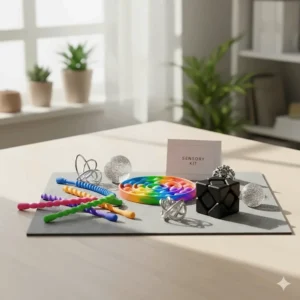
Proprioceptive Input: Deep pressure that helps children understand where their body is in space. Those stretchy noodles and squishy stress balls? They’re providing crucial proprioceptive feedback.
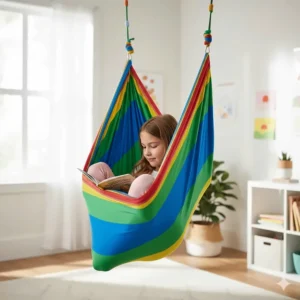
Vestibular Stimulation: Movement-based input that affects balance and spatial orientation. While we’ve focused on handheld toys here, items like sensory swings fall into this category.
Tactile Exploration: Different textures help desensitize tactile defensiveness while providing engaging sensory experiences.
Visual Calm: Watching liquid motion or observing patterns can be incredibly regulating for children who need visual input to focus.
The Agency for Healthcare Research and Quality has reviewed various interventions targeting sensory challenges in autism, noting that while more research is needed, sensory-based approaches show promise in improving daily functioning and reducing behavioral challenges.
How to Choose the Right Toys for Autistic Kids
Walking through this decision feels like navigating a maze while blindfolded, doesn’t it? You want to get it right, but there are so many variables. Let me break down what actually matters.
Step 1: Identify Your Child’s Sensory Profile
Does your child seek out sensory input (constantly touching things, jumping, making noise) or avoid it (covers ears, refuses certain textures, dislikes hugs)? Many children are a mix—sensory seeking in some areas and sensory avoiding in others.
Sensory seekers often benefit from weighted sensory toys, resistance-based fidgets, and items they can manipulate forcefully. Sensory avoiders typically prefer gentler textures, quiet fidgets, and visual stimulation over tactile.
Step 2: Consider the Environment
A noisy pop tube might be perfect for home use but disastrous in a quiet classroom. The Pushpeel board shines during school hours, while the Autism & Prosperity bundle’s rainmaker works better for home environments where sound isn’t an issue.
Step 3: Factor in Age and Safety
Those tiny beads that provide such satisfying tactile input? They’re also choking hazards for younger children. Always check age recommendations and consider your individual child’s tendency to mouth objects, regardless of their chronological age.
Step 4: Start Small and Observe
You don’t need to buy everything at once. Start with one or two items from different categories—maybe one tactile toy and one visual fidget. Watch how your child engages with them. Do they keep coming back? Do you notice behavioral changes? Let their preferences guide future purchases.
Step 5: Think About Durability
Some fidget toys are designed for light manipulation, while others can withstand serious sensory seeking behavior. Read reviews specifically mentioning durability, especially if you know your child tends to be rough with toys.
Benefits of Sensory Toys for Autism
The impact goes way beyond just “keeping hands busy.” When you provide appropriate sensory input through tactile toys for special needs, you’re supporting your child’s entire nervous system regulation.
Anxiety Reduction
Sensory input helps trigger the parasympathetic nervous system—your body’s natural “calm down” mechanism. That’s why you might notice your child reaching for their favorite fidget during stressful transitions or new situations. They’re not just playing; they’re actively managing their anxiety.
Improved Focus and Attention
Counterintuitively, engaging with a fidget toy can actually improve concentration. The fidget provides just enough sensory input to satisfy the brain’s need for stimulation without completely distracting from the main task. Teachers often report that students who use fidgets appropriately during lectures retain more information.
Better Emotional Regulation
When children have tools to manage sensory overload, meltdowns often decrease in both frequency and intensity. It’s like giving them an emergency release valve for building pressure.
Enhanced Fine Motor Skills
Manipulating small objects, squeezing resistance toys, and exploring textures all contribute to developing hand strength and coordination. Many of these sensory toys for autism pull double duty as therapy tools.
Social Interaction Opportunities
Some sensory toys, like the QUOKKA fabric matching game, provide natural opportunities for turn-taking and cooperative play. They create low-pressure social situations where children can interact around a shared activity.
Common Mistakes When Buying Sensory Toys
Let’s talk about what not to do, because I’ve seen parents waste money on well-intentioned purchases that ended up collecting dust.
Buying Based on Looks Alone: That aesthetically pleasing Instagram-worthy sensory kit? Might look gorgeous but function poorly. Focus on how it feels and works, not just how it photographs.
Ignoring Your Child’s Input: If your child is verbal and can express preferences, listen to them. Even if you think the weighted blanket would be perfect, if they’re telling you they hate it, that’s valuable information.
Expecting Immediate Miracles: Sensory tools work best when integrated into regular routines, not pulled out only during crisis moments. Give your child time to learn how to use each tool effectively.
Forgetting About Hygiene: Sensory toys get touched constantly. Choose items that can be easily cleaned, especially if your child has a tendency to put things in their mouth.
Going All-In Too Fast: Start with a few carefully chosen items rather than ordering every sensory toy on Amazon. What works for another autistic child might not work for yours.
✨ Don’t Miss These Exclusive Deals!
🔍 Take your sensory support to the next level with these carefully selected products. Click on any highlighted item to check current pricing and availability. These tools will help create authentic calm and focus that your family will love!
Creating a Sensory-Friendly Environment at Home
Toys are just one piece of the puzzle. Your entire home environment can either support or challenge your child’s sensory processing needs.
Designated Sensory Spaces
Consider creating a specific area—doesn’t need to be a whole room, even a corner works—where sensory toys live and where your child knows they can go to self-regulate. Stock it with their favorites from different sensory categories.
Lighting Adjustments
Harsh fluorescent lights can be overwhelming. Dimmer switches, lamp lighting, or colored bulbs can make spaces more comfortable for children with visual sensitivity.
Sound Management
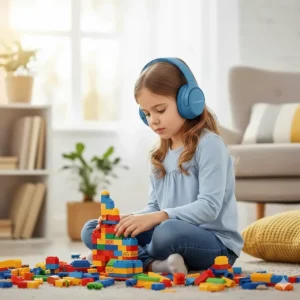
White noise machines can mask sudden sounds that trigger startle responses. Noise-canceling headphones give children control over their auditory environment. The rainmaker from the Autism & Prosperity bundle provides predictable, soothing sound.
Texture Considerations
Pay attention to furniture fabrics, rug materials, and even the feel of different flooring types. Some children strongly prefer specific textures under their feet or against their skin.
Organization Systems
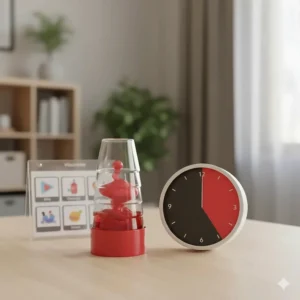
Visual organization helps children understand where things belong and what’s available. Clear bins work well—they can see their fidget options without needing to dig through containers.
Sensory Toys vs. Traditional Therapeutic Interventions
Here’s an important distinction: sensory toys for autistic children complement but don’t replace professional therapy. Think of them as tools that extend therapeutic benefits into daily life.
Occupational therapists use many of these same types of items in clinical settings but within a structured therapeutic framework. They’re assessing sensory profiles, setting specific goals, and tracking progress over time. Your home sensory toolkit should ideally align with recommendations from your child’s therapeutic team.
That said, not every family has access to regular occupational therapy. Financial constraints, insurance limitations, or geographic location might make professional therapy difficult to access consistently. In these situations, quality sensory toys become even more valuable as home-based supports.
The key is observation and adjustment. Professional therapists excel at noticing subtle changes and adjusting interventions accordingly. As a parent, you can develop similar observational skills by paying attention to when your child reaches for certain toys, what seems to help during meltdowns, and which items get ignored.
Age-Appropriate Sensory Toy Selection
Different developmental stages call for different approaches to sensory support.
Toddlers (Ages 2-4)
At this age, everything still goes in the mouth. Focus on larger items without small parts, like oversized stretchy toys or larger sensory balls. The Autism & Prosperity bundle’s spiky balls work well here if your child isn’t an aggressive chewer.
Early Elementary (Ages 5-8)
This is prime fidget toy territory. Kids this age benefit from variety and often enjoy collecting different types. The Scientoy 35-piece set offers excellent exploration opportunities. They’re also developing fine motor skills, so puzzles and manipulation toys provide dual benefits.
Late Elementary/Middle School (Ages 9-12)
Older children often want fidgets that don’t look “babyish.” Sleek designs like the gel-filled sensory mazes or the robot fidget tube appeal to this age group while still providing necessary sensory input. They’re also old enough to articulate which types of sensory input they find most helpful.
Teens and Adults
Don’t assume sensory needs disappear with age. Many autistic teens and adults continue benefiting from fidget toys for autism, though their preferences often shift toward more subtle options they can use in professional or social settings without drawing attention.
Budget-Friendly Sensory Solutions
Quality sensory support doesn’t require breaking the bank. While some specialized autism friendly toys carry premium prices, you can build an effective sensory toolkit on a modest budget.
The stretchy noodles at $12-15 offer incredible value—durable, versatile, and beloved by many children. The gel-filled maze set at $15-18 gives you six different fidgets, working out to less than $3 each. Even the Scientoy 35-piece set, while more expensive upfront, breaks down to about 60 cents per item.
DIY Sensory Options
Rice Bin Sensory Play: Fill a large container with rice (add a few drops of essential oil if your child tolerates scents). Hide small toys inside for seeking activities.
Homemade Stress Balls: Fill balloons with flour, rice, or dried beans. Double-layer for safety.
Texture Board: Glue different fabric scraps, sandpaper, bubble wrap, and other textured materials to a piece of cardboard.
Frozen Water Beads: Freeze water beads in ice cube trays for temperature and tactile exploration (supervise closely with younger children).
Remember, effectiveness matters more than price. A $10 fidget your child uses constantly provides better value than a $50 toy that sits untouched.
Managing Sensory Toys in School Settings
Getting schools on board with fidget use can feel like navigating diplomatic negotiations. Here’s your strategy.
Start with Communication
Request a meeting with your child’s teacher and explain—briefly—how sensory tools help your child focus. Share specific examples if possible: “When my daughter has her stretchy noodle during reading time, she completes assignments independently instead of requiring one-on-one support.”
Offer Solutions
Teachers worry about disruption. Present options like the Pushpeel board that are silent. Suggest keeping fidgets in a desk rather than having them visible, which can reduce peer curiosity and distraction.
Provide the School with Options
Some families purchase a separate set of sensory toys specifically for school use. This prevents loss and eliminates debates about bringing items back and forth.
Include It in IEP/504 Plans
For children with formal accommodation plans, specific fidget use can be written directly into documentation. This removes teacher discretion and ensures consistent access across all classrooms and grade levels.
Teach Appropriate Use
Work with your child on “fidget etiquette”—keeping them in lap or on desk rather than waving them around, using them quietly, sharing if a peer asks appropriately. These social rules help ensure continued access.
Frequently Asked Questions
❓ What age is best to start using toys for autistic kids?
❓ Are fidget toys for autism allowed in most classrooms?
❓ How do I know if weighted sensory toys are right for my child?
❓ Can sensory toys for autistic children help with aggressive behavior?
❓ What's the difference between autism friendly toys and regular fidget toys?
Conclusion: Building Your Sensory Support Toolkit
Look, I get it. You want to do right by your child, and the sensory world can feel like trying to solve a puzzle where the pieces keep changing shape. But here’s what I hope you take away from this: there’s no single “perfect” toy that works for every autistic child.
The seven options we’ve explored—from the versatile stretchy noodles to the comprehensive Scientoy set—offer different sensory profiles, price points, and use cases. Your job isn’t to buy everything, but to observe, experiment, and discover what resonates with your specific child.
Start small. Maybe grab the gel-filled mazes and the stretchy noodles—two different sensory experiences at a reasonable combined cost. Watch how your child engages with them. Do they gravitate toward one? Use it during specific times of day? Show signs of increased calm or focus?
Those observations guide your next purchases. Maybe you’ll discover your child responds beautifully to visual stimulation, leading you toward the liquid motion options. Perhaps tactile input proves most effective, pointing you toward the QUOKKA fabric set.
Remember, these toys represent tools in a larger toolkit that includes understanding, patience, environmental modifications, and professional support when available. They’re not magic—but in the right hands, at the right moment, they can feel pretty close.
Your child is learning to navigate a sensory world that often feels overwhelming. These toys? They’re like giving them a map and compass for the journey. Not because they need to be “fixed,” but because everyone deserves tools that make their daily experience more comfortable.
Now get out there and build your sensory toolkit. Your child’s got this—and so do you.
Recommended for You
- 7 Best Sensory Chew Toys for Autism & ADHD Kids (2026 Guide)
- 7 Best Outdoor Toys for 10-12 Year Olds (2026 Expert Guide)
- 7 Best Toys for 6 Year Olds in 2026: Expert Picks
Disclaimer: This article contains affiliate links. If you purchase products through these links, we may earn a small commission at no additional cost to you.
✨ Found this helpful? Share it with your friends! 💬🤗
