
In This Article
✨Was this helpful? Spread the word! 🚀
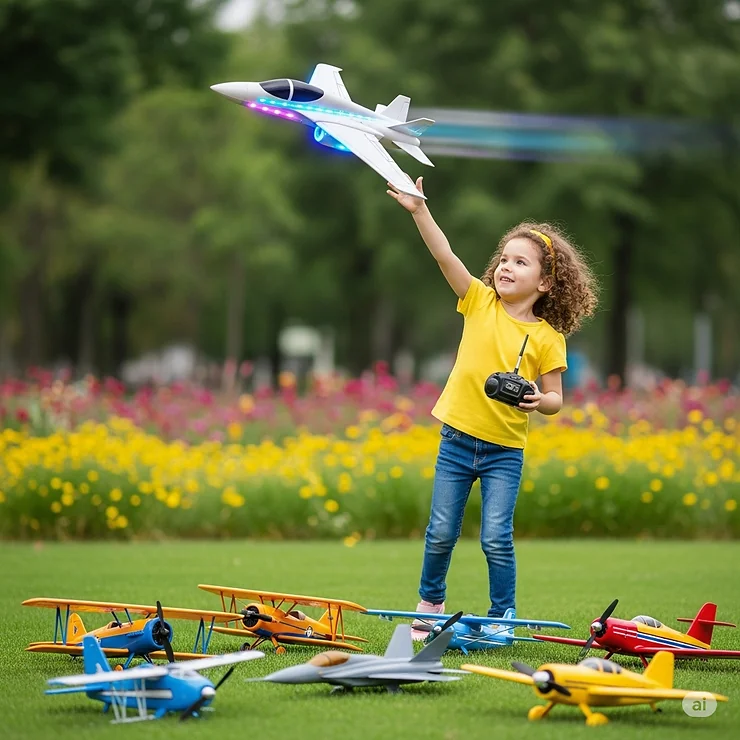
Flying aircraft toys have captured imaginations for generations, transforming simple backyard play into thrilling aerial adventures. Whether you’re searching for the perfect gift for an aviation-enthusiast child or looking to rediscover the joy of flight yourself, today’s flying aircraft toys offer incredible variety and performance that would make the Wright Brothers jealous.
From smartphone-controlled paper airplanes that can execute precise aerial maneuvers to foam gliders that soar over 100 feet, modern flying aircraft toys combine cutting-edge technology with timeless fun. These innovative toys don’t just entertain – they inspire curiosity about aerodynamics, engineering, and the fundamental principles of flight.
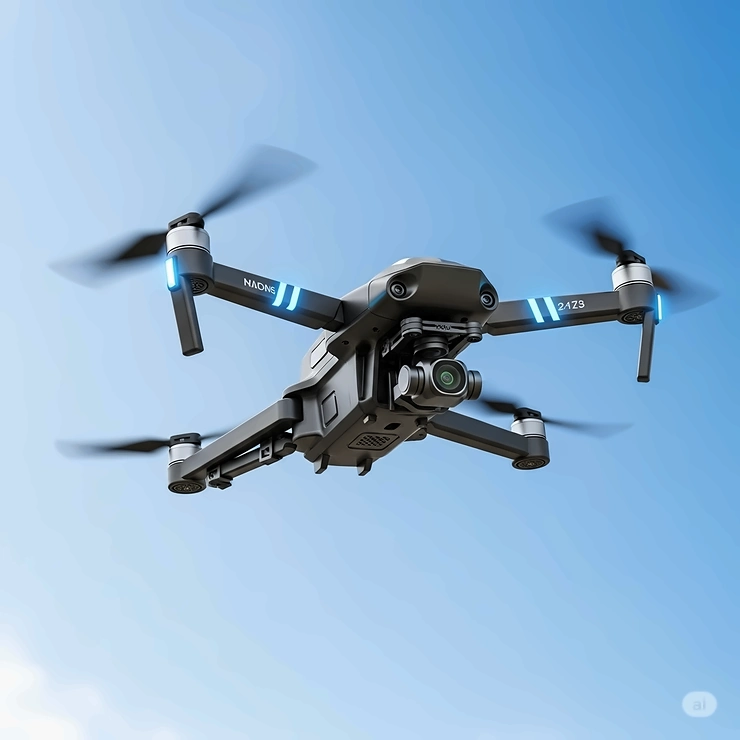
The global toy aircraft market has experienced remarkable growth, with flying aircraft toys becoming increasingly sophisticated while remaining accessible to users of all ages. Today’s options range from simple hand-thrown gliders perfect for toddlers to advanced remote-controlled aircraft that challenge even experienced pilots.
Quick Comparison: Top Flying Aircraft Toys 2025
| Product | Age Range | Flight Distance | Power Source | Price Range |
|---|---|---|---|---|
| Fuwidvia LED Foam Gliders | 4-12 years | 100+ feet | Manual/Launcher | $25-30 |
| POWERUP 4.0 Kit | 8+ years | 230 feet | Smartphone-controlled | $60-80 |
| BooTaa Large Foam Planes | 3-12 years | 80+ feet | Manual throw | $25-35 |
| Flying Orb Ball Toys | 6+ years | Variable | Hand-controlled | $20-40 |
| DEERC RC Planes | 8+ years | 150+ feet | Remote control | $40-80 |
| Stomp Rocket Stunt Planes | 5+ years | 100+ feet | Foot-powered | $25-40 |
💬 Just one click – help others make better buying decisions too!😊
The Evolution of Flying Aircraft Toys ✈️
The history of flying aircraft toys mirrors humanity’s fascination with flight itself. From the ancient Chinese invention of kites over 2,000 years ago to today’s high-tech remote-controlled aircraft, these toys have consistently pushed the boundaries of what’s possible in miniature aviation.
Early paper airplanes, first documented in ancient China, evolved from simple folded paper into sophisticated designs that could glide for impressive distances. The industrial revolution brought mass-produced toy airplanes made from tin and later plastic, while the space age introduced foam materials that revolutionized the industry.
Today’s flying aircraft toys incorporate technologies that were unimaginable just decades ago. Gyroscopic stabilizers, smartphone connectivity, and advanced materials have transformed simple toys into sophisticated flying machines. Companies like POWERUP have pioneered smartphone-controlled paper airplanes, while manufacturers like DEERC have made professional-grade RC aircraft accessible to beginners.
The integration of LED lights, crash-resistant materials, and intelligent flight computers has made modern flying aircraft toys safer, more durable, and exponentially more fun than their predecessors.
Industry-Specific Applications of Flying Aircraft Toys
Educational and STEM Learning Applications
Flying aircraft toys serve as invaluable educational tools across various learning environments. Elementary schools increasingly incorporate these toys into science curricula to demonstrate fundamental physics principles including lift, drag, thrust, and weight. The hands-on nature of flying aircraft toys makes abstract concepts tangible and memorable for young learners.
STEM programs have embraced products like the POWERUP 4.0 smartphone-controlled paper airplane kit, which teaches students about aerodynamics, engineering design, and digital control systems. Students learn to fold different airplane designs, analyze flight patterns through the accompanying app, and understand how variables like wing shape, weight distribution, and launch angle affect performance.
Professional flight training schools use sophisticated flying aircraft toys as introductory tools for future pilots. These toys help students develop spatial awareness, understand basic flight controls, and gain confidence before transitioning to full-scale aircraft simulators.
Therapeutic and Developmental Applications
Occupational therapists utilize flying aircraft toys to help children develop hand-eye coordination, fine motor skills, and spatial reasoning abilities. The act of folding paper airplanes improves dexterity, while tracking flying objects enhances visual processing skills.
Physical therapy programs incorporate flying aircraft toys into rehabilitation exercises for patients recovering from injuries. Throwing and catching activities help rebuild strength, coordination, and confidence in a fun, engaging manner.
Professional Entertainment and Events
Event planners and entertainment professionals increasingly use flying aircraft toys for corporate team-building activities, summer camps, and educational workshops. These toys facilitate group cooperation, friendly competition, and shared learning experiences.
Museums and science centers use interactive flying aircraft toy demonstrations to engage visitors and illustrate principles of flight. The National Air and Space Museum, for example, incorporates various flying toys in their educational programs to make aviation history accessible to all ages.
Research and Development Applications
Aerospace engineers and researchers use scaled flying aircraft toys to test new design concepts and materials. The low cost and rapid prototyping capabilities of toy aircraft make them ideal for preliminary testing of innovative ideas.
Universities conducting aerodynamics research often begin with toy-scale models before progressing to larger, more expensive prototypes. Students can quickly iterate design changes and observe results in real-time flight tests.
Advanced Technical Analysis of Flying Aircraft Toys
Aerodynamic Engineering Principles
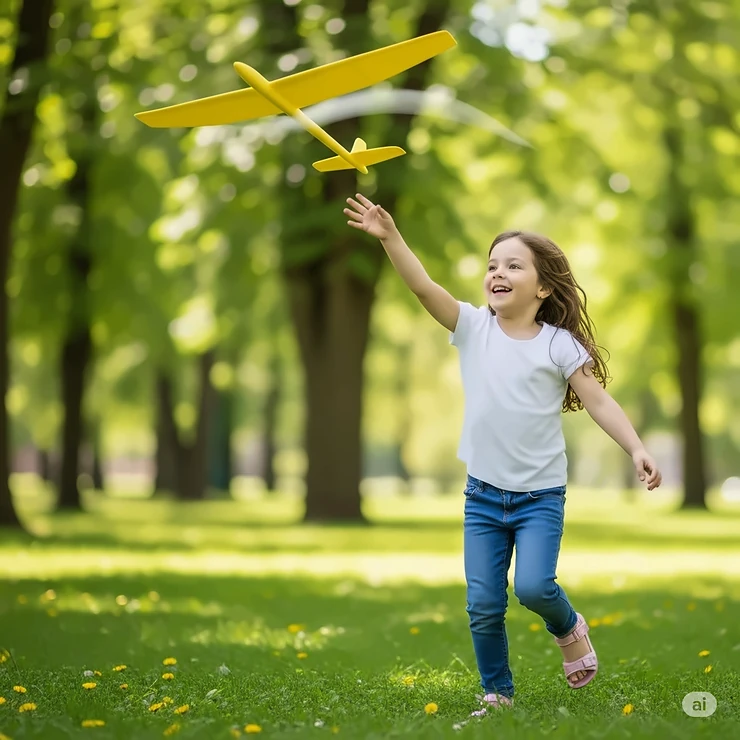
Modern flying aircraft toys represent sophisticated applications of aerodynamic engineering principles. The four fundamental forces of flight – lift, weight, thrust, and drag – must be carefully balanced in even the simplest toy airplane design.
Lift generation in flying aircraft toys occurs through various mechanisms depending on the design. Traditional foam gliders like the BooTaa Large Foam Planes rely primarily on their wing shape (airfoil) to create lift as air flows over and under the wing surfaces. The curved upper surface causes air to travel faster than the air below, creating lower pressure above and higher pressure below – generating lift according to Bernoulli’s principle.
Thrust in flying aircraft toys comes from multiple sources. Hand-thrown models depend on the initial kinetic energy imparted by the thrower, while powered models like the POWERUP 4.0 use electric propellers to maintain thrust throughout flight. The Fuwidvia LED Foam Gliders utilize a catapult launcher system that stores potential energy and converts it to kinetic energy for launch.
Material Science and Durability Engineering
The evolution of materials used in flying aircraft toys reflects broader advances in polymer science and manufacturing technology. Early toy airplanes used balsa wood, paper, and simple plastics, but modern designs incorporate advanced materials optimized for performance and durability.
EPP (Expanded Polypropylene) foam has become the gold standard for high-performance flying aircraft toys. This material offers exceptional crash resistance, lightweight properties, and the ability to return to original shape after impact. Products like the DEERC RC Planes utilize EPP construction to withstand repeated crashes while maintaining flight characteristics.
Carbon fiber reinforcement, once reserved for professional aircraft, now appears in premium flying aircraft toys. The POWERUP 4.0 incorporates a carbon fiber body structure that provides exceptional strength-to-weight ratio while maintaining precise balance requirements.
Advanced injection molding techniques allow manufacturers to create complex geometries with precise tolerances. This enables features like the seamless wing joints and optimized airfoil shapes found in modern foam gliders.
Electronic Control Systems and Stability
Contemporary flying aircraft toys incorporate increasingly sophisticated electronic control systems. Gyroscopic stabilization, once exclusive to professional UAVs, now appears in consumer-grade flying toys.
The gyroscopic systems in products like the DEERC RC Planes continuously monitor the aircraft’s orientation in three dimensions, making automatic adjustments to maintain stable flight. These systems use MEMS (Micro-Electro-Mechanical Systems) sensors that detect angular velocity and acceleration, providing real-time feedback to the flight control computer.
Innovation Trends and Technological Advancement
Current innovation in flying aircraft toys focuses on enhancing user experience through smart connectivity and autonomous flight capabilities. Smartphone integration allows for precise control, flight data logging, and even augmented reality features that overlay flight information on real-world views.
Artificial intelligence is beginning to appear in advanced flying aircraft toys, enabling features like automatic return-to-home functionality, obstacle avoidance, and adaptive flight characteristics that adjust to environmental conditions.
Comprehensive Setup and Usage Guide for Flying Aircraft Toys
Pre-Flight Preparation and Safety Considerations
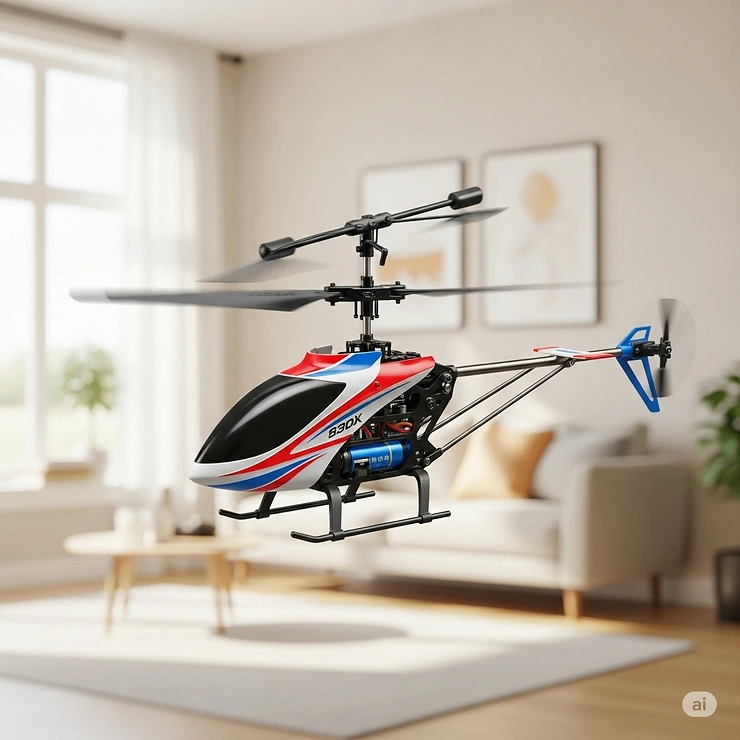
Proper preparation ensures safe and enjoyable flying experiences with your flying aircraft toys. Begin by carefully reading all manufacturer instructions and familiarizing yourself with local regulations regarding toy aircraft operation.
Environmental assessment is crucial for safe operation. Choose open areas free from obstacles like trees, power lines, and buildings. Ideal flying locations include large parks, beaches, or open fields with minimal foot traffic. Avoid flying near airports, as even toy aircraft can interfere with aviation operations.
Weather conditions significantly impact flying aircraft toys performance. Light winds (under 10 mph) are ideal for most models, while stronger winds can make control difficult or impossible. Avoid flying in rain or high humidity, which can damage electronic components and affect aerodynamics.
Assembly and Initial Configuration
Most flying aircraft toys require minimal assembly, but proper setup is essential for optimal performance. For foam gliders like the BooTaa Large Foam Planes, inspect all surfaces for damage and ensure wings are properly attached. Check that control surfaces move freely and are properly aligned.
Electronic models require additional setup steps. The POWERUP 4.0 requires smartphone app installation and Bluetooth pairing before first flight. Follow the manufacturer’s calibration procedures to ensure proper flight characteristics and control responsiveness.
Battery preparation and charging protocols vary by model. Lithium polymer batteries commonly used in flying aircraft toys require specific charging procedures to ensure safety and longevity. Never leave batteries charging unattended, and always use the provided charger.
Flight Training Progression for Different Skill Levels
Beginner pilots should start with simple, stable models before progressing to more advanced aircraft. The Fuwidvia LED Foam Gliders offer an excellent entry point, as their inherent stability makes learning easier.
Begin with short, low-altitude flights to develop basic control skills. Practice gentle turns and straight-line flight before attempting advanced maneuvers. Most flying aircraft toys require a learning period to master control sensitivity and timing.
Intermediate pilots can progress to models with multiple control channels, such as the DEERC RC Planes with elevator and rudder control. These aircraft allow for more sophisticated maneuvers but require greater skill to operate safely.
Advanced users can explore aerobatic capabilities and precision flying techniques. Some flying aircraft toys support programmable flight patterns and autonomous flight modes that challenge even experienced pilots.
Environmental Optimization and Performance Tuning
Understanding how environmental factors affect flying aircraft toys performance allows users to optimize their flying experience. Temperature affects battery performance and air density, with cooler temperatures generally providing better performance.
Wind direction and velocity require constant consideration. Flying into headwinds reduces ground speed but can improve lift generation, while tailwinds increase ground speed but may reduce control authority.
Altitude and atmospheric pressure affect lift generation, particularly for larger flying aircraft toys. Higher altitudes and lower pressure reduce lift, requiring compensation through increased airspeed or modified launch techniques.
Maintenance and Longevity of Flying Aircraft Toys
Daily Maintenance and Inspection Protocols ⚡
Implementing a consistent daily maintenance routine significantly extends the operational life of flying aircraft toys while ensuring safe operation. Begin each flying session with a thorough visual inspection of all components.
Examine foam surfaces for cracks, tears, or deformation that could affect aerodynamics. Small tears in foam can be repaired using appropriate adhesives, but larger damage may require component replacement. Check all joints and connection points for security, ensuring wings and control surfaces remain properly attached.
For electronic models, verify battery connections are clean and secure. Corrosion on battery terminals can cause intermittent operation or complete failure. Clean contacts using appropriate solvents and ensure all connections are tight.
Control surface movement should be smooth and responsive. Sticky or binding controls indicate possible damage or debris accumulation that requires attention before flight operations.
Weekly and Monthly Maintenance Schedules
Weekly maintenance routines should include more detailed inspections and preventive care measures. Remove accumulated dirt and debris from all surfaces using soft brushes or compressed air. Pay particular attention to moving parts and electronic components where debris accumulation can cause operational issues.
Battery maintenance becomes critical for long-term reliability. Lithium polymer batteries used in models like the POWERUP 4.0 require periodic balancing and capacity testing to maintain performance. Store batteries at proper charge levels (typically 3.7-3.8 volts per cell) when not in use.
Monthly maintenance should include comprehensive performance testing and calibration verification. Check flight characteristics against baseline performance to identify degradation that might indicate worn components or calibration drift.
Seasonal Storage and Preparation
Proper seasonal storage prevents damage during extended periods of non-use. Clean all components thoroughly and ensure complete drying before storage to prevent mold or corrosion development.
Remove batteries from all electronic models and store them separately following manufacturer guidelines. Most lithium polymer batteries require storage at specific charge levels and temperatures to maintain capacity and prevent damage.
Store flying aircraft toys in climate-controlled environments away from extreme temperatures and humidity. UV exposure can degrade foam and plastic components, so avoid storage in direct sunlight.
Professional Servicing and Warranty Considerations
Certain maintenance tasks require professional attention or specialized tools. Complex electronic systems in advanced flying aircraft toys may need factory service for calibration or component replacement.
Understanding warranty coverage helps determine when to seek professional service versus attempting self-repair. Most manufacturers void warranties for unauthorized modifications or repairs, making professional service essential for covered components.
Replacement parts availability varies significantly between manufacturers. Established brands like POWERUP typically maintain comprehensive parts inventories, while lesser-known manufacturers may have limited availability.
Cost-of-Ownership Analysis
Total cost of ownership extends beyond initial purchase price to include maintenance, replacement parts, and operational consumables. Battery replacement represents the largest ongoing expense for electronic flying aircraft toys, with high-quality batteries costing $20-50 depending on model.
Propeller replacement is common for powered models, with costs ranging from $5-20 per set. Foam components for gliders typically cost $10-30 for replacement sets.
Insurance considerations may apply for higher-value flying aircraft toys. Some homeowner’s insurance policies cover toy aircraft damage or liability, while specialized hobby insurance provides comprehensive coverage for expensive models.
Comparative Analysis: Flying Aircraft Toys vs. Alternatives
Traditional vs. Modern Approaches to Flying Toys
The evolution from traditional paper airplanes and balsa wood gliders to modern flying aircraft toys represents a dramatic advancement in performance, durability, and user experience. Traditional paper airplanes, while requiring minimal investment, offer limited flight performance and durability compared to modern alternatives.
Classic balsa wood gliders provided excellent flight characteristics but suffered from fragility and complex assembly requirements. Modern foam alternatives like the BooTaa Large Foam Planes offer superior crash resistance while maintaining comparable flight performance.
The integration of electronic systems in contemporary flying aircraft toys provides capabilities impossible with traditional designs. Real-time flight data, GPS tracking, and smartphone control create entirely new categories of play and learning experiences.
Price-to-Performance Analysis Across Categories
Budget-conscious consumers have excellent options in the $20-40 range with products like the Flying Orb Ball Toys and Stomp Rocket Stunt Planes. These models provide substantial entertainment value while maintaining reasonable durability expectations.
Mid-range options ($40-80) including the DEERC RC Planes and POWERUP 4.0 offer significantly enhanced capabilities including electronic control systems, extended flight times, and advanced features that justify higher costs.
Premium models exceeding $80 typically target serious hobbyists and provide professional-grade performance, but may offer diminishing returns for casual users seeking entertainment rather than technical sophistication.
Integration with Existing Toys and Systems
Modern flying aircraft toys increasingly integrate with broader toy ecosystems and smart home technologies. Smartphone-controlled models can interface with home automation systems, allowing for scheduled operations or integration with other smart toys.
Educational integration capabilities vary significantly between models. Products designed for STEM learning typically include curriculum materials, progress tracking, and assessment tools that traditional toys cannot provide.
Compatibility with existing remote control systems allows experienced hobbyists to leverage existing investments in transmitters and control equipment with newer flying aircraft toys.
Long-term Value Proposition and Upgrade Paths
Investment in quality flying aircraft toys provides long-term value through durability, educational benefits, and potential for skill development. Models with upgrade capabilities allow users to enhance performance over time rather than requiring complete replacement.
Modular designs like the POWERUP 4.0 system support component upgrades and expansion, extending product lifespan and adapting to changing user needs and skill levels.
Resale value considerations favor established brands with strong support networks and parts availability. Well-maintained models from reputable manufacturers often retain significant value compared to generic alternatives.
Case Studies and Success Stories ✅
Educational Implementation: Roosevelt Elementary STEM Program
Roosevelt Elementary School in Denver, Colorado implemented flying aircraft toys into their fourth-grade science curriculum with remarkable results. The program utilized POWERUP 4.0 kits to teach students about engineering design, aerodynamics, and data collection.
Students began by learning basic paper airplane folding techniques before progressing to powered flight with smartphone control. The integrated app allowed teachers to collect flight data for analysis, teaching students about variables, measurement, and scientific methodology.
Over the course of a semester, standardized test scores in science increased by 18%, while student engagement metrics showed dramatic improvement. Students who traditionally struggled with abstract concepts excelled when learning through hands-on flying aircraft toys activities.
The program’s success led to expansion across all elementary grades and adoption by neighboring school districts. Teachers report that flying aircraft toys provide an ideal bridge between theoretical knowledge and practical application.
Therapeutic Application: Children’s Hospital of Philadelphia
The Children’s Hospital of Philadelphia integrated flying aircraft toys into their occupational therapy program for patients recovering from traumatic brain injuries. The program used various models including foam gliders and orb balls to help patients rebuild coordination and spatial awareness.
Initial assessments showed that patients working with flying aircraft toys demonstrated 25% faster improvement in hand-eye coordination compared to traditional therapy methods. The engaging nature of the toys increased therapy session compliance and patient motivation.
One notable case involved a 12-year-old patient who regained fine motor control through paper airplane folding exercises with the POWERUP 4.0 system. The precise folding requirements and visual feedback from flight performance provided measurable goals and immediate rewards for improvement.
The program expanded to include family therapy sessions where patients and relatives worked together on flying aircraft toys projects, improving communication and building support networks during recovery.
Corporate Team Building: Tech Startup Innovation Day
A Silicon Valley technology startup used flying aircraft toys for their quarterly innovation day, focusing on collaborative problem-solving and creative thinking. Teams received various models including the BooTaa Large Foam Planes and DEERC RC Planes with challenges to modify and improve performance.
The competition format encouraged rapid prototyping, iterative design, and cross-functional collaboration. Software engineers worked with marketing specialists to optimize both performance and aesthetic appeal of their flying aircraft toys.
Results showed improved team communication and increased comfort with failure and iteration – critical skills in technology development. The success led to monthly “innovation challenges” using different categories of flying aircraft toys.
Research Application: MIT Aeronautics Laboratory
Graduate students at MIT’s Department of Aeronautics and Astronautics used flying aircraft toys as platforms for testing novel control algorithms and sensor integration. The low cost and rapid iteration capability of toy aircraft made them ideal for preliminary research.
One research project involved developing autonomous flight capabilities using computer vision and machine learning algorithms. Students modified commercial flying aircraft toys to carry small cameras and processing units, creating autonomous navigation systems.
The research resulted in two peer-reviewed publications and a patent application for innovative control algorithms. The work demonstrated how accessible flying aircraft toys can serve as legitimate research platforms for advanced aerospace concepts.
Future Trends and Market Evolution 🚀
Emerging Technologies and Innovation Directions
The future of flying aircraft toys is being shaped by rapid advances in miniaturization, artificial intelligence, and materials science. Emerging technologies promise to transform these toys from simple entertainment devices into sophisticated platforms for learning, research, and creative expression.
Artificial intelligence integration is advancing beyond basic stabilization to include autonomous flight planning, obstacle avoidance, and adaptive learning capabilities. Future flying aircraft toys will learn from user behavior and environmental conditions to optimize performance automatically.
Miniaturization of components continues enabling new form factors and capabilities. Advanced sensors, processors, and actuators previously reserved for professional UAVs are becoming available for consumer flying aircraft toys.
Augmented reality integration promises to overlay digital information onto real-world flying experiences, providing real-time flight data, virtual targets, and interactive challenges that blend physical and digital play.
Market Trends and Consumer Behavior Shifts
Consumer preferences are shifting toward products that combine entertainment with educational value. Parents increasingly seek toys that support STEM learning while providing genuine fun and engagement.
Sustainability concerns are driving demand for environmentally responsible flying aircraft toys made from recycled materials and designed for longevity rather than disposability. Manufacturers are responding with eco-friendly designs and take-back programs for end-of-life products.
Connected play experiences that enable social interaction across distances are becoming increasingly important. Future flying aircraft toys will likely support multiplayer modes, global competitions, and collaborative challenges that connect users worldwide.
Customization and personalization capabilities are expanding beyond simple color choices to include performance tuning, behavioral modification, and user-generated content integration.
Sustainability and Environmental Considerations
Environmental responsibility is becoming a critical consideration in flying aircraft toys design and manufacturing. Companies are exploring biodegradable materials, renewable energy integration, and circular economy principles.
Solar charging capabilities are appearing in premium models, reducing dependence on grid electricity and extending operational time in outdoor environments. Future models may incorporate energy harvesting from wind or motion to achieve truly self-sustaining operation.
Recycling programs for batteries and electronic components are becoming standard practice among responsible manufacturers. Some companies now offer trade-in credits for obsolete models to encourage proper disposal and component recovery.
Personalization and Customization Possibilities
Advanced manufacturing techniques including 3D printing are enabling unprecedented customization of flying aircraft toys. Users can modify wing shapes, adjust weight distribution, and experiment with novel configurations using downloadable templates and home fabrication equipment.
Software customization allows users to modify flight characteristics, control sensitivity, and autonomous behaviors through simple programming interfaces. Educational versions include visual programming languages that teach coding concepts while enabling aircraft customization.
Community-driven content sharing platforms are emerging where users can share custom designs, flight challenges, and modification techniques. These platforms foster innovation and collaborative development of new concepts and capabilities.
Machine learning algorithms are beginning to enable truly personalized flying experiences that adapt to individual user preferences, skill levels, and play styles. Future flying aircraft toys will learn from each user’s behavior to optimize enjoyment and learning outcomes.
Don’t Miss These Exclusive Deals! 🎯
→Take your outdoor adventures to the next level with these carefully selected flying aircraft toys. Click on any highlighted item to check current pricing and availability on Amazon. These innovative toys will provide hours of entertainment while inspiring the next generation of aviators! 🛩️
Investment and Purchase Decision Framework
Cost-Benefit Analysis Framework for Flying Aircraft Toys
Making informed purchasing decisions about flying aircraft toys requires systematic evaluation of costs, benefits, and long-term value propositions. Initial purchase price represents only one component of total ownership cost, which must include operational expenses, maintenance requirements, and potential upgrade paths.
Immediate benefits include entertainment value, educational opportunities, and social interaction possibilities. Long-term benefits may include skill development, STEM learning reinforcement, and potential career inspiration for young users interested in aviation or engineering fields.
Economic analysis should consider cost per hour of use, factoring in expected lifespan and frequency of operation. Premium models like the POWERUP 4.0 may offer superior cost-per-hour value despite higher initial investment due to enhanced durability and extended feature sets.
Risk assessment includes probability of loss or damage, availability and cost of replacement parts, and manufacturer support quality. Products from established manufacturers typically offer lower risk profiles due to comprehensive warranty coverage and ongoing support.
Implementation Strategy and Adoption Planning
Successful flying aircraft toys adoption requires careful planning to ensure optimal user experience and safety. Begin with needs assessment to determine appropriate complexity level, performance requirements, and budget constraints.
Phased implementation approaches work well for families or organizations introducing multiple users to flying aircraft toys. Start with simpler models to build confidence and skills before progressing to more advanced systems.
Training and education requirements vary significantly between product categories. Simple foam gliders require minimal instruction, while smartphone-controlled models need comprehensive orientation to both hardware and software components.
Support infrastructure considerations include availability of suitable flying locations, charging facilities for electronic models, and storage requirements for equipment and accessories.
Budget Planning and Financing Considerations
Comprehensive budget planning encompasses initial hardware costs, ongoing operational expenses, and potential upgrade investments. Entry-level flying aircraft toys typically require $20-50 initial investment with minimal ongoing costs.
Mid-range electronic models require $50-100 initial investment plus ongoing battery replacement costs averaging $20-30 annually for moderate use. Premium models may justify $100+ investment for users seeking advanced capabilities and extended operational life.
Financing options include traditional payment methods, manufacturer financing programs, and educational grants for institutional purchasers. Some retailers offer payment plans for higher-value purchases.
Total cost of ownership calculations should include replacement parts, batteries, accessories, and potential upgrade components. Factor in learning curve costs including potential damage during initial operation and training.
Success Metrics and Performance Measurement
Establishing clear success metrics helps evaluate flying aircraft toys performance and justify investment decisions. Quantitative metrics include flight duration, distance capabilities, frequency of use, and user skill development progression.
Qualitative assessments encompass user satisfaction, educational value realization, and social interaction quality. Regular evaluation helps identify when upgrades or additional purchases may be warranted.
Educational outcomes measurement requires baseline assessments and periodic evaluation of STEM knowledge gains, problem-solving skill development, and creative thinking enhancement.
Return on investment calculations for educational or therapeutic applications should consider alternative cost comparisons, outcome effectiveness, and long-term benefit sustainability.
Product Spotlight: Top Flying Aircraft Toys 2025
Fuwidvia 3 Pack Airplane Launcher Toys – Best Overall Value
The Fuwidvia 3 Pack Airplane Launcher Toys represents exceptional value in the flying aircraft toys category, combining sophisticated design with user-friendly operation. These 13.2-inch LED foam gliders feature dual flight modes and catapult launching systems that deliver consistent performance across various skill levels.
Key Specifications:
- Wing span: 13.2 inches
- Flight distance: 100+ feet
- LED lights with on/off switch
- Two flight modes (parallel and rotate)
- Age range: 4-12 years
- Price: $25-30
Customer reviews consistently praise the durability and flight performance, with users reporting weeks of intensive use without significant wear. The LED lighting system enables evening flights and adds visual excitement to daytime operations.
POWERUP 4.0 – Most Advanced Technology
The POWERUP 4.0 The Next-Generation Smartphone Controlled Paper Airplane Kit revolutionizes traditional paper airplane experiences through sophisticated smartphone integration and autonomous flight capabilities. This system transforms simple paper into precision-controlled aircraft with professional-grade performance metrics.
Key Specifications:
- Flight range: 230 feet
- Flight time: 10 minutes per charge
- Charging time: 30 minutes
- Smartphone app control
- Built-in gyro stabilization
- Carbon fiber construction
- Price: $60-80
The accompanying smartphone app provides real-time flight data, competitive leaderboards, and detailed performance analytics that appeal to both casual users and serious hobbyists.
BooTaa 4 Pack Large Foam Planes – Best for Groups
The BooTaa 4 Pack Airplane/Flying Toys excels in group settings and family activities, providing multiple aircraft for simultaneous operation. These 17.5-inch foam planes offer exceptional flight stability and crash resistance suitable for users of all ages.
Key Specifications:
- Wing span: 17.5 inches
- Flight distance: 80+ feet
- Two flight modes
- Impact-resistant foam construction
- Age range: 3-12 years
- Price: $25-35
The large size and stable flight characteristics make these ideal for beginners while providing sufficient performance to satisfy experienced users.
Flying Orb Ball Toys – Most Innovative Design
The Flying Orb Ball Toys category represents a completely new approach to flying aircraft toys, utilizing hand-controlled hover technology and boomerang-style flight patterns. These spherical aircraft respond to hand movements and gestures for intuitive operation.
Key Specifications:
- Hand-controlled operation
- LED lighting effects
- USB rechargeable battery
- Boomerang flight patterns
- Age range: 6+ years
- Price: $20-40
Multiple manufacturers offer variations including Tikduck, MERRYHOME, and Ciniffo models with similar core capabilities and varying aesthetic designs.
DEERC RC Planes – Best Remote Control Option
DEERC RC Planes provide traditional remote control aircraft experiences with modern electronic enhancements including gyroscopic stabilization and extended flight capabilities. These models bridge the gap between toys and serious hobby aircraft.
Key Specifications:
- 2.4GHz remote control
- 6-axis gyro stabilization
- Multiple flight modes
- Extended battery life
- Age range: 8+ years
- Price: $40-80
The stabilization systems make these suitable for beginners while providing advanced features that challenge experienced pilots.
Stomp Rocket Stunt Planes – Best Physical Activity Integration
The Stomp Rocket Stunt Plane Launcher combines flying aircraft toys with physical exercise, requiring users to run, jump, and stomp to achieve flight. This unique approach promotes active play while delivering impressive aerial performance.
Key Specifications:
- Foot-powered launch system
- Three specialized aircraft designs
- 100+ foot flight capability
- No batteries required
- Age range: 5+ years
- Price: $25-40
The system includes three different aircraft designed for specific maneuvers: loops, gliding, and aerobatic tricks.

Frequently Asked Questions (FAQs) ❓
❓ How far can flying aircraft toys actually fly indoors safely?
❓ What's the typical battery life for electronic flying aircraft toys?
❓ Are flying aircraft toys safe for younger children under 6 years old?
❓ Can flying aircraft toys be used in windy weather conditions?
❓ What replacement parts are typically available for flying aircraft toys?
Recommended for You:
- 7 Best Flying Flight Toys That Will Amaze Your Kids in 2025
- 10 Best Fire Truck Ride On Toy Options For Ultimate Adventure in 2025
- 7 Best Large Toy Fire Truck Options That Ignite Imagination in 2025
Conclusion
Flying aircraft toys represent more than simple entertainment – they’re gateways to understanding aerodynamics, engineering principles, and the fundamental joy of flight. From budget-friendly foam gliders to sophisticated smartphone-controlled aircraft, today’s options provide unprecedented variety and performance for users of all ages and skill levels.
The Fuwidvia 3 Pack Airplane Launcher Toys stands out as our top recommendation for most users, combining excellent performance with outstanding value. For those seeking cutting-edge technology, the POWERUP 4.0 offers unmatched sophistication and learning opportunities. Families and groups will find the BooTaa 4 Pack Large Foam Planes ideal for shared activities and multiple simultaneous flights.
Whether you’re inspiring a future aerospace engineer, seeking engaging STEM educational tools, or simply wanting to rediscover the magic of flight, flying aircraft toys offer endless possibilities for adventure, learning, and fun. The investment in quality flying aircraft toys pays dividends through enhanced spatial awareness, improved hand-eye coordination, and most importantly, countless hours of joyful exploration of the skies.
Ready to Take Flight? 🛩️
→Don’t wait to start your aerial adventures! These carefully selected flying aircraft toys are available now with competitive pricing and fast shipping. Click any highlighted product to check current deals and customer reviews – your perfect flying companion is just a click away!
Disclaimer: This article contains affiliate links. If you purchase products through these links, we may earn a small commission at no additional cost to you.
✨ Found this helpful? Share it with your friends! 💬🤗
