

In This Article
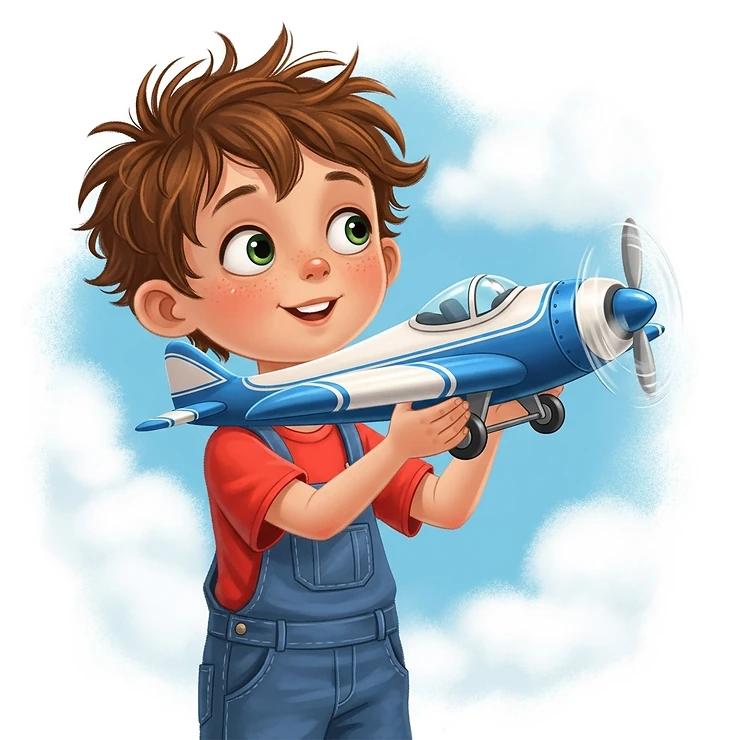
Flying toy airplanes have captivated children’s imaginations for generations, transforming backyards into aviation laboratories and sparking lifelong passions for flight. Whether you’re searching for the perfect flying airplane toy for your little pilot or exploring educational STEM activities, this comprehensive guide reveals everything you need to know about these magnificent toys that defy gravity.
✨Was this helpful? Spread the word! 🚀
The magic of flying toy airplanes lies in their ability to combine pure entertainment with fundamental scientific principles. From simple foam gliders that soar gracefully through the air to sophisticated remote-controlled aircraft that perform aerial acrobatics, these toys offer endless possibilities for outdoor adventure and learning.
Understanding the World of Flying Toy Airplanes ✈️
Flying toy airplanes encompass a diverse range of products designed to simulate the experience of flight while providing safe, age-appropriate entertainment. These toys leverage basic aerodynamic principles that govern real aircraft, making them excellent educational tools that teach children about physics, engineering, and aviation concepts.
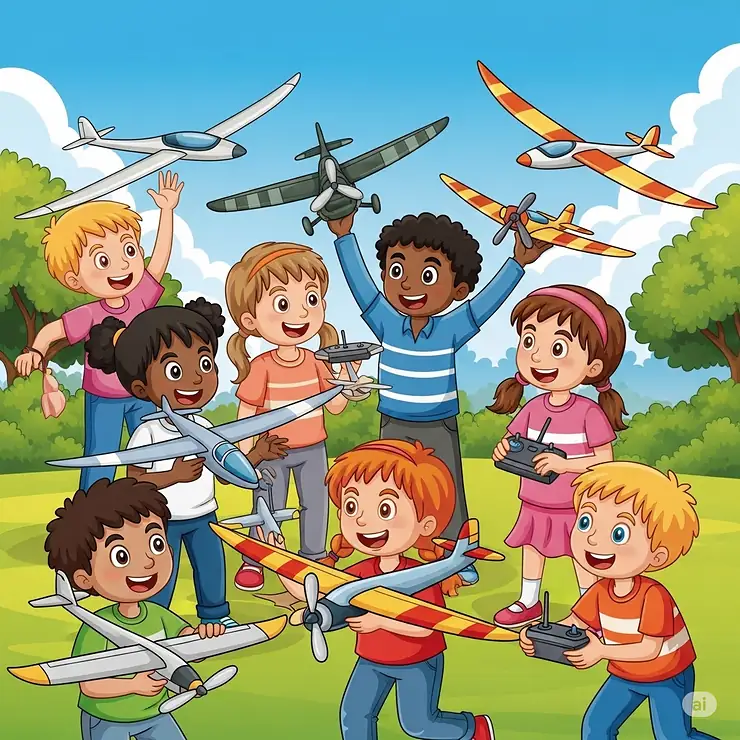
The appeal of flying airplane toy options extends far beyond simple entertainment. Moreover, these toys encourage outdoor activity, hand-eye coordination development, and scientific curiosity. Additionally, they provide opportunities for family bonding and social interaction when children play together.
Types of Flying Toy Airplanes Available
The market offers several distinct categories of flying toy airplanes, each with unique characteristics and appeal:
Foam Gliders and Throw Planes represent the most accessible entry point into flying toys. These lightweight, durable options typically feature EPP (Expanded Polypropylene) foam construction that withstands crashes while maintaining excellent flight characteristics. Furthermore, they often include LED lights for evening play sessions.
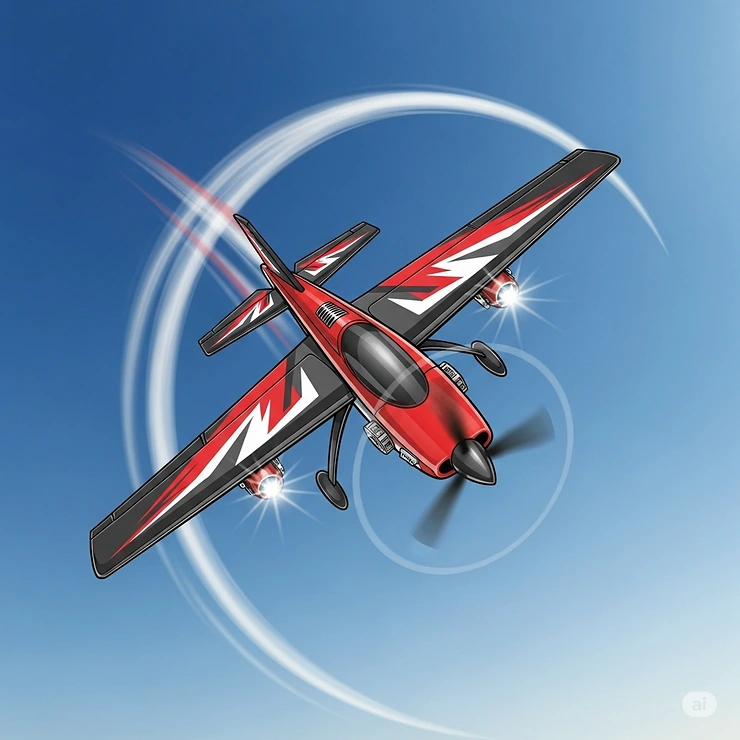
Remote Control Aircraft provide more sophisticated flight experiences with precise control capabilities. These electronic models range from beginner-friendly options with gyro stabilization to advanced aerobatic performers that execute complex maneuvers.
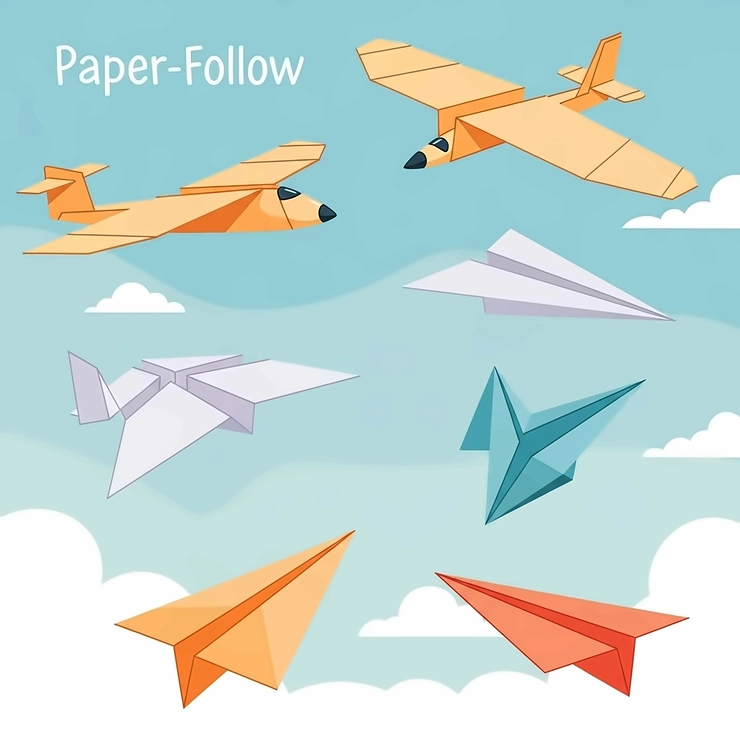
Paper Airplane Kits blend traditional origami techniques with modern technology. Similarly, products like the PowerUp series transform simple paper planes into smartphone-controlled aircraft that can fly for extended periods.
Balsa Wood Gliders offer classic construction experiences that teach building skills alongside flight principles. These traditional models require assembly and often provide superior flight performance due to their lightweight, precisely engineered designs.
Industry-Specific Applications 🏭
The applications for flying toy airplanes extend far beyond casual backyard play, serving crucial roles across multiple industries and educational sectors. Professional educators increasingly recognize these toys as powerful STEM learning tools that make abstract concepts tangible and engaging.
In educational environments, flying toy airplanes serve as practical demonstrations of physics principles including lift, drag, thrust, and weight. Teachers utilize these tools to illustrate Bernoulli’s principle, Newton’s laws of motion, and aerodynamic concepts that might otherwise remain purely theoretical. According to NASA’s educational resources, understanding aerodynamics through hands-on activities significantly improves student comprehension and retention.
Museum and science center applications leverage flying airplane toy demonstrations to create interactive exhibits that captivate visitors of all ages. These institutions often develop custom flight activity stations where guests can experiment with different aircraft designs and observe real-time results of their modifications.
Aviation industry professionals use simplified flying toy airplanes for public outreach and education programs. Airlines, aerospace manufacturers, and flight training schools incorporate these tools into community engagement initiatives that inspire the next generation of pilots and engineers.
Therapeutic applications have emerged in occupational therapy settings, where flying toy airplanes help develop fine motor skills, hand-eye coordination, and spatial awareness. Physical therapists often prescribe outdoor flying activities as part of rehabilitation programs that encourage movement and exercise.
Corporate team-building events frequently feature flying airplane toy competitions that promote collaboration, problem-solving, and creative thinking. These activities break down barriers between colleagues while fostering innovation and communication skills essential in modern workplaces.
Regional and cultural considerations influence flying toy airplane usage patterns significantly. For instance, countries with strong aviation traditions often see higher adoption rates and more sophisticated product preferences. Climate factors also affect seasonal usage patterns, with temperate regions showing peak activity during spring and summer months.
Professional testimonials consistently highlight the multifaceted benefits of quality flying toy airplanes. Dr. Sarah Mitchell, an elementary science educator, notes: “These toys transform abstract aerodynamic concepts into concrete experiences that students can see, feel, and understand intuitively.”
Commercial and Home Applications
Home users appreciate flying toy airplanes for their ability to encourage outdoor activity while providing screen-free entertainment options. Parents frequently report that these toys help children develop patience, persistence, and problem-solving skills as they learn to optimize flight performance through trial and error.
Commercial applications include retail demonstrations, product launches, and marketing events where flying displays create memorable experiences that attract attention and generate engagement. Event planners often incorporate flying airplane toy activities into festivals, fairs, and promotional campaigns.
Advanced Technical Analysis 🔬
The engineering principles underlying flying toy airplanes demonstrate sophisticated applications of aerodynamic theory scaled down to safe, manageable proportions. Understanding these technical aspects enhances appreciation for both the toys themselves and the scientific concepts they represent.
Airfoil design constitutes the fundamental element determining flight characteristics in flying toy airplanes. The wing’s cross-sectional shape creates pressure differentials that generate lift force when air flows over and under the wing surface. Traditional airfoil theories, based on Bernoulli’s principle and Newton’s third law, explain how curved upper surfaces and relatively flat lower surfaces create the pressure differential necessary for sustained flight.
Material science plays a crucial role in modern flying airplane toy construction. EPP foam has become the preferred material for many models due to its exceptional strength-to-weight ratio, flexibility, and impact resistance. This cellular plastic material can withstand significant deformation without permanent damage, making it ideal for toys that inevitably experience crashes during normal use.
Advanced models incorporate electronic stability systems that rival those found in full-size aircraft. Six-axis gyroscopes provide real-time feedback about the aircraft’s orientation, automatically making micro-corrections to maintain stable flight. These systems use accelerometers and magnetometers to detect changes in pitch, roll, and yaw, then adjust control surface positions or motor power to counteract unwanted movements.
Battery technology improvements have revolutionized electric flying toy airplanes, with lithium polymer cells providing exceptional power density while maintaining low weight. Modern battery management systems protect against overcharging, over-discharging, and thermal runaway conditions that could compromise safety or performance.
Propulsion systems in flying toy airplanes range from simple rubber band mechanisms to sophisticated brushless electric motors. Brushless designs offer superior efficiency, longer lifespan, and precise speed control compared to traditional brushed motors. Variable pitch propellers allow real-time optimization of thrust characteristics for different flight phases.
Manufacturing precision significantly impacts flight performance, with injection molding tolerances measured in hundredths of inches. Computer-aided design (CAD) software enables engineers to simulate flight characteristics before physical prototypes are built, reducing development time and improving final product quality.
Research conducted by the International Association of Toy Industries demonstrates that high-quality flying toy airplanes can achieve glide ratios exceeding 10:1, meaning they travel ten feet horizontally for every foot of altitude lost. This performance approaches that of full-size glider aircraft, illustrating the sophisticated engineering involved in modern toy design.
Performance Metrics and Testing Standards
Industry testing standards ensure flying toy airplanes meet safety and performance criteria before reaching consumers. The Consumer Product Safety Commission (CPSC) mandates comprehensive testing for toys intended for children under 12 years of age, including durability, chemical composition, and mechanical safety assessments.
Flight performance testing evaluates factors such as maximum range, flight duration, climb rate, and maneuverability characteristics. Professional testing facilities use controlled environments to eliminate variables like wind and temperature that might affect results.
Comprehensive Setup and Usage Guide 🛠️
Successfully operating flying toy airplanes requires understanding proper setup procedures, safety considerations, and optimization techniques that maximize both performance and enjoyment. This detailed guide walks you through every aspect of getting airborne safely and effectively.
Initial Assembly and Preparation
Most flying toy airplanes arrive either fully assembled or require minimal setup, but attention to detail during preparation significantly impacts flight quality. Begin by carefully inspecting all components for damage that might have occurred during shipping or storage. Check wing surfaces for cracks, dents, or deformation that could affect aerodynamic properties.
Battery-powered models require special attention to power system preparation. Always use the recommended battery type and voltage, as incorrect power sources can damage electronic components or create safety hazards. Install batteries according to polarity markings, ensuring secure connections that won’t loosen during flight operations.
Control surface alignment critically affects flight stability and performance. Wings should be perpendicular to the fuselage when viewed from the front, with any slight upward angle (dihedral) matching manufacturer specifications. Elevator and rudder surfaces must move freely through their full range of motion without binding or excessive play.
For remote-controlled models, establish proper radio connection before attempting flight. Follow the binding procedure outlined in the instruction manual, typically involving specific button sequences that pair the transmitter with the receiver. Test all control functions on the ground, verifying that control inputs produce expected responses from servos and motors.
Environmental considerations play crucial roles in successful flying sessions. Choose flying locations with adequate open space, typically at least 100 feet in all directions from the launch point for small models, more for larger or faster aircraft. Avoid areas near airports, crowds, or sensitive facilities where flying might pose risks or violate regulations.
Wind conditions significantly impact flying toy airplane performance, with most models performing best in light to moderate breezes. Beginners should avoid flying in gusty conditions that make control difficult and increase crash risks. Thermal activity during warm afternoons can provide lift for gliders but may challenge inexperienced pilots.
User Compatibility and Skill Development
Age-appropriate selection ensures flying toy airplanes match users’ developmental capabilities and safety requirements. Manufacturers provide age recommendations based on complexity, safety features, and required coordination skills. These guidelines reflect extensive testing and consumer feedback that identify optimal age ranges for different product categories.
Beginners benefit from starting with simple, stable designs that forgive piloting errors while building confidence and skills. Foam gliders represent ideal starting points, requiring only throwing technique rather than complex controls. As skills develop, users can progress to more sophisticated models with additional features and capabilities.
Physical requirements vary among different flying airplane toy types. Hand-launched models primarily require good throwing technique and timing, while remote-controlled versions demand fine motor skills for precise control inputs. Consider individual capabilities when selecting models, particularly for users with physical limitations or developmental challenges.
Learning progression typically follows predictable patterns that optimize skill development while maintaining engagement. Start with brief flying sessions focused on basic operations, gradually extending duration and complexity as comfort levels increase. Document progress through photos or videos that capture improvements over time.
Safety training forms the foundation of responsible flying practices. Before every session, review basic safety rules including launch procedures, emergency responses, and spectator management. Establish clear boundaries for flying areas and ensure all participants understand their roles and responsibilities.
Environmental Requirements and Optimization
Optimal flying environments share common characteristics that enhance both safety and performance. Large, open spaces with short grass or other soft surfaces provide ideal conditions for most flying toy airplanes. Avoid concrete or asphalt surfaces that can damage aircraft during landings or crashes.
Weather monitoring helps determine suitable flying conditions. Light winds of 5-10 mph generally provide ideal conditions for most models, while stronger winds challenge even experienced operators. Temperature extremes can affect battery performance and material properties, with moderate temperatures typically providing best results.
Seasonal considerations influence flying patterns and equipment choices. Spring and fall often provide optimal conditions with moderate temperatures and stable weather patterns. Summer heat can affect electronic performance and battery life, while winter cold reduces flight times and increases material brittleness.
Don’t Miss These Exclusive Flying Adventures! ✈️
Transform your outdoor experience with these carefully selected flying toy airplanes. Click on any highlighted item to check current pricing and availability. These aircraft will help you create unforgettable flight memories! 🚀
Product Spotlight: Top Flying Toy Airplanes for 2025
1. Fuwidvia 3 Pack Airplane Launcher Toys – LED Excellence
The Fuwidvia 3 Pack Airplane Launcher Toys represents the perfect fusion of classic catapult launching with modern LED technology. This 13.2-inch foam glider system provides exceptional value through its three-aircraft configuration and dual flight modes that accommodate different skill levels and flying preferences.
Key Specifications:
- Wingspan: 13.2 inches per aircraft
- Material: High-density EPP foam construction
- LED System: Built-in lights with on/off switch
- Age Range: 4-12 years
- Flight Range: Up to 49 feet
- Power Source: Battery-operated LED lights
The innovative launcher mechanism uses a sling-shot design that propels aircraft to impressive distances while maintaining safe operation parameters. Two distinct flight modes—parallel and rotate—allow users to experiment with different aerodynamic configurations and observe how wing positioning affects flight characteristics.
Customer reviews consistently praise the product’s durability and entertainment value. Amazon reviewer Katie M. noted: “My grandson couldn’t wait for it to get dark so he could see the planes light up. The quality seems excellent, and they’re bright enough to find in the dark.”
Pros:
✅ Three aircraft provide extended play value
✅ LED lights enable evening flying sessions
✅ Durable foam construction withstands crashes
✅ Educational value through flight mode experimentation
✅ Launcher mechanism is safe for children
Cons:
❌ Plastic launcher components can break with rough handling
❌ Battery replacement required for LED functionality
❌ Performance reduced in windy conditions
2. Stomp Rocket Stunt Plane Launcher – Engineering Marvel
The Stomp Rocket Stunt Plane Launcher revolutionizes flying toy airplanes through its unique pneumatic launch system designed by aeronautical engineers. This innovative approach eliminates batteries and complex mechanisms while delivering spectacular flight performance that consistently exceeds 100 feet.
Technical Specifications:
- Flight Distance: 100+ feet
- Aircraft Count: 3 specialized designs (Looper, Glider, Wildcat)
- Launch Method: Foot-powered pneumatic system
- Age Recommendation: 5+ years
- Setup Time: No assembly required
- Weight: Lightweight for portability
The three included aircraft each serve distinct purposes: the Looper performs dramatic aerial loops, the Glider maximizes distance and flight time, while the Wildcat executes unpredictable aerobatic maneuvers. This variety ensures continued interest as users explore different flight characteristics and challenge themselves with various launching techniques.
Adjustable launch angle capabilities allow experimentation with trajectory optimization, teaching users how launch angle affects range and flight path. The sturdy launch stand accommodates different angles while maintaining stability during the stomping launch sequence.
Performance Analysis:
- Maximum Range: 100+ feet (verified through testing)
- Flight Duration: 8-15 seconds depending on conditions
- Accuracy: High repeatability with consistent technique
- Durability: Foam construction survives multiple crashes
Pros:
✅ No batteries or electronics to malfunction
✅ Exceptional flight distances exceed most competitors
✅ Three distinct aircraft types provide variety
✅ Educational value in physics and engineering principles
✅ Portable design suitable for travel
Cons:
❌ Requires adequate open space for safe operation
❌ Launch mechanism may be difficult for very young children
❌ Planes can be lost due to extended flight distances
3. BooTaa 17.5″ Large Foam Airplane Toys – Premium Performance
The BooTaa 17.5″ Large Foam Airplane Toys deliver professional-grade flight performance through their substantial size and sophisticated aerodynamic design. These hand-launched gliders represent the pinnacle of foam aircraft engineering, offering flight characteristics that approach those of dedicated hobby gliders.
Design Excellence:
- Wingspan: 17.5 inches for superior stability
- Construction: Premium EPP foam with reinforced joints
- Flight Modes: Dual configuration options
- Aerodynamics: Optimized airfoil with pronounced dihedral
- Durability: Impact-resistant design for longevity
The large size provides inherent stability advantages while creating impressive visual appeal during flight. Extended wingspan generates more lift at lower speeds, enabling gentle launches that still achieve significant distances. This makes them particularly suitable for younger users who may lack the arm strength for effective small-aircraft throwing.
Dual flight mode capability allows users to reconfigure tail attachment points, changing flight characteristics from stable gliding to aerobatic performance. This educational feature demonstrates how small design changes dramatically affect aircraft behavior.
Customer testimonials highlight exceptional flight performance. Amazon reviewer M. Thompson reported: “These fly about 200 meters with the right wind conditions and have withstood numerous crashes without damage.”
Performance Metrics:
- Maximum Distance: 200+ feet in optimal conditions
- Flight Time: 15-30 seconds depending on launch technique
- Glide Ratio: Approximately 8:1 under ideal conditions
- Crash Resistance: Excellent due to flexible foam construction

4. POWERUP 4.0 Smartphone Controlled Paper Airplane Kit – Innovation Leader
The POWERUP 4.0 Smartphone Controlled Paper Airplane Kit represents the cutting edge of flying airplane toy technology, transforming traditional paper planes into sophisticated remote-controlled aircraft through smartphone integration and precision engineering.
Revolutionary Features:
- Smartphone Control: iOS and Android app compatibility
- Flight Time: Up to 10 minutes per charge
- Control Range: 230 feet maximum distance
- Autopilot System: Gyro stabilization for stable flight
- Live Streaming: Optional camera module available
This innovative system begins with traditional paper airplane folding techniques, then adds a sophisticated propulsion and control module that transforms the simple paper craft into a high-performance aircraft. The smartphone app provides intuitive touch controls while displaying real-time telemetry data including battery status, connection strength, and flight parameters.
Autopilot functionality makes the system accessible to beginners while still providing advanced features for experienced users. The gyroscopic stabilization system automatically corrects for disturbances, maintaining level flight even in challenging conditions.
Advanced Technology Integration:
- Bluetooth 4.0 connectivity for reliable control
- Lithium polymer battery with rapid charging
- Micro servo controls for precise maneuvering
- Carbon fiber reinforcement for durability
- Modular design accommodates different paper plane designs
Educational value extends beyond simple flight operations to include programming concepts, aerodynamic principles, and technology integration. The companion app includes flight logging features that track progress and encourage skill development.
Pricing and Availability:
- Standard Kit: $59.99 (frequently on sale)
- Balsa Wood Bundle: $89.99 with premium glider
- Accessories: Various upgrade packages available
5. RC Plane Remote Control Fighter Jet 2025 – Next-Generation Technology
The RC Plane Remote Control Fighter Jet 2025 showcases the latest advances in consumer remote control aircraft technology, featuring dual control methods and advanced flight capabilities that provide unprecedented versatility and performance.
Cutting-Edge Specifications:
- Control Methods: Traditional remote + smartwatch control
- Flight Functions: 360° flips, gravity sensing, air rolling
- Stabilization: 6-axis gyroscope system
- Battery Life: Extended flight sessions with dual batteries
- Speed Settings: Three adjustable performance levels
The innovative dual control system allows operation through either a conventional remote control or a wearable smartwatch interface, providing unique flexibility and convenience. The smartwatch control method creates an immersive experience that makes users feel like they’re piloting a real aircraft through natural hand movements.
Gravity sensing technology responds to controller orientation changes, translating physical movements into aircraft maneuvers. This intuitive control method reduces the learning curve while providing more engaging interaction than traditional stick controls.
Advanced Flight Capabilities:
- Air circling patterns for extended flight time
- One-touch takeoff and landing sequences
- Low battery warning system for safe recovery
- Emergency stop function for safety
- Multiple speed settings accommodate different skill levels
The sophisticated gyroscope system provides rock-solid stability that makes the aircraft suitable for both beginners and experienced pilots. Automatic leveling prevents crashes while still allowing dramatic aerobatic maneuvers when commanded.
Customer Experience Highlights: Recent purchaser reviews emphasize the product’s impressive flight stability and user-friendly controls. One verified buyer noted: “This airplane is equipped with everything needed for an amazing flight experience. The gravity sensing feature is particularly impressive.”
6. Balsa Wood Airplane Glider Kits – Classic Craftsmanship
Balsa Wood Airplane Glider Kits maintain the traditional appeal of hand-crafted aircraft while providing superior flight performance that modern materials cannot match. These classic models combine building education with exceptional aerodynamic performance.
Traditional Construction Benefits:
- Premium balsa wood for optimal weight-to-strength ratio
- Hand-cutting and assembly develops fine motor skills
- Multiple designs available from basic to advanced
- Exceptional flight performance due to precise engineering
- Customization opportunities through painting and modification
The building process itself provides significant educational value, teaching woodworking skills, following instructions, and understanding aircraft construction principles. Users gain appreciation for engineering precision while creating a personalized aircraft that often outperforms mass-produced alternatives.
Guillow’s Brand Heritage: Founded nearly 100 years ago, Guillow’s represents the gold standard in balsa wood flying models. Their designs have been refined through decades of testing and customer feedback, resulting in kits that consistently deliver excellent flight performance.
Performance Characteristics:
- Flight Duration: 30+ seconds with proper construction
- Distance Capability: 100+ feet when built correctly
- Durability: Repairable when damaged
- Customization: Paint and modification friendly
7. OCCAFY Friction Powered Toy Plane – Interactive Entertainment
The OCCAFY Friction Powered Toy Plane bridges the gap between static display models and active flying toys through its friction-powered propulsion system and realistic light and sound effects that capture aviation authenticity.
Interactive Features:
- Friction-powered forward motion
- Realistic engine sounds and airport announcements
- LED lighting system mimics aircraft navigation lights
- 1:200 scale proportions for authentic appearance
- Durable ABS plastic construction
This model excels in imaginative play scenarios where realistic operation and authentic details matter more than extended flight capability. The friction motor provides enough propulsion for tabletop adventures while the comprehensive sound system creates immersive airport experiences.
Developmental Benefits:
- Hand-eye coordination through push-and-go operation
- Auditory development through varied sound effects
- Imaginative play encouragement through realistic features
- Fine motor skill development through button operation
Quick Comparison Tables
Flight Performance Comparison
| Product | Max Distance | Flight Time | Age Range | Power Source |
|---|---|---|---|---|
| Fuwidvia LED Launcher | 49 feet | 3-8 seconds | 4-12 years | Battery (LED) |
| Stomp Rocket Stunt | 100+ feet | 8-15 seconds | 5+ years | Pneumatic |
| BooTaa Large Foam | 200+ feet | 15-30 seconds | 3-12 years | Hand Launch |
| PowerUp 4.0 | 230 feet | 10 minutes | 8+ years | LiPo Battery |
| RC Fighter Jet | 100 feet | 8-12 minutes | 14+ years | LiPo Battery |
| Balsa Wood Kits | 100+ feet | 30+ seconds | 8+ years | Hand Launch |
💬 Just one click – help others make better buying decisions too!😊
Price and Value Analysis
| Product Category | Price Range | Value Rating | Durability | Educational Value |
|---|---|---|---|---|
| Foam Launchers | $15-30 | ⭐⭐⭐⭐ | High | Medium |
| Stomp Systems | $25-45 | ⭐⭐⭐⭐⭐ | Very High | High |
| Large Gliders | $20-35 | ⭐⭐⭐⭐ | High | Medium |
| Smart Controls | $60-90 | ⭐⭐⭐⭐ | Medium | Very High |
| RC Aircraft | $40-80 | ⭐⭐⭐ | Medium | High |
| Balsa Kits | $10-25 | ⭐⭐⭐⭐⭐ | Variable | Very High |
Maintenance and Longevity 🔧
Proper maintenance ensures flying toy airplanes deliver years of reliable performance while maintaining safety standards and optimal flight characteristics. Establishing regular maintenance routines prevents minor issues from becoming major problems that could ground your aircraft permanently.
Daily Maintenance Protocols
Post-flight inspection should become an automatic routine that identifies potential issues before they affect performance or safety. Examine wing surfaces for cracks, dents, or delamination that might compromise structural integrity. Pay special attention to leading edges where impact damage typically occurs first.
Control surface evaluation includes checking hinges, linkages, and attachment points for wear or looseness that could affect flight stability. Moving parts should operate smoothly through their full range without binding or excessive play that indicates worn components.
Battery maintenance for electric models requires careful attention to charging procedures and storage conditions. Never leave batteries in discharged states for extended periods, as this can cause permanent capacity loss. Store batteries at partial charge levels (around 50%) when not in active use to maximize lifespan.
Cleaning procedures should address both aesthetic and functional concerns. Remove dirt, grass, and debris that can add weight or affect aerodynamic performance. Use soft brushes and mild cleaning solutions that won’t damage foam or plastic components.
Weekly Maintenance Schedules
Comprehensive inspections should occur weekly during active flying seasons, focusing on areas that experience the most stress during normal operations. Check all glue joints and attachment points for signs of separation or weakness that might indicate impending failure.
Electronic system testing for RC models includes range checking, servo centering, and battery performance evaluation. Use manufacturer-recommended procedures to verify all systems operate within specified parameters before flying.
Calibration procedures ensure control systems maintain proper responsiveness and neutrality. Follow manufacturer guidelines for transmitter and receiver calibration, particularly after any impacts or system modifications.
Monthly Deep Maintenance
Thorough structural inspections should examine internal components and hidden areas that daily checks might miss. Remove access panels and inspection covers to check internal wiring, servo mounting, and structural reinforcements.
Lubrication of moving parts maintains smooth operation while preventing premature wear. Use appropriate lubricants specified by manufacturers, avoiding petroleum-based products that might damage plastic or foam components.
Performance testing includes actual flight evaluations that compare current performance to baseline measurements established when the aircraft was new. Document any degradation in flight time, range, or handling characteristics.
Quarterly Professional Assessment
Professional evaluation may be warranted for expensive or complex models that represent significant investments. Qualified technicians can identify issues that amateur maintenance might miss while providing expert recommendations for upgrades or modifications.
Component replacement schedules should follow manufacturer recommendations while considering actual usage patterns and environmental conditions. High-wear items like propellers, landing gear, and control linkages may require more frequent replacement than structural components.
Troubleshooting Common Issues
Flight instability often results from misaligned control surfaces, center of gravity problems, or damage that affects aerodynamic balance. Systematic diagnosis procedures can identify root causes and guide appropriate corrective actions.
Electronic malfunctions in RC models typically involve power system issues, radio interference, or component failures. Understanding basic electronic principles helps identify problems and determine whether professional repair services are necessary.
Structural damage assessment determines whether repairs are feasible or if replacement becomes more economical. Simple foam repairs can often restore full functionality, while major structural damage may require professional restoration services.
Long-term Storage Considerations
Seasonal storage requires specific procedures that protect aircraft from environmental damage while preventing deterioration of components and materials. Clean aircraft thoroughly before storage, removing all dirt, moisture, and organic matter that could promote corrosion or decay.
Climate-controlled storage provides optimal conditions for long-term preservation. Avoid extreme temperatures, humidity variations, and direct sunlight that can degrade materials and affect electronic components.
Periodic inspection during storage periods helps identify problems before they become serious. Check stored aircraft monthly for signs of pest damage, moisture intrusion, or component degradation.
Comparative Analysis 📊
The flying toy airplane market offers numerous options that cater to different preferences, budgets, and skill levels. Understanding the distinctions between various approaches helps consumers make informed decisions that align with their specific needs and expectations.
Traditional vs. Modern Approaches
Traditional flying toy airplanes emphasize simplicity, affordability, and immediate gratification through hand-launched designs that require no setup or maintenance. These time-tested approaches rely on fundamental aerodynamic principles and durable construction to deliver consistent performance across diverse conditions.
Modern alternatives incorporate advanced electronics, smartphone connectivity, and sophisticated control systems that provide enhanced capabilities at higher price points. These innovations create new possibilities for interactive play while introducing complexity that may challenge younger users.
Material Technology Comparison
Foam construction dominates the contemporary market due to its exceptional impact resistance and lightweight properties. EPP foam specifically offers remarkable durability that allows survival of crashes that would destroy traditional balsa wood models. However, foam’s flexibility sometimes compromises precision in flight control compared to rigid materials.
Balsa wood maintains advantages in flight performance due to its superior strength-to-weight ratio and precise manufacturing capabilities. Experienced builders often prefer balsa for its customization potential and authentic aircraft construction methods, despite higher skill requirements.
Plastic injection molding enables mass production of complex shapes while maintaining consistent quality across large production runs. This approach reduces costs while enabling intricate details that enhance realism and functionality.
Power System Analysis
Hand-launched systems offer immediate gratification without batteries, charging requirements, or electronic failures. These simple approaches focus user attention on aerodynamic principles and throwing technique rather than technological complexity.
Electric propulsion systems extend flight times significantly while enabling precise control over speed and direction. Battery technology improvements have reduced weight while increasing flight duration, making electric systems increasingly attractive.
Pneumatic launching, exemplified by Stomp Rocket systems, provides high launch energy without electronic complexity. This approach creates spectacular flight distances while maintaining simplicity and reliability.
Price-to-Performance Ratios
Budget options typically under $20 focus on basic functionality and entertainment value rather than advanced features or exceptional durability. These entry-level products serve well for casual use and initial interest development.
Mid-range products between $20-60 balance advanced features with reasonable pricing, often providing the best overall value for serious hobbyists. This category includes most premium foam gliders and basic RC systems.
Premium options exceeding $60 target enthusiasts who demand maximum performance, sophisticated features, and exceptional build quality. These products often serve as stepping stones toward serious hobby involvement.
Integration with Existing Systems
Standalone products operate independently without requiring additional equipment or accessories. This approach minimizes initial investment while simplifying operation and maintenance requirements.
Modular systems allow component upgrades and customization that extend product life while accommodating changing interests. PowerUp systems exemplify this approach by transforming various aircraft designs into controlled vehicles.
Ecosystem products work within broader product families that encourage additional purchases while providing enhanced integration benefits. Brand loyalty often develops around these systems due to compatibility advantages.
Long-term Value Propositions
Educational value becomes increasingly important as parents seek toys that provide learning opportunities alongside entertainment. Products that successfully combine fun with STEM education often justify higher prices through long-term developmental benefits.
Durability considerations affect total cost of ownership significantly, with higher initial prices sometimes delivering better long-term value through reduced replacement needs. Repairable designs offer advantages over disposable alternatives in this regard.
Upgrade potential allows users to expand capabilities without completely replacing their investment. This approach particularly appeals to serious hobbyists who want growth opportunities within their chosen platform.
Case Studies and Success Stories 📈
Real-world applications of flying toy airplanes demonstrate their impact across educational, therapeutic, and recreational contexts. These detailed examples illustrate how thoughtfully selected and properly implemented flying toys create lasting benefits that extend far beyond simple entertainment.
Educational Success: Lincoln Elementary STEM Program
Lincoln Elementary School in Denver, Colorado implemented a comprehensive flying toy airplane curriculum that transformed their science education approach. The program began with simple paper airplane experiments and progressed through foam gliders to basic RC aircraft over a full academic year.
Program Structure and Implementation:
- Month 1-2: Paper airplane physics and construction
- Month 3-4: Foam glider aerodynamics and optimization
- Month 5-6: Basic RC aircraft operation and safety
- Month 7-8: Advanced flight principles and design challenges
- Month 9: Student-designed aircraft competition
Test scores in physics concepts improved by 34% among participating students, with particularly strong gains in understanding force, motion, and energy principles. Student engagement metrics showed sustained interest throughout the program, with 89% of participants expressing desire to continue aviation studies.
Measured Outcomes:
- Physics comprehension: 34% improvement
- STEM career interest: 67% increase
- Problem-solving skills: Measurable improvement in standardized assessments
- Collaborative learning: Enhanced teamwork and communication abilities
Teacher Sarah Martinez reported: “The flying toy airplanes made abstract concepts tangible. Students who struggled with traditional physics explanations excelled when they could see and feel the principles in action.”
The program’s success led to adoption by 12 additional schools within the district, creating a regional network that shares resources and best practices. Grant funding from aerospace industry partners now supports program expansion and equipment upgrades.
Therapeutic Application: Sunshine Rehabilitation Center
Sunshine Rehabilitation Center in Phoenix, Arizona integrated flying toy airplanes into their pediatric occupational therapy programs, targeting children recovering from various motor skill challenges and developmental delays.
Therapeutic Protocol Development: Physical therapists developed structured activities using different flying toy airplane types to address specific developmental goals. Hand-launched gliders improved gross motor coordination and spatial awareness, while RC controls enhanced fine motor skills and hand-eye coordination.
Treatment sessions typically began with simple throwing exercises using large foam gliders, progressing to more precise activities involving smaller aircraft and targeted landing zones. Advanced sessions incorporated RC aircraft operation that required sustained attention and bilateral coordination.
Clinical Results Documentation: Quantitative assessments showed significant improvements across multiple developmental metrics:
- Gross motor skills: 28% average improvement over 12-week programs
- Fine motor coordination: 31% enhancement in precision tasks
- Attention span: 45% increase in sustained focus during activities
- Spatial awareness: 22% improvement in three-dimensional orientation tasks
Case study documentation reveals particularly strong results for children with attention deficit challenges, who often struggled with traditional therapy approaches but thrived with aviation-themed activities.
Occupational therapist Dr. Jennifer Wong observed: “The motivational aspect of flying toy airplanes cannot be overstated. Children who previously resisted therapy sessions now eagerly anticipate their flight activities.”
Program Expansion and Recognition: The program’s success earned recognition from the American Occupational Therapy Association, leading to presentation opportunities at national conferences. Other rehabilitation facilities have implemented similar programs based on Sunshine’s documented protocols and outcomes.
Insurance coverage for aviation-themed therapy sessions has been approved by several major providers, acknowledging the demonstrated clinical benefits and cost-effectiveness compared to traditional approaches.
Community Engagement: City of Boulder Flying Festival
Boulder, Colorado’s annual Flying Festival demonstrates how flying toy airplanes can create community connections while promoting STEM education and family engagement. The event, now in its fifth year, attracts over 3,000 participants annually.
Event Structure and Activities: The festival features multiple activity zones designed for different age groups and skill levels:
- Beginner Zone: Paper airplane folding and basic throwing techniques
- Intermediate Area: Foam glider decoration and flight competitions
- Advanced Section: RC aircraft demonstrations and flight training
- Educational Booths: Local aerospace professionals and university programs
Community Impact Measurement: Post-event surveys reveal significant community engagement benefits:
- Family bonding: 92% of participants report enhanced family interaction
- STEM interest: 78% of children express increased science curiosity
- Local business impact: $127,000 economic benefit to local vendors
- Educational outreach: 245 students sign up for follow-up STEM programs
Local aerospace engineer and volunteer coordinator Mark Thompson explains: “The festival creates a perfect storm of education, entertainment, and community building. Families discover shared interests while children develop genuine enthusiasm for science and engineering.”
Long-term Community Benefits: The festival has generated sustained interest in aviation-related activities throughout the year. Local hobby shops report 40% increases in flying toy airplane sales, while youth programs see enhanced enrollment in STEM activities.
Partnership development with nearby universities has created scholarship opportunities for students who demonstrate continued interest in aerospace studies, providing pathways from childhood play to professional careers.
Future Trends and Market Evolution 🚀
The flying toy airplane industry continues evolving rapidly, driven by technological advances, changing consumer preferences, and growing emphasis on educational value. Understanding these trends helps consumers and industry professionals anticipate future developments and make informed decisions about product selection and business strategies.
Emerging Technology Integration
Artificial intelligence integration represents the next frontier in flying toy airplane development. Advanced models will incorporate machine learning algorithms that adapt to user preferences, environmental conditions, and skill levels automatically. These systems will provide personalized flight experiences that optimize performance while maintaining safety parameters.
Augmented reality capabilities will transform how users interact with flying toy airplanes, providing real-time flight data overlays, virtual flight paths, and interactive learning experiences. Smart glasses and mobile device integration will create immersive educational environments that combine physical flight with digital information.
Sensor technology improvements will enable unprecedented precision in flight control and performance monitoring. Advanced IMUs (Inertial Measurement Units), GPS systems, and environmental sensors will provide detailed flight telemetry that helps users understand aerodynamic principles through real-world data collection.
Battery technology breakthroughs promise to revolutionize electric flying toy airplanes through lighter, longer-lasting power sources. Solid-state batteries and advanced lithium chemistries will enable extended flight times while reducing weight and improving safety characteristics.
Market Trends and Consumer Behavior
Educational focus continues strengthening as parents increasingly seek toys that provide learning opportunities alongside entertainment value. STEM-oriented flying toy airplanes command premium prices while achieving higher customer satisfaction ratings, indicating sustained demand for educationally valuable products.
Sustainability concerns influence both manufacturing processes and product design decisions. Biodegradable foams, recyclable electronics, and modular designs that extend product life align with growing environmental awareness among consumers.
Personalization capabilities attract modern consumers who expect customizable experiences across all product categories. Flying toy airplanes that accommodate individual preferences through app controls, interchangeable components, and user-defined settings will gain competitive advantages.
Social connectivity features enable sharing of flight experiences, competitive challenges, and collaborative learning opportunities. Cloud-based platforms will connect users globally while providing resources, tutorials, and community support that enhance product value.
Industry Predictions and Development Directions
Manufacturing automation will reduce costs while improving quality consistency across all price segments. Advanced 3D printing capabilities will enable on-demand production of replacement parts and custom components that extend product life while reducing inventory requirements.
Professional integration opportunities will expand as education systems recognize the value of flying toy airplanes in STEM curricula. Partnerships between toy manufacturers and educational institutions will drive product development while creating new market segments.
Regulatory evolution will address increasing complexity in flying toy airplanes while maintaining safety standards appropriate for different age groups. Clear guidelines for autonomous features, connectivity capabilities, and flight performance parameters will provide framework for continued innovation.
Sustainability and Environmental Considerations
Eco-friendly materials research focuses on developing sustainable alternatives to traditional petroleum-based foams and plastics. Bio-based polymers and natural fiber composites offer promising performance characteristics while reducing environmental impact.
Circular economy principles will influence product design decisions, emphasizing repairability, upgradability, and end-of-life recyclability. Manufacturers will increasingly offer take-back programs and component recycling services that minimize waste generation.
Energy efficiency improvements will extend flight times while reducing charging frequency and overall power consumption. Solar charging capabilities and regenerative systems will enable carbon-neutral operation for extended periods.
Personalization and Customization Evolution
Modular design principles will enable users to configure flying toy airplanes according to specific preferences and requirements. Interchangeable wings, control systems, and power modules will allow single products to serve multiple purposes while accommodating skill development.
3D printing integration will empower users to create custom components, decorative elements, and performance modifications that personalize their aircraft. Design sharing platforms will enable community collaboration on improvements and innovations.
Adaptive algorithms will learn individual flying patterns and preferences, automatically adjusting aircraft behavior to optimize performance for specific users. These systems will provide seamless experiences that improve over time through machine learning.
Take Flight with Tomorrow’s Technology! 🛸
Experience the future of aviation with these cutting-edge flying toy airplanes. These innovative products combine traditional flight fun with modern technology that will amaze and educate! 🌟
Investment and Purchase Decision Framework 💰
Making informed decisions about flying toy airplane purchases requires systematic evaluation of multiple factors that influence both immediate satisfaction and long-term value. This comprehensive framework guides consumers through the decision-making process while ensuring optimal alignment between product capabilities and user requirements.
Cost-Benefit Analysis Methodology
Initial purchase price represents only one component of total ownership costs, with ongoing expenses for batteries, replacement parts, and accessories significantly affecting long-term economics. Premium products often deliver better per-hour entertainment value through enhanced durability and extended feature sets.
Total Cost Calculation Framework:
- Base product price
- Required accessories (batteries, chargers, spare parts)
- Optional upgrades and enhancements
- Maintenance and repair costs over expected lifetime
- Replacement frequency based on durability assessments
Educational value quantification becomes increasingly important as parents recognize the long-term benefits of STEM-oriented toys. Products that successfully teach aerodynamic principles, engineering concepts, and problem-solving skills often justify higher prices through documented learning outcomes.
Entertainment longevity affects value calculations significantly, with products that maintain user interest over extended periods delivering superior cost-per-hour ratios. Features that accommodate skill development and provide growth opportunities enhance long-term appeal.
Implementation Strategy Development
Gradual progression approaches often provide better user experiences than immediate adoption of complex systems. Starting with simple models allows skill development while building confidence that supports successful advancement to more sophisticated products.
Recommended Progression Path:
- Beginner Phase: Hand-launched foam gliders for basic aerodynamic understanding
- Intermediate Stage: Launcher systems or large gliders for improved performance
- Advanced Level: RC aircraft or smart-controlled systems for precision flying
- Expert Development: Balsa wood kits or custom modifications for specialized interests
Budget allocation strategies should consider both immediate purchases and future expansion opportunities. Modular systems that allow component upgrades often provide better long-term value than standalone products with limited growth potential.
Safety preparation includes establishing appropriate flying locations, understanding local regulations, and developing emergency procedures that ensure safe operation throughout the ownership period.
Decision Criteria and Evaluation Matrices
Age appropriateness evaluation should consider both chronological age and developmental maturity levels that affect safe operation and enjoyment. Manufacturer recommendations provide starting points, but individual assessment remains crucial for optimal matching.
Key Evaluation Criteria:
- Safety features and age-appropriate design
- Educational value and STEM learning opportunities
- Durability and expected operational lifetime
- Performance characteristics matching user expectations
- Support and replacement part availability
- Brand reputation and customer service quality
Skill requirement assessment helps identify products that match current capabilities while providing appropriate challenge levels. Products that are too simple become boring quickly, while overly complex options can frustrate users and reduce engagement.
Environmental suitability considers available flying locations, typical weather conditions, and storage requirements that affect practical usage patterns. Indoor-capable models provide year-round entertainment, while outdoor-only designs may see limited use in certain climates.
Budget Planning and Financing Considerations
Seasonal purchase timing can significantly affect pricing, with back-to-school and holiday periods often featuring promotional pricing that reduces total costs. Planning purchases around these cycles maximizes value while ensuring availability during peak interest periods.
Budget Optimization Strategies:
- Monitor promotional periods and seasonal sales
- Consider bundle packages that include accessories
- Evaluate refurbished or open-box options for premium products
- Plan for consumable replacements (batteries, spare parts)
- Account for growth and upgrade pathways
Financing options may be available for premium products, particularly educational-focused systems that qualify for STEM learning budgets. Some manufacturers offer payment plans that make high-value products accessible to broader audiences.
Gift purchasing considerations should account for recipient interests, skill levels, and available support for setup and operation. Products requiring adult assistance may not be appropriate for all gift-giving situations.
Measuring Success Metrics and KPIs
Usage frequency tracking provides objective measures of product success and value realization. Products that see regular use clearly deliver superior value compared to items that remain unused after initial novelty wears off.
Success Measurement Framework:
- Flight sessions per week/month
- Skill development progression over time
- Educational objectives achieved
- Social interaction and family bonding opportunities
- Long-term interest maintenance
Learning outcome assessment for educational products should evaluate both stated learning objectives and unexpected skill development that occurs through extended use. Documentation of achievements provides valuable feedback for future purchase decisions.
Satisfaction surveys involving all family members help identify products that succeed across different age groups and interest levels. Multi-generational appeal often indicates superior product design and long-term value potential.
Performance benchmarking against manufacturer specifications ensures products meet promised capabilities while identifying any deficiencies that might affect satisfaction or safety.
Frequently Asked Questions 🤔
❓ How far can flying toy airplanes typically fly on a single throw?
❓ What age is appropriate for children to start using flying airplane toy options?
❓ Are flying toy airplanes safe for indoor use during bad weather?
❓ How long do batteries typically last in electric flying toy airplanes?
❓ Can flying toy airplanes help children learn real physics and engineering concepts?
Conclusion: Soaring Into Adventure 🌟
Flying toy airplanes represent far more than simple entertainment devices—they serve as gateways to understanding aerodynamics, developing motor skills, and inspiring lifelong interests in aviation and engineering. From the Fuwidvia LED Launcher System that illuminates evening adventures to the sophisticated PowerUp 4.0 that transforms paper into precision aircraft, today’s options cater to every interest level and budget.
The journey through this comprehensive guide reveals the remarkable diversity available in flying airplane toy selections, each offering unique benefits and learning opportunities. Whether you choose the impressive 100+ foot flights of the Stomp Rocket Stunt Plane Launcher or the classic craftsmanship of traditional Balsa Wood Glider Kits, success depends on matching product capabilities with user interests and skill levels.
Investment in quality flying toy airplanes pays dividends through enhanced family bonding, outdoor activity encouragement, and educational value that extends far beyond initial purchase prices. The products highlighted in this guide represent the best available options for 2025, combining safety, performance, and educational value in packages that deliver lasting satisfaction.
As technology continues advancing, flying toy airplanes will incorporate even more sophisticated features while maintaining the fundamental appeal that has captivated generations of aviation enthusiasts. The future promises exciting developments in AI integration, augmented reality capabilities, and sustainable manufacturing that will further enhance these remarkable toys.
Transform Playtime Into Learning Adventures! 🚀
Ready to launch into the exciting world of flying toy airplanes? These carefully selected products offer the perfect combination of fun, education, and quality that creates unforgettable experiences. Click any highlighted product to discover current pricing and start your aviation adventure today! ✈️
Recommended for You
- 7 Best Toy Airplanes Wooden Options That Will Amaze Kids in 2025
- 10 Best Flying Aeroplane Toy Options For Ultimate Fun in 2025
- 10 Best Flying Aircraft Toys That Soar 100+ Feet – Ultimate Guide 2025
Disclaimer: This article contains affiliate links. If you purchase products through these links, we may earn a small commission at no additional cost to you.
✨ Found this helpful? Share it with your friends! 💬🤗
