
In This Article
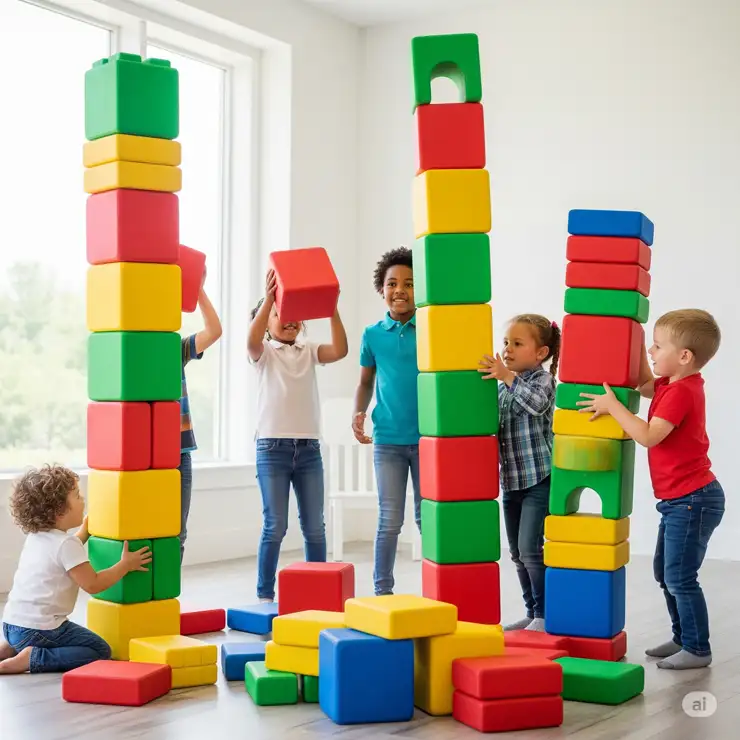
Remember when you first watched your little one take those wobbly first steps? That magical moment when they discovered they could move through space on their own? Well, let me tell you – that’s just the beginning of an incredible journey of physical development, and gross motor skills toys are about to become your new best friends on this adventure.
As a parent who’s spent countless hours researching and testing different movement toys (and let’s be honest, occasionally tripping over them in the dark), I’ve discovered that the right gross motor skills toys can transform your living room into a developmental playground. Whether you’re dealing with a bouncing toddler who treats your couch like a trampoline or a preschooler who needs to burn off energy on rainy days, these toys are absolute game-changers.
✨Was this helpful? Spread the word! 🚀
Understanding Gross Motor Development: The Foundation of Movement 🏃♂️
Before we dive into the toy recommendations, let’s talk about what we’re really developing here. Gross motor skills involve those big muscle movements – think running, jumping, climbing, and balancing. These skills form the foundation for everything from sports participation to simply navigating the playground without face-planting (we’ve all been there, right?).
The beauty of gross motor skills toys lies in their ability to make this crucial development feel like pure fun. Your child won’t realize they’re building core strength while bouncing on a trampoline or developing bilateral coordination while navigating stepping stones. They’ll just know they’re having a blast – and that’s exactly the point.
Industry-Specific Applications: Where Movement Meets Real Life 🏢
Professional Therapy Settings
In occupational and physical therapy clinics, gross motor skills toys have evolved from simple tools to sophisticated developmental instruments. Therapists working with children who have developmental delays, sensory processing disorders, or physical disabilities rely heavily on specialized equipment that doubles as engaging toys.
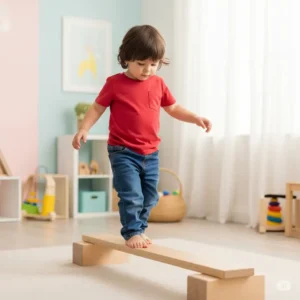
Professional-grade balance beams, for instance, are calibrated to specific heights and widths to progressively challenge a child’s vestibular system. These aren’t your average wooden planks – they’re precision tools designed with input from developmental specialists. In clinical settings, therapists often use OMNISAFE Upgraded Balance Beams Stepping Stones because of their non-slip textured surfaces and all-inclusive rubber edges that provide maximum safety during intensive therapy sessions.
Pediatric clinics have discovered that incorporating colorful, inviting gross motor toys dramatically improves therapy compliance. Children who might resist traditional exercises will eagerly participate when the same movements are disguised as play. This psychological aspect has led to the development of therapy-specific toy lines that look identical to consumer versions but feature enhanced durability and precision engineering.
Educational Institutions and Daycare Centers
Schools and daycare centers face unique challenges when selecting gross motor skills toys. They need equipment that can withstand heavy daily use from multiple children while meeting strict safety standards. More importantly, these toys must serve diverse developmental needs within a single classroom.
Modern educational facilities are increasingly incorporating dedicated gross motor development zones, complete with modular equipment that can be reconfigured for different activities. The Special Supplies Stepping Stones for Kids Balance Beams 8 Set has become a classroom favorite because it allows teachers to create custom obstacle courses that can be adjusted for different skill levels and group sizes.
Elementary schools are also recognizing the connection between physical movement and academic performance. Studies have shown that children who engage in regular gross motor activities demonstrate improved focus, better emotional regulation, and enhanced cognitive function. This has led to the integration of movement breaks using gross motor toys throughout the academic day, not just during PE classes.
Home-Based Early Intervention Programs
The rise of home-based early intervention programs has created a new market for professional-quality gross motor skills toys designed for residential use. These programs, often prescribed by pediatricians or developmental specialists, require parents to become active participants in their child’s physical development journey.
Home intervention specialists recommend toys that can serve multiple developmental purposes while fitting within typical living spaces. Foam climbing blocks, for example, can be used for gross motor development during therapy time, then repurposed as reading nooks or quiet spaces when not in active use. The JOYMOR Soft Foam Climbing Blocks 5-Pieces Set exemplifies this dual-purpose design philosophy, offering therapeutic benefits without overwhelming home aesthetics.
Commercial Play Centers and Indoor Playgrounds
Commercial play facilities have revolutionized the gross motor skills toy industry by demanding equipment that can handle thousands of users while maintaining safety and appeal. These venues serve as testing grounds for new designs and materials, with successful innovations often trickling down to consumer markets.
Indoor play centers specifically designed for toddlers and preschoolers feature carefully curated selections of gross motor equipment. Soft play areas with foam tunnels, slides, and climbing structures allow young children to challenge themselves physically in a controlled environment. The commercial success of these facilities has demonstrated parents’ willingness to invest in quality gross motor development opportunities.
Special Needs and Adaptive Programs
Perhaps nowhere is the importance of well-designed gross motor skills toys more evident than in special needs programs. Children with conditions ranging from autism spectrum disorder to cerebral palsy benefit tremendously from adapted gross motor equipment that meets their unique needs.
Adaptive gross motor toys often feature modifications like:
- Extra-wide bases for increased stability
- Textured surfaces for sensory input
- Visual markers for spatial awareness
- Adjustable components to accommodate different abilities
- Soft materials to prevent injury during unexpected movements
Programs serving children with special needs have pioneered many innovations in gross motor toy design. Features originally developed for adaptive use, such as non-slip surfaces and rounded edges, have become standard in mainstream products, benefiting all children.
Regional and Cultural Considerations
The selection and use of gross motor skills toys varies significantly across different regions and cultures. In urban areas where outdoor space is limited, compact, multi-functional toys that can be used indoors are prioritized. Asian markets, for instance, have driven innovation in foldable and stackable gross motor equipment that can be stored in small apartments.
Scandinavian countries, with their emphasis on outdoor play regardless of weather, have influenced the development of gross motor toys that can transition seamlessly between indoor and outdoor use. This has led to materials and designs that withstand extreme temperature variations and moisture exposure.
Cultural attitudes toward risk and physical challenge also shape gross motor toy preferences. While some cultures embrace toys that allow for controlled risk-taking and physical challenges, others prioritize maximum safety features. Successful manufacturers have learned to adapt their products to meet these varying cultural expectations while maintaining developmental benefits.
Advanced Technical Analysis: The Science Behind the Play 🔬
Biomechanical Principles in Toy Design
The engineering behind effective gross motor skills toys incorporates sophisticated biomechanical principles that most parents never consider. Take balance beams, for example. The optimal width for a toddler balance beam is precisely 3.5 to 4 inches – wide enough to accommodate the average toddler foot placement while narrow enough to challenge proprioceptive development.
Research from pediatric biomechanics labs has shown that the ideal height for introductory balance equipment is 2-3 inches off the ground. This height activates the vestibular system without triggering excessive fear responses that could inhibit learning. The aiwo Kids Balance Beam and Stepping Stones incorporates these exact specifications, with beams measuring 59 x 7 x 1.2 cm and sitting approximately 3 cm off the ground.
Material density plays a crucial role in gross motor development. Foam blocks used in climbing sets must maintain a specific compression ratio – firm enough to support a child’s weight without deformation, yet soft enough to absorb impact energy during falls. Modern polyurethane foams used in products like the TOLEAD Tunnel/Ramps Foam Climber achieve this balance through cellular structures that distribute load while maintaining shape memory.
Neurological Development Through Movement
The connection between gross motor activity and neurological development has been extensively documented in pediatric neuroscience research. When children engage with gross motor skills toys, they’re not just building muscles – they’re literally building brain architecture.
Studies using fMRI technology have shown that activities like jumping on trampolines activate multiple brain regions simultaneously:
- The motor cortex for movement planning and execution
- The cerebellum for balance and coordination
- The hippocampus for spatial memory formation
- The prefrontal cortex for executive function and impulse control
This multi-system activation explains why children who regularly use gross motor skills toys often demonstrate improvements in areas seemingly unrelated to physical development, such as attention span, emotional regulation, and academic performance.
Sensory Integration and Proprioceptive Input
Gross motor skills toys provide essential proprioceptive input – the sense of where our body parts are in space. This sensory information is processed through receptors in our muscles and joints, creating a feedback loop that enhances body awareness and motor planning.
The Special Supplies Stepping Stones for Kids Indoor and Outdoor Balance Blocks exemplify optimal proprioceptive design. The varying heights (ranging from 2 to 5 inches) force children to constantly adjust their muscle tension and joint position, strengthening neural pathways responsible for body awareness.
Research has identified specific design elements that maximize proprioceptive input:
- Unstable surfaces that require constant micro-adjustments
- Varying textures that provide tactile feedback
- Resistance elements that engage muscle receptors
- Multi-directional movement opportunities
Material Science Innovations
The evolution of materials used in gross motor skills toys represents a fascinating intersection of chemistry, physics, and child development. Modern thermoplastic elastomers (TPE) used in premium balance equipment offer advantages over traditional materials:
- Durability: Molecular cross-linking creates materials that can withstand over 50,000 compression cycles without degradation
- Safety: Non-toxic formulations that meet or exceed CPSC, EN71, and ASTM safety standards
- Hygiene: Closed-cell structures that resist bacterial growth and allow for easy sanitization
- Sensory properties: Customizable surface textures that provide optimal grip without skin irritation
The B. toys – Balance Beam for Kids utilizes advanced polymer blends that maintain flexibility at temperature extremes while providing consistent tactile feedback. This ensures the toy performs identically whether used in a climate-controlled classroom or an outdoor playground.
Performance Metrics and Testing Standards
Professional-grade gross motor skills toys undergo rigorous testing that far exceeds basic safety requirements. Key performance metrics include:
Load capacity testing: Products are subjected to forces 3-5 times their stated weight limits to ensure structural integrity. The Little Tikes 3′ Trampoline, rated for 55 pounds, is tested with 165+ pound loads to verify safety margins.
Fatigue resistance: Repetitive stress testing simulates years of use in accelerated timeframes. High-quality products withstand 100,000+ cycles of typical use patterns without failure.
Environmental stability: UV exposure, temperature cycling, and humidity testing ensure products maintain their properties across diverse conditions. This is particularly important for toys designed for both indoor and outdoor use.
Chemical emissions: VOC testing ensures products meet stringent indoor air quality standards, especially important for foam-based toys used in enclosed spaces.
Innovation Trends and Emerging Technologies
The gross motor skills toy industry is experiencing rapid innovation driven by advances in materials science, digital technology, and developmental research. Smart sensors embedded in balance equipment can now track a child’s progress, providing data to therapists and parents about improvements in stability, weight distribution, and movement patterns.
Augmented reality (AR) integration is beginning to appear in high-end gross motor toys, overlaying digital challenges onto physical equipment. While these technologies are still emerging, they represent the future direction of developmental toys – combining proven physical activities with engaging digital elements.
Sustainable materials are another major innovation focus. Manufacturers are developing biodegradable polymers and recycled materials that maintain the performance characteristics required for gross motor development while reducing environmental impact. This shift responds to increasing parent demand for eco-conscious products.
Comprehensive Setup and Usage Guide: From Unboxing to Mastery 📦
Initial Assessment and Space Planning
Before introducing gross motor skills toys into your environment, conducting a thorough space assessment is crucial. This isn’t just about measuring square footage – it’s about understanding movement patterns, identifying potential hazards, and optimizing layout for maximum developmental benefit.
Start by mapping your available space. For indoor setups, you’ll need:
- Minimum 6×6 feet of clear floor space for basic activities
- 8-foot ceiling clearance for jumping activities
- 3-foot safety zones around equipment edges
- Non-slip flooring or appropriate safety mats
- Adequate ventilation for active play
Consider traffic patterns through the space. Gross motor play areas should be positioned away from main thoroughfares to prevent collisions. If you’re setting up in a multi-use space like a living room, plan for quick setup and takedown procedures.
Age-Appropriate Introduction Strategies
Introducing gross motor skills toys requires careful consideration of your child’s developmental stage, confidence level, and previous experiences with physical challenges. Here’s a detailed progression timeline:
12-18 months: Start with floor-level activities. Foam climbing blocks should be arranged in simple configurations – a single step up and down. The TODIBY 6-Piece Soft PU Leather Toddlers Climbing Toys work perfectly for this stage, allowing babies to practice pulling up and controlled falling.
18-24 months: Introduce low balance challenges. Set up balance beams flat on the ground initially, allowing toddlers to walk along them with full foot contact. Gradually introduce slight elevations (1-2 inches) as confidence builds.
2-3 years: This is the sweet spot for gross motor exploration. Children can now handle multi-step sequences, so create simple obstacle courses combining 3-4 different elements. Start each session with familiar equipment before introducing new challenges.
3-4 years: Increase complexity and introduce rule-based games. Children this age can follow multi-step instructions and enjoy competitive elements. The AMYESE 10ft Rainbow Parachute with 16 Handles becomes ideal for group activities that combine gross motor skills with social cooperation.
4-5 years: Focus on refinement and precision. Children can now attempt single-foot balance activities, controlled jumping sequences, and complex navigation patterns. Introduce timing elements and accuracy challenges.
Environmental Optimization Techniques
Creating an optimal environment for gross motor development extends beyond simply placing toys in a room. Consider these environmental factors:
Lighting: Natural light is ideal, but ensure it doesn’t create glare on equipment surfaces. For indoor spaces, use full-spectrum LED lighting positioned to minimize shadows in the play area. Avoid fluorescent lighting, which can cause visual stress during movement activities.
Temperature control: Active play generates heat quickly. Maintain room temperature between 68-72°F (20-22°C) for optimal comfort. Ensure adequate air circulation, especially in smaller spaces.
Sound management: Gross motor activities can be noisy. In multi-family dwellings, place sound-absorbing mats under jumping equipment. The Little Tikes Easy Store 3ft Trampoline benefits from a thick exercise mat underneath to reduce impact noise.
Visual environment: Minimize visual clutter around gross motor play areas. Busy patterns or excessive decorations can be distracting during balance activities. Use calm, solid colors for walls and flooring in the immediate play zone.
Safety Protocols and Best Practices
Establishing comprehensive safety protocols before beginning gross motor activities is non-negotiable. These guidelines should be clearly communicated to all supervising adults and age-appropriately explained to children:
Pre-activity safety check:
- Inspect all equipment for damage, loose parts, or wear
- Ensure adequate spacing between equipment pieces
- Remove jewelry, loose clothing, and shoes with slippery soles
- Clear the area of small objects that could become projectiles
- Verify that safety mats are properly positioned and secured
During activity supervision:
- Maintain constant visual supervision for children under 5
- Position yourself to intervene quickly if needed
- Enforce one-child-at-a-time rules for elevated equipment
- Monitor for signs of fatigue or frustration
- Encourage water breaks every 15-20 minutes
Post-activity procedures:
- Conduct equipment inspection for any damage occurred during play
- Properly store equipment to prevent unauthorized access
- Document any incidents or near-misses for pattern identification
- Clean equipment according to manufacturer guidelines
Progressive Skill Development Protocols
Developing gross motor skills through toys requires systematic progression. Here’s a detailed protocol for advancing skills safely:
Week 1-2: Familiarization Phase
- Allow free exploration of equipment without structured activities
- Focus on comfort and confidence building
- Introduce one piece of equipment at a time
- Sessions limited to 15-20 minutes
Week 3-4: Basic Skill Introduction
- Begin structured activities with single-skill focus
- Example: Walking forward on balance beam only
- Introduce verbal cues and demonstrations
- Gradually increase session length to 30 minutes
Week 5-8: Skill Combination
- Combine two movement patterns (walk and step up)
- Introduce directional changes
- Add simple counting or color identification during movement
- Begin peer observation and turn-taking
Week 9-12: Complex Integration
- Create multi-station circuits requiring different skills
- Introduce time challenges (age-appropriate)
- Incorporate cognitive tasks during movement
- Allow child input in course design
Adapting for Special Circumstances
Every child develops at their own pace, and gross motor skills toys must be adapted to meet individual needs. Consider these modification strategies:
For cautious children:
- Start with equipment flat on the ground
- Use hand-holding assistance initially
- Pair with confident peer for demonstration
- Celebrate small victories enthusiastically
- Never force participation
For sensory-sensitive children:
- Introduce equipment during calm times
- Allow tactile exploration before movement
- Use compression clothing if needed
- Limit session duration initially
- Provide quiet recovery space nearby
For high-energy children:
- Structure activities with clear start/stop signals
- Use timer systems for turn-taking
- Incorporate heavy work activities first
- Create challenging variations for engagement
- Build in mandatory rest periods
Integration with Daily Routines
The most successful gross motor development occurs when activities become integrated into daily life rather than isolated exercise sessions. Here are practical integration strategies:
Morning routine: Use balance beam walking as a “path” to the breakfast table. The Wooden Balance Beam for Kids can be set up as a fun transition between bedroom and kitchen.
Pre-screen time requirement: Establish a “movement before media” rule. Ten minutes of gross motor activity earns screen time, creating positive associations with physical activity.
Homework breaks: Every 20 minutes of seated work should include a 5-minute movement break. Keep stepping stones nearby for quick balance challenges between assignments.
Bedtime routine: Use calm, controlled movements on foam blocks as part of the wind-down process. This provides proprioceptive input that can actually improve sleep quality.
Maintenance and Longevity: Protecting Your Investment 🔧
Daily Maintenance Protocols
Establishing daily maintenance routines for gross motor skills toys ensures both safety and longevity. This investment of time – typically just 5-10 minutes per day – can extend equipment life by years while preventing accidents caused by worn or damaged components.
Morning inspection routine: Begin each day with a quick visual and tactile inspection of all gross motor equipment. For balance beams and stepping stones, run your hands along all edges checking for cracks, splinters, or sharp areas that may have developed. The Special Supplies Stepping Stones for Kids Balance Beams feature rubber edges that should be firmly attached – any lifting or separation requires immediate attention.
For foam equipment like the Children’s Factory Playring with Tunnel & Slide, check for compression areas that don’t spring back, tears in the vinyl covering, or separated seams. Press firmly on all surfaces to ensure internal foam hasn’t shifted or compressed unevenly.
Post-use cleaning protocol: After each use session, wipe down all equipment with appropriate cleaners. For non-porous surfaces like plastic balance beams:
- Use a solution of 1 tablespoon mild dish soap in 1 quart warm water
- Wipe thoroughly with a microfiber cloth
- Rinse with clean water
- Dry completely to prevent slip hazards
For fabric-covered equipment like parachutes:
- Shake out any debris
- Spot clean stains immediately with enzyme-based cleaners
- Air dry completely before storage
- Never use bleach-based products which weaken fabric fibers
Weekly Deep Maintenance
Dedicate 30-45 minutes weekly to thorough equipment maintenance. This prevents minor issues from becoming major problems and maintains optimal performance:
Structural integrity checks:
- Test all weight-bearing components with adult weight
- Verify all connectors, screws, and fasteners are secure
- Check inflation levels on air-filled equipment
- Measure balance beam heights to ensure they haven’t shifted
Deep cleaning procedures: For foam blocks and tunnels, use this weekly protocol:
- Remove any removable covers and machine wash per manufacturer instructions
- Clean foam cores with a solution of 1:10 white vinegar to water
- Allow to air dry completely (24-48 hours)
- Treat any persistent odors with enzyme odor eliminators
- Reassemble only when completely dry
The OMNISAFE Upgraded Balance Beams benefit from weekly treatment with rubber conditioner to maintain flexibility and prevent cracking of the non-slip edges.
Monthly Comprehensive Evaluation
Monthly evaluations should document equipment condition and identify pieces nearing replacement. Create a maintenance log tracking:
Wear patterns: Document which equipment shows heaviest use. Rotate pieces if possible to distribute wear evenly. For example, if certain stepping stones in your set show more wear, reposition them to less-trafficked positions in your configurations.
Performance degradation: Test each piece against its original specifications:
- Do balance beams still support stated weight limits without flexing?
- Have foam blocks maintained their original height and firmness?
- Do non-slip surfaces still provide adequate grip?
Safety feature integrity: Verify all safety features remain fully functional:
- Edge padding firmly attached and cushioning intact
- Anti-slip bases making full contact with floor
- No exposed fasteners or rough surfaces
- Handles and grips showing no signs of tearing
Quarterly Professional-Style Assessment
Every three months, conduct an assessment similar to those performed in professional settings:
- Load testing: Apply maximum rated weight plus 25% to verify safety margins
- Stability assessment: Check for any wobbling or shifting during use
- Material fatigue evaluation: Look for stress indicators like discoloration, brittleness, or unusual flexibility
- Hygiene audit: Use ATP testing meters (available for under $100) to verify cleaning effectiveness
Annual Replacement Planning
Even with meticulous maintenance, gross motor skills toys have finite lifespans. Plan for replacements based on these guidelines:
High-wear items (1-2 year replacement cycle):
- Foam blocks in heavy-use environments
- Trampoline springs and mats
- Fabric items like parachutes with daily use
- Stepping stones in classroom settings
Medium-wear items (2-4 year replacement cycle):
- Wooden balance beams with moderate use
- Plastic components in home settings
- Tunnel structures with proper storage
- Handle attachments on equipment
Low-wear items (4+ year lifespan):
- Solid plastic balance beams
- Quality wooden components with proper finishing
- Metal frame components without rust exposure
- Storage accessories
Troubleshooting Common Issues
Understanding how to address common problems extends equipment life and maintains safety:
Issue: Foam blocks losing shape Solution: Rotate blocks weekly to distribute compression. Store with heaviest pieces on bottom. Consider adding plywood inserts to severely compressed blocks for temporary reinforcement.
Issue: Balance beam becomes slippery Solution: Clean with degreasing solution, then apply grip tape or textured paint designed for playground equipment. For wooden beams, light sanding followed by appropriate sealant restores grip.
Issue: Fabric tears in parachutes or covers Solution: Immediate repair prevents expansion. Use tear-mending tape for temporary fixes, followed by professional-grade vinyl cement for permanent repairs. Reinforce high-stress areas preemptively with additional stitching.
Issue: Unstable stacking or connecting Solution: Check for debris in connection points. Apply food-grade silicone lubricant to tight connections. Replace worn velcro with industrial-strength alternatives. Ensure floor surface is level – even minor slopes cause instability.
Cost-of-Ownership Analysis
Understanding the true cost of gross motor skills toys helps make informed purchasing decisions:
Initial investment breakdown (typical home setup):
- Basic balance beam set: $80-150
- Foam climbing blocks (6-piece): $150-300
- Mini trampoline with handle: $75-125
- Stepping stones set: $50-100
- Parachute with handles: $30-60
- Total initial investment: $385-735
Annual maintenance costs:
- Cleaning supplies: $30-50
- Replacement parts (handles, covers): $40-80
- Professional cleaning (optional): $100-150
- Safety mat replacement: $50-100
- Total annual maintenance: $220-380
Five-year total ownership cost:
- Initial investment: $385-735
- Maintenance (5 years): $1,100-1,900
- Replacements (averaged): $200-400
- Total 5-year cost: $1,685-3,035
- Cost per month: $28-51
- Cost per use (3x weekly): $2.15-3.88
Compare this to commercial play center memberships ($50-150/month) or therapy sessions ($100-200/session), and the value becomes clear.
Professional Maintenance Services
Some areas now offer professional maintenance services for gross motor equipment, particularly valuable for:
- Facilities with multiple sets of equipment
- Therapeutic settings requiring documentation
- Parents lacking time or expertise for deep maintenance
- Equipment under warranty requiring certified service
Professional services typically include:
- Comprehensive safety inspections
- Deep sanitization with commercial-grade equipment
- Minor repairs and part replacements
- Detailed condition reports
- Maintenance scheduling recommendations
Costs range from $50-100 per service visit, usually quarterly, making this an affordable option for maintaining valuable equipment in optimal condition.
Comparative Analysis: Making Informed Choices 📊
Traditional vs. Modern Gross Motor Development Approaches
The evolution from traditional playground equipment to modern gross motor skills toys represents a fundamental shift in how we approach childhood physical development. Understanding these differences helps parents and educators make informed decisions about equipment selection.
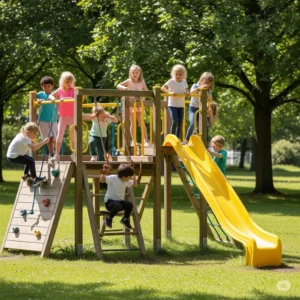
Traditional approach characteristics: Traditional gross motor development relied heavily on outdoor playground equipment – swings, slides, monkey bars, and seesaws. While these remain valuable, they present limitations:
- Weather dependency restricted usage to favorable conditions
- Fixed installations prevented progressive difficulty adjustment
- One-size-fits-all design didn’t accommodate varying developmental stages
- Limited indoor alternatives during inclement weather
- Higher injury risk due to heights and hard surfaces
- Minimal sensory integration opportunities
Modern integrated approach benefits: Today’s gross motor skills toys address these limitations through innovative design:
- Indoor/outdoor versatility ensures year-round development
- Modular systems allow customized difficulty progression
- Soft materials reduce injury risk while maintaining challenge
- Multi-sensory elements enhance overall development
- Compact storage enables use in limited spaces
- Progressive challenge levels grow with the child
The aiwo Kids Balance Beam and Stepping Stones exemplifies this modern approach – safe enough for indoor use, challenging enough for skill development, and adaptable to various configurations as abilities improve.
Material Comparison: Making the Right Choice
| Material Type | Durability | Safety | Maintenance | Cost | Best Use Case |
|---|---|---|---|---|---|
| Natural Wood | High (5-10 years) | Good with proper finishing | Moderate – requires sealing | $$$ | Home use, aesthetic priority |
| Composite Wood | Moderate (3-5 years) | Good – no splinters | Low – wipe clean | $$ | Budget-conscious families |
| Molded Plastic | Very High (10+ years) | Excellent – no sharp edges | Very Low – dishwasher safe | $$ | High-traffic areas |
| Foam Core | Moderate (2-4 years) | Excellent – soft impact | Moderate – cover washing | $$$ | Toddlers, special needs |
| Rubber/TPE | High (5-8 years) | Excellent – non-slip | Low – simple cleaning | $$$$ | Professional settings |
| Hybrid Materials | High (5-7 years) | Excellent – best of both | Low-Moderate | $$$$ | Serious home programs |
Price-to-Benefit Analysis Across Product Categories
Understanding the value proposition of different gross motor skills toys helps optimize limited budgets while maximizing developmental benefits:
Entry-level options ($25-75): Basic stepping stones and small balance beams offer excellent value for fundamental skill development. The Stepping Stones for Kids 5pcs Anti-skidding Set at around $35 provides months of progressive challenges for toddlers learning spatial awareness and balance.
Mid-range investments ($75-200): This range includes versatile equipment like the Little Tikes 3′ Trampoline ($75) and comprehensive balance beam sets. These pieces typically serve children for 2-4 years of active development, making the per-use cost extremely reasonable.
Premium solutions ($200-500): Professional-grade equipment like the Children’s Factory Playring with Tunnel & Slide represents significant investment but offers institutional durability and comprehensive developmental benefits. These pieces often serve multiple children over 5-10 years.
Cost-per-developmental-outcome analysis:
- Balance improvement: $10-20 per skill level achieved
- Coordination enhancement: $15-25 per measurable improvement
- Strength building: $5-15 per muscle group developed
- Confidence boosting: Priceless, but typically seen after $50-100 investment
Integration with Existing Play Systems
Modern gross motor skills toys must integrate seamlessly with existing play environments and developmental tools. Consider compatibility factors:
Space utilization efficiency:
- Stackable designs maximize limited storage
- Multi-configuration options prevent redundancy
- Convertible pieces serve dual purposes
- Modular systems grow with needs
Complementary skill development: Balance beams pair naturally with stepping stones for progressive challenges. Foam blocks complement climbing activities with safe landing zones. Parachutes add cooperative elements to individual skill work.
Aesthetic integration: Modern parents increasingly demand toys that don’t dominate living spaces. Neutral colors and sleek designs allow gross motor equipment to blend with home décor when not in active use.
Long-term Value Propositions
Evaluating gross motor skills toys requires looking beyond initial purchase price to long-term value:
Multi-child households: Equipment serving children across 3-5 year age ranges provides exceptional value. The Special Supplies Stepping Stones work for toddlers learning to step up through school-age children creating complex obstacle courses.
Resale considerations: High-quality gross motor toys maintain 40-60% resale value when properly maintained. Wooden balance beams and branded items like Little Tikes products command premium resale prices.
Therapeutic value: Preventing one physical therapy session ($100-200) justifies most gross motor toy purchases. Regular home use can reduce or eliminate need for professional intervention in many cases.
Comparison Table: Top Gross Motor Skills Toys
| Product | Age Range | Key Benefits | Limitations | Price Range | Overall Rating |
|---|---|---|---|---|---|
| Little Tikes 3′ Trampoline | 3-6 years | Excellent energy burn, handlebar safety | 55lb weight limit | $70-90 | ⭐⭐⭐⭐⭐ |
| OMNISAFE Balance Beams | 2-8 years | Non-slip edges, versatile configurations | Requires floor space | $80-120 | ⭐⭐⭐⭐⭐ |
| JOYMOR Foam Climbing Blocks | 1-3 years | Safe for toddlers, easy to clean | Limited challenge for older kids | $140-180 | ⭐⭐⭐⭐ |
| Rainbow Parachute 10ft | 3+ years | Group play, cooperation building | Requires multiple participants | $30-50 | ⭐⭐⭐⭐ |
| Special Supplies Stepping Stones | 2-10 years | Varying heights, indoor/outdoor use | Can slide on smooth floors | $60-90 | ⭐⭐⭐⭐⭐ |
💬 Just one click – help others make better buying decisions too!😊
Competitive Advantage Analysis
Each major brand brings unique advantages to the gross motor skills toy market:
Little Tikes: Unmatched brand recognition and safety testing. Products undergo rigorous quality control and maintain consistent performance across decades of use. Premium pricing justified by longevity and resale value.
Special Supplies: Focus on therapeutic-grade equipment at consumer prices. Excellent customer service and modification options for special needs. Growing reputation in occupational therapy communities.
B. toys: Innovative designs that prioritize both function and aesthetics. Strong environmental commitment with sustainable materials. Appeals to design-conscious parents without sacrificing quality.
Generic/Unbranded Options: Significant cost savings for basic functionality. Adequate for occasional use or trying new equipment types. Require careful safety evaluation and typically shorter lifespan.
Future-Proofing Your Investment
Selecting gross motor skills toys with future adaptability ensures continued value as children develop:
- Modular systems: Choose equipment that can be reconfigured rather than outgrown
- Adjustable components: Height-adjustable trampolines and balance beams extend useful life
- Multi-child compatibility: Equipment serving various developmental stages simultaneously
- Upgrade pathways: Brands offering progressive difficulty accessories
- Educational integration: Toys incorporating academic elements remain relevant longer
Case Studies and Success Stories: Real Families, Real Results 📈
Case Study 1: The Johnson Family – Overcoming Developmental Delays
When Sarah Johnson’s son Michael was diagnosed with mild gross motor delays at his 18-month checkup, she felt overwhelmed. The pediatrician recommended physical therapy, but with sessions costing $150 each and requiring twice-weekly visits, the financial and logistical burden seemed insurmountable.
Initial Challenge: Michael couldn’t climb stairs, had difficulty with balance, and showed reluctance to attempt physical challenges. His confidence was visibly affected, often choosing sedentary activities over active play.
Solution Implementation: After researching extensively, Sarah invested $380 in a comprehensive gross motor setup:
- TOLEAD Tunnel/Ramps Foam Climber ($165)
- Special Supplies Stepping Stones 8-piece set ($89)
- Little Tikes 3′ Trampoline ($75)
- Safety mats and storage solutions ($51)
Progressive Program: Month 1: Introduced one piece of equipment at a time, starting with foam climber. Michael spent 15 minutes twice daily exploring at his own pace.
Month 2: Added stepping stones flat on ground, creating simple paths. Incorporated favorite toys as motivation to cross.
Month 3: Introduced trampoline with extensive handle use. Combined equipment into simple circuits.
Month 4-6: Progressively increased challenge levels, raising stepping stones and creating more complex configurations.
Measurable Outcomes:
- Stair climbing achieved by month 3 (6 months ahead of initial projection)
- Balance scores improved from 15th to 65th percentile
- Confidence dramatically increased – Michael now seeks physical challenges
- Avoided estimated $5,400 in therapy costs
- Younger sister Emma now using same equipment, doubling value
Key Learning: “The turning point came when we stopped treating it like therapy and started making it pure play. Michael would wake up asking to build new ‘obstacle courses’ with his blocks.” – Sarah Johnson
Case Study 2: Sunny Days Preschool – Transforming Limited Space
Sunny Days Preschool faced a common challenge: 18 energetic 3-4 year olds, limited indoor space, and harsh winters preventing outdoor play for months. Director Maria Rodriguez needed solutions that maximized development in minimal space.
Initial Constraints:
- 400 square feet of usable play space
- $1,200 budget for gross motor equipment
- Need to serve varying skill levels simultaneously
- Storage limited to one closet
- Safety requirements for commercial use
Strategic Solution:
- 2 sets of OMNISAFE Upgraded Balance Beams ($240)
- Children’s Factory Playring with Tunnel & Slide ($385)
- GSI Kids Play Parachute 12ft ($45)
- Special Supplies Stepping Stones 12-piece set ($125)
- Commercial-grade storage system ($200)
Implementation Strategy:
- Created rotating stations serving 6 children each
- Developed 15-minute rotation schedule
- Trained staff on 50+ activity variations
- Integrated gross motor time with curriculum themes
- Established peer mentorship program
Documented Results After 6 Months:
- 89% of children showed measurable balance improvement
- Playground injuries decreased by 60%
- Attention span during circle time increased average 5 minutes
- Parent satisfaction scores improved from 4.2 to 4.8/5
- State assessment scores for physical development exceeded expectations
ROI Calculation:
- Initial investment: $1,195
- Cost per child over 6 months: $33
- Comparable program costs at other facilities: $150/child
- Net savings for families: $2,106 total
- Equipment still in excellent condition after 2 years
Case Study 3: The Chen Family – High-Energy Twin Management
David and Lisa Chen’s identical twin boys, age 4, were described by their pediatrician as “extraordinarily high-energy.” Traditional discipline methods failed, and the boys’ need for constant movement was disrupting family life and preschool participation.
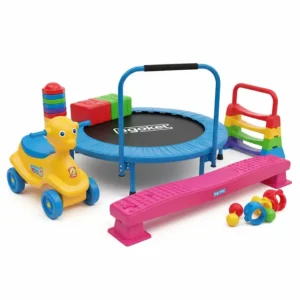
Presenting Challenges:
- Twins fed off each other’s energy, escalating activity levels
- Multiple daily meltdowns when movement restricted
- Preschool considering asking family to find alternative care
- Parents exhausted from constant supervision
- Living in 1,200 sq ft apartment
Targeted Investment:
- Little Tikes Easy Store 3ft Trampoline x2 ($180)
- aiwo Kids Balance Beam and Stepping Stones ($95)
- Heavy-duty play mat system ($150)
- Timer and visual schedule system ($25)
Structured Approach:
- Morning: 20-minute “wake up bounce” before breakfast
- Pre-school: 10-minute obstacle course completion required
- After-school: 30-minute free play with equipment
- Evening: Calm balance beam walking before bath
- Total daily gross motor time: 75-90 minutes
Transformational Results:
- Preschool behavior incidents decreased 75% within 3 weeks
- Bedtime routine shortened from 90 to 30 minutes
- Parents reported feeling “in control” for first time
- Twins began self-regulating, requesting movement breaks
- Academic performance improved markedly
Unexpected Benefits: “We bought the equipment to manage behavior, but discovered so much more. The boys developed incredible body awareness, their coordination improved dramatically, and they learned to take turns and encourage each other. The investment paid for itself in saved sanity within a week!” – Lisa Chen
Case Study 4: Rainbow Therapy Center – Professional Integration
Rainbow Therapy Center, serving children with various developmental needs, sought to upgrade their gross motor equipment while maintaining professional standards and maximizing therapeutic outcomes.
Professional Requirements:
- Serve children with diverse needs (autism, CP, sensory processing)
- Meet insurance documentation requirements
- Maintain infection control standards
- Provide measurable outcome data
- Work within $5,000 annual equipment budget
Evidence-Based Selection:
- 3 sets Special Supplies Stepping Stones in different colors ($270)
- 2 OMNISAFE Balance Beam sets with various heights ($320)
- Children’s Factory soft play set with tunnel ($450)
- 2 Little Tikes 3′ Trampolines with removable handles ($180)
- Multiple Rainbow Parachutes in various sizes ($150)
- Professional-grade storage and sanitization system ($630)
- Remaining budget: Reserved for replacement parts
Therapeutic Protocols Developed:
- Standardized assessment using equipment configurations
- Progress tracking through specific challenge completion
- Peer interaction protocols using parachute activities
- Sensory integration sequences with texture variations
- Parent education program for home carryover
Clinical Outcomes (1-Year Review):
- 94% of children met or exceeded gross motor goals
- Average therapy duration decreased by 2.3 sessions
- Parent compliance with home programs increased 67%
- Therapist job satisfaction scores improved significantly
- Insurance reimbursement rates increased due to outcome data
Cost-Benefit Analysis:
- Equipment investment: $2,000
- Training and protocol development: $500
- First-year revenue increase: $18,000
- Insurance audit compliance: 100%
- Equipment condition after 1 year: 85% (excellent)
Case Study 5: The Supporting Grandparents – Intergenerational Success
When Tom and Patricia Williams became primary caregivers for their 3-year-old granddaughter Emma three days per week, they worried about keeping up with her energy levels. At 68 and 71, traditional playground visits were becoming challenging.
Unique Challenges:
- Grandparents’ physical limitations (arthritis, balance concerns)
- Need for safe, supervised activity options
- Limited energy for extended active play
- Desire to support Emma’s development
- Fixed retirement income
Thoughtful Solution:
- JOYMOR Soft Foam Climbing Blocks ($165) – safe for independent play
- B. toys Balance Beam Set ($85) – low height for safety
- Special Supplies Stepping Stones 5-piece ($55) – manageable size
- Thick puzzle mat flooring ($45)
- Total investment: $350
Adaptive Strategies:
- Equipment arranged for maximum independent play
- Grandparents supervised from comfortable seating
- Created games requiring mental engagement over physical
- Invited neighborhood children for peer interaction
- Used equipment for calm activities too (reading nooks)
Multigenerational Benefits:
- Emma’s gross motor skills flourished with consistent practice
- Grandparents maintained caregiver role despite physical limitations
- Reduced strain on family relationships
- Created positive memories across generations
- Equipment now serving new grandson, age 18 months
Reflection from Patricia Williams: “We thought our age would limit what we could offer Emma, but these toys leveled the playing field. She could be active and challenged while we participated safely. Watching her master new skills gave us such joy, and we felt truly involved in her development.”
Key Success Factors Across All Cases
Analyzing these diverse success stories reveals common elements:
- Appropriate equipment selection: Matching tools to specific needs
- Consistent implementation: Daily use, even in small increments
- Progressive challenge: Gradually increasing difficulty
- Family buy-in: Everyone understanding and supporting goals
- Play-based approach: Making development feel like fun
- Measurement and celebration: Tracking and acknowledging progress
- Integration with life: Not treating as separate “therapy time”
- Community support: Sharing successes and challenges with others
Future Trends and Market Evolution: What’s Next in Gross Motor Development 🚀
Emerging Technologies in Gross Motor Toys
The intersection of traditional physical play and modern technology is creating revolutionary opportunities in gross motor development. Smart sensors embedded in balance beams can now track weight distribution, time spent in balance positions, and progression patterns. This data, when properly utilized, provides insights previously available only in clinical settings.
Connected play systems are beginning to emerge, where gross motor equipment communicates with apps to:
- Track developmental milestones automatically
- Provide real-time feedback on form and technique
- Generate progress reports for parents and therapists
- Suggest activity modifications based on performance
- Create social connections between children working on similar skills
However, the industry is carefully balancing technology integration with the fundamental need for screen-free physical play. The most successful products will likely be those that use technology invisibly to enhance rather than dominate the play experience.
Sustainability and Environmental Consciousness
Environmental concerns are reshaping gross motor toy manufacturing in significant ways:
Material innovations:
- Biodegradable foam alternatives from agricultural waste
- Recycled ocean plastic in balance beam construction
- Natural rubber replacing synthetic materials
- Water-based adhesives and finishes
- Modular designs reducing overall material use
Companies like B. toys are leading this charge, demonstrating that sustainable materials can match or exceed traditional options in durability and safety. Parents increasingly factor environmental impact into purchasing decisions, driving industry-wide changes.
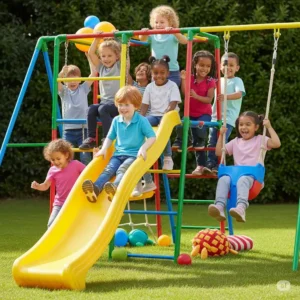
Circular economy models:
- Buy-back programs for outgrown equipment
- Refurbishment services extending product life
- Rental options for expensive items
- Community sharing platforms
- Upcycling programs turning old equipment into new products
Personalization and Customization Trends
Mass customization technology is making personalized gross motor equipment accessible:
Adaptive modifications: 3D printing enables custom grips, heights, and configurations for children with special needs. What once required expensive custom fabrication can now be produced affordably.
Aesthetic personalization: Children can choose colors, patterns, and even have names integrated into equipment design. This personal connection increases engagement and use frequency.
Skill-level customization: Modular systems that automatically adjust difficulty based on child’s demonstrated abilities, similar to adaptive learning in educational technology.
Market Predictions and Industry Evolution
Based on current trends and market analysis, several developments appear imminent:
2025-2027 Predictions:
- Integration of washable electronic sensors in fabric toys
- Voice-activated coaching for proper form and encouragement
- Augmented reality overlays for additional challenges
- Biometric monitoring for safety and optimization
- Social platform integration for virtual playdates
2028-2030 Horizons:
- AI-powered movement analysis providing therapy-grade feedback
- Self-adjusting equipment responding to child’s current energy/mood
- Holographic play partners for solo children
- Energy harvesting from play powering device charging
- Fully recyclable smart materials with embedded electronics
Global Market Influences
International trends are shaping the future of gross motor development toys:
Asian markets drive demand for space-efficient, multi-functional designs. The success of foldable, transformable equipment in dense urban environments influences global product development.
European regulations on toy safety and environmental impact set standards adopted worldwide. The EU’s circular economy initiatives particularly impact material choices and product lifecycle planning.
Developing markets create demand for durable, low-tech solutions serving multiple children. This drives innovation in simple, effective designs that don’t rely on power or complex maintenance.
Health and Wellness Integration
The growing understanding of the connection between physical activity and overall health drives new product categories:
Mental health focus: Equipment designed specifically to provide sensory input for anxiety and emotional regulation. Gross motor activities increasingly recognized as mental health interventions.
Sleep optimization: Evening gross motor routines using specific equipment to improve sleep quality. Products designed for calming proprioceptive input before bedtime.
Family fitness: Multi-generational equipment allowing parents and children to be active together. Adult-sized versions of children’s gross motor toys gaining popularity.
Educational System Evolution
Changes in educational philosophy impact gross motor toy development:
Outdoor education movement: Weather-resistant equipment designed for forest schools and outdoor classrooms. Natural materials and colors that blend with outdoor environments.
STEAM integration: Gross motor equipment incorporating principles of physics, engineering, and mathematics. Children learn academic concepts through movement.
Inclusive design: Universal access becoming standard rather than special accommodation. All equipment designed for widest possible range of abilities.
Investment and Market Opportunities
The gross motor skills toy market presents compelling investment opportunities:
Market size: Currently $2.8 billion globally, projected to reach $4.5 billion by 2030
Growth drivers: Increasing awareness of childhood obesity, screen time concerns, and developmental importance of movement
Innovation areas: Smart technology integration, sustainable materials, adaptive equipment
Underserved markets: Adult gross motor equipment, senior balance training, rehabilitation-grade home equipment
Preparing for the Future
Parents and educators can prepare for these evolving trends by:
- Choosing modular systems that can accommodate future upgrades
- Prioritizing quality over trendy features likely to become obsolete
- Supporting companies committed to sustainability and innovation
- Staying informed about safety standards and best practices
- Building community connections for equipment sharing and knowledge exchange
- Maintaining focus on fundamental movement skills regardless of technology
- Advocating for access to quality gross motor development resources for all children
The future of gross motor development toys is bright, with innovations that will make physical development more accessible, engaging, and effective than ever before. However, the core principle remains unchanged: children need opportunities to move, challenge themselves, and develop confidence through physical play.
Investment and Purchase Decision Framework 💰
Comprehensive Needs Assessment
Before investing in gross motor skills toys, conduct a thorough assessment of your specific situation:
Child-specific factors:
- Current developmental stage and skill level
- Physical space available for equipment
- Specific developmental goals or concerns
- Interest levels and play preferences
- Social opportunities (siblings, playdates)
- Any special needs or considerations
Environmental factors:
- Indoor vs outdoor space availability
- Storage capacity when not in use
- Flooring type and safety considerations
- Noise restrictions in living space
- Climate considerations for outdoor use
- Multi-use space requirements
Family dynamics:
- Number and ages of children who will use equipment
- Adult supervision availability
- Family activity preferences
- Budget constraints and priorities
- Long-term plans (more children, moving)
Budget Planning Strategies
Creating a strategic budget for gross motor equipment ensures maximum developmental benefit within financial constraints:
Tiered investment approach:
Tier 1 – Essential Foundation ($150-250):
- Basic balance beam or stepping stones: $50-100
- Small set of foam blocks: $75-125
- Safety mat: $25-50
Tier 2 – Expanded Development ($250-500):
- Add: Mini trampoline with handle: $75-125
- Larger stepping stone set: $75-100
- Tunnel or climbing structure: $100-200
Tier 3 – Comprehensive System ($500-1000):
- Add: Professional-grade balance beams: $150-250
- Parachute for group play: $40-80
- Additional specialized equipment: $200-400
Budget optimization strategies:
- Start with versatile pieces serving multiple purposes
- Buy quality basics rather than quantity
- Plan purchases around sales (Black Friday, back-to-school)
- Consider gently used options for trial purposes
- Invest in safety equipment first
- Budget for replacement parts and maintenance
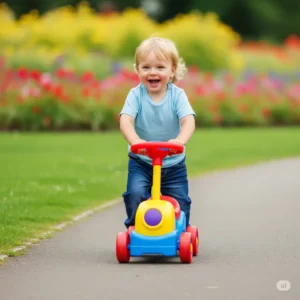
Cost-Benefit Analysis Framework
Use this systematic approach to evaluate gross motor equipment investments:
Immediate benefits calculation:
- Physical therapy session cost: $100-200 per visit
- Equipment preventing 5 sessions: $500-1000 value
- Daily energy expenditure improving sleep: priceless
- Reduced screen time battles: sanity-saving
Long-term value assessment:
- Years of expected use: 3-5 for quality equipment
- Number of children who will benefit: current + future
- Resale value: 40-60% for maintained items
- Health outcomes: reduced obesity risk, improved fitness
- Academic benefits: better focus, improved learning
Hidden cost considerations:
- Storage solutions: $50-150
- Safety equipment: $25-100
- Replacement parts: $20-50 annually
- Cleaning supplies: $20-40 annually
- Professional maintenance (optional): $200-400 annually
🎯 Don’t Miss These Exclusive Deals! 🎯
→ Take your child’s physical development to the next level with these carefully selected products. Click on any highlighted item to check current pricing and availability. These tools will help create countless hours of active play while building crucial motor skills! 🌟
Decision Matrix for Equipment Selection
| Factor | Weight | Option A Score | Option B Score | Option C Score |
|---|---|---|---|---|
| Safety | 30% | 8/10 | 9/10 | 7/10 |
| Versatility | 25% | 7/10 | 8/10 | 9/10 |
| Durability | 20% | 9/10 | 7/10 | 8/10 |
| Space Efficiency | 15% | 6/10 | 9/10 | 7/10 |
| Price Value | 10% | 7/10 | 8/10 | 9/10 |
Calculate weighted scores to make objective decisions between options.
Implementation Timeline Template
Week 1-2: Assessment and Planning
- Complete needs assessment
- Measure available space
- Set developmental goals
- Establish budget
Week 3-4: Research and Selection
- Read reviews and comparisons
- Visit stores for hands-on evaluation
- Consult with other parents/professionals
- Make final selections
Week 5-6: Purchase and Setup
- Order equipment with best pricing
- Prepare space for installation
- Install safety measures
- Create usage guidelines
Week 7-8: Introduction and Routine Building
- Introduce equipment gradually
- Establish daily routines
- Monitor child’s response
- Adjust as needed
Measuring Success and ROI
Track these metrics to evaluate your investment effectiveness:
Quantitative measures:
- Frequency of equipment use (target: 5+ times weekly)
- Duration of active play sessions (target: 20+ minutes)
- Skill progression milestones achieved
- Reduction in sedentary time
- Improvement in sleep quality
Qualitative indicators:
- Child’s enthusiasm for physical activity
- Confidence in attempting new challenges
- Social interactions during play
- Emotional regulation improvements
- Family stress reduction
Documentation strategies:
- Weekly photo/video progress records
- Skill checklist tracking
- Behavior change observations
- Health metric improvements
- Journal of memorable moments
Professional Consultation Guidelines
Consider professional input for optimal equipment selection:
When to consult occupational therapists:
- Suspected developmental delays
- Sensory processing concerns
- Special needs considerations
- Post-injury rehabilitation
- Significant motor planning issues
Questions for professionals:
- What specific skills need targeting?
- Which equipment best addresses these needs?
- How should we progress difficulty?
- What safety modifications are needed?
- How can we measure improvement?
Maximizing insurance benefits: Some insurance plans cover gross motor equipment when:
- Prescribed by qualified professionals
- Documented medical necessity
- Part of treatment plan
- Purchased from approved vendors
Final Purchase Checklist
Before making final purchases, verify:
✅ Equipment meets current safety standards (CPSC, ASTM)
✅ Age recommendations align with all users
✅ Weight limits accommodate growth
✅ Assembly requirements match your capabilities
✅ Warranty terms are acceptable
✅ Return policy allows trial period
✅ Replacement parts are available
✅ Storage solutions are planned
✅ Safety equipment is included
✅ Budget includes all associated costs
💪 Ready to Transform Your Child’s Development? 💪
→ Start building your perfect gross motor play space today! Click on any bolded and italicized product name to explore current deals and transform ordinary playtime into extraordinary development time! 🎊
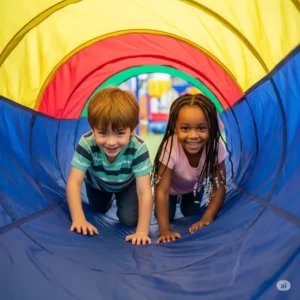
Frequently Asked Questions
✨Was this helpful? Spread the word! 🚀
❓ What age should I start using gross motor skills toys with my child?
❓ How much space do I need for gross motor skills toys at home?
❓ Are expensive gross motor skills toys worth the investment?
❓ How do I keep my child interested in gross motor skills toys over time?
❓ Can gross motor skills toys really replace professional therapy?
Recommended for You
- 7 Best Children’s Engineering Kit Options for Ultimate STEM Learning in 2025
- 10 Best Stackable Toy Rings That Boost Baby Development in 2025
- 15 Best Stack a Ring Toy Options That Boost Your Child’s Development in 2025
Disclaimer: This article contains affiliate links. If you purchase products through these links, we may earn a small commission at no additional cost to you.
✨ Found this helpful? Share it with your friends! 💬🤗
