
In This Article
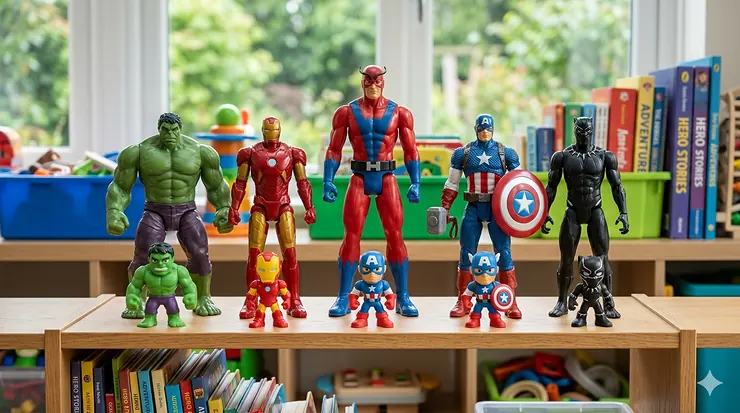
Every parent remembers that first superhero toy that sparked endless adventures. Marvel action figures for kids have evolved dramatically since the days of stiff, single-pose figures. Today’s offerings blend premium articulation, authentic character details, and innovative play features that transform simple toys into vehicles for imagination.
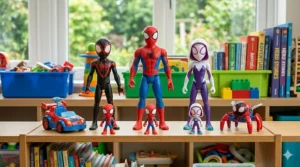
What most buyers overlook is how dramatically these figures vary in quality and purpose. The $10 budget option sitting next to the $30 collector’s piece aren’t just different in price—they represent entirely different play experiences. The 4.5-inch ActionVerse line prioritizes accessory compatibility and portability for younger children who need figures they can carry everywhere. Meanwhile, the 12-inch Titan Hero Series delivers that commanding presence kids crave when staging epic battles across the living room floor.
The real question isn’t which Marvel action figures to buy, but which ones match your child’s actual play style. A six-year-old obsessed with recreating movie scenes needs different features than an eight-year-old building a display shelf. Understanding these distinctions saves you from the disappointment of buying a “collectible” your child can’t actually play with, or a basic figure that breaks after two weeks of backyard adventures. This guide walks through seven proven options across every price point and play scenario, helping you choose figures that’ll still be creating stories months from now.
Quick Comparison: Marvel Action Figures at a Glance
| Figure Line | Size | Articulation | Best For | Price Range |
|---|---|---|---|---|
| Titan Hero 6-Pack | 12-inch | 5-7 points | Display & epic battles | $30-$40 |
| Legends Spider-Man | 6-inch | 20+ points | Collectors & detailed posing | $25-$30 |
| ActionVerse Captain America | 4.5-inch | 9 points | Younger kids & portability | Around $10 |
| Legends Venom | 6-inch | 20+ points | Premium collectors | $25-$30 |
| Titan Hero Spider-Man | 12-inch | 11 points | Beginners & size impact | $11-$15 |
| ActionVerse Iron Man | 4.5-inch | 9 points | Accessory play systems | Around $10 |
| Titan Hero Thor | 12-inch | Multiple points | Movie fans & roleplay | $12-$18 |
Looking at this comparison, the Titan Hero 6-Pack delivers unbeatable value if you’re building a collection from scratch—six iconic characters for roughly the price of two premium Legends figures. However, collectors should note that the 12-inch scale sacrifices poseability for visual impact. The Legends line remains the gold standard for detail-obsessed kids who want every web line and armor panel screen-accurate, while ActionVerse figures shine for families managing multiple children who share toys—the accessory storage racks prevent the dreaded “lost tiny shield” scenario.
💬 Just one click — help others make better buying decisions too! 😊
Top 7 Marvel Action Figures for Kids: Expert Analysis
1. Marvel Titan Hero Series Action Figure Multipack (6 Figures, 12-Inch)
This six-figure set delivers instant gratification for kids who want a complete team ready for battle. Standing 12 inches tall, these comics-inspired figures include Spider-Man, Captain America, Iron Man, Thor, Captain Marvel, and Black Panther—essentially the core Avengers roster in one purchase.
The real-world advantage here isn’t just the value proposition, though getting six figures in the $30-$40 range beats buying individually. What parents actually appreciate is the consistency—all figures share the same 12-inch scale and similar articulation (5-7 points), which means your child can stage battles without jarring size mismatches. The oversized format creates commanding presence on shelves when not in play, and the limited articulation actually increases durability for rougher play sessions compared to hyper-articulated collector pieces.
Customer feedback consistently highlights how these become the “daily drivers” in toy rotations. The size makes them easy for kids ages 4 and up to manipulate without frustrating small-parts challenges. However, parents of children transitioning from preschool toys sometimes note the figures feel lighter than expected—Hasbro prioritizes safety and cost efficiency over heft, which means you’re getting hollow construction rather than solid plastic.
Pros:
✅ Complete team coverage in one purchase
✅ Consistent 12-inch scale eliminates size confusion
✅ Durable enough for active outdoor play
Cons:
❌ Limited poseability compared to premium lines
❌ Hollow construction feels less substantial
Price range: around $30-$40. Best value pick for families starting fresh or parents buying for birthdays where impact matters more than articulation details.
2. Hasbro Marvel Legends Series Spider-Man (6-Inch Retro Collection)
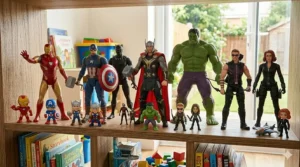
The Legends line represents Hasbro’s premium tier, and this Spider-Man figure shows exactly why collectors and discerning kids gravitate toward it. At 6 inches with 20+ points of articulation, this isn’t a toy—it’s a poseable display piece that happens to withstand play.
What the spec sheet won’t tell you is how the articulation transforms storytelling. Ball-jointed shoulders, swivel thighs, and double-jointed knees let kids recreate that iconic Spider-Man crouch or wall-crawling pose straight from comic panels. The figure also includes multiple accessories, typically alternate hands and web effects, which elevates play beyond basic action figure smashing. Kids who’ve graduated from basic figures immediately notice the difference in hand sculpting and paint applications—this is where Marvel licensing meets actual craftsmanship.
Customer reviews from parents reveal interesting patterns: kids under 7 sometimes struggle with the complexity, accidentally popping joints during aggressive play. But children 8 and up who understand “display and play” balance treat these as prized possessions. The retro packaging adds nostalgia value for adult collectors buying for their kids, though the cardboard backing gets discarded within seconds of unboxing.
Pros:
✅ Museum-quality articulation and detail work
✅ Accessories enhance storytelling potential
✅ Holds value for future collecting
Cons:
❌ Small joints can pop out during rough play
❌ Premium price excludes budget-conscious buyers
Price range: around $25-$30. Ideal for kids who treat figures as both toys and collectibles, or parents building long-term collections.
3. AVENGERS Marvel ActionVerse Captain America (4.5-Inch with Accessories)
Hasbro’s ActionVerse line solves a problem most parents don’t realize exists until toy accessories start disappearing into couch cushions. This Captain America figure comes with six detachable accessories—shield, jetpack, and more—all mounted on a reusable storage rack that snaps back together after play.
The 4.5-inch scale hits a sweet spot for younger collectors ages 4-6 who need figures they can actually grip and manipulate. Nine points of articulation provides enough poseability for basic action poses without the frustration of tiny ball joints. What makes ActionVerse genuinely clever is the cross-compatibility—accessories work across the entire line, so your child’s Iron Man repulsor effects can attach to Captain America if the story demands it.
Parents appreciate the storage rack innovation more than kids initially realize. Instead of hunting for microscopic shields, everything clicks back into the frame when playtime ends. The translucent accessories catch light in appealing ways, and the figure quality exceeds what you’d expect at this price point. Customer feedback notes these figures travel well—the size fits perfectly in car cup holders or jacket pockets for restaurant waiting periods.
Pros:
✅ Accessory storage rack prevents lost pieces
✅ Cross-compatible with entire ActionVerse ecosystem
✅ Budget-friendly for building collections
Cons:
❌ Smaller scale limits display impact
❌ Paint apps can be inconsistent on budget tier
Price range: around $10. Perfect for parents managing multiple children or building extensive rosters without breaking budgets.
4. Hasbro Marvel Legends Series Venom (6-Inch Collectible)
Venom represents everything compelling about the Legends line condensed into one figure. The sculpt captures that menacing, alien-symbiote aesthetic with texture details most kids don’t consciously register but subconsciously appreciate. Premium articulation lets you pose Venom in that signature hunched, predatory stance that defines the character.
What parents might not anticipate is how this becomes the “villain” centerpiece in most play scenarios. Every hero needs a credible threat, and Venom’s imposing design and larger-than-expected bulk (the figure uses a bigger base body than standard Legends) makes him the perfect adversary. The figure typically includes alternate hands and sometimes tongue or head accessories, giving kids options for different threat levels in their stories.
Customer experiences reveal this figure often becomes the gateway into Legends collecting. Kids who receive Venom as a gift suddenly want matching-quality Spider-Man and other figures, which can surprise budget-conscious parents. The paint application on Venom’s white spider symbol and teeth requires careful quality checking—some production runs show inconsistency, though major retailers typically handle exchanges smoothly.
Pros:
✅ Menacing design creates compelling villain option
✅ Larger base body delivers shelf presence
✅ Detailed sculpting rewards close examination
Cons:
❌ Can trigger collecting obsession in kids
❌ Paint app quality varies between production runs
Price range: around $25-$30. Best for kids who already own hero figures and need that perfect antagonist, or Venom enthusiasts specifically.
5. Marvel Spider-Man Titan Series Action Figure (12-Inch)
This classic red-and-blue Spider-Man figure represents the Titan Hero Series at its most straightforward. Eleven points of articulation gives kids enough movement to recreate web-swinging poses, while the 12-inch scale delivers that satisfying heft when staging rooftop battles.
What makes this particular figure a perennial recommendation is the price-to-size ratio. In the $11-$15 range, you’re getting a full-foot-tall Spider-Man that commands attention whether displayed on shelves or incorporated into backyard rescue missions. The design draws from classic Marvel Comics rather than specific movies, which gives it timeless appeal—this Spider-Man works equally well for kids who discovered the character through cartoons, films, or comic books.
Customer feedback from parents of younger children (ages 4-6) highlights how this scale builds confidence. Smaller figures frustrate kids still developing fine motor control, but this Spider-Man they can actually pose and manipulate successfully. The durability exceeds expectations for the price point—these figures survive drops from bunk beds and backyard adventures that would shatter more delicate collectibles. However, the paint apps remain basic, and detail-oriented kids notice the webbing pattern isn’t as intricate as premium alternatives.
Pros:
✅ Timeless classic design works across media
✅ Size builds confidence for younger children
✅ Exceptional durability for active play
Cons:
❌ Basic paint applications lack fine detail
❌ Limited articulation compared to smaller premium figures
Price range: around $11-$15. Ideal first “real” action figure for kids transitioning from preschool toys, or budget-conscious parents seeking maximum visual impact.
6. AVENGERS Marvel ActionVerse Iron Man (4.5-Inch with Accessories)
Iron Man’s ActionVerse figure showcases why this line resonates with tech-obsessed kids. Five translucent blue accessories—including repulsor cannons and thruster effects—create that signature armored-hero aesthetic, and the nine points of articulation let kids nail those classic flying poses.
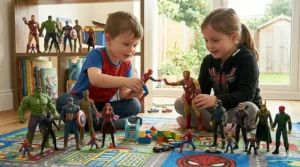
The genius of this figure lies in what happens when you combine it with other ActionVerse toys. Hasbro designed the entire ecosystem around mixing and matching, so kids naturally start experimenting—”What if Iron Man’s repulsors attach to Captain America’s shield?” This kind of creative customization mirrors how children actually play, building their own narratives rather than recreating predetermined scenes.
Parents report these figures excel in group play scenarios. Multiple children can share ActionVerse figures without the territorial battles that plague more expensive collectibles—at around $10 each, kids understand these are meant for active use rather than shelf preservation. The storage rack feature becomes especially valuable in classrooms or playgroups where toy organization determines whether playtime ends in cleanup chaos or smooth transitions.
Pros:
✅ Translucent effects create premium visual appeal
✅ Encourages creative accessory mixing
✅ Group-play friendly at accessible price
Cons:
❌ Smaller scale can feel underwhelming solo
❌ Translucent plastic shows fingerprints easily
Price range: around $10. Best for building ActionVerse ecosystems or parents seeking affordable options that still deliver play value.
7. Marvel Avengers Titan Hero Series Thor (12-Inch with Stormbreaker)
Thor’s Titan Hero figure capitalizes on the character’s recent cinematic popularity while maintaining that classic superhero aesthetic. The included Stormbreaker accessory immediately elevates play value—kids recognize the weapon from Thor: Love and Thunder and similar appearances, creating instant story hooks.
What distinguishes this Thor from generic 12-inch figures is the costume detailing. While not reaching Legends-level precision, the figure captures Thor’s armored appearance with molded textures that give visual interest beyond flat paint. Multiple articulation points let kids achieve basic hammer-wielding poses, and the figure’s height makes it an imposing presence when displayed alongside other Marvel heroes.
Customer experiences highlight how this becomes the “power character” in most play scenarios. Thor’s combination of size, recognizable weapon, and godly status means kids naturally cast him as the heavy hitter who turns battles. Parents buying for Thor enthusiasts appreciate the movie-accurate design elements, though purists note the figure blends comic and cinematic aesthetics rather than committing to one source material. The Stormbreaker accessory is large enough that younger children rarely lose it, which solves the eternal missing-accessory problem.
Pros:
✅ Iconic Stormbreaker weapon included
✅ Movie-inspired design appeals to MCU fans
✅ Imposing presence in team displays
Cons:
❌ Mixed comic/movie aesthetic may not satisfy purists
❌ Limited to Thor enthusiasts rather than broad appeal
Price range: around $12-$18. Perfect for Thor-specific fans or parents seeking that last addition to round out an Avengers team.
How to Choose the Right Marvel Action Figures: Expert Framework
Selecting the right marvel action figures for kids requires moving beyond the “looks cool” impulse that drives most purchase decisions. I’ve watched countless parents grab the flashiest package only to return it when their child never removes it from the box or breaks it within days. The selection process should start with honest assessment of your child’s actual play patterns rather than what you imagine they’ll do with the toy.
First, consider the play-to-display ratio. Does your child actively manipulate toys during storytelling, or do they prefer arranging figures in scenes that remain static? Active players need durability over detail—the 12-inch Titan Hero Series survives drops and rough handling that would destroy premium Legends figures. Meanwhile, kids who treat toys as three-dimensional art projects benefit from the superior articulation and paint applications of 6-inch collector-grade options, even if those figures cost three times more.
Second, evaluate collection momentum. Buying a single 4.5-inch ActionVerse figure seems economical until your child wants the entire compatible ecosystem. These lines intentionally create collection incentives through cross-compatible accessories and team-building appeals. If you’re not prepared to purchase additional figures over subsequent birthdays and holidays, consider starting with complete sets like the Titan Hero 6-Pack that deliver team satisfaction immediately. Conversely, collectors building long-term displays should commit to one scale early—mixing 4.5-inch, 6-inch, and 12-inch figures creates visual chaos that frustrates detail-oriented kids.
Third, factor in age-appropriate complexity. Marketing departments print “Ages 4+” on nearly everything, but functional reality varies wildly. Four-year-olds struggle with Legends figures’ tiny alternate hands and complex joints—they want figures they can immediately pose and play with successfully. The ActionVerse line’s 9-point articulation and larger accessories match preschool-to-early-elementary motor skills, while Legends figures reward the patience and dexterity of kids 8 and older who appreciate the difference between “action figure” and “articulated collectible.”
Fourth, assess story compatibility. Kids rarely play with isolated characters—they create narratives involving teams, battles, and alliances. A child obsessed with Spider-Man needs compatible villains and allies, which means investigating which figures exist within your chosen line. The Legends series offers the deepest character roster, including obscure heroes and villains that satisfy completionist tendencies. Titan Hero and ActionVerse focus on A-list characters, which works perfectly for kids who only care about the recognizable heroes from movies and shows.
Finally, consider investment versus consumption. Premium Legends figures retain value and survive into teenage display collections, potentially becoming meaningful possessions kids keep into adulthood. Budget Titan Hero figures serve immediate play needs excellently but typically don’t survive years of active use—they’re consumption products that deliver entertainment value during a specific childhood phase before being outgrown or damaged. Neither approach is wrong, but parents should consciously choose which philosophy matches their family’s relationship with toys.
Real-World Play Scenarios: Matching Figures to Your Child
The Daily Adventure Seeker (Ages 4-7)
This child treats action figures as constant companions—figures travel in backpacks, accompany errands, and participate in outdoor adventures. They need robust construction that survives concrete impacts, dirt exposure, and the inevitable washing machine incident. The ActionVerse line excels here through size-appropriate scaling, durable construction, and that brilliant storage rack system preventing lost accessories during car trips. The 4.5-inch scale fits perfectly in small hands and jacket pockets, while nine points of articulation provides enough poseability without fragile ball joints that pop out during playground battles. Budget-friendly pricing means replacing figures doesn’t create financial stress, and the cross-compatible accessories keep play fresh as the collection expands.
The Aspiring Collector (Ages 8-12)
This child researches character backstories, arranges figures on shelves, and cares deeply about screen accuracy and articulation quality. They want figures that reward close examination and support complex posing for stop-motion videos or photography projects. Marvel Legends delivers what this child actually values—premium sculpting, authentic costume details, multiple accessories, and articulation that enables dynamic poses rather than basic standing. The 6-inch scale creates manageable display size while maintaining collector credibility, and the Build-A-Figure programs incentivize completing character sets. Yes, Legends figures cost more, but they serve a fundamentally different purpose than toys—they’re collectible art pieces that happen to be poseable.
The Team Builder (Ages 6-10)
This child wants complete rosters for staging epic battles—Avengers versus villains, Spider-Man’s allies versus Sinister Six. They prioritize having multiple characters over individual figure quality, which makes the Titan Hero 6-Pack an obvious solution. Getting Spider-Man, Captain America, Iron Man, Thor, Captain Marvel, and Black Panther in one purchase delivers instant team satisfaction, and the 12-inch scale creates that commanding battle-scene presence when figures line up on bedroom floors. The limited articulation becomes an advantage rather than drawback—simpler joints mean more time playing and less time fixing popped shoulders. This child benefits from consistent scale across their collection, allowing seamless integration of new additions without size-mismatch frustration.
Understanding Figure Scales and Why They Matter
The action figure industry’s scale obsession confuses parents who reasonably assume “bigger equals better,” but scale choice fundamentally shapes play experience and collection coherence. Let me break down why three different sizes exist and what each actually delivers in practical terms.
4.5-Inch ActionVerse Scale: This compact sizing prioritizes portability and accessibility for younger children. The figures fit comfortably in kids’ hands, travel easily, and create less display space demands—valuable when bedroom real estate is limited. The scale also enables affordable pricing, allowing collection building without significant financial investment. However, smaller sizing limits detail precision, and the figures lack the visual impact older children and collectors seek. Think of this scale as the “daily driver” option—reliable, practical, budget-friendly, but not particularly prestigious.
6-Inch Legends Scale: This represents the industry standard for serious collecting, balancing display presence with detail capability. Six inches provides enough real estate for intricate sculpting, premium paint applications, and complex articulation systems, while remaining manageable for shelf displays and photography. The scale also ensures compatibility with decades of Marvel collecting—most premium lines from various manufacturers maintain this sizing, creating display coherence when mixing brands. The trade-off comes in higher per-figure costs and increased fragility compared to larger, simpler figures. This scale targets the “enthusiast” tier—kids and adults who view figures as collectibles first, toys second.
12-Inch Titan Hero Scale: This maximizes visual impact and simplifies articulation, creating figures that command attention and survive aggressive play. The size appeals to younger children who want that “big toy” feeling and parents seeking impressive gift presentations. Larger construction also enables stability—these figures stand reliably without support stands required by smaller, more articulated options. However, the scale limits display options (twelve 12-inch figures occupy significant shelf space), increases storage challenges, and reduces detail precision compared to smaller figures. Consider this the “impressive presence” choice—great for children who prioritize size and durability over articulation complexity.
The critical mistake parents make is mixing scales without considering visual coherence. A child’s collection featuring 4.5-inch ActionVerse figures, 6-inch Legends pieces, and 12-inch Titan Heroes creates jarring size disparities that frustrate storytelling and display arrangement. When Spider-Man stands half the height of Iron Man despite them being teammates, the visual disconnect disrupts imaginative play. Commit to one primary scale that matches your child’s age, play style, and collection goals, treating other scales as separate categories rather than attempting integration.
Imaginative Play Benefits: Why Action Figures Matter for Development
The developmental psychology research on imaginative play reveals why marvel action figures for kids deliver value beyond entertainment. According to studies highlighted by child development specialists, imaginative play—particularly with figures representing characters from established narratives—enhances multiple cognitive domains simultaneously in ways that passive entertainment cannot replicate.
When children manipulate action figures, they’re actively constructing narratives rather than passively consuming them. This form of play allows children to create their own scenarios and narratives, which fosters creativity, critical thinking, and problem-solving abilities. A child staging a battle between Spider-Man and Venom isn’t just smashing toys together—they’re developing plot progression, character motivation, conflict resolution, and emotional regulation through play-based learning.
The social-emotional development component becomes particularly evident during group play. Imaginative play with peers can create situations in which not everyone gets what they want—for example, when more than one child wants to be King of the castle, the child who does not get what he wants needs to learn how to manage unpleasant emotions for play to continue. Action figures create scenarios requiring negotiation, cooperation, and perspective-taking as children coordinate shared narratives.
Language development receives significant boosts through figure-based play as well. As children create their own scenarios, they naturally expand their vocabulary and language skills. They learn to communicate their thoughts, ideas, and emotions effectively. Watch a six-year-old explain why Iron Man needs to team up with Thor against a villain threat—they’re practicing complex sentence construction, cause-effect relationships, and persuasive communication in contexts that feel intrinsically motivated rather than academically forced.
The executive function skills developed through action figure play translate directly to academic success. Research has shown that children involved in pretend play exhibit enhanced creativity and flexibility in thinking, which translates to better problem-solving skills, and demonstrate better academic performance, particularly in literacy and math. When children create rules for their superhero universes, decide power hierarchies, and resolve narrative conflicts, they’re exercising the same cognitive flexibility required for mathematical reasoning and reading comprehension.
What separates quality action figures from generic toys is the narrative scaffolding they provide. Children already familiar with Marvel characters bring established knowledge to their play—they understand Captain America’s values, Spider-Man’s responsibility burden, and Thor’s warrior ethos. This framework supports more sophisticated storytelling than figures without character context, as kids build on existing narratives rather than starting from scratch. The figures become tools for exploring complex themes like justice, sacrifice, teamwork, and redemption through safe, playful experimentation.
Safety Considerations: What Parents Need to Know
Federal toy safety regulations exist precisely because children explore the world partially through their mouths, especially during ages 3-6 when choking hazards present the greatest risk. The U.S. Consumer Product Safety Commission mandates that all toys intended for use by children 12 years of age and under must be third party tested and be certified in a Children’s Product Certificate as compliant with the applicable children’s product safety regulations. When you purchase Hasbro Marvel figures from legitimate retailers like Amazon, you’re getting products that underwent rigorous third-party testing for lead content, small parts hazards, and mechanical safety.
The “Ages 4+” labeling appearing on most Marvel action figures reflects specific safety considerations rather than arbitrary marketing. Figures in this category typically include small accessories—shields, weapons, alternate hands—that could present choking hazards for children under three. Parents of younger children should carefully evaluate whether their toddler still mouths toys before introducing figures with detachable components. The ActionVerse line’s storage rack system actually helps here by keeping small accessories organized and visible rather than scattered across floors where younger siblings might find them.
Sharp edges and points receive particular attention in toy safety standards. Toys with handles and steering wheels with openings that allow a 0.75 in. by 0.75 in. by 1 in. block must also allow a 1.5 in. by 2.5 in. by 1 in. block, ensuring no entrapment hazards exist. Marvel figures occasionally feature weapons or accessories with pointed ends—Thor’s Stormbreaker, Captain America’s shield edges—but legitimate manufacturers round these points to comply with safety standards while maintaining visual authenticity.
The paint and material composition matters more than most parents realize. Reputable brands like Hasbro test for phthalates and lead content, but parents should remain vigilant about counterfeit figures sold through unauthorized third-party sellers. Legitimate Marvel figures carry proper licensing marks and certification information on packaging. If a deal seems too good to be true—significantly below typical retail pricing—it often indicates counterfeit products that may use unsafe materials to cut costs.
Storage and supervision remain parental responsibilities beyond manufacturer safety compliance. Teach children to store figures properly after play, preventing younger siblings from accessing small accessories. Inspect figures periodically for breakage—cracked plastic can create sharp edges requiring immediate disposal. And remember that age recommendations reflect both safety and developmental appropriateness—a three-year-old might technically not choke on a Legends figure, but they also can’t manipulate the complex articulation successfully, leading to frustration rather than enjoyment.
For comprehensive toy safety guidelines, visit the Consumer Product Safety Commission’s toy safety resources, which provide up-to-date recall information, safety standards, and purchasing guidance that help parents make informed decisions about all children’s products.
Price Ranges and Value Analysis: What to Expect
Understanding what you’re actually paying for eliminates the sticker shock that sometimes accompanies action figure shopping. Marvel figures span from budget-friendly $10 options to premium $30+ collectibles, and these price tiers reflect genuine manufacturing and design differences rather than arbitrary markup.
Budget Tier ($8-$12): ActionVerse and basic Titan Hero figures occupy this range, delivering fundamental play value through solid construction, basic articulation, and recognizable character designs. You’re not getting premium paint applications or intricate sculpting, but you’re getting durability and accessibility. These figures use simpler molds with fewer paint operations, which reduces manufacturing costs while maintaining safety standards and playability. The cost-per-play-hour calculation favors budget figures for younger children who prioritize quantity and active use over display quality. Consider this tier the “consumable” category—figures that serve immediate play needs excellently without expectation of long-term preservation.
Mid-Range Tier ($15-$22): Deluxe Titan Hero figures with premium accessories and some lower-tier Legends releases occupy this sweet spot. You’re getting improved paint applications, more complex sculpting, and typically more generous accessory packages than budget options. Manufacturing complexity increases here—more paint operations, better quality control, occasionally more sophisticated packaging. The value proposition works when you want noticeable quality improvement over budget figures without committing to premium pricing. These figures often become long-term collection anchors, surviving active play while maintaining display appeal.
Premium Tier ($23-$35): Marvel Legends and specialty collector figures deliver maximum detail, articulation, and paint precision. You’re paying for design complexity—20+ points of articulation require precise mold engineering, premium paint applications demand multiple manufacturing steps, and authentic character details necessitate licensing coordination and reference material accuracy. The cost reflects both manufacturing reality and market positioning—these figures target enthusiast collectors willing to pay premiums for screen accuracy and premium presentation. The value equation shifts here from cost-per-play-hour to long-term collection investment and display satisfaction.
Multi-Packs and Sets ($25-$45): The Titan Hero 6-Pack and similar sets deliver per-figure savings in exchange for bundled purchasing. You’re getting economies of scale—shared packaging costs, simplified accessory loadouts, and manufacturing efficiency from producing multiple figures in coordinated production runs. The value proposition works brilliantly for team-building scenarios where you want complete rosters without sequential single-figure purchases. However, you sacrifice individual selection—you get the characters the manufacturer chooses rather than curating your own roster.
The smart purchasing strategy combines tiers based on your child’s collection goals. Use budget figures for army-building villains and secondary characters, invest mid-range pricing on recognizable heroes your child loves, and reserve premium tier for signature characters that anchor displays or satisfy passionate character devotion. Avoid the trap of believing higher prices automatically deliver proportionally better play experiences—a $10 ActionVerse figure often provides more actual playtime enjoyment for a six-year-old than a $30 Legends piece they’re afraid to touch.
Marvel vs Other Superhero Action Figure Lines
The superhero toy aisle offers overwhelming options beyond Marvel—DC, Transformers, Power Rangers, and more compete for children’s attention and parental budgets. Understanding what differentiates these lines helps parents make informed purchases aligned with their child’s actual interests rather than reacting to retail displays.
Marvel’s current advantage lies in cinematic universe integration. The MCU’s cultural dominance means most children recognize Iron Man, Spider-Man, and Captain America from movies, shows, and merchandise saturation even before receiving their first action figure. This familiarity creates immediate play scaffolding—kids know who these characters are, what they do, and how they relate to each other. Hasbro leverages this by maintaining consistent character availability across multiple figure lines, ensuring the Spider-Man your child loves remains available whether you’re buying ActionVerse, Titan Hero, or Legends.
DC alternatives like Batman and Superman figures offer comparable quality through manufacturers like McFarlane Toys and Mattel, but currently face the challenge of fragmented cinematic presence. Without the unified narrative framework Marvel provides, DC characters sometimes feel less cohesive in children’s imaginations. However, character-specific devotees—Batman enthusiasts, particularly—often find DC figures deliver superior specific-character variety than Marvel’s broader roster approach provides.
Star Wars action figures, particularly Hasbro’s Black Series, share manufacturing pipelines and quality standards with Marvel Legends. For families already invested in Star Wars fandom, the figure quality matches Marvel options while providing entirely different narrative worlds. The ActionVerse line even includes Star Wars characters (like Darth Vader), creating interesting cross-property play possibilities for kids who don’t recognize corporate franchise boundaries.
Transformers represents fundamentally different play patterns despite sharing the Hasbro manufacturing umbrella. The transformation mechanic creates problem-solving engagement that static posing doesn’t provide, but also introduces complexity younger children struggle with. Transformers figures work beautifully for kids who enjoy mechanical manipulation and pattern-following, while frustrating those who want immediate play satisfaction without assembly requirements.
The key decision factor should be your child’s existing media exposure and character preferences. A child obsessed with Spider-Man movies won’t suddenly transfer that enthusiasm to DC characters just because Batman figures appear higher quality. Similarly, forcing Marvel figures on a Star Wars devotee creates collection fragmentation. Commit to the universe your child actually cares about, then invest in quality figures within that ecosystem rather than spreading purchases across incompatible franchises that don’t interact in their imaginative play.
Common Mistakes Parents Make When Buying Action Figures
The biggest purchase error parents make is buying for the child they imagine rather than the child they actually have. You envision your son carefully arranging a pristine Legends collection on bedroom shelves, when reality involves action figures joining sandbox excavations and backyard superhero training camps. This disconnect leads to frustration when “expensive collectibles” return broken or filthy, or when carefully selected figures remain untouched because they don’t match how your child actually plays.
Second, parents dramatically underestimate the “must complete the team” psychology these toys generate. Buying a single Avenger seems economical until your child informs you that heroes can’t battle alone—suddenly you’re purchasing five more figures to satisfy narrative completeness. The Titan Hero 6-Pack and similar sets prevent this escalation by providing team satisfaction immediately, while ActionVerse figures’ lower individual pricing reduces the financial burden of collection building.
Third, scale mixing creates visual chaos parents don’t anticipate. Buying a 12-inch Spider-Man, 6-inch Iron Man, and 4.5-inch Captain America seems fine when each purchase happens months apart, but when your child tries arranging them together, the size disparities frustrate rather than enhance play. Commit to one scale early and stick with it, treating other scales as completely separate collections that don’t interact.
Fourth, parents overlook accessory compatibility, particularly with the ActionVerse line. The entire ecosystem’s value proposition centers on cross-compatible accessories, but this only works when you buy multiple ActionVerse figures. A single ActionVerse Captain America paired with Legends figures can’t share accessories, negating the storage rack innovation and customization possibilities that make the line special.
Fifth, buying exclusively based on current media exposure creates narrow collections. Yes, your child loves the new Spider-Man movie right now, but interests shift rapidly in childhood. Purchasing complete teams provides flexibility—when Spider-Man passion fades, Thor and Iron Man remain available for the next obsession. Balanced rosters survive interest evolution better than character-specific collecting.
Finally, parents miss opportunities to use action figures as gateways to broader interests. A child passionate about Black Panther figures might enjoy learning about African culture and history. Spider-Man enthusiasts could explore science and photography. Thor collectors might appreciate Norse mythology. Action figures shouldn’t exist in isolation—they’re entry points into richer learning experiences that extend beyond playtime.
Where to Buy: Maximizing Value and Selection
Amazon dominates action figure purchasing for obvious reasons—comprehensive selection, competitive pricing, convenient delivery, and customer service that handles defects smoothly. When buying from Amazon, prioritize listings marked “Ships from and sold by Amazon.com” to ensure authentic products and full return protection. Third-party sellers occasionally offer lower prices but introduce counterfeit risk and complicated return processes.
Target and Walmart provide physical retail advantages—seeing exact paint applications before purchasing, avoiding shipping damage, and immediate gratification for impatient children. These retailers also run periodic action figure sales that beat Amazon pricing, particularly during back-to-school seasons and holiday promotional periods. Join store loyalty programs for additional discounts and early sale access.
Specialty retailers like Entertainment Earth and BigBadToyStore cater specifically to collectors, offering pre-order opportunities for upcoming releases and deeper selection of harder-to-find characters. These retailers excel for completing specific collections or accessing exclusive variants, though pricing typically runs higher than mass-market retailers for standard releases.
Avoid discount dollar stores and flea markets for action figures entirely. The tempting pricing reflects counterfeit products using unsafe materials, poor quality control, and zero manufacturer accountability. Legitimate Marvel figures cost specific amounts because they meet safety standards and licensing requirements—dramatic discounts indicate corners cut somewhere in production that often compromise child safety.
For budget-conscious families, consider timing purchases around major retail events. Black Friday, Amazon Prime Day, and post-holiday clearance sales offer genuine savings on legitimate products. Sign up for retailer email lists and price tracking services to receive notifications when specific figures drop to target price points.
FAQ: Common Questions About Marvel Action Figures for Kids
❓ Are marvel action figures for kids safe for younger children under 4?
❓ Which Marvel figure scale offers the best value for building collections?
❓ How do I know if a Marvel action figure is authentic?
❓ Can different Marvel action figure lines play together?
❓ What's the difference between Marvel Legends and Titan Hero Series?
Conclusion: Building Your Child’s Marvel Universe
Choosing marvel action figures for kids ultimately comes down to understanding your specific child’s play style, collection goals, and developmental stage rather than chasing the newest release or priciest option. The seven figures highlighted in this guide represent proven options across every price point and purpose—from the budget-friendly ActionVerse line perfect for younger children building accessible collections, to premium Legends figures satisfying detail-obsessed collectors, to impressive Titan Hero offerings that balance durability with visual impact.
Remember that the best action figure isn’t the one with the most articulation points or highest price tag—it’s the one your child actually plays with month after month, creating stories that develop their imagination, social skills, and problem-solving abilities. Whether you’re starting fresh with the Titan Hero 6-Pack’s complete team coverage, investing in Legends quality for a passionate collector, or building an ActionVerse ecosystem through affordable incremental purchases, you’re providing more than toys. You’re delivering tools for cognitive development, social-emotional learning, and creative expression that research consistently links to positive developmental outcomes.
Start with one or two figures that match your child’s favorite characters and current capabilities. Observe how they actually interact with the toys—do they create elaborate narratives, stage simple battles, or primarily arrange displays? Let their play patterns guide future purchases rather than imposing collection strategies that match adult logic but miss childhood reality. And remember that the memories created through superhero adventures often outlast the figures themselves, making every thoughtful purchase an investment in experiences rather than just objects.
Recommended for You
- 7 Best 24 Piece Puzzles for 3 Year Olds That Build Brain Power (2026)
- 7 Best Princess Dress Up Clothes That Transform Playtime (2026)
- 7 Best Washable Markers for Toddlers 2026 – Safe & Mess-Free
Disclaimer: This article contains affiliate links. As an Amazon Associate, I earn from qualifying purchases. If you purchase products through these links, we may earn a small commission at no additional cost to you.
✨ Found this helpful? Share it with your friends! 💬🤗
