

In This Article
Remember the first time you saw your little one’s eyes light up at the sight of a colorful toy car? That magical moment is about to become a daily reality. Ride on toys for toddlers aren’t just entertaining playthings—they’re powerful developmental tools that transform ordinary playtime into extraordinary learning experiences.
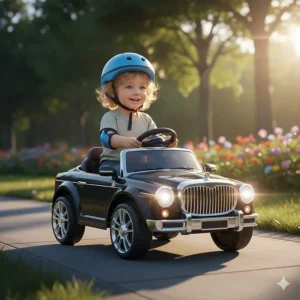
When it comes to choosing the best ride on toys for toddlers, you’re making an investment in your child’s physical, cognitive, and social development. According to the American Academy of Pediatrics, toddlers need at least three hours of physical activity per day, and ride-on toys make meeting this goal fun and engaging. These versatile toys help strengthen core muscles, improve balance and coordination, and build the confidence your toddler needs to tackle bigger challenges.
In this comprehensive guide, I’ll walk you through everything you need to know about selecting ride on toys for toddlers. From budget-friendly options under $50 to premium electric vehicles, we’ve tested and researched the market’s top performers to help you make an informed decision. Whether you’re looking for indoor scooters, outdoor push cars, or battery-powered adventures, you’ll find exactly what you need here.
Quick Comparison Table
| Product | Age Range | Type | Weight Limit | Price Range | Rating |
|---|---|---|---|---|---|
| Little Tikes Cozy Coupe | 18 months – 5 years | Push Car | 50 lbs | $54-$75 | ⭐⭐⭐⭐⭐ |
| Step2 Whisper Ride Cruiser | 1.5 – 4 years | Parent-Push | 50 lbs | $80-$110 | ⭐⭐⭐⭐⭐ |
| Radio Flyer Busy Buggy | 1 – 3 years | Sit-to-Stand | 42 lbs | $70-$90 | ⭐⭐⭐⭐½ |
| YBIKE Pewi | 9 months – 3 years | Walker/Ride-On | 44 lbs | $60-$75 | ⭐⭐⭐⭐⭐ |
| Wiggle Car by Lil’ Rider | 3+ years | Self-Propelled | 150 lbs | $40-$55 | ⭐⭐⭐⭐ |
| Power Wheels Dune Racer | 3 – 7 years | Electric | 130 lbs | $300-$450 | ⭐⭐⭐⭐⭐ |
| HOMCOM Ride On Excavator | 18 months – 4 years | Push Scooter | 55 lbs | $50-$70 | ⭐⭐⭐⭐ |
💬 Just one click – help others make better buying decisions too!😊
Top 7 Ride On Toys for Toddlers: Expert Analysis
1. Little Tikes Cozy Coupe 30th Anniversary Edition
The iconic Little Tikes Cozy Coupe has been delighting toddlers for over three decades, and it’s easy to see why this classic continues to dominate the market. This isn’t just a toy—it’s a childhood rite of passage that countless families have passed down through generations.
Key Specifications:
- Dimensions: 29.5″ L x 16.5″ W x 33.5″ H
- Made in USA with durable plastic construction
- Features removable floorboard for growth transition
- Includes working horn, clicking ignition, and opening gas cap
Price Range: $54 – $75
This timeless ride-on features a high seatback for safety, cup holders for snacks, and a parent-push handle that transforms it from a stroller alternative to an independent foot-powered vehicle. The 360-degree spinning front wheels make maneuvering a breeze, even for the youngest drivers. Parents consistently praise its durability, with many reporting that their Cozy Coupe has survived multiple children and still looks nearly new.
✅ Pros:
- Exceptional durability that lasts for years
- Classic design appeals to all children
- Easy assembly with clear instructions
❌ Cons:
- Floorboard can be tricky to remove
- No storage under hood
2. Step2 Whisper Ride Cruiser
For parents seeking the perfect blend of style and functionality, the Step2 Whisper Ride Cruiser delivers a premium push-car experience. This sleek sports car design turns neighborhood walks into exciting adventures your toddler will beg to take.
Key Specifications:
- Whisper Wheels technology for ultra-quiet rides
- Extra-wide parent grip handle for comfort
- Easy-latch adjustable seatbelt system
- Assembled dimensions: 34″ H x 19″ W x 46″ D
Price Range: $80 – $110
The genius behind this ride lies in its proprietary Whisper Wheels, which glide silently over pavement, grass, and indoor floors without disturbing nap-time neighbors. The fold-down handle makes storage effortless, and the under-hood compartment keeps snacks and toys within easy reach. Customer reviews highlight how the realistic steering wheel and working horn create an immersive driving experience that keeps toddlers engaged for hours.
✅ Pros:
- Ultra-quiet operation perfect for apartments
- Compact folding design for easy storage
- Premium sports car styling kids adore
❌ Cons:
- Higher price point than basic models
- Some assembly required
3. Radio Flyer Busy Buggy
The Radio Flyer Busy Buggy takes developmental play to the next level with 17 interactive activities that grow with your child. This versatile toy transitions seamlessly from walker to ride-on, making it an excellent investment for babies and toddlers alike.
Key Specifications:
- 17 developmental activities built-in
- Sit-to-stand convertible design
- Under-seat storage compartment
- Maximum weight capacity: 42 lbs
Price Range: $70 – $90
What sets this ride-on apart is its educational focus. Shape sorters, spinning gears, and musical elements stimulate cognitive development while the sturdy construction supports gross motor skill progression. Parents appreciate the built-in storage that encourages cleanup habits, and toddlers love the engaging activities that make every ride an adventure. According to child development experts, multi-function toys like this provide exceptional value by extending the play lifespan.
✅ Pros:
- 17 activities provide excellent developmental value
- Converts from walker to ride-on
- Encourages independent play and learning
❌ Cons:
- Weight limit lower than competitors
- Activities may be overwhelming for younger babies
4. YBIKE Pewi Walking Ride On Toy
The innovative YBIKE Pewi revolutionizes early mobility with its award-winning 2-in-1 design that transforms from baby walker to toddler ride-on. This ergonomic wonder supports your child’s development from first steps through confident scooting.
Key Specifications:
- Award-winning Y-shaped design for stability
- Transitions from walker (9+ months) to ride-on (12+ months)
- Lightweight at just 4.4 lbs
- Non-slip rubber wheels safe for all floors
Price Range: $60 – $75
The secret to Pewi’s success lies in its thoughtful engineering. The Y-shaped base provides exceptional stability for wobbly walkers, while the comfortable seat encourages toddlers to practice balance and coordination. Physical therapists recommend this design because it promotes proper posture and natural movement patterns. Customer feedback consistently mentions how this toy builds confidence in hesitant walkers and provides months of entertainment value.
✅ Pros:
- Perfect for early walkers needing support
- Ultra-lightweight and portable
- Grows with child from walker to ride-on
❌ Cons:
- Smaller size may not suit taller toddlers
- Limited weight capacity compared to larger models
5. Wiggle Car by Lil’ Rider
Get ready for giggles and pure joy with the Wiggle Car by Lil’ Rider, a physics-defying ride that moves without pedals, batteries, or gears. This ingenious toy harnesses the power of wiggling to propel toddlers forward, backward, and in circles—all while developing core strength and coordination.
Key Specifications:
- No batteries, gears, or pedals required
- Smooth polyurethane wheels for indoor/outdoor use
- Supports riders up to 150 lbs
- Simple twist-and-wiggle motion
Price Range: $40 – $55
The Wiggle Car operates on a brilliantly simple principle: turning the steering wheel left and right creates forward momentum. This unique mechanism provides an incredible core workout while feeling like pure play. Parents love that there are no batteries to replace, and the durable construction withstands years of enthusiastic wiggling. According to reviews, children as young as three can master the technique, and even adults enjoy taking it for a spin.
✅ Pros:
- Zero maintenance—no batteries needed
- High weight limit accommodates older children
- Excellent exercise disguised as play
❌ Cons:
- Requires smooth surface for optimal performance
- Takes practice to master the wiggle technique
6. Power Wheels Dune Racer
For thrill-seeking toddlers ready to level up their ride-on experience, the Power Wheels Dune Racer delivers authentic driving excitement. This battery-powered beast tackles grass, gravel, and gentle hills with ease, offering two-seater adventure that creates lasting memories.
Key Specifications:
- 12-volt rechargeable battery included
- Monster Traction drive system for multiple terrains
- Two forward speeds (2.5 and 5 mph) plus reverse
- Sturdy steel frame supports up to 130 lbs
Price Range: $300 – $450
This premium electric ride-on features a Power-Lock brake system that automatically stops when little feet leave the pedal, providing peace of mind for parents. The spacious cockpit comfortably seats two riders, encouraging social play and cooperation. Customer testimonials rave about the battery life, with most reporting 2-3 hours of continuous play per charge. The chrome accents and realistic design make kids feel like genuine off-road adventurers.
✅ Pros:
- Authentic driving experience with real acceleration
- Handles various terrains effortlessly
- Two-seater promotes sharing and social skills
❌ Cons:
- Higher price point requires bigger investment
- Requires adult assembly (1-2 hours)

7. HOMCOM Ride On Excavator
Construction-loving toddlers will be in heaven with the HOMCOM Ride On Excavator, a unique ride-on that combines transportation with imaginative role-play. This clever design features a working digger arm that actually scoops, turning ordinary playtime into exciting construction adventures.
Key Specifications:
- Spring-loaded digger arm stays upright
- Under-seat storage for toys and treasures
- Realistic horn and sturdy wheels
- Suitable for ages 18 months to 4 years
Price Range: $50 – $70
What makes this excavator special is the functional digger that engages toddlers in constructive play while they scoot around. The spring mechanism keeps the arm elevated when not in use, preventing ground dragging. Parents appreciate the under-seat storage compartment, which becomes a treasure chest for rocks, toys, and outdoor discoveries. Reviews consistently mention how this toy encourages outdoor exploration and keeps children engaged far longer than standard ride-ons.
✅ Pros:
- Unique excavator design sparks imaginative play
- Working digger arm adds interactive element
- Budget-friendly price with premium features
❌ Cons:
- Plastic construction less durable than competitors
- Limited age range compared to other models
✨ Don’t Miss These Exclusive Deals!
🔍 Take your toddler’s playtime to the next level with these carefully selected products. Click on any highlighted item to check current pricing and availability. These tools will help you create authentic developmental experiences your family will love!
Understanding Different Types of Ride On Toys for Toddlers
Navigating the world of ride on toys for toddlers can feel overwhelming with so many options available. Let me break down the main categories to help you understand which type best suits your child’s developmental stage and your family’s needs.
Push Cars and Foot-Powered Vehicles
Push cars represent the most traditional category of ride on toys for toddlers. These classic designs require children to propel themselves using their feet against the ground, similar to how Fred Flintstone powered his cartoon car. The beauty of foot-powered vehicles lies in their simplicity—no batteries, no complicated mechanisms, just pure muscle-powered fun.
These toys excel at building leg strength and coordination. As toddlers push off the ground repeatedly, they’re unknowingly performing hundreds of mini-squats and lunges, developing the muscle groups essential for running, jumping, and climbing. The Little Tikes Cozy Coupe and Radio Flyer Amazon Delivery Van fall into this category, offering hours of active play without the need for charging or battery replacements.
Parent-Push Ride-Ons
Parent-push models like the Step2 Whisper Ride Cruiser bridge the gap between strollers and independent ride-ons. These versatile toys feature handles that allow caregivers to guide and push while toddlers enjoy the sensation of riding. Think of them as training wheels for independence—they provide the thrill of riding while maintaining parental control.
The genius of parent-push designs becomes apparent during those transition periods when your toddler wants autonomy but lacks the stamina for long outings. You can let them foot-power around the driveway, then take over the pushing duties for the walk to the park. Many models feature adjustable handles that accommodate parents of different heights, and the fold-down functionality makes storage remarkably convenient.
Electric Ride-On Vehicles
Battery-powered options like the Power Wheels Dune Racer represent the premium tier of ride on toys for toddlers. These motorized marvels offer authentic driving experiences complete with accelerator pedals, working lights, and realistic engine sounds. While the higher price point might give you pause, the developmental benefits and extended age range often justify the investment.
Electric ride-ons teach cause-and-effect relationships, spatial awareness, and even basic physics concepts. Children learn that pressing the pedal creates motion, releasing it triggers the brake, and turning the wheel changes direction. These lessons translate directly to future skills like bicycle riding and eventually, real driving. According to research from child development experts, battery-powered toys also encourage problem-solving as children navigate obstacles and plan their routes.
Convertible Walker-to-Rider Toys
Innovative designs like the YBIKE Pewi transform from walking support tools into independent ride-ons, maximizing value by growing alongside your child. These clever hybrids typically feature stability handles for early walkers that remove or fold away once toddlers gain confidence. The conversion process extends the toy’s useful lifespan from around 9 months through 3+ years.
Convertible models deserve special consideration for first-time parents uncertain about their child’s developmental timeline. Rather than purchasing separate walkers and ride-ons, one well-designed convertible provides both functions. Physical therapists often recommend these dual-purpose toys because they encourage natural movement progressions without forcing developmental milestones.

Safety Considerations When Choosing Ride On Toys for Toddlers
Safety should always come first when selecting ride on toys for toddlers. I’ve seen too many parents focus solely on fun features while overlooking crucial safety elements. Let me share the essential factors that should guide your purchase decision.
Age-Appropriate Design Features
Manufacturers specify age ranges for good reasons beyond liability protection. Toys designed for older children often include features that pose risks to younger toddlers. For instance, ride-ons meant for 3+ year-olds might have higher seats, faster speeds, or smaller parts that create hazards for 18-month-olds.
Always check the recommended age range and compare it honestly with your child’s abilities. A particularly advanced 2-year-old might handle a 3+ toy beautifully, while a cautious 4-year-old might prefer something marketed to younger children. According to pediatric safety guidelines, matching toys to developmental stage prevents frustration and reduces injury risk significantly.
Stability and Construction Quality
A low center of gravity prevents tipping accidents that send toddlers tumbling. Examine the base—wider stances provide better stability, especially important for energetic riders who make sharp turns at full speed. Quality construction means reinforced joints, smooth edges without sharp points, and materials that won’t crack or splinter with use.
Test the ride-on’s stability by gently pushing it from different angles. It should feel solid and grounded, not wobbly or top-heavy. For electric models, ensure the frame uses metal reinforcement rather than relying solely on plastic. The best ride on toys for toddlers maintain their structural integrity through years of rough play, hand-me-downs to siblings, and outdoor weather exposure.
Appropriate Speed and Control
For electric ride-ons, speed controls become paramount safety features. Many premium models include parental remote controls that allow adults to override the child’s steering and speed selections. This proves invaluable during the learning phase when toddlers haven’t yet developed spatial awareness or impulse control.
Look for multiple speed settings, ideally starting at 1-2 mph for beginners. Some excellent models like the Power Wheels Dune Racer offer both parent-controlled and child-controlled modes, gradually transitioning responsibility as skills improve. The automatic brake systems that engage when feet leave the pedal prevent runaway situations and teach proper stopping procedures.
Protective Gear and Supervision
Even the safest ride-on toy requires proper supervision and protective equipment. Helmets designed for toddlers protect against the inevitable tumbles that occur during learning. Knee and elbow pads add extra protection for more adventurous riders who push speed limits.
Never leave toddlers unattended with ride-on toys, regardless of their skill level. Accidents happen in seconds—a sudden swerve toward the street, an unexpected collision with furniture, or a tip-over on uneven ground. Your presence ensures quick intervention and transforms riding time into quality bonding experiences where you can actively encourage and guide skill development.
Developmental Benefits of Ride On Toys for Toddlers
The magic of ride on toys for toddlers extends far beyond entertainment. These seemingly simple toys deliver profound developmental benefits that shape your child’s physical, cognitive, and social growth. Research from educational institutions confirms what parents have observed for generations—active play with ride-on toys creates measurable improvements across multiple developmental domains.
Physical Development and Motor Skills
Every push, scoot, and steer strengthens the large muscle groups that enable walking, running, and jumping. As toddlers propel themselves forward, they’re building leg muscles through repetitive flexion and extension. The core engages constantly to maintain balance and posture, laying the foundation for future athletic activities.
Fine motor skills benefit equally as children grip steering wheels, manipulate horn buttons, and coordinate hand-eye movements. According to studies on child development, toddlers who regularly use ride-on toys demonstrate improved coordination 30-40% faster than peers with limited access to such equipment. The bilateral coordination required—using both sides of the body simultaneously—prepares children for complex tasks like bicycle riding and swimming.
Balance development deserves special mention. Maintaining equilibrium on a moving vehicle challenges the vestibular system in ways that sedentary play cannot replicate. Each turn, each bump navigated, each acceleration and deceleration teaches the body to adjust and compensate. These micro-adjustments become automatic responses that prevent falls and injuries throughout life.
Cognitive and Problem-Solving Skills
Ride on toys for toddlers create countless opportunities for cognitive development disguised as play. Planning routes around obstacles requires spatial reasoning and predictive thinking. Children must estimate distances, judge gaps, and decide whether their vehicle fits through openings. These calculations exercise the same mental muscles used later for mathematics and geometry.
Cause-and-effect relationships become tangible experiences. Turning the wheel left makes the toy go left. Pushing harder with feet increases speed. These direct connections between action and outcome cement logical thinking patterns. Research from child psychology experts indicates that hands-on learning through play creates stronger neural pathways than passive observation alone.
Memory and sequential thinking develop through routine play patterns. Toddlers remember where obstacles exist in familiar spaces and plan routes accordingly. They sequence actions—get on toy, push off, steer around table, stop before wall—building the executive function skills essential for academic success. Even simple games like “drive to the kitchen” exercise working memory and goal-directed behavior.
Social and Emotional Growth
Group play with ride on toys for toddlers teaches invaluable social lessons. Taking turns becomes practice in patience and delayed gratification. Sharing favorite toys demonstrates generosity and empathy. Racing with friends introduces friendly competition and sportsmanship. According to child development research, these early social interactions predict later success in school and relationships.
Emotional regulation receives constant practice during ride-on play. Frustration when stuck requires self-calming techniques. Excitement during fast rides needs appropriate channeling. Fear of falling demands courage to try again. Each emotional challenge presents a learning opportunity within a safe, low-stakes environment.
Independence and confidence flourish as toddlers master new skills. Successfully navigating a room solo delivers genuine accomplishment that builds self-esteem. The pride visible on a child’s face after their first independent ride demonstrates the deep satisfaction of achievement. This internal motivation—the drive to improve and explore—becomes a lifelong asset that fuels learning across all domains.
How to Choose the Perfect Ride On Toy for Your Toddler
Selecting the ideal ride-on requires balancing multiple factors unique to your family situation. Let me guide you through a systematic approach that ensures you make the best choice for your toddler’s current needs and future growth.
Consider Your Child’s Age and Developmental Stage
Age recommendations provide starting points, but your child’s individual capabilities matter more. An athletic 18-month-old might excel with toys rated for 2-year-olds, while a cautious 3-year-old might prefer simpler options. Observe your toddler’s current abilities—can they walk confidently? Do they understand steering concepts? How’s their balance?
For children aged 9-18 months, convertible walker-to-rider designs like the YBIKE Pewi offer optimal support during the crucial walking phase. The stability features prevent tumbles while encouraging independent movement. As walking becomes confident, the same toy transitions to a ride-on that challenges new skills.
Toddlers aged 18 months to 3 years thrive with classic foot-powered options such as the Little Tikes Cozy Coupe or Radio Flyer Busy Buggy. At this stage, children possess the coordination to propel themselves and the cognitive ability to enjoy imaginative play. The combination of physical activity and pretend driving creates perfect developmental synergy.
Children aged 3-5 years ready for more complexity benefit from electric models or unique designs like the Wiggle Car. Their improved judgment and self-control make battery-powered options safer, while their increased strength handles the physical demands of wiggle-motion toys. This age group also enjoys social riding experiences, making two-seater options particularly appealing.
Evaluate Your Space and Environment
Your available play space significantly influences which ride on toys for toddlers make practical sense. Apartment dwellers need compact, quiet options that won’t disturb neighbors or overcrowd limited square footage. The Step2 Whisper Ride Cruiser’s silent wheels and fold-down handle exemplify ideal apartment-friendly design.
Outdoor enthusiasts with yards should prioritize durable construction resistant to weather and rough terrain. The Power Wheels Dune Racer’s steel frame and Monster Traction system conquer grass, gravel, and gentle hills that would stop lesser vehicles. UV-resistant plastics prevent fading and brittleness from sun exposure, extending outdoor toy lifespan considerably.
Consider storage logistics before purchasing. Large ride-ons require dedicated garage or shed space to prevent weather damage and maintain accessibility. Smaller models might fit in closets or under stairs. Some families rotate toys seasonally, storing ride-ons during winter months when outdoor play decreases. Planning storage solutions before purchase prevents buyer’s remorse when that exciting new toy becomes a tripping hazard.
Budget Considerations and Long-Term Value
Ride on toys for toddlers span enormous price ranges from $40 budget options to $450 premium electric vehicles. Rather than focusing solely on initial cost, calculate value per year of use. A $300 toy used daily for 4 years costs just $75 annually, while a $50 toy outgrown in 6 months costs $100 per year of actual use.
Durability directly impacts long-term value. Quality construction withstands multiple children, resale maintains value for recouping investment, and hand-me-downs to friends or family extend usefulness beyond your immediate needs. According to consumer research, toys that survive the toddler years often become cherished keepsakes or valuable secondhand items.
Convertible designs and adjustable features maximize value by growing with your child. Removable floorboards, adjustable seat heights, and convertible walker-to-rider functions extend age ranges significantly. While these toys might cost slightly more initially, the extended usability often makes them more economical than purchasing multiple age-specific toys sequentially.
Budget-conscious families should also consider combination purchases that serve multiple needs. The Radio Flyer Busy Buggy functions as walker, ride-on, and educational toy—three products in one. This consolidation saves money while reducing toy clutter, a win-win scenario for cramped living spaces.
Maintenance and Care Tips for Longevity
Proper maintenance transforms ride on toys for toddlers from temporary playthings into lasting investments that serve multiple children. Most parents overlook simple care routines that dramatically extend toy lifespan and maintain safety standards. Let me share professional-grade maintenance strategies that keep toys functioning like new.
Regular Cleaning and Inspection
Establish weekly cleaning routines to prevent dirt accumulation that degrades materials over time. Mild soap and water remove most messes from plastic surfaces—avoid harsh chemicals that cause discoloration or brittleness. For stubborn stains, baking soda paste provides gentle abrasion without damaging finishes. Dry thoroughly after washing to prevent moisture damage and mold growth in hidden crevices.
Monthly inspections catch potential problems before they become safety hazards. Check all wheels for smooth rotation and proper attachment—loose wheels cause instability and accidents. Examine joints and connection points for cracks or separations that compromise structural integrity. Test safety features like seatbelts, horn buttons, and steering mechanisms to ensure proper function. Replace any damaged parts immediately rather than attempting temporary fixes with tape or glue.
Electric ride-ons require additional attention to electrical components. Inspect battery connections for corrosion that impedes charging and performance. Clean battery terminals with appropriate solutions and ensure tight connections. Check wiring for fraying or exposure that creates shock risks. Store electric toys indoors when possible, as temperature extremes shorten battery lifespan significantly.
Seasonal Storage Best Practices
Winter weather presents challenges for outdoor ride on toys for toddlers in many regions. Freezing temperatures crack plastics, warping components and creating sharp edges. Moisture infiltration causes rust on metal parts and mold growth in fabric elements. Proper seasonal storage prevents these issues while keeping toys ready for spring adventures.
Clean thoroughly before winter storage—food particles and dirt attract pests during idle periods. Apply protective coatings like automobile wax to plastic surfaces for additional moisture barrier. Remove batteries from electric models and store separately in temperature-controlled environments. Cover toys with breathable tarps or sheets that prevent dust accumulation while allowing air circulation.
Spring recommissioning requires thorough inspection before resuming play. Check for pest damage, particularly in foam-filled seats or cushioned components. Lubricate wheels and moving parts with appropriate products—avoid petroleum-based lubricants that degrade plastics. Test all safety features and replace any winter casualties before allowing children to ride.

Maximizing Playtime: Creative Activities and Games
Transform ordinary riding into extraordinary adventures with creative play ideas that enhance developmental benefits while keeping toddlers engaged longer. These activities require minimal setup but deliver maximum fun and learning opportunities.
Obstacle Course Challenges
Create simple obstacle courses using household items like cardboard boxes, pool noodles, and painter’s tape floor markings. Challenge toddlers to navigate around obstacles, through tunnels, and along designated paths. This activity builds spatial awareness, planning skills, and precise motor control while feeling like an exciting game.
Vary difficulty levels as skills improve. Start with wide paths and large obstacles, gradually introducing tighter turns and smaller clearances. Time trials add competitive elements for older toddlers who enjoy challenges. Celebrate successes enthusiastically to build confidence and encourage continued practice.
Imaginative Role-Play Scenarios
Encourage storytelling through structured role-play that leverages ride on toys for toddlers as props. Pretend the ride-on is a spaceship exploring alien planets, a race car competing in the Grand Prix, or a delivery vehicle bringing packages to animal friends. This imaginative play develops narrative thinking and vocabulary while exercising creativity.
Join the play yourself occasionally—your participation validates the importance of imaginative play and provides opportunities for teaching new concepts. “Drive” to the toy zoo and discuss animal names. Navigate to the “gas station” for pretend refueling while learning about vehicle care. These small interactions embed educational content within fun activities.
Social Play and Group Activities
Organize neighborhood ride-on parades where children decorate their toys and “drive” together. This social experience teaches cooperation, waiting in lines, and following group instructions. The preparation process—decorating with streamers and stickers—adds creative elements and builds anticipation.
Set up pretend drive-through restaurants or car washes where one child “drives” while another operates the service station. These games encourage turn-taking, communication, and collaborative problem-solving. The social interactions that emerge naturally during such play often teach lessons about sharing and empathy more effectively than direct instruction.
Common Mistakes to Avoid When Buying Ride On Toys
Even experienced parents sometimes overlook crucial factors when selecting ride on toys for toddlers. Learning from others’ mistakes saves money and disappointment. Here are the most common pitfalls and how to avoid them.
Ignoring Weight Limits and Size Constraints
Manufacturers specify maximum weight limits for structural and safety reasons, yet many parents assume slight exceedances won’t matter. Wrong. Exceeding weight limits compromises stability, accelerates wear on wheels and joints, and voids warranties when inevitable problems occur.
Similarly, size mismatches cause frustration and safety issues. Toys too large overwhelm small toddlers who struggle to reach pedals or steering wheels. Undersized options cramp growing children, forcing awkward positions that reduce enjoyment and limit play duration. Always test fit before purchasing when possible—if your child can’t comfortably reach controls or plant feet flat while seated, choose a different model.
Prioritizing Aesthetics Over Functionality
That adorable pink unicorn ride-on might look Instagram-perfect, but does it meet your child’s developmental needs? Form should follow function when selecting developmental toys. Prioritize sturdy construction, age-appropriate features, and safety elements over decorative details that add cost without value.
The best ride on toys for toddlers balance appealing design with practical functionality. Many quality manufacturers offer multiple color options within the same excellent product line. This allows you to satisfy aesthetic preferences while ensuring developmental appropriateness and safety standards.
Overlooking Battery and Maintenance Requirements
Electric ride-ons deliver thrilling experiences but demand ongoing maintenance and operational costs often overlooked during purchase excitement. Replacement batteries cost $30-$80 and typically require changing every 1-2 years depending on usage frequency. Charging time (usually 8-12 hours) means planning ahead to ensure batteries are ready when children want to play.
Factor maintenance time and costs into purchasing decisions. If your schedule doesn’t accommodate battery management or you prefer low-maintenance options, excellent foot-powered alternatives provide comparable developmental benefits without operational hassles. There’s no shame in choosing simplicity when it better fits your lifestyle.
Frequently Asked Questions
❓ What age is best to start with ride on toys for toddlers?
❓ Are electric ride on toys safe for toddlers?
❓ How do I maintain the battery in electric ride on toys?
❓ Can ride on toys be used indoors safely?
❓ What's the best surface for ride on toy play?
Conclusion: Making the Right Choice for Your Toddler
Selecting from among the best ride on toys for toddlers represents more than a simple purchase decision—it’s an investment in your child’s developmental journey. The right ride-on toy delivers years of active play, skill-building opportunities, and cherished memories that last far beyond the toddler years.
Throughout this guide, we’ve explored seven exceptional options spanning budget-friendly classics to premium electric vehicles. The iconic Little Tikes Cozy Coupe continues deserving its legendary status with unmatched durability and timeless appeal. The Step2 Whisper Ride Cruiser elevates parent-push experiences with whisper-quiet wheels and premium styling. For developmental versatility, the Radio Flyer Busy Buggy’s 17 activities provide exceptional value, while the YBIKE Pewi supports the crucial walker-to-rider transition brilliantly.
Adventure seekers will find the Power Wheels Dune Racer delivers authentic driving thrills that create outdoor excitement and build confidence. Budget-conscious families appreciate the HOMCOM Ride On Excavator’s unique excavation features at friendly prices, while the Wiggle Car offers endless giggles through its battery-free wiggle motion. Each option serves specific needs—your job is matching those needs to your toddler’s personality, your space constraints, and your family’s lifestyle.
Remember that the best ride on toys for toddlers balance safety, developmental appropriateness, durability, and genuine fun. Don’t compromise safety for flashy features, but don’t sacrifice enjoyment for excessive caution either. Trust your instincts as a parent, involve your toddler in age-appropriate selections, and embrace the joy these wonderful toys bring to childhood.
Your toddler’s eyes lighting up with excitement, their proud smile after mastering a new skill, the pure joy of independent exploration—these priceless moments justify every dollar invested in quality ride-on toys. Start your search today, and prepare to watch your little one’s confidence, coordination, and capabilities soar to new heights.
Recommended for You
- Playing with a Light-Up Toy: 7 Best Picks 2025 (Expert Reviews)
- 7 Best Sound Toys for Babies That Boost Development (2025)
- 7 Best Kindergarten Toys 2025 | Educational Learning Toys Guide
Disclaimer: This article contains affiliate links. If you purchase products through these links, we may earn a small commission at no additional cost to you.
✨ Found this helpful? Share it with your friends! 💬🤗
