

In This Article
There’s something absolutely magical about watching a child’s face illuminate with pure joy when playing with a light-up toy. I’ve witnessed this countless times—the way those glowing colors capture attention, spark imagination, and create moments of pure wonder. Light up toys aren’t just flashy gadgets; they’re powerful developmental tools disguised as fun.
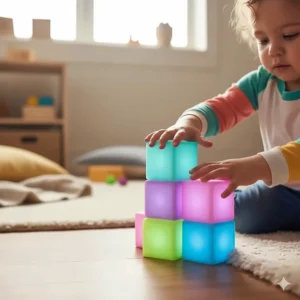
Research from Michigan State University Extension confirms that sensory play, especially with visual stimulation like light-up features, builds crucial cognitive skills and creates new neural pathways in developing brains. When kids engage with these illuminated playthings, they’re not merely being entertained—they’re developing visual tracking abilities, enhancing focus, and learning cause-and-effect relationships. The flashing lights, color changes, and interactive features provide multisensory experiences that traditional toys simply can’t match.
Whether you’re searching for the perfect birthday gift, looking to support a child with sensory needs, or simply want to add excitement to playtime, playing with a light-up toy offers benefits that extend far beyond the initial “wow” factor. From LED gloves that transform kids into dancing stars to spinning wands that mesmerize with kaleidoscope effects, today’s market offers incredible variety. This comprehensive guide explores seven exceptional options across different price ranges, helping you find the perfect glowing companion for the special child in your life.
Quick Comparison Table: Top Light-Up Toys at a Glance
| Product | Type | Age Range | Price Range | Key Feature | Rating |
|---|---|---|---|---|---|
| Luwint LED Gloves | Wearable | 5-12 years | $15-$20 | 6 flashing modes | 4.5/5 |
| Nutty Toys Pop Tubes | Fidget/Sensory | 3+ years | $13-$18 | Educational STEM | 4.6/5 |
| ArtCreativity Magic Wand | Handheld Spinner | 3+ years | $10-$15 | Batteries included | 4.4/5 |
| STAR WARS Lightsaber | Role-Play | 4+ years | $20-$30 | Extendable blade | 4.7/5 |
| SCIONE Fidget Spinners | Sensory Fidget | 4-12 years | $12-$17 (5-pack) | Crystal ABS material | 4.5/5 |
| MIBOTE Party Pack | Multi-Item Set | 3+ years | $25-$35 | 269 pieces | 4.3/5 |
| Meijoy Bouncy Ball | Active Play | 1-8 years | $8-$12 | Spiky sensory texture | 4.4/5 |
💬 Just one click – help others make better buying decisions too!😊
Top 7 Light-Up Toys: Expert Analysis & Detailed Reviews
1. Luwint LED Light Up Gloves – Best Overall for Active Kids
The Luwint LED Light Up Gloves dominate our list for good reason. These aren’t your average costume accessories—they’re engineered for durability and designed with kids in mind. Featuring six distinct flashing modes across three vibrant colors (red, green, and blue), these gloves transform any child into a captivating light show performer.
Key Specifications:
- 6 programmable flashing modes
- Breathable knit material with soft acrylic lining
- Pre-installed batteries plus 4 extras included
- Available in small (ages 3-6), medium (ages 6-12), and large (teens/adults) sizes
Customer feedback consistently praises the comfortable fit and impressive battery life. One parent noted, “My son wore these for three hours straight at his birthday party and they were still going strong.” The stretchable wrist design ensures they stay secure during active play without feeling restrictive.
Pros:
✅ Multiple flashing patterns keep kids engaged
✅ Durable construction withstands rough play
✅ Extra batteries extend playtime significantly
Cons:
❌ Not waterproof (must remove before handwashing)
❌ Small size may be too snug for some 6-year-olds
Price: $15-$20 | Best For: Dance parties, concerts, Halloween costumes, sensory stimulation
2. Nutty Toys Light Up Pop Tubes – Best Educational Sensory Toy
Nutty Toys Light Up Pop Tubes brilliantly combine fidget satisfaction with educational value. These aren’t ordinary pop tubes—each one features integrated LED lights that activate when stretched or compressed, creating a mesmerizing rainbow effect that captivates children and adults alike.
Key Specifications:
- Two-stage LED lighting (blinking or permanent)
- BPA and lead-free thick plastic construction
- Uneven texture provides tactile stimulation
- Connects together for extended building possibilities
Parents of children with ADHD and autism report remarkable results. The satisfying popping sound combined with the visual light display helps children calm down and regain focus during stressful moments. According to research published by the National Institutes of Health, toys that engage multiple senses simultaneously support crucial developmental milestones.
Pros:
✅ Doubles as STEM learning tool for shapes and letters
✅ Therapeutic benefits for anxiety and stress relief
✅ Glow-in-the-dark feature extends playtime options
Cons:
❌ Batteries not replaceable in LED units
❌ Can be too stimulating for some sensory-sensitive children
Price: $13-$18 | Best For: Fidgeting, sensory regulation, car rides, educational play
3. ArtCreativity Spinning Light Up Toy Wand – Best Budget-Friendly Option
Don’t let the affordable price fool you—the ArtCreativity Spinning Light Up Toy Wand delivers exceptional value. This 7.5-inch magic ball wand produces a thrilling kaleidoscope light show with just the press of a button, making it perfect for party favors, carnival prizes, or spontaneous gift-giving.
Key Specifications:
- One-button operation for easy use
- Three AA batteries pre-installed
- Lightweight design (suitable for ages 3+)
- Multiple LED colors create mesmerizing patterns
Customer reviews highlight its appeal across age groups. Teachers frequently purchase bulk quantities for classroom rewards, while parents appreciate the instant entertainment it provides. The spinning lights captivate children’s attention remarkably well—I’ve seen toddlers watch the display for 10+ minutes straight, completely mesmerized.
Pros:
✅ Ready to use straight from package
✅ Excellent for imaginative pretend play
✅ Autism-friendly sensory stimulation
Cons:
❌ Battery replacement can be tricky for young children
❌ Plastic construction feels less premium than pricier options
Price: $10-$15 | Best For: Party favors, magic shows, sensory calming, budget-conscious buyers
4. STAR WARS Lightsaber Forge Luke Skywalker – Best for Role-Play Adventure
The STAR WARS Lightsaber Forge Luke Skywalker brings galactic adventures to life with officially licensed authenticity. This isn’t just a toy—it’s a portal to imagination where kids become Jedi Knights defending the galaxy. The extendable blue blade flicks open with satisfying ease, while built-in sound effects elevate pretend battles to epic proportions.
Key Specifications:
- Extendable blade (collapsible for storage)
- Electronic light and sound effects
- Customizable with other Forge series pieces
- Designed for kids ages 4 and up
What sets this lightsaber apart is the modular design. Kids can mix and match components from the entire Lightsaber Forge line, creating thousands of unique combinations. This encourages creativity beyond simple role-play—children become designers, experimenting with different blade, hilt, and core combinations.
Pros:
✅ Officially licensed Star Wars authenticity
✅ Durable construction survives intense dueling
✅ Compatible across entire Forge product line
Cons:
❌ Batteries not included
❌ Additional pieces sold separately for full customization
Price: $20-$30 | Best For: Star Wars fans, imaginative play, active outdoor battles
5. SCIONE 5-Pack LED Light Up Fidget Spinners – Best Value Multi-Pack
The SCIONE 5-Pack LED Light Up Fidget Spinners redefine what fidget toys can be. Crafted from crystal-clear ABS plastic with premium 608 steel bearings, these spinners deliver smooth 60-90 second spins while creating spectacular light displays. The pack includes five individually boxed spinners, making them perfect for party favor bags or sibling gift-giving.
Key Specifications:
- Three flashing modes with multiple pattern variations
- Waterproof and drop-resistant design
- Three independent power switches per spinner
- Average spin time: 60-90 seconds
Research supports fidget toys’ effectiveness in improving focus and attention. According to experts at Cleveland Clinic, sensory toys help children develop crucial motor skills while providing stress relief. The LED light show intensifies as spinning speed increases, creating mesmerizing patterns that genuinely captivate observers.
Pros:
✅ Five spinners at exceptional value pricing
✅ Individual packaging perfect for sharing
✅ Helps children with ADHD, anxiety, and autism
Cons:
❌ Button batteries can be challenging to replace
❌ Light patterns may be too stimulating in dark environments
Price: $12-$17 (5-pack) | Best For: Party favors, classroom prizes, stress relief, multiple children
6. MIBOTE 269Pcs LED Light Up Toys Party Favors – Best Complete Party Pack
When you need comprehensive entertainment, the MIBOTE 269Pcs LED Light Up Toys Party Favors delivers everything imaginable. This massive collection includes LED glasses, headbands, finger lights, glow sticks, bracelets, rings, and more—basically everything needed to transform any gathering into an unforgettable glow party experience.
Key Specifications:
- 269 total pieces including diverse light-up items
- High-quality batteries with easy ON/OFF switches
- Variety of vibrant colors throughout collection
- Suitable for ages 3+ (with adult supervision for small parts)
Parents hosting birthday parties rave about this set’s completeness. Instead of scrambling to find individual party favors, everything arrives in one convenient package. The variety ensures every child finds something they love, whether it’s the spinning bracelets, LED glasses, or classic glow sticks.
Pros:
✅ Exceptional quantity at reasonable price point
✅ Eliminates need for additional party planning
✅ Multiple occasions: birthdays, Halloween, New Year’s Eve
Cons:
❌ Quality varies slightly across different item types
❌ Small parts require supervision with younger children
Price: $25-$35 | Best For: Large parties, event planning, variety seekers, maximum value
7. Meijoy Bouncy Light Up Ball – Best for Physical Activity
The Meijoy Bouncy Light Up Ball combines active play with sensory stimulation brilliantly. This 2.55-inch spiky ball lights up brilliantly upon impact, encouraging kids to bounce, throw, and chase. The textured rubber surface provides therapeutic tactile feedback while the LED lights create visual excitement that motivates movement.
Key Specifications:
- LED lights activate on impact
- BPA-free rubber construction
- Long rubbery spikes for sensory stimulation
- High-bounce capability for active play
Physical therapists often recommend textured balls for children developing motor skills. The spiky surface stimulates palm nerves, improving hand strength and dexterity. According to National Autism Resources, sensory toys with multiple stimulation types support cognitive development while teaching cause-and-effect relationships.
Pros:
✅ Encourages physical activity and movement
✅ Therapeutic for elderly and those with weak grip strength
✅ Impressive bounce height maintains engagement
Cons:
❌ Battery not replaceable (sealed design)
❌ May be too firm for toddlers under 2 years
Price: $8-$12 | Best For: Active play, physical therapy, outdoor games, stress relief
Understanding the Benefits of Playing with a Light-Up Toy
Playing with a light-up toy offers extraordinary developmental advantages beyond mere entertainment. When children interact with illuminated playthings, they’re engaging multiple sensory systems simultaneously—vision tracks the moving lights, touch feels the textures, and hearing processes any accompanying sounds. This multisensory engagement creates rich learning experiences that support brain development.
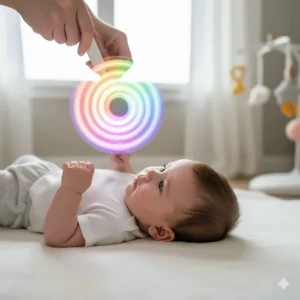
Visual stimulation from light up toys particularly benefits young children developing tracking skills. As lights move, change colors, or flash in patterns, children’s eyes naturally follow the display, strengthening neural pathways responsible for visual processing. This foundation proves essential for later skills like reading, where eyes must track smoothly across text.
Light-up features also provide powerful feedback mechanisms. When children press buttons or move toys in specific ways, the immediate light response teaches cause-and-effect relationships. They quickly learn that their actions produce results, building cognitive understanding and encouraging experimentation. This type of interactive learning engages children far more effectively than passive observation.
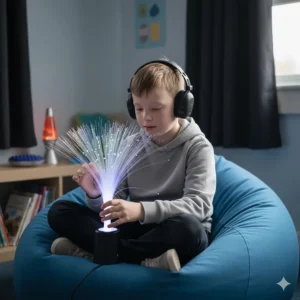
For children with sensory processing challenges, particularly those on the autism spectrum, light up toys offer regulated sensory input that can calm or alert depending on individual needs. Some children find the rhythmic flashing soothing, while others use the visual stimulation to increase alertness and focus. The predictable nature of light patterns provides comfort and helps children develop self-regulation strategies they’ll use throughout life.
Choosing the Right Light-Up Toy: Age-Appropriate Selection Guide
For Toddlers (1-3 Years)
Toddlers require simple, durable light up toys with large components that prevent choking hazards. Look for items with one-button operation, as complex controls frustrate young children. Bouncing balls with automatic light activation work wonderfully—toddlers simply throw or drop the toy and receive immediate visual reward. Avoid items with small detachable parts or complex assembly requirements.
The best toddler options feature soft materials that won’t cause injury during inevitable throwing phases. Wands and balls typically excel in this category. Ensure any electronic components are sealed completely, preventing curious toddlers from accessing batteries. Choose toys producing gentle light effects rather than intense strobing, which can overwhelm developing sensory systems.
For Preschoolers (3-5 Years)
Preschoolers handle slightly more complex toys and enjoy options encouraging imaginative play. Lightsabers, magic wands, and LED glasses allow children to become characters in their own stories. At this age, kids begin coordinating toys with narrative play, so items supporting role-play scenarios provide maximum engagement.
Look for toys offering multiple settings or modes that children can control independently. This autonomy builds confidence and problem-solving skills. Preschoolers also benefit from toys encouraging social play—fidget spinners and pop tubes work brilliantly for sharing and turn-taking, developing crucial social-emotional competencies.
For School-Age Children (6-12 Years)
School-age children appreciate sophisticated features and greater customization options. They enjoy toys offering challenges, whether mastering complex light patterns on gloves or building elaborate structures with interconnecting light-up pieces. At this developmental stage, children often use these toys for performance—dance routines, magic shows, or playground demonstrations.
Choose items supporting hobby development. LED gloves encourage dance exploration, while lightsabers promote active outdoor play. Many school-age children also appreciate the stress-relief aspects of fidget toys, using them to maintain focus during homework or calm anxiety before tests. The ability to control light patterns and intensities appeals to their growing desire for autonomy.
For Teens and Adults
Don’t overlook light up toys for older audiences! Teens and adults benefit significantly from fidget toys managing stress and anxiety. LED spinners and pop tubes provide discreet sensory input during meetings, classes, or stressful situations. Many adults report these tools help maintain focus during lengthy tasks.
Performance artists, including dancers and fire spinners, use professional-grade LED props for stunning visual effects. While most consumer light up toys target children, quality fidget options and customizable LED wearables serve adult users excellently. Look for neutral color schemes and sophisticated designs that don’t appear childish.
Safety Considerations When Playing with a Light-Up Toy
Battery Safety
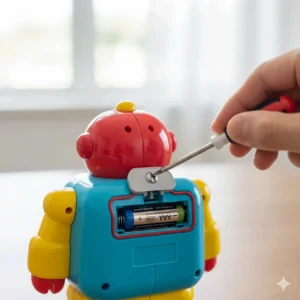
Battery compartments must be secured properly, ideally requiring screwdrivers or tools to open. Small button batteries pose serious choking and chemical burn hazards if swallowed. Always supervise battery replacement, storing spare batteries completely out of children’s reach. Check compartment security regularly, as repeated play can loosen screws or covers.
Choose toys using common battery types (AA, AAA) over specialty button cells when possible. These larger batteries prove less dangerous if accidentally swallowed and are easier for parents to replace. Many quality light up toys now include battery-replacement indicators, alerting when power runs low before complete failure.
Material Quality
Prioritize toys made from BPA-free, phthalate-free plastics certified safe for children. Cheap imports sometimes contain harmful chemicals that leach during play. Look for ASTM F963 certification, indicating compliance with U.S. toy safety standards. Smell new toys carefully—strong chemical odors suggest poor-quality materials best avoided.
Textured surfaces should feel smooth enough to prevent skin irritation while providing sensory stimulation. Sharp edges or poorly finished seams indicate substandard manufacturing. Quality light up toys feature rounded corners, smooth transitions between components, and materials that feel substantial rather than flimsy.
Light Intensity
Extremely bright LEDs, especially when flashing rapidly, can trigger photosensitive seizures in susceptible individuals. While rare, this serious condition requires careful consideration. Test new toys yourself before giving them to children, ensuring light intensity feels comfortable rather than overwhelming. Most quality manufacturers design child-safe brightness levels, but verification never hurts.
Avoid prolonged direct eye contact with LED sources. While most toy LEDs use safe wavelengths and intensities, teaching children proper usage habits protects vision. If toys offer adjustable brightness, start with lower settings and increase only as needed. Some children, particularly those with sensory sensitivities, prefer gentler light displays.
Maintenance and Care Tips for Light-Up Toys
Cleaning Guidelines
Most light up toys shouldn’t be submerged in water, even those advertised as “water-resistant.” Instead, wipe surfaces with slightly damp cloths and mild soap. For fabric items like LED gloves, remove battery packs before spot cleaning. Allow all components to dry completely before reassembling and storing.
Textured surfaces, particularly on sensory balls and pop tubes, accumulate dirt quickly. Soft-bristle toothbrushes work excellently for cleaning grooves and crevices without damaging materials. Sanitizing wipes prove convenient for quick cleanings but check ingredients—harsh chemicals can degrade plastics over time. Natural cleaning solutions generally work best for regular maintenance.
Storage Recommendations
Remove batteries from toys during extended storage periods. Even quality batteries leak occasionally, causing corrosion damage that ruins electronics. Store light up toys in cool, dry locations away from direct sunlight, which degrades plastics and fades colors. Clear plastic bins work wonderfully, allowing children to see contents while protecting from dust.
Organize pieces systematically, keeping similar items together. Dedicate specific containers for fidget toys, wearables, and active play items. This organization helps children select appropriate toys for different activities and makes cleanup easier. Label containers clearly, including any age restrictions or supervision requirements.
Battery Management
Stock appropriate replacement batteries in advance, preventing disappointment when toys inevitably need fresh power. Rechargeable batteries offer economic and environmental advantages for frequently used items. However, ensure rechargeable voltage matches original specifications—some LED toys require specific power levels for optimal performance.
Dispose of dead batteries properly through designated recycling programs. Never throw batteries in regular trash, as they contain materials harmful to environments. Many retailers and municipalities offer free battery recycling services. Teaching children proper battery disposal instills environmental responsibility while maintaining safety.
Educational Benefits Beyond Entertainment
STEM Learning Opportunities
Light up toys create natural opportunities for science education. Children learn about electricity, circuits, and energy transfer through hands-on experimentation. Why do lights brighten when fidget spinners spin faster? What causes color changes in multi-mode toys? These questions spark scientific curiosity and critical thinking.
Pop tubes particularly excel at teaching engineering concepts. Children build structures, experiment with connections, and discover architectural principles through play. The visual feedback from LED lights makes abstract concepts concrete—when structures collapse, they immediately see results and adjust designs accordingly. This trial-and-error learning develops resilience and problem-solving persistence.
Fine Motor Skill Development
Manipulating small switches, connecting tubes, and adjusting settings all strengthen fine motor skills essential for writing, typing, and daily living tasks. The precise movements required for optimal fidget spinner performance improve hand-eye coordination significantly. Children develop finger dexterity without conscious effort, simply enjoying entertaining activities.
LED gloves particularly challenge coordination—children learn to move fingers independently, creating distinct light patterns. This differentiated movement strengthens neural pathways controlling fine motor functions. Many occupational therapists incorporate light up toys into treatment plans specifically because children engage enthusiastically while developing crucial skills.
Social-Emotional Growth
Sharing light up toys teaches valuable social lessons. Children negotiate turn-taking, demonstrate patience, and experience empathy when others want their preferred items. Group play with these engaging toys creates natural opportunities for friendship development and conflict resolution practice.
Performance with light up toys builds confidence and self-expression skills. Whether dancing with LED gloves or staging lightsaber battles, children explore different roles and personalities. This imaginative exploration supports identity development and emotional intelligence. Public performances, even informal playground demonstrations, help children overcome shyness and develop comfortable self-presentation.
Light-Up Toys vs Traditional Toys: Comprehensive Comparison
| Feature | Light-Up Toys | Traditional Toys |
|---|---|---|
| Visual Appeal | High—immediate attraction through lights | Moderate—depends on design and colors |
| Sensory Engagement | Multi-sensory (visual, tactile, auditory) | Primarily tactile |
| Feedback Mechanism | Instant visual response | Varies by toy type |
| Battery Requirements | Yes—ongoing cost consideration | Typically none |
| Durability | Moderate—electronics can fail | Generally higher longevity |
| Educational Value | STEM concepts, cause-effect | Imaginative play, motor skills |
| Therapeutic Applications | Excellent for sensory regulation | Limited sensory benefits |
| Price Range | $8-$35 typically | $5-$50+ wide variation |
Maximizing Value: Getting the Most from Light-Up Toys
Creating Multi-Purpose Uses
Encourage children to explore different applications for their light up toys beyond obvious uses. LED gloves become story-telling props where different finger combinations represent various characters. Pop tubes transform into musical instruments, creating unique sounds when manipulated differently. This creative repurposing extends toy lifespan while fostering innovation.
Integrate light up toys into learning activities. Use glowing balls for counting games, pop tubes for pattern recognition, or spinners for color identification. When educational activities incorporate favorite toys, children engage more enthusiastically with challenging content. The familiar comfort of beloved toys reduces learning anxiety.
Combining Toys for Enhanced Play
Multiple light up toys used together create elaborate play scenarios exceeding individual toy capabilities. Combine lightsabers, LED gloves, and glowing accessories for comprehensive dress-up adventures. Mix fidget spinners and pop tubes for complex construction challenges. This synergistic play encourages creative thinking and problem-solving beyond manufacturer’s intended uses.
Create themed play experiences incorporating various light up toys. Host glow-in-the-dark treasure hunts using multiple illuminated items as clues. Organize family dance parties where everyone wears different LED accessories. These memorable experiences strengthen family bonds while maximizing toy utility.
Extending Toy Lifespan
Teach proper handling habits early, establishing routines for putting toys away after use. Gentle treatment significantly extends electronic toy longevity. Create designated play zones for different toy types—active outdoor toys stay outside, delicate indoor items remain protected from weather exposure.
Rotate toys periodically, storing some temporarily while featuring others. This rotation prevents boredom without constantly purchasing new items. When previously stored toys reappear, children rediscover them with renewed enthusiasm. This strategy also prevents overwhelming toy collections that hinder meaningful play.
✨ Don’t Miss These Exclusive Deals!
🔍 Take your child’s playtime to the next level with these carefully selected products. Click on any highlighted item to check current pricing and availability. These light-up toys will help you create authentic memories your family will treasure!
Common Mistakes to Avoid When Buying Light-Up Toys
Overlooking Age Appropriateness
Purchasing toys too advanced frustrates children while overly simple items bore them quickly. Age recommendations exist for good reasons—they reflect developmental capabilities, safety considerations, and engagement potential. A sophisticated fidget spinner overwhelms toddlers, while basic bouncing balls underwhelm teenagers. Match toys carefully to current developmental stages for optimal results.
Consider individual children’s abilities beyond chronological age. Some four-year-olds handle complex toys easily while certain eight-year-olds prefer simpler options. Observe how children interact with existing toys, noting complexity levels that engage without frustrating. Use this knowledge when selecting new purchases.
Ignoring Battery Costs
Initial purchase prices seem affordable until you factor ongoing battery expenses. Some light up toys consume power rapidly, requiring frequent replacements that quickly exceed original toy costs. Read reviews specifically mentioning battery life before purchasing. Rechargeable options or toys accepting standard batteries offer better long-term value than proprietary battery systems.
Calculate total ownership costs over expected toy lifespan. A $15 toy requiring $5 monthly in batteries becomes surprisingly expensive. Sometimes spending more initially for superior battery efficiency saves money long-term. This calculation proves especially important for frequently used favorites.
Prioritizing Quantity Over Quality
Mega-packs containing dozens of cheaply made items seem tempting but often disappoint. Individual pieces break quickly, lights fail, and children lose interest rapidly. Investing in fewer high-quality options provides better value through longer lifespan, greater durability, and sustained engagement. One excellent toy beats ten mediocre ones consistently.
Quality toys also offer better resale value. Popular brands in good condition sell easily secondhand, recouping significant portions of original costs. Cheap alternatives hold no resale value whatsoever, representing complete sunk costs. Quality purchases ultimately prove more economical and environmentally responsible.
Seasonal Considerations: Best Times to Buy Light-Up Toys
Halloween and Autumn
Light up toys become party essentials during Halloween season, with retailers stocking extensive varieties. This heightened demand unfortunately drives prices upward temporarily. Shop early autumn for better selection at regular prices before seasonal markups begin. Post-Halloween sales offer exceptional values—November typically brings 50%+ discounts on remaining inventory.
Autumn also sees new product launches targeting holiday shopping season. Manufacturers introduce innovative designs and updated versions of popular items. Early adopters access newest technology while enjoying fuller stock availability. Later buyers benefit from initial review feedback identifying any issues before purchase.
Winter Holidays and New Year
December brings peak pricing across most toy categories as desperate last-minute shoppers accept inflated costs. If possible, complete holiday shopping before December or wait until post-Christmas clearances begin. January sales rival Black Friday discounts without the crowds and stress. Savvy shoppers stock birthday gifts during these clearance periods.
New Year’s Eve parties create secondary demand for glow-in-the-dark party supplies, including many light up toys. Stores anticipate this demand, maintaining higher prices through early January. Mid-January typically marks the beginning of serious clearance pricing as retailers make room for Valentine’s and spring inventory.
Summer and Outdoor Play Season
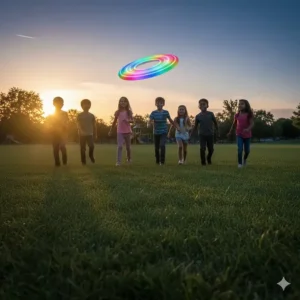
Summer camp preparation and outdoor play focus creates moderate demand for active light up toys. Glow balls, LED frisbees, and outdoor-friendly options see increased interest. However, competition remains less intense than winter holidays, keeping prices relatively stable. Summer vacation often brings toy sales as retailers attract parents seeking entertainment solutions.
Back-to-school season in late summer offers opportunities on fidget toys and classroom-appropriate options. Teachers and parents purchase stress-relief items and classroom rewards, creating specialized demand. Watch for teacher discount programs and bulk purchase deals during this period.
Special Needs and Therapeutic Applications
Supporting Children with Autism
Light up toys provide exceptional support for children on the autism spectrum, offering controlled sensory input that many find calming and organizing. The predictable nature of light patterns creates comforting structure while visual tracking exercises support developmental goals. Many therapists incorporate these toys into treatment plans specifically because children engage enthusiastically.
Choose options offering adjustable intensity and multiple modes, allowing customization to individual sensory preferences. Some autistic children prefer gentle, steady lights while others benefit from dynamic changing patterns. The ability to control these variables empowers children, teaching self-regulation and preference identification—crucial life skills.
ADHD and Focus Enhancement
Children with ADHD often fidget unconsciously, disrupting learning and social situations. Appropriate fidget toys channel this need productively, actually improving focus rather than causing distraction. Light up fidget spinners and pop tubes provide engaging sensory input that satisfies fidgeting urges while maintaining attention on primary tasks.
Research demonstrates that allowing appropriate fidgeting during lessons improves information retention and reduces restlessness. The key lies in selecting quiet, non-disruptive options suitable for classroom environments. LED spinners without sound effects or pop tubes manipulated gently work excellently, providing needed movement without disturbing others.
Anxiety and Stress Management
Rhythmic, predictable sensory input from light up toys helps regulate nervous systems experiencing anxiety or stress. The repetitive motions involved in playing with these items—spinning, popping, squeezing—provide grounding during overwhelming moments. Many adults find these tools equally beneficial for workplace stress management.
Establish “calm down kits” containing preferred light up toys for high-stress situations. Having familiar tools readily available prevents escalation when anxiety begins building. Practice using these items during calm periods so children develop effective self-soothing strategies automatically accessible during difficult moments.
FAQ: Your Light-Up Toy Questions Answered
❓ Are light up toys safe for babies under one year old?
❓ How long do batteries typically last in light up toys?
❓ Can light up toys help children who struggle to sleep?
❓ What's the difference between cheap and quality light up toys?
❓ Are there eco-friendly or sustainable light-up toy options?
Conclusion: Illuminating the Path to Perfect Play
Playing with a light-up toy transcends simple entertainment—it’s an investment in developmental growth, sensory exploration, and pure childhood joy. Whether you select the versatile Luwint LED Gloves for performance-loving kids, the therapeutic Nutty Toys Pop Tubes for sensory needs, or the budget-friendly ArtCreativity Wand for party favors, you’re choosing more than a toy. You’re selecting a tool that builds skills, creates memories, and illuminates imaginations.
The seven options reviewed here represent diverse price points, age ranges, and play styles, ensuring every family finds their perfect match. From the epic adventures possible with STAR WARS Lightsabers to the stress relief provided by SCIONE Fidget Spinners, each product offers unique benefits supporting different developmental needs. Consider your child’s interests, sensory preferences, and current developmental stage when making selections.
Remember that the best light up toys balance engaging features with durability and safety. Don’t rush decisions—invest time researching options, reading reviews, and potentially trying items in-store before purchasing. Your thoughtful selection process ensures the chosen toys provide maximum value through extended use and genuine developmental support.
The magic happens when children’s faces light up brighter than any LED could ever shine. That spark of wonder, that moment of pure joy—that’s what makes playing with a light-up toy truly special. Whether celebrating birthdays, supporting therapeutic goals, or simply adding excitement to everyday play, these illuminated treasures create memories that last long after batteries fade.
Recommended for You
- 7 Best Sound Toys for Babies That Boost Development (2025)
- 7 Best Kindergarten Toys 2025 | Educational Learning Toys Guide
- 7 Best Wooden Toy Farm Sets 2025 – Premium Quality Guide
Disclaimer: This article contains affiliate links. If you purchase products through these links, we may earn a small commission at no additional cost to you.
✨ Found this helpful? Share it with your friends! 💬🤗
