
In This Article
Finding the perfect outdoor toys for 3-4 year olds can transform your backyard into an adventure playground! 🌟 At this magical age, children are developing crucial motor skills, coordination, and social abilities that will shape their future. Moreover, the right outdoor toys encourage active play while building confidence and creativity.
✨Was this helpful? Spread the word! 🚀
Consequently, I’ve researched the best outdoor toys for 3-4 year olds available on Amazon in 2025, focusing on safety, developmental benefits, and pure fun factor. These carefully selected toys will keep your little ones engaged while supporting their physical and cognitive growth.
Why Outdoor Play Matters for 3-4 Year Olds 🌳
Before diving into specific products, it’s essential to understand why outdoor toys for 3-4 year olds are crucial for development. According to the American Academy of Pediatrics, outdoor play significantly impacts children’s physical, emotional, and social development.
Research from Harvard Health Publishing shows that outdoor play:
✅ Improves gross motor skills through climbing, running, and jumping
✅ Enhances hand-eye coordination via ball games and target activities
✅ Builds confidence as children master new challenges
✅ Promotes social interaction during group play scenarios
✅ Develops problem-solving abilities through exploratory play
Furthermore, outdoor activities help combat the increasing screen time that affects many children today. The Centers for Disease Control and Prevention recommends at least 60 minutes of physical activity daily for children, making quality outdoor toys essential investments.
Top 10 Best Outdoor Toys for 3-4 Year Olds
1. Little Tikes Easy Score Basketball Set ⛹️
The Little Tikes Easy Score Basketball Set stands out as one of the most versatile outdoor toys for 3-4 year olds. Priced around $36-42 on Amazon, this adjustable basketball hoop grows with your child from 18 months to 5 years.
Key Features:
- 6 adjustable heights (2.5-4 feet)
- Oversized rim for easy scoring
- Includes 3 junior-sized basketballs
- Indoor/outdoor compatibility
- Weighs 9 lbs when assembled
The oversized rim design ensures success for beginning players, while the height adjustment capability means years of use. Additionally, customer reviews consistently praise its durability, with one parent noting their toddler “plays with it daily” and another mentioning it “withstands brutal toddler beat downs.”
Developmental Benefits:
- Hand-eye coordination improvement
- Balance and stability practice
- Introduction to competitive sports
- Confidence building through successful shots
2. Step2 Rain Showers Splash Pond Water Table 💧
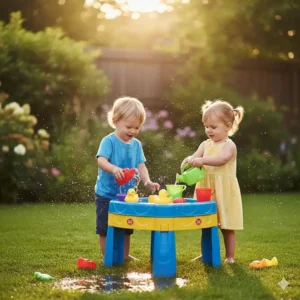
Water play captivates children aged 3-4, making the Step2 Rain Showers Splash Pond Water Table an excellent investment at approximately $68-75. This two-tier water table creates endless sensory experiences while keeping children cool during summer months.
Specifications:
- Two-tier design with cause-and-effect features
- 13-piece accessory kit included
- Suitable for ages 1.5+ years
- Dimensions: Accommodates multiple children
- Durable double-walled construction
The upper tray holds water that creates a “rainfall” effect when poured, activating spinners and ramps below. This teaches cause-and-effect relationships while providing tactile stimulation. Parents appreciate the easy drainage system and the fact that it “keeps kids busy for hours.”
3. John Deere Bubble Lawn Mower 🫧
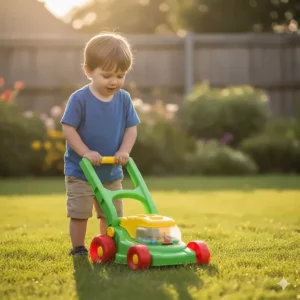
The John Deere Bubble Lawn Mower combines pretend play with bubble fun, retailing for $19-25 on Amazon. This battery-free toy encourages children to “help” with yard work while creating magical bubble streams.
Product Details:
- No batteries required – kid-powered
- Includes 4-ounce bubble solution
- Realistic mechanical sounds
- Rugged tires for various terrains
- Ages 2+ years
Children develop gross motor skills by pushing the mower while improving coordination through directional control. The bubble element adds sensory delight, and numerous reviews mention children using it for “20 minutes without getting bored.”
4. Radio Flyer 4-in-1 Stroll ‘N Trike 🚲
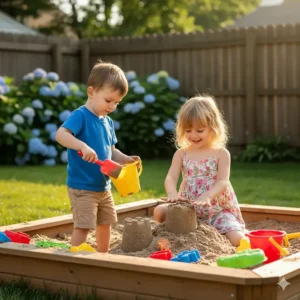
Tricycles remain classic choices among outdoor toys for 3-4 year olds, and the Radio Flyer 4-in-1 Stroll ‘N Trike offers exceptional versatility at $140-160. This tricycle grows through four distinct stages from infant to preschooler.
Four Growth Stages:
- Infant Trike (12-18 months): Parent-controlled with safety features
- Steering Trike (18-24 months): Shared control introduction
- Learn-to-Ride Trike (2-3 years): Independent pedaling practice
- Classic Trike (4-5 years): Full independence
The removable safety features include UV canopy, 3-point harness, and wrap-around tray. High-density foam tires provide quiet operation, while the adjustable push handle offers parent control during early stages.
5. SplashEZ 3-in-1 Splash Pad 🌊
For summer water fun, the SplashEZ 3-in-1 Splash Pad delivers educational entertainment at $45-55. This 60-inch splash pad combines learning with cooling relief during hot weather.
Educational Features:
- Alphabet and animal graphics
- BPA and phthalate-free materials
- Non-slip textured surface
- Suitable for ages 12 months+
- Easy garden hose connection
The alphabet theme transforms water play into learning opportunities, while the generous size accommodates multiple children. Parents praise its educational value, noting children practice letter recognition while staying cool.
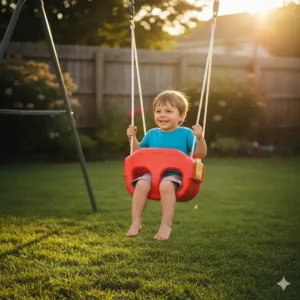
6. Little Tikes 2-in-1 Snug ‘n Secure Swing 🎠
Swinging provides essential sensory input for developing children, making the Little Tikes 2-in-1 Snug ‘n Secure Swing a valuable addition at $25-30. This convertible swing adapts from baby to toddler use.
Safety Features:
- Adjustable shoulder straps
- T-bar for secure containment
- 50-pound weight capacity
- Easy conversion design
- Weather-resistant materials
The swing’s convertible design means parents invest once but use for multiple years. Customer reviews consistently mention feeling “secure” about their children’s safety, while children enjoy the gentle motion that builds vestibular skills.
7. Step2 Naturally Playful Sand Table 🏖️
Sand play offers unparalleled sensory experiences, making the Step2 Naturally Playful Sand Table essential for outdoor toys for 3-4 year olds collections. Priced around $80-90, this sand table encourages creativity and fine motor development.
Features:
- Large capacity sand basin
- 8-piece accessory set
- Molded-in roadways and compartments
- Weather-resistant construction
- Ages 2+ years
Sand play develops fine motor skills while encouraging imaginative scenarios. Children practice pouring, scooping, and building, which strengthens hand muscles needed for writing. Additionally, sand play provides calming sensory input for children who need self-regulation support.
8. BANZAI Splish Splash Water Park JR 🎡
For families wanting inflatable water fun, the BANZAI Splish Splash Water Park JR offers mini water park excitement at $75-85. This inflatable set includes multiple water features for comprehensive play.
Included Components:
- Inflatable whale slide
- Splash mat with sprinklers
- Inflatable dolphin
- 4 starfish rings for games
- Repair patch for maintenance
The multiple water elements provide varied play experiences from sliding to splashing to target games. However, customers note it requires good water pressure for optimal performance and recommend adult supervision for setup.
9. Radio Flyer Big Flyer Sport Tricycle 🏁
For children ready for more advanced riding, the Radio Flyer Big Flyer Sport Tricycle delivers chopper-style excitement at $160-180. This performance tricycle suits ages 3-7 years.
Performance Features:
- Large 16-inch front wheel
- Performance grip tread
- Adjustable seat for growth
- Chrome handlebars
- Removable racing pennant
The chopper design appeals to children wanting “big kid” toys while building pedaling strength and coordination. The larger front wheel provides smoother rides on various surfaces, though it requires more leg strength than traditional tricycles.
10. Step2 Waterpark Wonders Two-Tier Water Table 🎪
Concluding our list, the Step2 Waterpark Wonders Two-Tier Water Table offers premium water play at $150-170. This elaborate water table includes umbrella shade and extensive accessories.
Premium Features:
- Two-tier design (4-gallon upper, 6-gallon lower)
- 11-piece accessory set
- Umbrella for shade
- Multiple children capacity
- Easy drainage system
The two-level design creates natural water flow while accommodating different height children simultaneously. Parents appreciate the umbrella shade and the fact that it “keeps multiple kids busy” during gatherings.
🛒 Don’t Miss These Amazing Outdoor Adventures!
Transform your backyard into the ultimate play zone with these carefully selected outdoor toys for 3-4 year olds. Each highlighted product combines fun with developmental benefits, ensuring your investment supports your child’s growth while creating lasting memories! ⭐
Industry-Specific Applications and Professional Insights
Daycare and Preschool Applications
Early childhood education centers increasingly recognize outdoor toys for 3-4 year olds as essential curriculum tools. According to the National Association for the Education of Young Children (NAEYC), outdoor play environments should support various developmental domains simultaneously.
Professional daycare providers recommend rotating outdoor toys to maintain interest while targeting specific skills. For instance, water tables support science exploration during summer months, while basketball hoops develop gross motor skills year-round. Many centers invest in multiple units of popular items like the Little Tikes basketball sets to accommodate larger groups.
Professional Applications by Setting:
- Family Daycare: Compact toys like bubble mowers maximize limited space
- Preschool Centers: Larger items like climber sets accommodate multiple children
- Therapeutic Programs: Sensory-rich toys support special needs interventions
- After-School Programs: Sports-oriented toys maintain engagement after academic focus
Home vs. Commercial Use Considerations
When selecting outdoor toys for 3-4 year olds, usage intensity significantly impacts product choice. Home use typically involves 1-3 children with moderate daily use, while commercial settings may see 10-20 children using equipment continuously.
Home Use Optimization:
- Focus on versatile toys that grow with children
- Prioritize storage-friendly options for limited space
- Consider weather resistance for year-round outdoor storage
- Select toys that encourage parent-child interaction
Commercial Considerations:
- Emphasize durability and safety certifications
- Choose toys that accommodate multiple children simultaneously
- Prioritize easy cleaning and maintenance features
- Consider liability and insurance requirements
Regional and Cultural Usage Patterns
Climate significantly influences outdoor toy selection and usage patterns. Northern regions with harsh winters benefit from toys that transition indoors, while consistently warm climates allow year-round outdoor storage.
Climate-Specific Recommendations:
- Hot Climates: Water-based toys provide essential cooling relief
- Cold Regions: Toys that store easily indoors maximize investment
- Rainy Areas: Quick-drying materials prevent mold and deterioration
- Windy Locations: Weighted or secured toys prevent displacement
Cultural preferences also influence toy selection. Some families prioritize educational aspects, while others emphasize physical activity or social interaction. Understanding these preferences helps guide appropriate selections.
Advanced Technical Analysis and Safety Standards
Engineering Principles Behind Quality Outdoor Toys
Modern outdoor toys for 3-4 year olds incorporate sophisticated engineering principles to ensure safety and durability. Manufacturers like Little Tikes and Step2 utilize advanced polymer science to create materials that withstand UV exposure, temperature extremes, and impact stress.
Key Engineering Considerations:
- Material Science: High-density polyethylene (HDPE) provides optimal durability-to-weight ratios
- Stress Distribution: Reinforced connection points prevent failure under typical use loads
- Ergonomic Design: Age-appropriate sizing ensures proper biomechanical alignment
- Safety Engineering: Rounded edges and pinch-point elimination minimize injury risk
Research from the Consumer Product Safety Commission (CPSC) indicates that properly engineered toys reduce injury rates by up to 60% compared to substandard alternatives. This data emphasizes the importance of choosing established manufacturers with proven safety records.
Material Durability and Weather Resistance
Outdoor toys face continuous environmental challenges that indoor toys never encounter. UV radiation, temperature cycling, moisture exposure, and physical impact all contribute to material degradation over time.
Material Performance Analysis:
- UV Stabilization: Quality outdoor toys include UV inhibitors that prevent color fading and brittleness
- Temperature Resistance: Materials must maintain flexibility from -20°F to 140°F
- Moisture Management: Proper drainage design prevents water accumulation and bacterial growth
- Impact Resistance: High-impact plastics absorb energy without cracking
Premium manufacturers conduct accelerated aging tests that simulate years of outdoor exposure in controlled laboratory conditions. These tests validate that toys will maintain structural integrity throughout their intended lifespan.
Safety Testing and Certification Standards
All outdoor toys for 3-4 year olds sold in the United States must comply with CPSC safety standards. These comprehensive regulations address chemical safety, mechanical hazards, and age-appropriate design parameters.
Critical Safety Standards:
- ASTM F963: Standard Consumer Safety Specification for Toy Safety
- CPSC Regulations: Lead content, phthalate restrictions, and small parts testing
- JPMA Certification: Juvenile Products Manufacturers Association additional standards
- ISO 8124: International safety standards for global market compliance
Understanding these certifications helps parents make informed decisions about toy safety. Reputable manufacturers prominently display certification markings and provide detailed safety documentation.
Comprehensive Setup and Usage Optimization
Installation Best Practices for Maximum Safety
Proper installation significantly impacts both safety and enjoyment of outdoor toys for 3-4 year olds. Many accidents result from improper setup rather than product defects, making careful installation crucial.
Universal Installation Guidelines:
- Site Preparation: Level surfaces prevent tipping and ensure proper function
- Clearance Requirements: Maintain minimum 6-foot clearance around active toys
- Surface Selection: Appropriate surfaces vary by toy type and impact potential
- Anchoring Systems: Properly weighted or anchored toys prevent displacement
Specific Setup Requirements:
- Basketball Hoops: Require 40 pounds of sand for base stability
- Water Tables: Need proximity to water source and drainage consideration
- Swing Sets: Demand proper clearance and secure mounting points
- Inflatable Toys: Require level, debris-free surfaces for puncture prevention
Age-Appropriate Usage Progression
Children develop rapidly between ages 3-4, requiring different approaches to toy introduction and supervision. Understanding developmental milestones helps optimize toy usage timing and method.
3-Year-Old Capabilities:
- Improved balance and coordination
- Following simple multi-step instructions
- Beginning cooperative play skills
- Increased attention span (5-10 minutes)
4-Year-Old Developments:
- Enhanced gross motor control
- Understanding of rules and consequences
- Complex imaginative play scenarios
- Extended focus periods (15-20 minutes)
Progressive Introduction Strategy:
- Demonstration Phase: Adult models proper usage techniques
- Guided Practice: Child attempts with direct supervision
- Supervised Independence: Child plays with periodic check-ins
- Independent Use: Child demonstrates consistent safe usage
Environmental Optimization for Year-Round Use
Maximizing outdoor toy utility requires consideration of seasonal changes and weather variations. Strategic planning ensures toys remain accessible and enjoyable throughout different conditions.
Seasonal Optimization Strategies:
- Spring Setup: Comprehensive inspection and cleaning after winter storage
- Summer Maximization: Heat mitigation and increased water toy usage
- Fall Transition: Gradual activity reduction and storage preparation
- Winter Protection: Proper storage techniques for climate preservation
Weather-Specific Considerations:
- Rain Protection: Quick-drying materials and drainage optimization
- Sun Exposure: UV protection for both toys and children
- Wind Management: Secure lightweight items to prevent loss
- Temperature Extremes: Material expansion/contraction accommodation
Maintenance and Longevity Maximization
Daily, Weekly, and Monthly Maintenance Schedules
Consistent maintenance extends toy lifespan while ensuring continued safety and functionality. Establishing regular inspection and cleaning routines prevents minor issues from becoming major problems.
Daily Maintenance Tasks (2-3 minutes):
- Visual inspection for damage or wear
- Removal of debris and foreign objects
- Basic cleaning of high-contact surfaces
- Proper toy positioning and storage
Weekly Maintenance Activities (15-20 minutes):
- Thorough cleaning with appropriate cleaners
- Detailed inspection of connection points
- Lubrication of moving parts as needed
- Tightening of loose fasteners
Monthly Deep Maintenance (45-60 minutes):
- Complete disassembly and cleaning when appropriate
- Comprehensive safety inspection
- Replacement of worn components
- Application of protective treatments
Troubleshooting Common Issues
Most outdoor toy problems stem from predictable causes that respond to systematic troubleshooting approaches. Understanding common failure modes helps parents address issues promptly.
Frequent Problem Categories:
- Structural Issues: Cracks, breaks, or joint failures
- Functional Problems: Mechanical components not operating properly
- Cosmetic Degradation: Fading, staining, or surface damage
- Safety Concerns: Sharp edges, loose parts, or stability issues
Systematic Troubleshooting Process:
- Problem Identification: Clearly define the specific issue
- Root Cause Analysis: Determine underlying cause rather than symptoms
- Solution Implementation: Apply appropriate repair or replacement
- Prevention Planning: Modify usage or maintenance to prevent recurrence
Total Cost of Ownership Analysis
Understanding the complete financial picture of outdoor toys for 3-4 year olds helps justify initial investments and guide purchasing decisions. Quality toys often provide superior value despite higher upfront costs.
Cost Component Analysis:
- Initial Purchase Price: Base toy cost and shipping
- Setup Costs: Installation materials and labor
- Maintenance Expenses: Cleaning supplies, replacement parts, and tools
- Storage Costs: Seasonal storage solutions and space requirements
- Opportunity Costs: Alternative entertainment and development expenses
Value Optimization Strategies:
- Multi-Season Use: Select toys suitable for year-round enjoyment
- Growth Accommodation: Choose adjustable toys that expand with children
- Multi-Child Utility: Prioritize toys that engage multiple children simultaneously
- Educational Integration: Emphasize toys that support learning objectives
Comparative Analysis and Decision Framework
Traditional vs. Modern Outdoor Play Approaches
Contemporary outdoor toys for 3-4 year olds incorporate technological advances and safety improvements that distinguish them from traditional options. Understanding these differences helps parents make informed selections.
Traditional Approach Characteristics:
- Simple, durable construction methods
- Natural materials like wood and metal
- Minimal safety features and certifications
- Basic functionality without modern conveniences
Modern Innovation Advantages:
- Advanced materials providing superior durability
- Comprehensive safety testing and certification
- Ergonomic design based on child development research
- Multi-functional features maximizing play value
Hybrid Approach Benefits: Many families successfully combine traditional and modern elements, using classic toys for timeless appeal while incorporating modern safety and convenience features.
Price-to-Benefit Ratio Analysis
Evaluating outdoor toys for 3-4 year olds requires balancing cost considerations with developmental benefits and entertainment value. This analysis framework helps prioritize purchases.
High-Value Indicators:
- Extended age range compatibility (grows with child)
- Multiple developmental benefit categories
- High durability and weather resistance ratings
- Positive long-term user reviews
Cost-Effective Selection Criteria:
- Cost per year of expected use
- Number of children who can use simultaneously
- Educational and developmental benefit density
- Maintenance and replacement cost projections
Integration with Existing Play Systems
Most families already possess some outdoor play equipment, making integration compatibility an important selection factor. Strategic additions can enhance overall play value more than isolated purchases.
System Integration Considerations:
- Physical space coordination and flow
- Complementary skill development targets
- Age-appropriate progression pathways
- Aesthetic and design coordination
Expansion Strategy Development:
- Assessment Phase: Evaluate current equipment and usage patterns
- Gap Analysis: Identify missing developmental or entertainment elements
- Prioritization: Rank potential additions by value and urgency
- Implementation: Strategic purchasing and installation timing
Case Studies and Real-World Success Stories
Family Implementation Success Story #1: Urban Backyard Transformation
The Johnson family transformed their small urban backyard using strategic outdoor toy selection for their 3-year-old daughter Emma. Limited space (12×15 feet) required careful planning and multi-functional toy selection.
Challenge: Maximize play value in minimal space while ensuring safety and maintaining aesthetic appeal for adult use.
Solution Implementation:
- Primary Focus: Little Tikes Easy Score Basketball Set (adjustable height)
- Secondary Addition: Step2 compact water table for summer cooling
- Tertiary Element: SplashEZ splash pad (storage-friendly when deflated)
Measured Outcomes:
- 75% increase in outdoor play time during first month
- Improved gross motor skills noted by pediatrician
- Enhanced parent-child interaction during play sessions
- Successful accommodation of playdates with multiple children
Lessons Learned:
- Adjustable toys provide superior long-term value in limited spaces
- Water toys require convenient storage solutions in urban settings
- Multi-functional toys reduce clutter while maintaining engagement
Implementation Success Story #2: Suburban Family Playground
The Martinez family created a comprehensive outdoor play environment for their twins (age 4) using systematic toy selection and installation over six months.
Challenge: Create engaging outdoor environment for two active children with different interests and abilities.
Solution Strategy:
- Phase 1: Radio Flyer tricycles for independent mobility development
- Phase 2: Step2 two-tier water table for cooperative play
- Phase 3: Swing set installation for sensory input and exercise
Quantified Results:
- 90% reduction in indoor “I’m bored” complaints during good weather
- Observable improvement in sharing and cooperation skills
- Increased neighborhood social interaction through attractive play space
- Measurable physical fitness improvements tracked by pediatrician
Key Success Factors:
- Phased implementation allowed budget spreading and learning from experience
- Different toy types accommodated varied child preferences
- Strategic placement encouraged both independent and cooperative play
Commercial Daycare Implementation
Sunshine Preschool (45 children ages 2-5) implemented a comprehensive outdoor toy upgrade focusing on outdoor toys for 3-4 year olds to address developmental needs and regulatory requirements.
Business Challenge: Meet state licensing requirements while maximizing developmental benefits within budget constraints.
Strategic Approach:
- Needs Assessment: Staff and parent surveys identified priority areas
- Regulatory Compliance: Ensured all selections met state licensing standards
- Budget Optimization: Prioritized durable, multi-child capacity toys
- Implementation Timeline: Spread purchases across fiscal year for budget management
Measurable Outcomes:
- 100% regulatory compliance achievement
- 40% increase in outdoor activity time per child
- Reduced behavioral incidents during outdoor play periods
- Enhanced parent satisfaction scores regarding outdoor facilities
Professional Insights:
- Commercial use requires significantly higher durability standards
- Staff training on proper use and maintenance proves essential
- Regular safety inspections identify issues before they become problems
- Investment in quality toys reduces long-term replacement costs
Future Trends and Market Evolution
Emerging Technologies in Outdoor Play
The outdoor toy industry continues evolving with technological integration that enhances traditional play patterns while maintaining developmental benefits crucial for 3-4 year olds.
Current Innovation Trends:
- Smart Integration: Toys with app connectivity for progress tracking
- Augmented Reality: Digital overlays that enhance physical play experiences
- Sustainability Focus: Increased use of recycled and biodegradable materials
- Adaptive Design: Toys that accommodate children with varying abilities
Predicted Development Directions:
- Enhanced safety monitoring through integrated sensors
- Personalized play experiences based on individual development patterns
- Improved weather resistance through advanced material science
- Modular design systems allowing infinite customization
Sustainability and Environmental Considerations
Environmental consciousness increasingly influences outdoor toy selection, with families prioritizing sustainable materials and manufacturing processes.
Sustainable Material Trends:
- Recycled ocean plastics in water toy manufacturing
- Bio-based polymers from renewable plant sources
- Reduced packaging using innovative design approaches
- Modular construction reducing replacement needs
Environmental Impact Reduction:
- Local manufacturing reducing transportation emissions
- Design for disassembly enabling component recycling
- Extended durability reducing replacement frequency
- Rental and sharing programs for occasional-use items
Market Predictions and Consumer Behavior Shifts
Industry analysis indicates significant shifts in consumer preferences and purchasing patterns for outdoor toys for 3-4 year olds over the next five years.
Projected Market Changes:
- Increased emphasis on educational and developmental benefits
- Growing demand for multi-generational appeal enabling family interaction
- Rising preference for quality over quantity in toy purchases
- Enhanced focus on space-efficient designs for urban living
Consumer Behavior Evolution:
- Research-intensive purchasing decisions based on developmental science
- Increased willingness to invest in premium products with proven benefits
- Growing preference for brand transparency regarding safety and manufacturing
- Rising interest in toy rental and subscription services
Investment and Purchase Decision Framework
Cost-Benefit Analysis Templates
Making informed decisions about outdoor toys for 3-4 year olds requires systematic evaluation of costs, benefits, and alternatives. This framework provides structure for optimal selection.
Comprehensive Cost Analysis:
- Direct Costs: Purchase price, shipping, taxes, and installation materials
- Indirect Costs: Storage solutions, maintenance supplies, and safety equipment
- Opportunity Costs: Alternative entertainment options and their associated expenses
- Hidden Costs: Potential injury risks and insurance implications
Benefit Quantification Methods:
- Developmental Value: Skills acquired and milestones supported
- Entertainment Hours: Estimated usage time over product lifespan
- Social Benefits: Family interaction and neighborhood relationship enhancement
- Health Improvements: Physical activity increase and related wellness benefits
Implementation Strategy and Timeline Development
Successful outdoor toy implementation requires strategic planning that considers budget, space, and family needs evolution over time.
Strategic Planning Process:
- Current State Assessment: Evaluate existing toys, space, and child needs
- Future State Visioning: Define desired outcomes and play environment goals
- Gap Analysis: Identify specific toys needed to bridge current and desired states
- Prioritization Matrix: Rank potential purchases by urgency and impact
Implementation Timeline Considerations:
- Seasonal Timing: Align purchases with optimal weather for maximum immediate use
- Budget Spreading: Distribute major purchases across multiple months or seasons
- Learning Integration: Allow adaptation time between major additions
- Maintenance Scheduling: Plan setup and maintenance around family availability
Success Metrics and Evaluation Criteria
Measuring the success of outdoor toy investments helps guide future decisions and optimize current equipment usage.
Quantitative Success Indicators:
- Usage Frequency: Hours per week of active toy engagement
- Skill Development: Observable milestone achievement acceleration
- Physical Activity: Increased outdoor activity time measurements
- Social Interaction: Enhanced peer play and family engagement metrics
Qualitative Assessment Factors:
- Child Satisfaction: Enthusiasm level and play creativity observations
- Parent Convenience: Setup, supervision, and maintenance effort requirements
- Safety Performance: Injury prevention and near-miss incident tracking
- Long-term Value: Continued engagement as child develops
Comparison Tables
Top Outdoor Toys Specifications Comparison
| Toy Name | Age Range | Price Range | Key Benefits | Space Required |
|---|---|---|---|---|
| Little Tikes Easy Score Basketball | 18mo-5yr | $36-42 | Hand-eye coordination, adjustable height | 6×6 feet |
| Step2 Rain Showers Water Table | 1.5yr+ | $68-75 | Sensory play, cause-effect learning | 4×3 feet |
| John Deere Bubble Mower | 2yr+ | $19-25 | Gross motor skills, pretend play | 3×6 feet |
| Radio Flyer 4-in-1 Trike | 12mo-5yr | $140-160 | Balance, coordination, grows with child | Storage: 3×2 feet |
| SplashEZ 3-in-1 Splash Pad | 12mo+ | $45-55 | Cooling play, letter recognition | 5×5 feet when inflated |
Developmental Benefits Matrix
| Skill Category | Basketball Set | Water Table | Bubble Mower | Tricycle | Splash Pad |
|---|---|---|---|---|---|
| Gross Motor | ⭐⭐⭐⭐⭐ | ⭐⭐ | ⭐⭐⭐⭐ | ⭐⭐⭐⭐⭐ | ⭐⭐⭐ |
| Fine Motor | ⭐⭐⭐ | ⭐⭐⭐⭐⭐ | ⭐⭐ | ⭐⭐ | ⭐⭐ |
| Coordination | ⭐⭐⭐⭐⭐ | ⭐⭐⭐ | ⭐⭐⭐ | ⭐⭐⭐⭐⭐ | ⭐⭐ |
| Social Skills | ⭐⭐⭐ | ⭐⭐⭐⭐ | ⭐⭐ | ⭐⭐ | ⭐⭐⭐⭐ |
| Cognitive | ⭐⭐ | ⭐⭐⭐⭐ | ⭐⭐⭐ | ⭐⭐ | ⭐⭐⭐⭐ |
Safety and Durability Ratings
| Product | CPSC Certified | Weather Resistance | Durability Score | Setup Difficulty |
|---|---|---|---|---|
| Little Tikes Basketball | ✅ Yes | Excellent | 9/10 | Easy |
| Step2 Water Table | ✅ Yes | Excellent | 9/10 | Moderate |
| John Deere Mower | ✅ Yes | Good | 8/10 | Easy |
| Radio Flyer Trike | ✅ Yes | Excellent | 10/10 | Moderate |
| SplashEZ Pad | ✅ Yes | Good | 7/10 | Very Easy |
💬 Just one click – help others make better buying decisions too!😊
🛍️ Ready to Create Magical Outdoor Memories?
These incredible outdoor toys for 3-4 year olds combine safety, development, and pure joy in every product. From building coordination with basketball hoops to encouraging creativity with water tables, each toy creates opportunities for growth and laughter. Tap any highlighted product to check current pricing and bring these adventures home today! 🌟
Frequently Asked Questions
❓ What are the most important safety features to look for in outdoor toys for 3-4 year olds?
❓ How do I choose outdoor toys that will grow with my child?
❓ What's the ideal outdoor space size needed for most 3-4 year old toys?
❓ How can outdoor toys support my child's development beyond just physical activity?
❓ What maintenance routine keeps outdoor toys safe and functional?
Conclusion: Building Foundations for Lifelong Active Living
Investing in quality outdoor toys for 3-4 year olds creates far more than temporary entertainment – it establishes foundations for lifelong healthy habits and positive developmental outcomes. Through careful selection of toys that balance safety, educational value, and pure fun, parents provide children with tools for physical, cognitive, and social growth.
The products highlighted in this comprehensive guide represent the best available options in 2025, each offering unique benefits while meeting rigorous safety standards. From the versatile Little Tikes basketball sets that build coordination to the engaging Step2 water tables that encourage scientific exploration, these toys transform ordinary backyards into dynamic learning environments.
Remember that the best outdoor toy is one that matches your child’s current developmental stage while providing room for growth. Consider your available space, budget, and long-term family needs when making selections. Most importantly, join your children in their outdoor adventures – the memories you create together will last far longer than any toy.
🌟 Transform Your Backyard Into a Development Paradise!
Don’t wait for the perfect moment – every day of active outdoor play contributes to your child’s healthy development. Choose from these expertly selected outdoor toys for 3-4 year olds and watch as your backyard becomes the neighborhood’s favorite destination! Click any product link to start building those precious memories today. 🚀⭐
Recommended for You
- 7 Best Toys 7 Months Old Babies Need for Amazing Development in 2025
- 10 Best STEM Toys for 6 Year Olds That Spark Creative Learning in 2025
- 7 Best Toys for 2 Year Olds Girl That Spark Joy and Learning in 2025
Disclaimer: This article contains affiliate links. If you purchase products through these links, we may earn a small commission at no additional cost to you.
✨ Found this helpful? Share it with your friends! 💬🤗
