
In This Article
✨Was this helpful? Spread the word! 🚀
Ever watched a child chew through their fifth pencil this week? Or noticed your teen gnawing on their hoodie strings during homework? You’re not alone. I’ve been there with my own nephew, desperately searching for something—anything—that would redirect his constant need to chew.
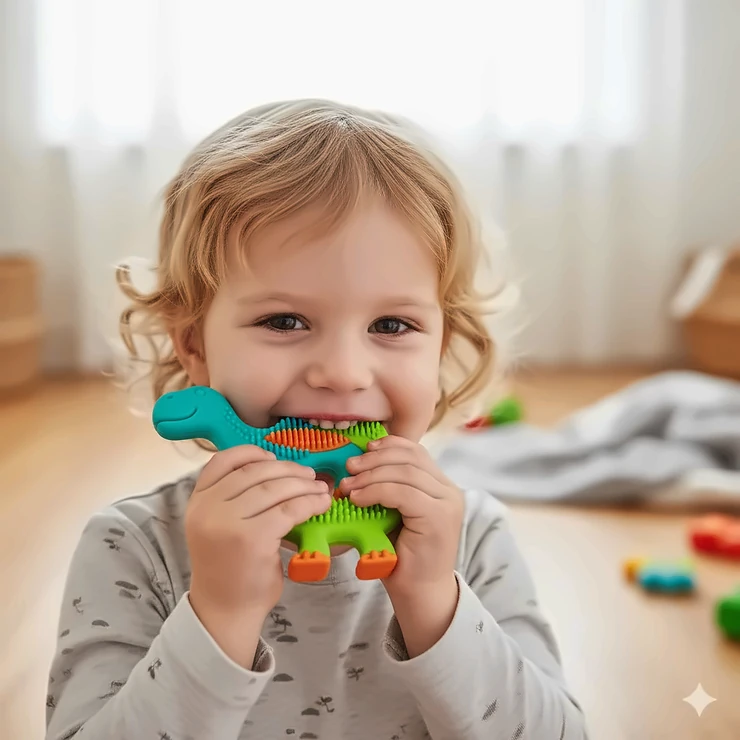
Here’s the thing: a sensory bite toy isn’t just another fidget trend. It’s a legitimate tool that provides oral motor stimulation for individuals with autism, ADHD, anxiety, or sensory processing needs. According to the CDC, approximately 1 in 36 children in the United States has autism spectrum disorder, and many benefit from sensory chew tools to manage oral sensory seeking behaviors.
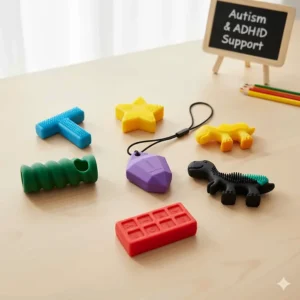
What exactly is a sensory bite toy? Think of it as a safe, purpose-built chewing tool made from food-grade silicone or medical-grade materials. Unlike random objects kids might chew on—shirt collars, pencil erasers, or worse—these tools are designed specifically for oral stimulation. They come in various textures, hardness levels, and designs to meet different sensory needs.
The beauty of chew toys for sensory needs lies in their simplicity and effectiveness. When my sister first introduced a bite sensory toy to my nephew during occupational therapy, the difference was immediate. His fingernails finally had a chance to grow back, and his shirts stayed intact. More importantly, he seemed calmer and more focused during schoolwork.
Throughout this guide, we’ll explore seven expertly-selected options, from budget-friendly multi-packs to premium therapeutic-grade tools. Whether you’re looking for a discreet oral sensory toy for your teenager or a colorful chewable for your elementary schooler, I’ve got you covered with real products, honest reviews, and practical advice you can actually use.
Quick Comparison Table
| Product | Best For | Toughness Level | Price Range | Rating |
|---|---|---|---|---|
| ARK Krypto-Bite | All ages, discreet wear | Standard to XXT | $13-$16 | 4.6/5 |
| Munchables Tree of Life | Mild-moderate chewers | Moderate | $12-$15 | 4.5/5 |
| GNAWRISHING 8-Pack | Value seekers, variety | Moderate | $16-$20 | 4.3/5 |
| Chewy Tubes Combo | Therapy/clinical use | Varied textures | $14-$18 | 4.7/5 |
| Special Supplies 16-Pack | Classrooms, groups | Mild | $22-$28 | 4.2/5 |
| ARK Brick Stick | Hand fidgeters | Standard to XXT | $14-$17 | 4.6/5 |
| Ausbay Shark Tooth | Fashionable design | Mild-moderate | $10-$14 | 4.4/5 |
💬 Just one click – help others make better buying decisions too!😊
🛒 Ready to Find Your Perfect Match?
✨ These carefully selected products are just a click away! Each option has been thoroughly researched to meet different sensory needs and budgets. Check current Amazon pricing and read hundreds of verified customer reviews to make the best choice for your family!
Top 7 Sensory Bite Toy Options: Expert Analysis
1. ARK Therapeutic Krypto-Bite Chew Necklace
ARK Krypto-Bite Sensory Chew Necklace stands out as my top recommendation for families seeking medical-grade quality. Made in the USA, this oral motor toy represents the gold standard in sensory chewing tools.
Key Specifications:
- Available in three toughness levels (Standard, XT, XXT)
- 2.75 inches long with textured surface
- Medical-grade, BPA-free silicone
- Includes 30-inch adjustable cord with breakaway clasp
- Multiple color options match toughness levels
The genius of this sensory oral toy lies in its color-coding system. Red indicates the softest option for mild chewers, while colors like teal and lavender signal firmer options for aggressive chewers. This takes the guesswork out of choosing the right chew strength.
Price Range: $13-$16 per necklace
Customer Feedback: Parents consistently praise its durability and the fact that it’s developed by a speech-language pathologist. One verified buyer noted, “Finally found something that lasts more than a week with my aggressive chewer.” However, some customers mention the XXT level might be too firm for beginners.
Pros:
✅ Made in USA with medical-grade materials
✅ Three toughness levels for different chewing needs
✅ Third-party lab tested for safety
✅ Excellent for back molar chewing
✅ Developed by speech therapists
Cons:
❌ Higher price point than multi-packs
❌ XXT level may be too firm for sensitive users
2. Munchables Tree of Life Sensory Chew Necklace
The Munchables Tree of Life offers sophistication that older kids and adults actually want to wear. As a Canadian mom-owned company, Munchables has earned recognition from the Canadian Association of Occupational Therapists for their therapeutic value.
Key Specifications:
- Intricate tree design with multiple chewing surfaces
- Food-grade silicone construction
- Suitable for mild to moderate chewers
- Breakaway safety clasp included
- Various color combinations available
What sets this bite toy sensory option apart is its aesthetic appeal. It doesn’t scream “sensory tool”—it looks like stylish jewelry. My friend’s 14-year-old daughter wears hers daily without any self-consciousness, which is huge for teens navigating social situations.
Price Range: $12-$15
Customer Feedback: Reviews highlight the attractive design and 90-day chew guarantee. However, aggressive chewers report it may not withstand heavy back-tooth chewing, with edges showing wear within days. According to a report from CAOT, Munchables products can help “replace inappropriate chewing behavior and provide potential regulating effects for the sensory system.”
Pros:
✅ Sophisticated, age-appropriate design for teens/adults
✅ 90-day chew guarantee from manufacturer
✅ Recommended by occupational therapists
✅ Multiple textures in one pendant
✅ Canadian-made quality
Cons:
❌ Not suitable for aggressive chewers
❌ Some users report edges wear faster than expected
3. GNAWRISHING Diamond Sensory Chew Necklace 8-Pack
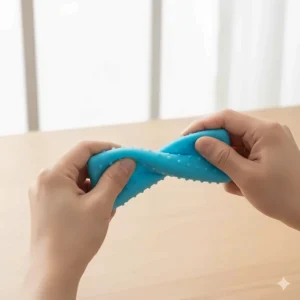
The GNAWRISHING 8-Pack Diamond Chew Necklaces delivers unbeatable value for families, classrooms, or anyone wanting variety. This sensory chew toy set includes eight different colors, perfect for rotating options or sharing among multiple children.
Key Specifications:
- 8 diamond-shaped pendants in rainbow colors
- 60A durability silicone formulation
- 2.75 inches of tactile feedback per pendant
- Matching colored cords with breakaway clasps
- Food-grade, BPA-free construction
The diamond shape provides multiple biting surfaces and edges, catering to different chewing preferences. The set’s affordability means you can experiment without financial stress, and having backups ready when one gets misplaced (because let’s be honest, that happens) is a game-changer.
Price Range: $16-$20 for 8-pack
Customer Feedback: Users appreciate the value and variety. One parent shared, “Perfect for rotating so my son doesn’t get bored with one style.” However, several reviews note these work best for mild to moderate chewers. Heavy chewers managed to bite through edges within two weeks, though most found them adequately durable.
Pros:
✅ Excellent value—under $3 per necklace
✅ Eight color varieties prevent boredom
✅ Textured surface for varied sensory input
✅ Great for classrooms or multiple children
✅ Sterilized before shipping
Cons:
❌ May not withstand very aggressive chewing
❌ Clasp durability varies according to some users
4. Chewy Tubes Combo Pack with Chew Stixx
Chewy Tubes CHEW STIXX Combo represents the therapy-grade option that occupational therapists and speech pathologists actually use in clinical settings. This isn’t just a sensory toy bite tool—it’s legitimate oral motor equipment designed to develop biting and chewing skills.
Key Specifications:
- Includes 4 different sizes: Small, Medium, Medium Knobby, Large
- Multiple textures simulate varying food textures
- Non-toxic, latex-free, lead-free construction
- PVC and phthalate-free formulation
- Hollow design for jaw strengthening exercises
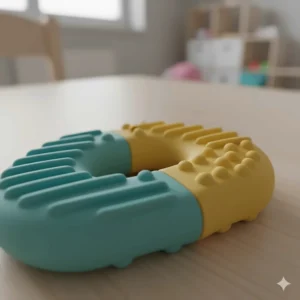
The variety pack approach makes this sensory oral motor toy incredibly versatile. The small yellow tube works for beginners or those with limited jaw opening, while the large blue option challenges more advanced users. The knobby green tube adds extra sensory feedback that some users crave.
According to research from <a href=”https://www.asha.org/” target=”_blank” rel=”noopener”>ASHA (American Speech-Language-Hearing Association)</a>, oral motor tools like these can support feeding therapy and speech development when used under professional guidance.
Price Range: $14-$18
Customer Feedback: Therapists love the clinical versatility, and parents report excellent durability. One SLP reviewer noted, “These last for months even with daily therapy use.” The main criticism involves the hollow design—some parents worry about small pieces if aggressive chewers bite through, though this is rare.
Pros:
✅ Clinically designed for therapy use
✅ Four different resistance levels in one pack
✅ Therapist-recommended and widely used
✅ Excellent for oral motor skill development
✅ Highly durable construction
Cons:
❌ Less discreet than pendant-style options
❌ Requires more supervision due to hollow design
5. Special Supplies Chewy Jewelry 16-Pack Bundle
The Special Supplies Chewy Jewelry 16-Pack is the classroom teacher’s dream—eight necklaces plus eight bracelets that can outfit an entire special education class or provide endless variety for one enthusiastic chewer.
Key Specifications:
- 8 chew necklaces + 8 chew bracelets
- Coiled telephone-cord design
- Food-grade silicone, BPA-free
- Heat-resistant for dishwasher cleaning
- Translucent color options available
The braided coil design provides satisfying stretch and resistance that many sensory seekers adore. Unlike rigid pendants, these twist, pull, and bounce back—adding a whole different dimension to the bite sensory experience. However, the coil texture can occasionally catch hair, which some users with long hair find annoying.
Price Range: $22-$28 for complete 16-piece set
Customer Feedback: Teachers rate this highly for classroom use, praising the bulk value. One special education teacher wrote, “Having extras means no arguments when one needs washing.” Parents of multiple children also appreciate the variety. The main complaint centers on durability with very aggressive chewers, though most report several weeks to months of use.
Pros:
✅ Incredible bulk value for classrooms
✅ Includes both necklaces and bracelets
✅ Coil design offers unique sensory feedback
✅ Heat-resistant for easy cleaning
✅ Multiple backup options included
Cons:
❌ Coil design may catch long hair
❌ Not ideal for heavy-duty chewing
6. ARK Therapeutic Brick Stick Chew Necklace
The ARK Brick Stick brilliantly combines oral and hand fidgeting needs in one tool. This sensory bite toy features two distinct textures on opposite sides, making it incredibly versatile for users who need both chewing and tactile input.
Key Specifications:
- Dual-textured design (large bumps vs. small bumps)
- Available in Standard, XT, and XXT toughness
- 2-inch length, 1.1-inch width
- Functions as both chew and hand fidget
- Medical-grade USA-made materials
One side sports large bumps for intense sensory feedback, while the flip side offers smaller bumps for subtler stimulation. Users can switch based on their current sensory needs—brilliant for those whose preferences vary throughout the day. The rectangular shape also makes it easy to grip and manipulate as a hand fidget when not chewing.
Price Range: $14-$17
Customer Feedback: The dual-functionality receives high marks. Parents report kids who fidget with it during lectures or car rides, then chew during stressful moments. The main consideration is sizing—the wide design works great for premolar chewing but may be too thick for some mouths to comfortably position on back molars.
Pros:
✅ Doubles as hand fidget and chew tool
✅ Two texture options on one pendant
✅ Three firmness levels available
✅ Wide surface area for premolar chewing
✅ Speech therapist designed
Cons:
❌ Width may be challenging for smaller mouths
❌ Slightly higher cost for single unit
7. Ausbay Shark Tooth Sensory Chew Necklace 3-Pack
The Ausbay Shark Tooth Sensory Chew Necklace wins for coolest design that kids actually beg to wear. The unique shark tooth shape appeals to boys especially, though plenty of girls love them too—because who doesn’t think sharks are awesome?
Key Specifications:
- Patented shark tooth design
- Tiny grooves on both sides plus jagged edges
- 100% food-grade silicone, third-party tested
- 3-pack with different colors
- Gender-neutral appeal
The grooves provide gentle gum massage while the jagged edges offer varied bite points. This variety in one pendant helps prevent sensory boredom, where users lose interest in monotonous textures. The tooth shape also serves as a conversation starter rather than a point of embarrassment.
Price Range: $10-$14 for 3-pack
Customer Feedback: Kids love the design, with parents noting increased compliance in wearing them. One reviewer shared, “My son actually asks for his ‘shark tooth’ before school!” However, these are recommended for mild to moderate chewers only. Several aggressive chewers managed to bite off the pointed tip within the first week.
Pros:
✅ Cool design kids want to wear
✅ Excellent value at 3 necklaces for under $15
✅ Third-party safety tested
✅ Multiple sensory surfaces in one pendant
✅ Handmade quality control
Cons:
❌ Not suitable for aggressive chewers
❌ Pointed edges may wear faster
Understanding Sensory Bite Toy Benefits
Why Oral Sensory Tools Matter
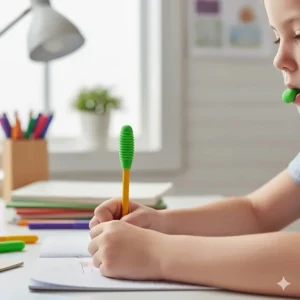
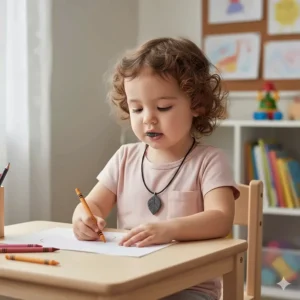
Let me paint you a picture: your child sitting in class, completely focused on the lesson instead of chewing their pencil to splinters. That’s the power of an appropriate sensory bite toy. But the benefits run deeper than just saving school supplies.
Oral sensory seekers have a neurological need for mouth stimulation. Their sensory systems crave input through biting, chewing, or sucking to feel regulated and calm. Without a proper outlet, they’ll find inappropriate objects—fingernails, shirt collars, pen caps—to meet this need. A quality chew toy for sensory input provides this stimulation safely.
The Science Behind Chewing and Focus
Research published in the Journal of Behavioral and Brain Science suggests that rhythmic chewing activates specific areas of the brain associated with attention and stress regulation. When individuals with ADHD or autism chew on a bite toy sensory tool, they’re literally helping their brains maintain optimal arousal levels for learning and focus.
The National Institute of Mental Health recognizes sensory integration therapy as a component of comprehensive autism treatment, and oral motor tools play a role in this therapy approach.
Physical and Emotional Benefits
Physical Advantages:
- Strengthens jaw muscles for improved eating skills
- Provides proprioceptive input to the jaw and face
- Reduces destructive chewing on inappropriate items
- Protects teeth from grinding and jaw from TMJ issues
- Supports oral motor development in young children
Emotional and Behavioral Benefits:
- Decreases anxiety through self-soothing
- Improves classroom attention and focus
- Reduces aggressive behaviors triggered by sensory needs
- Builds confidence by providing socially acceptable coping tool
- Helps with emotional regulation during transitions or stress
I’ve seen firsthand how a simple sensory oral toy transformed my nephew’s school experience. His teacher reported fewer behavioral incidents and better work completion. His confidence soared when he no longer felt ashamed about his chewing needs.
Choosing the Right Sensory Bite Toy: A Comprehensive Guide
Assessing Chewing Strength and Needs
Not all mouths are created equal, and neither are chew toys. Matching the right toughness level to your child’s chewing intensity is crucial for both safety and satisfaction. Here’s how to figure out what you need:
Mild Chewers: These users mouth items gently, rarely leave teeth marks, and typically chew intermittently rather than constantly. Think of the child who occasionally nibbles their shirt collar during tests. Standard/soft options like Munchables or Ausbay work beautifully.
Moderate Chewers: You’ll see definite teeth marks on pencils and erasers that get destroyed within days. These folks need something with more resistance—ARK XT level products or GNAWRISHING options fit perfectly.
Aggressive/Heavy Chewers: These power chewers can bite through regular silicone in hours. They need XXT (super tough) options like ARK’s firmest levels or consider multiple backups. Chewy Tubes’ largest sizes also hold up well for this group.
Age-Appropriate Selection
Young Children (3-6 years): Look for shorter pendants they can easily position in smaller mouths. Bright colors and fun shapes like Ausbay’s shark tooth maintain interest. Supervision remains critical at this age.
Elementary Age (7-11 years): This group benefits from variety packs like GNAWRISHING’s 8-pack. They’re old enough to express preferences but still enjoy colorful options. Chew strength often increases in this range.
Teens and Adults (12+): Discreet, sophisticated designs matter here. Munchables’ jewelry-style options or ARK’s subtle shapes allow for use in public without embarrassment. Firmness levels often need to be higher for developed jaw strength.
Material Safety Considerations
Never compromise on materials when it comes to sensory oral toys. Here’s what to absolutely demand:
✅ Food-grade or medical-grade silicone
✅ BPA-free certification
✅ Phthalate-free formulation
✅ Lead-free and cadmium-free
✅ Third-party lab testing verification
✅ Made in USA or Canada (typically higher safety standards)
Avoid products with vague material descriptions or those manufactured in countries with lax safety regulations. The mouth is one of the most absorbent areas of the body—what goes in there matters tremendously.
Texture and Shape Preferences
Sensory preferences are wildly individual. Some users crave smooth surfaces for gentle stimulation, while others need aggressive bumps and ridges for intense feedback. Many benefit from variety to prevent sensory habituation.
Smooth textures: Calming, less intense, good for beginners
Bumpy/textured: Stronger stimulation, preferred by deep sensory seekers
Mixed textures: Best of both worlds, like ARK Brick Stick
Varied shapes: Different bite positions—P-shape, Y-shape, rectangular, cylindrical
Don’t be surprised if preferences change over time or even throughout the day. Having 2-3 different options available allows users to self-select based on current needs.
Sensory Bite Toy vs Traditional Chewing Alternatives
| Feature | Sensory Bite Toy | Chewing Gum | Random Objects | Teething Toys |
|---|---|---|---|---|
| Safety | High – designed for purpose | Choking risk, sugar concerns | Dangerous, unsanitary | Limited durability |
| Effectiveness | Purpose-built for sensory needs | Temporary, not always allowed | Inappropriate, damaging | Not designed for older kids |
| Durability | Months with proper use | Disposable, costly long-term | Destroyed quickly | Break easily |
| Social Acceptance | Discreet, normalized | Limited settings | Embarrassing | Only appropriate for babies |
| Cost | $10-30 initial investment | $5-10 monthly | “Free” but costly in damaged items | $5-15 but age-limited |
| Texture Variety | Multiple options available | Limited | Dangerous variety | Very limited |
| Professional Recommendation | OT/SLP approved | Not therapeutic | Discouraged | Age-restricted only |
The comparison makes it clear: while gum might work temporarily in some settings, and random objects are readily available, nothing matches the safety, effectiveness, and appropriateness of a proper bite sensory tool designed specifically for oral motor needs.
How to Introduce a Sensory Bite Toy Successfully
Setting Up for Success
Introducing a new sensory bite toy requires more finesse than just handing it over. I learned this the hard way when my nephew rejected his first chew necklace because we didn’t prepare him properly.
Step 1: Choose Together Involve your child in the selection process. Show them options and let them pick colors or shapes they like. Ownership increases compliance dramatically.
Step 2: Explain the Purpose Frame it positively: “This is a special tool to help your body feel calm and focused” rather than “Stop chewing your shirt!” Focus on what it does FOR them, not what it prevents.
Step 3: Model Appropriate Use Demonstrate correct positioning and chewing techniques. Some kids benefit from seeing occupational therapists model usage first.
Step 4: Establish Clear Guidelines Create simple rules: “We chew on the necklace, not the cord or clasp.” “If it breaks, tell an adult immediately.” “Clean it daily.”
Step 5: Provide Consistent Access Keep the sensory oral toy readily available—worn around the neck, clipped to a backpack, or in an easy-to-reach pocket. Out of sight equals out of mind for many sensory seekers.
School Implementation Strategies
Getting schools on board requires documentation and communication. Here’s your action plan:
1. Get Professional Recommendations: Ask your child’s occupational therapist or pediatrician for a letter recommending a sensory chew tool as part of their sensory diet.
2. Include in IEP or 504 Plan: Document the sensory bite toy as an accommodation. Specific language like “Student will have access to approved oral sensory tool during class” protects this right.
3. Educate Teachers: Provide a brief explanation of why the tool helps your child focus and self-regulate. Emphasize it’s not a toy but a therapeutic tool, similar to glasses or hearing aids.
4. Supply Backups: Send an extra chew toy to keep at school. Kids lose things—having a backup prevents disruption.
5. Address Peer Questions: Prepare your child with simple explanations: “It helps me concentrate” or “My doctor recommended it for my sensory needs.”
Maintenance and Replacement Guidelines
Even the toughest bite toy sensory options eventually wear out. Here’s how to maximize lifespan and recognize replacement time:
Daily Care:
- Rinse with warm water after each use
- Apply mild soap weekly for deep cleaning
- Air dry completely before storage
- Inspect for tears, cracks, or thin spots
Deep Cleaning:
- Most are dishwasher-safe (top rack only)
- Some can be boiled for sterilization (check manufacturer guidelines)
- Replace immediately if discoloration occurs
- Never use harsh chemicals that could leach into silicone
Replacement Indicators:
❌ Visible teeth marks that penetrate more than 1/3 depth
❌ Tears or holes anywhere on the pendant
❌ Chunks missing from edges
❌ Color changes suggesting material degradation
❌ Decreased resistance (feels softer than when new)
Most quality options last 2-6 months with regular use, though aggressive chewers may need monthly replacements. Buy in bulk when possible to reduce per-unit costs for frequent replacers.
Sensory Bite Toy for Specific Conditions
Autism Spectrum Disorder
For individuals with autism, a sensory bite toy serves multiple critical functions beyond simple oral stimulation. The predictable sensory input provides comfort during overwhelming situations, while the chewing motion offers proprioceptive feedback that many autistic individuals crave.
The Autism Society recognizes sensory tools as valuable components of comprehensive support strategies. Many autistic children and adults experience sensory processing differences that make them seek intense oral input.
Best Options for Autism:
- ARK Therapeutic products (medical-grade, OT-recommended)
- Munchables (Canadian occupational therapist-recommended)
- Varied texture options to accommodate changing sensory needs
ADHD and Focus Issues
The connection between chewing and improved attention in ADHD is well-documented. When someone with ADHD chews on a bite sensory device, they’re engaging the motor cortex in a rhythmic pattern that helps regulate attention systems.
Think of it as giving the fidgety part of the brain something to do so the thinking part can focus. Students who use oral sensory toys during lectures often report improved note-taking and information retention. The key is finding a non-disruptive option—pendant-style necklaces work better than larger hand-held options in classroom settings.
Best Options for ADHD:
- Discreet designs like Munchables Tree of Life
- Multi-pack variety like GNAWRISHING to prevent boredom
- Moderate firmness for sustained chewing without jaw fatigue
Anxiety and Stress Management
Chewing provides a natural stress-relief mechanism that humans instinctively seek. Ever notice how people chew gum during tense situations? A sensory chew toy offers this same calming effect without the drawbacks of gum (choking hazards, social inappropriateness in some settings, sugar concerns).
The repetitive motion of chewing triggers the parasympathetic nervous system, promoting relaxation. For individuals with anxiety disorders, having a portable, socially acceptable way to self-soothe can be transformative.
Best Options for Anxiety:
- Smooth textures like Chewy Tubes for calming input
- Portable pendant styles for on-the-go access
- Multiple backup options to prevent anxiety about losing the tool
Oral Motor Development
Speech therapists and feeding therapists frequently incorporate chew toys into treatment plans for children with oral motor delays. These tools strengthen jaw muscles, improve tongue positioning, and develop the coordination needed for clear speech and safe eating.
Chewy Tubes specifically were designed for this therapeutic purpose, with graduated resistance levels that challenge developing muscles progressively. The hollow design also works for specific exercises that build lip seal and breath control.
Best Options for Oral Motor Therapy:
- Chewy Tubes Combo Pack (therapy-grade)
- ARK Therapeutic line (SLP-designed)
- Professional guidance for proper exercises and progression
Common Mistakes to Avoid with Sensory Bite Toys
Buying the Wrong Toughness Level
This represents the number one mistake I see parents make. They either underestimate their child’s chewing power (resulting in destroyed products within hours) or overcompensate with tools so hard the child can’t effectively chew them.
Start with a moderate option unless you have clear evidence of extreme chewing behavior. You can always move up in firmness, but starting too firm may cause jaw pain or immediate rejection of the tool.
Insufficient Supervision for Young Users
While these tools are safer than random objects, they’re not babysitters. Young children especially need supervision to ensure proper use. Aggressive chewers can potentially bite off pieces, creating choking hazards if not monitored.
The cords and clasps aren’t meant for chewing—supervise to ensure kids chew only the pendant portion. Remove necklaces during sleep and unsupervised play.
Not Having Backup Options
Nothing derails progress faster than a lost or broken sensory bite toy without a replacement ready. Keep at least one backup at home and another at school. The few extra dollars spent on backups pale in comparison to the behavioral challenges that emerge when a dependent user suddenly has no access to their tool.
Forcing Use Instead of Encouraging
If a child resists their chew toy, forcing it creates negative associations. Instead, investigate why: wrong texture, uncomfortable fit, embarrassing design, or maybe they simply don’t have strong oral sensory needs after all.
Try different options, involve them in selection, and consider working with an occupational therapist to properly assess sensory needs. Not every child who chews pencils needs a sensory oral toy—some simply need redirection and behavioral strategies.
Neglecting Cleaning and Maintenance
A dirty chew toy is a breeding ground for bacteria. Daily rinsing and weekly deep cleaning aren’t optional—they’re essential for health and safety. Develop a routine: rinse after use, deep clean on weekends, inspect before each use.
Replace tools that show signs of wear before they become safety hazards. I recommend marking a calendar reminder for monthly inspections so this crucial task doesn’t slip through the cracks.
Price Range and Value Analysis
Budget-Friendly Options ($10-15)
For families testing the waters or needing bulk quantities, several excellent budget options exist:
- Ausbay 3-Pack ($10-14): Best value for testing multiple colors
- GNAWRISHING 8-Pack ($16-20): Under $3 per necklace, unbeatable variety
- Single Munchables pendants ($12-15): Good quality at accessible price
These options work wonderfully for mild to moderate chewers and provide excellent value for classrooms or families with multiple children. The trade-off typically involves slightly less durability compared to premium options.
Mid-Range Quality ($15-25)
This sweet spot offers the best balance of quality, durability, and value:
- ARK Therapeutic singles ($13-17): Medical-grade quality, USA-made
- Chewy Tubes Combo ($14-18): Therapy-grade tools with variety
- Special Supplies 16-Pack ($22-28): Excellent for groups, includes bracelets
Most families find this price range optimal for long-term use. The products last significantly longer than budget options, often paying for themselves through extended lifespan.
Premium and Specialty Tools ($25+)
For specific therapeutic needs or aggressive chewers requiring maximum durability:
- ARK multi-packs ($25-40): Include multiple toughness levels
- Specialized therapy tools ($30-50): Custom textures or shapes
- Professional-grade oral motor equipment ($40+): Clinical setting use
These investments make sense for confirmed heavy users or when working directly with therapists who recommend specific tools for treatment plans.
Long-Term Cost Considerations
Consider the math: A destroyed shirt costs $15-30. A chewed-up backpack strap runs $20-40 for replacement. Dental work to repair teeth damaged by grinding? Hundreds to thousands of dollars. Suddenly, investing $50-100 annually in quality sensory bite toys seems like a bargain.
Factor in the behavioral benefits—fewer meltdowns, better focus leading to improved school performance, increased confidence—and the return on investment becomes immeasurable.
Real User Success Stories and Testimonials
Classroom Transformation
Sarah, a special education teacher in Oregon, shared her experience implementing sensory chew toys in her classroom: “I have eight students with various needs, and before introducing chew necklaces, I spent half my energy managing inappropriate chewing behaviors. Now, with Special Supplies necklaces for each student, the difference is remarkable. Focus time has doubled, and behavioral incidents have dropped by 60%. It’s one of the simplest, most effective interventions I’ve ever used.”
Family Dynamics Improved
Jennifer from Texas described how ARK Krypto-Bite changed her family’s life: “My 9-year-old son went through three pencil boxes per semester, and his shirts all had stretched-out collars from constant chewing. Within a week of getting his Krypto-Bite necklace in the XXT firmness, the destruction stopped. More importantly, his teacher reported he’s completing assignments instead of seeking constant sensory input. Our battles over chewing have completely disappeared.”
Adult Professional Success
Mark, a 32-year-old software engineer with ADHD, uses a Munchables Lotus pendant: “I was skeptical about using a ‘kid’s toy’ at work, but the Lotus design looks like trendy jewelry. I can discreetly chew during meetings without anyone judging, and my productivity has noticeably improved. I go through one every 3-4 months, which seems reasonable considering how much I use it. My dentist even commented that my teeth grinding has decreased significantly.”
Autism Acceptance Journey
The Rodriguez family shares their son Miguel’s story: “When Miguel was diagnosed with autism at age 4, managing his oral sensory needs felt overwhelming. He would bite his hands until they bled. After working with his OT, we found GNAWRISHING necklaces in multiple colors. Miguel loves choosing his ‘chewy of the day,’ and his hand-biting has almost completely stopped. He’s now 8 and advocates for his own sensory needs, which has built amazing self-awareness and confidence.”
These stories represent thousands of similar experiences shared by families and professionals worldwide. While individual results vary, the common thread is clear: proper oral sensory tools make meaningful differences in daily functioning and quality of life.
Expert Tips from Occupational Therapists
Integrating Into Sensory Diets
Occupational therapist recommendations from my conversations with sensory specialists:
Timing Matters: Offer the chew toy proactively before challenging situations—transitions, homework time, crowded environments—rather than waiting for meltdowns. Prevention beats intervention every time.
Pair with Other Strategies: A bite sensory toy works best as part of comprehensive sensory support. Combine with movement breaks, deep pressure activities, and environmental modifications for optimal regulation.
Rotate Textures: Just like taste preferences, sensory preferences can habituate. Rotate between 2-3 different textures weekly to maintain effectiveness and interest.
Reading Sensory Cues
Learn to recognize when your child needs their chew tool:
- Increased fidgeting or restlessness
- Hand-to-mouth behaviors
- Decreased attention to tasks
- Escalating frustration or anxiety
- Physical signs like jaw clenching
Anticipating these cues and offering the sensory oral toy early prevents escalation and helps build self-awareness over time.
Building Independence
The ultimate goal involves teaching users to recognize their own needs and self-advocate. Start by narrating: “I notice you’re chewing your sleeve. Your body is telling you it needs input. Would your chew necklace help?”
Gradually transfer this awareness: “What is your body telling you right now?” Eventually, many users independently reach for their bite toy when needed—a huge milestone in self-regulation.
Latest Research and Developments
2025 Material Innovations
The sensory tool industry continues evolving with exciting developments. Several manufacturers now offer antimicrobial-infused silicone that inhibits bacterial growth between cleanings—particularly useful for users who can’t maintain daily cleaning routines.
Temperature-responsive materials that provide cooling sensations when chewed are gaining popularity, especially for users who seek intense sensory feedback. These combine proprioceptive input with thermal input for multi-sensory benefits.
Emerging Evidence Base
Recent studies published in journals like Occupational Therapy International provide growing evidence for chew tools’ effectiveness. A 2024 study from AOTA (American Occupational Therapy Association) research demonstrated that students using appropriate oral sensory tools showed statistically significant improvements in on-task behavior and work completion compared to control groups.
Telehealth and Remote Assessment
With increased telehealth access post-2020, occupational therapists now offer virtual consultations for selecting appropriate sensory bite toys. This expands access for rural families who previously lacked local specialized services.
Virtual assessments can determine appropriate firmness levels through demonstration and discussion, then recommend specific products available through online retailers. This democratization of expertise helps more families find effective solutions.
FAQ
❓ How long does a sensory bite toy typically last?
❓ Can adults use sensory bite toys or are they just for children?
❓ What's the difference between standard, XT, and XXT toughness levels?
❓ Are sensory bite toys safe for children under 3 years old?
❓ How do I clean and maintain a sensory chew toy properly?
Conclusion: Finding Your Perfect Sensory Bite Toy Match
After exploring everything from budget multi-packs to premium therapy tools, one thing becomes crystal clear: the “best” sensory bite toy is the one your child will actually use. No amount of excellent materials or perfect specifications matters if the tool sits in a drawer untouched.
Start by honestly assessing your specific situation. Are you dealing with mild classroom fidgeting or aggressive sensory-seeking that destroys clothing daily? Do you need something discreet for a self-conscious teenager or colorful options to encourage a reluctant elementary schooler? Is budget a primary concern, or are you focused on maximum durability regardless of cost?
My top recommendation for most families starting their sensory tool journey? Try the GNAWRISHING 8-Pack for unbeatable variety and value, allowing you to discover texture and shape preferences without breaking the bank. Once you understand what works, invest in 2-3 higher-quality options like ARK Therapeutic products for longer-term use and backup.
Remember that effective use of oral sensory tools involves more than just handing over a necklace. Proper introduction, clear expectations, consistent access, and regular maintenance all contribute to success. Work with occupational therapists when available, and don’t hesitate to try multiple options before finding “the one.”
The sensory bite toy market will continue evolving with improved materials and designs. Stay informed about new options, but don’t feel pressured to constantly upgrade if something works well. Sometimes the simplest solution is the best one.
Most importantly, view these tools through the lens of support rather than “fixing” something wrong. Your child’s sensory needs are valid, and providing appropriate outlets demonstrates understanding and acceptance. That message—”your needs matter and we’ll help you meet them”—creates far more impact than any product ever could.
🎯 Take the First Step Today!
✨ You’re now equipped with everything you need to choose confidently! Whether you’re selecting your first sensory chew tool or upgrading from worn-out options, remember that small investments in the right tools create massive improvements in daily functioning. Check out the top-rated options above, read current customer reviews, and find your perfect match. Your calmer, more focused future starts with one click! 🌟
Recommended for You
- Stacking Toys: 7 Best Picks for Baby Development 2025
- Toy Tractor Trailer: 7 Best Picks for Kids 2025
- Toy Trucks and Trailers: 7 Best Picks for Kids 2025
Disclaimer: This article contains affiliate links. If you purchase products through these links, we may earn a small commission at no additional cost to you.
✨ Found this helpful? Share it with your friends! 💬🤗
