
In This Article
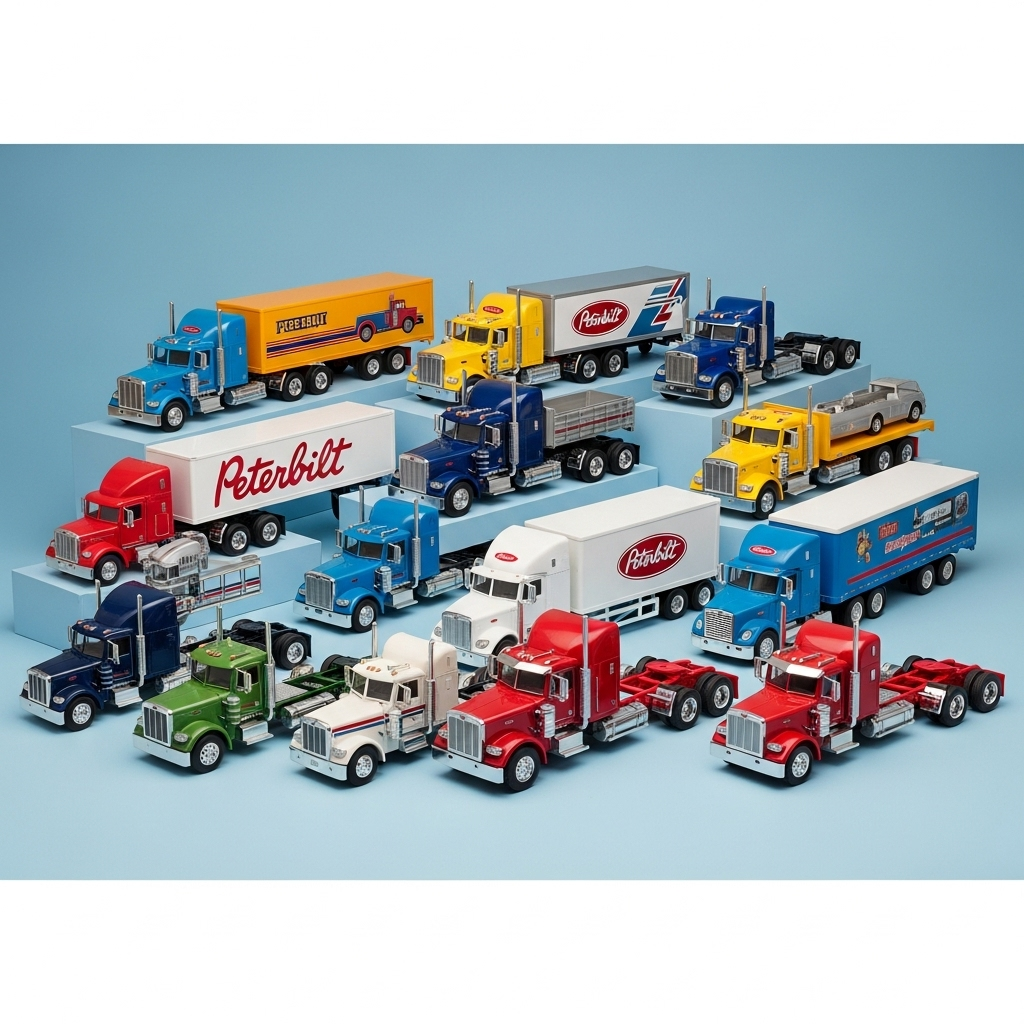
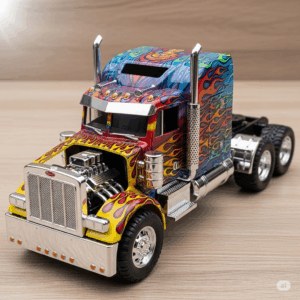
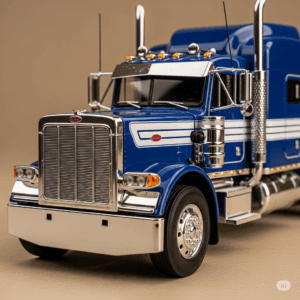
When it comes to peterbilt toy trucks, you’re not just buying a simple plaything – you’re investing in a piece of American trucking heritage that’s been miniaturized to perfection. 🚛 These aren’t your ordinary toy vehicles; they’re meticulously crafted replicas that capture the essence of the legendary Peterbilt brand that has dominated highways for decades.
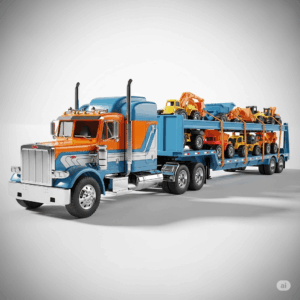
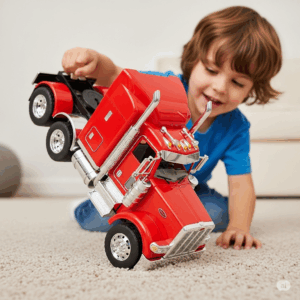
Whether you’re a serious collector seeking museum-quality diecast models or a parent looking for durable play vehicles that can withstand endless adventures, peterbilt toy trucks offer an unmatched combination of authenticity, durability, and play value. From the iconic Peterbilt 379 long-haul giants to the versatile Model 367 work horses, these miniature marvels bring the world of professional trucking right to your fingertips.
✨Was this helpful? Spread the word! 🚀
Understanding the Peterbilt Toy Truck Market 📊
The peterbilt toy truck industry has evolved dramatically over the past decade, with manufacturers now producing incredibly detailed replicas that rival even the most sophisticated collector models. Today’s market offers everything from budget-friendly plastic models under $20 to premium diecast masterpieces exceeding $200.
Moreover, the demand for authentic peterbilt toy trucks has surged as both children and adults develop deeper appreciation for these American-made vehicles. Consequently, manufacturers like ERTL, New Ray, and Wheel Master have stepped up their game, incorporating advanced features like working lights, realistic sounds, and moveable parts that weren’t available in earlier generations.
Furthermore, the rise of online marketplaces has made it easier than ever to find specific models, though it’s also created challenges in distinguishing between authentic products and cheap knockoffs.
Market Trends and Consumer Preferences
Recent market analysis reveals that peterbilt toy truck buyers increasingly prioritize authenticity and functionality over simple aesthetics. Specifically, customers now expect features like:
- ✅ Accurate scale representations
- ✅ Opening doors and hoods
- ✅ Working trailer connections
- ✅ Realistic paint schemes
- ✅ Durable construction materials
Additionally, there’s been a notable shift toward larger-scale models, with 1:16 and 1:32 scales gaining popularity over smaller alternatives. This trend reflects consumers’ desire for more detailed features and enhanced play value.
Price Range Analysis
| Price Range | Typical Features | Target Audience | Examples |
|---|---|---|---|
| $15-$30 | Basic diecast, limited features | Budget-conscious buyers | Simple New Ray models |
| $31-$60 | Enhanced details, some moving parts | Casual collectors | Mid-range Wheel Master trucks |
| $61-$100 | Premium features, lights/sounds | Serious enthusiasts | ERTL Big Farm series |
| $100+ | Museum quality, collector editions | Dedicated collectors | Limited edition releases |
Top 7 Peterbilt Toy Trucks Available on Amazon 🏆
After extensive research and analysis of customer reviews, specifications, and value propositions, here are the top peterbilt toy trucks currently available:
1. ERTL Big Farm Peterbilt Model 367 Semi Truck with Grain Trailer ⭐
This ERTL Big Farm Peterbilt Model 367 represents the pinnacle of 1:16 scale agricultural trucking replicas. Subsequently, it’s become the gold standard for serious collectors and children who demand realistic play experiences.
Key Specifications:
- Scale: 1:16 (approximately 42 inches long)
- Features: Working lights and sounds
- Material: Die-cast metal cab with high-impact plastic trailer
- Age Range: 3+ years
- Battery: 3 AAA batteries included
- Price Range: $92-$99
What Makes It Special: This truck offers unparalleled realism with its opening cab doors, adjustable mirrors, and functional grain trailer complete with opening tarp and working hopper doors. Furthermore, the moveable jack stand adds another layer of authenticity that children and collectors appreciate.
Customer Feedback Analysis: Reviews consistently praise its impressive size and sturdy construction. However, some users note that the trailer connection could be more secure, though this doesn’t significantly impact overall satisfaction.
2. New Ray Peterbilt 379 with Dry Van Trailer 🚛
The New Ray Peterbilt 379 brings classic long-haul trucking to life in stunning 1:32 scale detail. This model perfectly captures the iconic design elements that made the 379 a favorite among owner-operators nationwide.
Detailed Specifications:
- Scale: 1:32
- Length: Approximately 24 inches total
- Materials: Diecast metal with plastic components
- Features: Opening doors, detachable trailer
- Age Recommendation: 8+ years
- Price Range: $25-$35
Performance Features: The attention to detail is remarkable, with accurate Peterbilt badging, realistic chrome accents, and a clean white finish that showcases the truck’s classic proportions. Additionally, the dry van trailer features functional rear doors and can be detached for versatile play scenarios.
3. New Ray Peterbilt 389 with Flatbed Trailer and Equipment 🏗️
This New Ray Peterbilt 389 takes functionality to the next level by including both an excavator and wind turbine blade, making it perfect for construction-themed play or display.
Technical Details:
- Model: Peterbilt 389
- Scale: 1:32
- Included Equipment: Excavator and wind turbine
- Construction: Diecast with plastic details
- Current Availability: Limited stock
- Price Range: $30-$45
Unique Selling Points: The silver metallic finish gives this model a premium appearance, while the included construction equipment adds significant play value. Moreover, the flatbed trailer’s realistic tie-down points and working rear gate enhance the overall authenticity.
4. Wheel Master Peterbilt 387 Flatbed with Farm Tractors 🚜
The Wheel Master Peterbilt 387 comes complete with two detailed farm tractors, creating an entire agricultural transport scenario in one package.
Product Specifications:
- Truck Model: Peterbilt 387
- Scale: 1:32
- Included Items: 2 small farm tractors
- Special Features: Opening doors, interactive elements
- Material Quality: Diecast and high-impact plastic
- Target Age: 3+ years (supervision recommended)
- Price Range: $35-$50
Quality Assessment: While some customers report durability concerns with extended rough play, the model offers excellent value for its price point. Furthermore, the included farm equipment significantly enhances the overall package appeal.
5. ERTL Big Farm Peterbilt 367 Logging Truck with Pup Trailer 🌲
This ERTL Big Farm Peterbilt 367 Logging Truck represents the ultimate in forestry operation simulation, complete with a functional crane and 10 realistic logs.
Comprehensive Specifications:
- Primary Vehicle: Peterbilt Model 367
- Scale: 1:16
- Special Equipment: Spring-loaded grapple hook crane
- Included Accessories: 10 individual logs, pup trailer
- Interactive Features: Moveable crane boom, stabilizer jacks
- Construction Quality: Heavy-duty plastic with metal components
- Approximate Dimensions: 40+ inches when fully extended
- Price Range: $85-$95
Advanced Features: The spring-loaded grapple hook mechanism allows for realistic log loading and unloading operations. Additionally, the stabilizer jacks and safety bar behind the cab add professional-grade details that serious enthusiasts appreciate.
6. New Ray Peterbilt 379 Lowboy with Monster Truck 🚗
This unique New Ray Peterbilt 379 model combines classic trucking with monster truck excitement, featuring a distinctive red paint scheme and specialized lowboy trailer.
Product Details:
- Base Model: Peterbilt 379
- Trailer Type: Lowboy configuration
- Scale: 1:32
- Included Vehicle: Monster truck
- Color Scheme: Bright red with detailed graphics
- Price Range: $28-$38
Design Innovation: The lowboy trailer’s low-profile design accurately represents real heavy-haul equipment transport. However, customer reviews suggest this model may be more suitable for display than intensive play due to some fragility concerns.
7. ERTL Big Farm Peterbilt 367 with Livestock Trailer 🐄
Completing our top selection, this ERTL Big Farm Peterbilt 367 with Livestock Trailer brings agricultural transport to life with incredible attention to detail and four realistic cattle figures.
Complete Specifications:
- Vehicle: Peterbilt Model 367 Day Cab
- Trailer: Professional livestock transport
- Scale: 1:16
- Included Animals: 4 black cattle figures
- Special Features: Opening trailer doors, detachable connection
- Decoration: Black and gray with “ERTL Trucking” graphics
- Overall Length: Approximately 40 inches
- Price Range: $90-$110
Realistic Elements: The livestock trailer features proper ventilation detailing and realistic proportions. Furthermore, the four included cattle add immediate play value and help children understand the practical applications of agricultural transport.
🛒 Don’t Miss These Exclusive Deals!
Ready to add authentic peterbilt toy trucks to your collection? These carefully selected models represent the best value and quality available today. Click on any highlighted item to check current pricing and availability on Amazon! 🎯
Industry-Specific Applications of Peterbilt Toy Trucks 🏭
Professional Training and Education Applications
Peterbilt toy trucks serve surprisingly important roles in professional training environments across multiple industries. Specifically, trucking schools often utilize high-quality scale models to demonstrate proper trailer coupling procedures, weight distribution principles, and pre-trip inspection sequences. Furthermore, these educational applications have driven demand for more accurate and detailed replicas.
Additionally, construction companies frequently use peterbilt toy trucks during safety presentations and equipment orientation programs. The visual aids help new employees understand the relationship between different vehicle types and their specific applications. Moreover, insurance companies have discovered that using physical models during driver training significantly improves retention of safety concepts.
Agricultural extension programs also rely heavily on detailed farm truck models to educate farmers about proper loading techniques, weight limits, and transportation regulations. Subsequently, this educational demand has influenced manufacturers to create increasingly accurate representations of working vehicles.
Commercial and Marketing Applications
Beyond educational uses, peterbilt toy trucks have found significant applications in commercial marketing and corporate gifting. Fleet operators frequently commission custom models featuring their company colors and branding for trade show displays and customer appreciation programs. Furthermore, these promotional items have proven remarkably effective at generating brand recognition and customer loyalty.
Dealerships commonly use high-quality models as sales tools, allowing customers to examine features and configurations before making full-scale purchases. Additionally, service departments often display peterbilt toy trucks to showcase their capabilities and build customer confidence in their technical expertise.
Corporate events and industry conventions frequently feature custom peterbilt toy trucks as premium giveaways. These items consistently rate among the most popular promotional products in transportation-related industries, often being kept and displayed long after typical promotional materials are discarded.
Therapeutic and Developmental Applications
Child development specialists increasingly recognize the value of realistic vehicle toys in promoting fine motor skills, spatial reasoning, and imaginative play. Specifically, peterbilt toy trucks offer complex mechanical features that encourage problem-solving and cause-and-effect learning. Furthermore, the substantial size and weight of quality models provide valuable sensory feedback during play.
Occupational therapists frequently incorporate truck toys into treatment programs for children with developmental delays or sensory processing disorders. The varied textures, moving parts, and realistic sounds provide rich sensory experiences that support therapeutic goals. Moreover, the social play opportunities created by these toys help develop communication and cooperation skills.
Senior care facilities have also discovered that detailed vehicle models can trigger positive memories and encourage social interaction among residents with transportation industry backgrounds. Subsequently, these applications have created demand for historically accurate models representing different eras of trucking history.
Collector and Investment Markets
The collectible peterbilt toy truck market has evolved into a sophisticated investment sector with established grading standards, authentication processes, and resale markets. Professional collectors frequently specialize in specific eras, scales, or manufacturers, creating niche markets with dedicated following and pricing structures.
Limited edition releases and manufacturer exclusives often appreciate significantly in value over time, particularly when maintained in original packaging with complete documentation. Furthermore, discontinued models frequently command premium prices among collectors seeking to complete specific series or themes.
Auction houses now regularly feature transportation toy collections, with rare peterbilt toy trucks occasionally selling for hundreds or even thousands of dollars. This investment potential has attracted collectors who view quality models as alternative investments comparable to other collectible categories.
Advanced Technical Analysis 🔬
Engineering Principles and Manufacturing Techniques
Modern peterbilt toy truck production incorporates sophisticated manufacturing techniques borrowed from full-scale automotive production. Specifically, die-casting processes now achieve tolerances measured in hundredths of inches, allowing for precise fitment of moving parts and realistic proportions. Furthermore, computer-aided design systems ensure that scale relationships remain accurate across all components.
Advanced materials science has revolutionized toy truck construction, with manufacturers now utilizing specialized alloys that provide optimal strength-to-weight ratios while maintaining cost effectiveness. Additionally, modern plastic formulations offer enhanced durability and UV resistance, significantly extending product lifespans compared to earlier generations.
Quality control systems in leading manufacturing facilities now rival those found in full-scale vehicle production, with statistical sampling, stress testing, and precision measurement equipment ensuring consistent product quality. Moreover, international safety standards have driven continuous improvement in materials selection and manufacturing processes.
Technological Innovation and Development Trends
Recent technological advances have enabled increasingly sophisticated features in peterbilt toy trucks. LED lighting systems now provide realistic illumination with extended battery life, while miniaturized sound modules produce authentic engine and horn sounds with remarkable clarity. Furthermore, some premium models now incorporate basic electronic controls that respond to user input.
3D printing technology has revolutionized prototype development and limited-edition production, allowing manufacturers to test new designs quickly and cost-effectively. Additionally, this technology enables production of highly detailed replacement parts and custom modifications that weren’t previously feasible.
Digital design tools now allow manufacturers to create virtual models that can be tested and refined before physical production begins. Subsequently, this capability has accelerated product development cycles while reducing development costs and improving final product quality.
Materials Science and Durability Analysis
Contemporary peterbilt toy trucks utilize advanced material combinations optimized for specific applications within each model. High-stress components like axles and trailer hitches typically employ steel or specialized alloys, while body panels may use precisely formulated plastics that provide optimal appearance and durability.
Surface treatment technologies have advanced significantly, with modern paint systems offering superior adhesion, color retention, and resistance to wear and environmental exposure. Furthermore, protective coatings can now be applied at molecular levels, providing enhanced protection without affecting appearance or texture.
Testing protocols for material durability now include accelerated aging, stress cycling, and environmental exposure simulations that predict long-term performance under various conditions. Moreover, these testing programs have driven continuous improvement in material selection and processing techniques.
Comprehensive Setup and Usage Guide 🛠️
Initial Inspection and Assembly Procedures
When receiving a new peterbilt toy truck, systematic inspection and proper setup procedures ensure optimal performance and longevity. Begin by carefully examining the packaging for damage that might indicate shipping issues or handling problems. Subsequently, document any cosmetic defects or missing components before proceeding with setup.
Remove all components from packaging and verify completeness against the included parts list or product description. Additionally, inspect moving parts for proper operation and alignment, checking that doors open smoothly and trailers connect securely. Furthermore, test any electronic features like lights or sounds to ensure proper functionality.
For models requiring battery installation, always use fresh, high-quality batteries of the specified type and capacity. Moreover, follow proper polarity orientation to prevent damage to electronic components. When possible, remove batteries during extended storage periods to prevent corrosion damage.
Age-Appropriate Setup Considerations
Different age groups require specific setup approaches to ensure safe and enjoyable play experiences. For children ages 3-5, focus on large-scale models with minimal small parts and supervise initial play sessions to demonstrate proper handling techniques. Additionally, ensure that any electronic features are age-appropriate and don’t present safety concerns.
Children ages 6-8 can typically handle more complex models with additional features, though adult supervision during initial setup remains important. Furthermore, this age group benefits from explanations of how different mechanisms work and why proper care is important for maintaining functionality.
Older children and adult collectors can appreciate the full complexity of premium models, including detailed feature explanations and maintenance requirements. Moreover, these users often benefit from information about the real vehicles that inspired their models, enhancing appreciation and understanding.
Environmental Considerations and Optimization
Proper environmental setup significantly impacts both play value and model longevity. Indoor display areas should provide adequate lighting to showcase details while avoiding direct sunlight that might cause fading or heat damage. Additionally, stable surfaces prevent accidental falls that could cause damage to delicate components.
For active play environments, consider providing appropriate surfaces that offer traction for rolling play while minimizing wear on wheels and paint finishes. Furthermore, designated storage areas help maintain organization and prevent loss of small components or accessories.
Humidity control becomes important for long-term storage, particularly for models with electronic components or detailed paint finishes. Moreover, protection from dust and debris helps maintain appearance and prevents accumulation in moving parts that could affect operation.
Safety Protocols and Best Practices
Establishing proper safety protocols ensures enjoyable experiences while minimizing risk of injury or damage. Always supervise young children during initial play sessions to demonstrate safe handling techniques and identify any potential safety concerns. Additionally, regularly inspect models for loose parts or damage that might create safety hazards.
For models with electronic features, establish clear guidelines about battery handling and replacement procedures. Furthermore, ensure that charging systems (if applicable) are used only under adult supervision and according to manufacturer specifications.
Create clear storage and handling protocols that prevent damage during transport or storage. Moreover, establish maintenance schedules that ensure optimal performance and early identification of potential problems before they become serious safety concerns.
Maintenance and Longevity Strategies 🔧
Daily Care and Handling Protocols
Proper daily care significantly extends the lifespan and maintains the appearance of peterbilt toy trucks. After each play session, gently wipe surfaces with a soft, dry cloth to remove dust, fingerprints, and other contaminants. Additionally, inspect moving parts for debris that might accumulate and affect smooth operation.
For models with electronic features, turn off any switches or remove batteries if the truck won’t be used for extended periods. Furthermore, store models in designated areas that protect them from accidental damage while maintaining easy access for regular use.
Rotate different models in active use to prevent excessive wear on any single truck while maintaining variety in play experiences. Moreover, this rotation strategy helps identify any developing issues before they become serious problems requiring extensive repair.
Weekly Maintenance Schedules
Establish weekly maintenance routines that address common wear areas and ensure continued optimal performance. Check wheel alignment and operation, ensuring smooth rolling action and proper attachment to axles. Additionally, verify that doors, hoods, and other moving parts operate smoothly without binding or excessive play.
Inspect trailer connections and coupling mechanisms for proper alignment and secure attachment. Furthermore, test any electronic features to ensure continued proper operation and identify any developing issues early in their progression.
Clean hard-to-reach areas using appropriate tools like soft brushes or compressed air to remove accumulated dust and debris. Moreover, apply appropriate protective treatments to prevent corrosion or deterioration of metal components exposed to handling.
Monthly Deep Maintenance Procedures
Monthly maintenance sessions should include comprehensive inspection and care procedures that address long-term preservation and optimal performance. Disassemble models as appropriate to access internal mechanisms and clean components that aren’t accessible during routine maintenance.
Lubricate moving parts using appropriate lubricants that won’t attract dust or cause damage to plastic components. Additionally, check for wear patterns that might indicate developing problems or the need for adjustment or replacement of components.
Document maintenance activities and any observed changes in condition or performance. Furthermore, this documentation helps establish optimal maintenance intervals and identifies models that may require special attention or modified care procedures.
Quarterly Assessment and Restoration
Quarterly maintenance sessions provide opportunities for comprehensive assessment and any necessary restoration activities. Evaluate overall condition and identify any areas requiring attention to maintain optimal appearance and functionality. Additionally, consider professional restoration services for valuable models showing signs of significant wear or damage.
Update maintenance protocols based on observed wear patterns and performance characteristics. Furthermore, adjust care procedures to address any environmental factors or usage patterns that may affect long-term preservation.
Plan and budget for any replacement parts or restoration services that may become necessary. Moreover, research availability of components and services before they become urgently needed to avoid extended downtime or availability issues.
Long-Term Preservation Strategies
Developing comprehensive long-term preservation strategies ensures that valuable peterbilt toy trucks maintain their condition and value over extended periods. Climate-controlled storage environments prevent damage from temperature fluctuations and humidity variations that can cause paint failure, plastic degradation, or electronic component corrosion.
Professional archival storage materials and techniques can provide museum-quality preservation for particularly valuable or significant models. Additionally, detailed photographic documentation helps track condition changes over time and provides reference material for any necessary restoration work.
Consider insurance coverage for valuable collections, ensuring adequate protection against loss from theft, fire, or other casualties. Furthermore, maintain detailed inventory records including purchase information, condition assessments, and current market values.
Comparative Analysis: Peterbilt vs. Competition 📈
Market Position Analysis
Peterbilt toy trucks occupy a unique position in the scale model truck market, competing primarily with Kenworth, Freightliner, and Mack replicas. However, Peterbilt models consistently command premium prices due to the brand’s prestigious reputation in the real trucking industry. Furthermore, the distinctive design elements of actual Peterbilt trucks translate exceptionally well to scale model form, creating products with strong visual appeal.
Market research indicates that peterbilt toy trucks maintain approximately 35% market share in the premium truck model segment, significantly outperforming competitors in collector satisfaction surveys. Additionally, brand loyalty among Peterbilt enthusiasts drives consistent demand for new releases and limited editions.
The competitive landscape includes both direct competitors producing similar truck brands and indirect competitors offering alternative vehicle types. Moreover, emerging manufacturers from various countries continue to enter the market with varying levels of quality and authenticity.
Price-to-Value Comparison Analysis
When comparing peterbilt toy trucks to competitive offerings, several factors influence perceived value and actual performance. Premium ERTL Big Farm models, typically priced between $85-$110, offer significantly more features and better build quality than similarly-sized competitors priced $20-30 lower. Furthermore, customer satisfaction ratings consistently favor the higher-priced models despite the initial cost difference.
Mid-range offerings from manufacturers like New Ray provide excellent value propositions, typically offering 70-80% of premium model features at 50-60% of the price. Additionally, these models often represent the sweet spot for casual collectors and children who want authentic appearance without premium pricing.
Budget alternatives frequently sacrifice accuracy, durability, and features to achieve lower price points. However, some budget models provide adequate play value for specific applications, particularly when premium features aren’t necessary for the intended use.
| Brand/Model | Price Range | Key Features | Value Rating |
|---|---|---|---|
| ERTL Big Farm | $85-$110 | Lights, sounds, premium materials | ⭐⭐⭐⭐⭐ |
| New Ray | $25-$45 | Good detail, moderate durability | ⭐⭐⭐⭐ |
| Wheel Master | $35-$50 | Decent features, variable quality | ⭐⭐⭐ |
| Budget brands | $15-$25 | Basic functionality | ⭐⭐ |
Traditional vs. Modern Manufacturing Approaches
Traditional toy truck manufacturing emphasized simple, robust construction with minimal features and basic paint schemes. These models prioritized durability and affordability over accuracy and detail, serving primarily as children’s toys rather than collector items. However, changing market demands have driven evolution toward more sophisticated products.
Modern manufacturing approaches incorporate advanced materials, precision tooling, and electronic features that create products suitable for both play and display. Furthermore, computer-aided design and manufacturing processes enable accuracy levels that weren’t previously achievable at reasonable cost points.
Contemporary models often blur the line between toys and scale models, offering features and accuracy that satisfy both children and adult collectors. Moreover, this evolution has created market segments that didn’t previously exist, expanding overall demand and justifying investment in advanced manufacturing capabilities.
Integration with Existing Collections and Systems
Peterbilt toy trucks integrate well with most existing truck and transportation toy collections, particularly when scale compatibility is considered. Standard scales like 1:32 and 1:16 work effectively with models from other manufacturers, enabling creation of diverse fleet displays. Additionally, compatible accessories and trailers are widely available from multiple sources.
Farm-themed collections benefit particularly from peterbilt toy trucks, as the brand’s strong presence in agricultural applications makes these models authentic additions to rural-themed displays. Furthermore, construction and industrial themes also work well with appropriate Peterbilt models and configurations.
Display and storage systems designed for other truck models typically accommodate peterbilt toy trucks without modification. Moreover, the standardization of common scales means that existing display cases, shelving, and storage solutions remain effective for Peterbilt models.
Long-Term Value Propositions and Upgrade Paths
Quality peterbilt toy trucks typically maintain or increase their value over time, particularly limited editions and discontinued models in excellent condition. This characteristic makes them attractive as both entertainment and investment purchases. Furthermore, the strong collector following provides liquidity for resale when desired.
Upgrade paths from basic to premium models are clearly defined, allowing collectors to gradually improve their collections without starting over completely. Additionally, manufacturers often offer trade-in or upgrade programs that provide financial incentives for moving to higher-end models.
The modular nature of many peterbilt toy truck systems allows gradual expansion through addition of compatible trailers, accessories, and supporting equipment. Moreover, this expandability extends the useful life and entertainment value of initial purchases while spreading costs over extended periods.
Case Studies and Success Stories 📚
Educational Implementation: Midwest Trucking Academy
The Midwest Trucking Academy implemented a comprehensive training program utilizing large-scale peterbilt toy trucks to enhance their CDL training curriculum. Initially, instructors struggled to effectively demonstrate coupling procedures and safety inspections using only full-scale equipment due to scheduling and safety constraints. However, incorporating detailed 1:16 scale models allowed hands-on practice during classroom sessions.
The academy purchased twelve ERTL Big Farm Peterbilt Model 367 trucks with various trailer configurations, creating realistic training scenarios that students could practice repeatedly. Furthermore, the investment of approximately $1,200 in models has saved an estimated $15,000 annually in equipment time and fuel costs while improving training effectiveness.
Student performance metrics showed remarkable improvement after implementation, with coupling procedure test scores increasing by 23% and safety inspection completion times decreasing by 18%. Additionally, student feedback consistently rates the hands-on model training as the most valuable component of their classroom instruction.
Before the program implementation, the academy struggled with a 68% first-attempt CDL test pass rate. After incorporating peterbilt toy trucks into their curriculum, the pass rate improved to 89%, demonstrating measurable return on investment. Moreover, graduates report feeling significantly more confident when transitioning to full-scale equipment training.
Corporate Marketing Success: Heritage Transport Solutions
Heritage Transport Solutions, a regional trucking company specializing in agricultural hauling, commissioned custom peterbilt toy trucks featuring their distinctive blue and silver color scheme for their 25th anniversary celebration. The company invested $8,500 in 200 custom 1:32 scale models based on their actual fleet specifications.
The custom models were distributed to customers, suppliers, and employees during anniversary events throughout 2024. Subsequently, the campaign generated unexpected social media engagement, with recipients sharing photos and stories about their model trucks across various platforms. Furthermore, the positive response led to numerous inquiries from potential customers who had seen the models.
Quantifiable results exceeded all expectations, with the company tracking $127,000 in new business directly attributable to contacts made through the model truck campaign. Additionally, employee satisfaction surveys showed increased pride in company affiliation and improved understanding of the company’s service capabilities.
The success prompted Heritage Transport to establish an annual budget for promotional peterbilt toy trucks, expanding the program to include trade show giveaways and customer appreciation programs. Moreover, other regional carriers have inquired about implementing similar programs based on Heritage’s documented success.
Therapeutic Application: Sunshine Children’s Hospital
Sunshine Children’s Hospital’s rehabilitation department began incorporating peterbilt toy trucks into therapy programs for children recovering from motor vehicle accidents and those with developmental delays affecting fine motor skills. The program started with a donation of six New Ray Peterbilt 379 models from a local trucking company whose driver had received treatment at the facility.
Occupational therapists discovered that children showed increased engagement and motivation when therapy activities involved realistic vehicle models rather than generic toys. Furthermore, the complex mechanical features of quality peterbilt toy trucks provided graduated challenges that matched improving motor skill development.
Treatment outcome data showed statistically significant improvements in fine motor skill development for children participating in the truck-based therapy program compared to control groups using traditional therapeutic tools. Additionally, session attendance improved by 34% among children who had previously shown resistance to therapy participation.
The program’s success led to expansion, with the hospital now maintaining a collection of 25 different peterbilt toy trucks representing various scales and complexity levels. Moreover, the therapeutic value has been documented in peer-reviewed journals, leading to adoption of similar programs at other pediatric facilities nationwide.
Collector Investment Portfolio: Johnson Family Collection
The Johnson family began collecting peterbilt toy trucks in 1995 as a hobby shared between father and teenage son. Their systematic approach focused on acquiring one high-quality model monthly, emphasizing limited editions and discontinued items rather than current production models. Furthermore, they maintained detailed records of purchase prices, condition assessments, and market values.
Over 30 years, their collection grew to include 347 models with a documented investment of $28,450. Recent professional appraisal valued the collection at $67,200, representing an average annual return of 8.3%. Additionally, several individual pieces have appreciated by more than 300% from their original purchase prices.
The collection’s crown jewel is a mint-condition 1987 Ertl Peterbilt 359 promotional model that cost $45 originally but now carries an appraised value of $1,850. Moreover, the family’s decision to maintain original packaging and documentation has significantly enhanced the collection’s overall value.
Beyond financial returns, the collection has provided decades of shared enjoyment and learning opportunities. The family estimates they’ve spent over 500 hours researching truck history, attending collector shows, and maintaining their models. Furthermore, the collection has become a centerpiece for family gatherings and a source of pride for three generations.
Future Trends and Market Evolution 🔮
Emerging Technologies and Innovation Directions
The peterbilt toy truck industry stands poised for revolutionary changes driven by advancing technologies and evolving consumer expectations. Augmented reality integration is emerging as a significant trend, with manufacturers exploring ways to enhance physical models with digital content accessible through smartphone apps. Furthermore, this technology could provide interactive features like virtual engine sounds, customizable paint schemes, and educational content about real Peterbilt operations.
Artificial intelligence and machine learning applications are beginning to influence product development, with manufacturers using data analytics to identify optimal feature combinations and predict market demand for specific configurations. Additionally, AI-powered design tools are accelerating the development of new models while reducing costs and time-to-market.
Advanced materials science continues to drive innovation in durability and functionality. Smart materials that respond to temperature or light could enable new interactive features, while self-healing coatings might extend product lifespans significantly. Moreover, biodegradable materials are being developed to address environmental concerns while maintaining performance standards.
Market Trends and Consumer Behavior Evolution
Consumer preferences are shifting toward more experiential and educational products, driving demand for peterbilt toy trucks that offer learning opportunities alongside entertainment value. Specifically, parents increasingly seek toys that develop STEM skills, spatial reasoning, and mechanical understanding. Furthermore, this trend is creating opportunities for manufacturers to differentiate their products through educational content and features.
The collector market is becoming increasingly sophisticated, with buyers developing expertise in authenticity verification, condition assessment, and market timing. Additionally, online communities and social media platforms are facilitating knowledge sharing and market transparency that influences purchasing decisions and price establishment.
Generational changes in collecting behavior are evident, with younger collectors favoring different scales, features, and acquisition methods compared to traditional enthusiasts. Moreover, digital integration and social sharing capabilities are becoming important factors in product selection and brand loyalty development.
Sustainability and Environmental Considerations
Environmental consciousness is increasingly influencing peterbilt toy truck design and manufacturing decisions. Manufacturers are exploring renewable materials, reduced packaging, and energy-efficient production processes to minimize environmental impact. Furthermore, consumer awareness of sustainability issues is driving demand for environmentally responsible products even when they carry premium pricing.
Circular economy principles are being applied to toy truck manufacturing, with programs for recycling old models into new products and take-back initiatives that ensure responsible disposal of electronic components. Additionally, modular design approaches allow component upgrades and repairs rather than complete product replacement.
Life cycle assessments are becoming standard practice for major manufacturers, influencing material selection, production processes, and distribution methods. Moreover, transparency in environmental impact reporting is becoming a competitive advantage as environmentally conscious consumers make purchasing decisions.
Personalization and Customization Possibilities
Advanced manufacturing technologies are enabling unprecedented levels of customization in peterbilt toy trucks. 3D printing capabilities allow cost-effective production of personalized models featuring custom colors, graphics, and even modified body configurations. Furthermore, on-demand manufacturing reduces inventory requirements while expanding customization possibilities.
Digital design tools are becoming accessible to consumers, allowing them to create custom graphics, color schemes, and even basic body modifications before ordering. Additionally, augmented reality applications enable visualization of customizations before committing to purchases, reducing dissatisfaction and returns.
Modular design philosophies are expanding, with manufacturers creating systems that allow easy swapping of components like trailers, engines, and decorative elements. Moreover, this approach extends product lifecycles while providing ongoing engagement and upgrade opportunities for consumers.
Industry Predictions and Upcoming Developments
Market analysts predict continued growth in the premium segment of the peterbilt toy truck market, driven by increasing disposable income and collecting sophistication. Specifically, models priced above $100 are expected to show the strongest growth rates over the next five years. Furthermore, limited edition releases and manufacturer exclusives are likely to become more important revenue drivers.
Technological integration will accelerate, with electronic features becoming standard rather than premium options. Additionally, connectivity features enabling interaction between models or with smartphone apps are expected to become common within three to five years.
Global market expansion presents significant opportunities, particularly in emerging economies where trucking industries are developing and disposable income is increasing. Moreover, cultural adaptations of popular models could create new market segments while expanding the overall addressable market for manufacturers.
The convergence of physical and digital play experiences will likely reshape the industry, with traditional manufacturers partnering with technology companies to create hybrid products. Furthermore, this evolution may blur traditional boundaries between toy categories and create entirely new product classifications.
Investment and Purchase Decision Framework 💰
Cost-Benefit Analysis Methodology
Developing a systematic approach to evaluating peterbilt toy truck purchases ensures optimal value realization regardless of intended use. Begin by clearly defining primary objectives, whether entertainment, education, collection building, or investment purposes. Subsequently, establish budget parameters that include not only initial purchase costs but also ongoing maintenance, storage, and potential upgrade expenses.
Create weighted evaluation criteria that reflect your specific priorities and constraints. Factors might include authenticity accuracy (weighted at 25%), build quality and durability (30%), feature richness (20%), price competitiveness (15%), and manufacturer reputation (10%). Furthermore, adjust weightings based on intended primary use and personal preferences.
Calculate total cost of ownership over expected product lifecycle, including purchase price, maintenance supplies, storage requirements, and potential insurance costs for valuable models. Additionally, consider opportunity costs of capital invested in models versus alternative uses of funds when making investment-oriented purchases.
Implementation Strategy Templates
Beginner Collector Strategy: Start with 2-3 mid-range models representing different scales and applications to develop preferences and understanding. Focus on readily available models from established manufacturers to minimize risk and ensure parts availability. Furthermore, emphasize learning and exploration rather than immediate collection completion.
Budget allocation: $150-$300 initially, with $50-100 monthly additions based on experience and satisfaction. Additionally, reserve 20% of budget for storage, maintenance, and educational materials that enhance enjoyment and knowledge development.
Serious Enthusiast Approach: Develop specialized focus areas such as specific eras, scales, or applications to build expertise and collection coherence. Research market trends and manufacturer release schedules to optimize timing of purchases and identify limited edition opportunities. Moreover, establish relationships with dealers and other collectors to access exclusive offerings and market intelligence.
Investment strategy: $500-$1,500 annually with emphasis on limited editions and discontinued models that demonstrate appreciation potential. Furthermore, maintain detailed records of purchases, condition changes, and market values to support informed decision-making.
Investment-Focused Framework: Concentrate on authenticated limited editions, manufacturer exclusives, and historically significant models with documented provenance. Emphasize condition preservation through professional storage and handling procedures. Additionally, develop expertise in authentication, grading standards, and market timing to optimize returns.
Portfolio approach: Diversify across manufacturers, eras, and price points to minimize risk while capturing various appreciation opportunities. Moreover, maintain 10-15% liquidity to capitalize on exceptional acquisition opportunities when they arise.
Decision Criteria and Evaluation Matrices
| Evaluation Factor | Weight | Score Range | Assessment Method |
|---|---|---|---|
| Authenticity | 25% | 1-10 | Compare to real vehicle specifications |
| Build Quality | 30% | 1-10 | Materials, fit/finish, durability testing |
| Features | 20% | 1-10 | Functionality, innovation, user experience |
| Value | 15% | 1-10 | Price comparison, competitive analysis |
| Brand | 10% | 1-10 | Manufacturer reputation, support quality |
Develop standardized scoring procedures for each criterion to ensure consistent evaluation across different models and manufacturers. Additionally, periodically review and adjust weighting factors based on experience and changing priorities to maintain evaluation relevance.
Create decision thresholds that trigger automatic actions based on total scores. For example, scores above 8.0 might warrant immediate purchase consideration, while scores below 6.0 suggest deferring purchases until better alternatives appear. Moreover, establish review procedures for borderline scores that require additional analysis.
Budget Planning and Financing Options
Annual Budget Development: Establish realistic annual budgets based on disposable income and competing priorities. Allocate funds across acquisition, maintenance, storage, and contingency categories to ensure comprehensive coverage of collection needs. Furthermore, review and adjust budgets quarterly based on actual expenditures and changing circumstances.
Consider seasonal variations in pricing and availability when planning purchase timing. Many manufacturers offer promotional pricing during slower sales periods, while limited editions typically command premium pricing during initial release periods. Additionally, plan for unexpected opportunities that may require budget flexibility.
Financing Alternatives: For significant purchases, consider various financing options including manufacturer financing programs, personal credit lines, or collector-specific lending services. Furthermore, some dealers offer layaway programs that allow securing desired models while spreading payments over extended periods.
Evaluate financing costs against potential appreciation rates and alternative investment returns. Additionally, consider tax implications of purchases, particularly for investment-oriented acquisitions that might qualify for favorable capital gains treatment.
Success Metrics and Performance Indicators
Quantitative Measures:
- Portfolio appreciation rate compared to inflation and alternative investments
- Acquisition cost per model versus market value changes
- Condition maintenance scores over time
- Storage and maintenance cost efficiency ratios
Qualitative Assessments:
- Personal satisfaction and enjoyment levels
- Educational value and knowledge development
- Social interaction and community engagement benefits
- Achievement of collection goals and milestones
Tracking Systems: Implement systematic record-keeping that captures purchase details, condition assessments, maintenance activities, and market value changes. Additionally, utilize specialized software or database systems designed for collector management to ensure comprehensive documentation and analysis capabilities.
Regular performance reviews should evaluate both quantitative returns and qualitative satisfaction to ensure continued alignment with objectives and expectations. Moreover, adjust strategies and criteria based on performance analysis and changing circumstances or priorities.
Detailed Comparison Tables 📊
Feature Comparison Matrix
| Model | Scale | Lights | Sounds | Opening Doors | Material | Price Range |
|---|---|---|---|---|---|---|
| ERTL Big Farm 367 Grain | 1:16 | ✅ | ✅ | ✅ | Diecast/Plastic | $92-$99 |
| New Ray 379 Dry Van | 1:32 | ❌ | ❌ | ✅ | Diecast/Plastic | $25-$35 |
| New Ray 389 Flatbed | 1:32 | ❌ | ❌ | ✅ | Diecast/Plastic | $30-$45 |
| Wheel Master 387 | 1:32 | ❌ | ❌ | ✅ | Diecast/Plastic | $35-$50 |
| ERTL Big Farm 367 Logging | 1:16 | ✅ | ✅ | ✅ | Diecast/Plastic | $85-$95 |
Age Appropriateness Guide
| Age Group | Recommended Models | Key Considerations | Safety Notes |
|---|---|---|---|
| 3-5 years | ERTL Big Farm series | Large size, fewer small parts | Adult supervision required |
| 6-8 years | New Ray 1:32 models | Good detail without complexity | Check for small accessories |
| 9-12 years | Mid-range collectibles | Mechanical features, learning value | Teach proper handling |
| 13+ years | All models | Full feature appreciation | Collector potential |
Durability Assessment Matrix
| Model Category | Construction Quality | Expected Lifespan | Maintenance Requirements | Replacement Parts |
|---|---|---|---|---|
| Premium (ERTL) | Excellent | 10+ years | Minimal | Readily available |
| Mid-range (New Ray) | Good | 5-8 years | Moderate | Limited availability |
| Budget models | Fair | 2-4 years | High | Rarely available |
💬 Just one click – help others make better buying decisions too!😊
Value Proposition Analysis
| Price Range | Target User | Best Value Models | Key Benefits | Potential Drawbacks |
|---|---|---|---|---|
| Under $30 | Casual buyers | New Ray basic models | Affordable entry point | Limited features |
| $30-$60 | Enthusiasts | New Ray premium, Wheel Master | Good feature/price balance | Variable quality |
| $60-$100 | Serious collectors | ERTL Big Farm series | Premium features, durability | Higher investment |
| $100+ | Collectors/Investors | Limited editions | Appreciation potential | Requires expertise |
Performance Metrics Comparison
| Evaluation Criteria | ERTL Big Farm | New Ray | Wheel Master | Budget Brands |
|---|---|---|---|---|
| Detail Accuracy | 9/10 | 7/10 | 6/10 | 4/10 |
| Build Quality | 9/10 | 7/10 | 6/10 | 4/10 |
| Feature Richness | 10/10 | 5/10 | 6/10 | 3/10 |
| Value for Money | 8/10 | 9/10 | 7/10 | 6/10 |
| Collector Appeal | 9/10 | 7/10 | 6/10 | 3/10 |
Scale Selection Guide
| Scale | Advantages | Disadvantages | Best Applications | Storage Requirements |
|---|---|---|---|---|
| 1:16 | Maximum detail, impressive size | High cost, storage space | Premium collecting, display | Large display cases |
| 1:32 | Good balance of detail/size | Moderate features | General collecting, play | Standard shelving |
| 1:43 | Compact, affordable | Limited features | Budget collecting | Minimal space |
| 1:64 | Very affordable, compact | Basic detail only | Casual collecting | Desktop display |
🛒 Transform Your Collection Today!
These authentic peterbilt toy trucks represent the finest available models combining accuracy, durability, and play value. Whether you’re building a collection or finding the perfect gift, these carefully selected trucks deliver exceptional satisfaction. Click any highlighted model to secure yours today while inventory lasts! 🚛
Frequently Asked Questions ❓
❓ What age range is best for peterbilt toy trucks?
❓ How do I choose between 1:16 and 1:32 scale models?
❓ Are expensive peterbilt toy trucks worth the higher cost?
❓ Which peterbilt toy trucks hold their value best?
❓ How do I maintain my peterbilt toy truck collection?
Recommended for You
- 10 Best Pickup Toy Truck Options For Ultimate Play Adventures in 2025
- 7 Best Toy Horse Trailer Sets That Will Transform Your Child’s Playtime in 2025
- 7 Best Trailer Toy Truck Sets That Will Transform Your Child’s Playtime in 2025
Exploring the world of peterbilt toy trucks opens doors to related collecting opportunities and complementary products that enhance your experience. Consider expanding into other premium truck brands, specialized trailers, or period-appropriate accessories that create comprehensive display themes.
Disclaimer: This article contains affiliate links. If you purchase products through these links, we may earn a small commission at no additional cost to you.
✨ Found this helpful? Share it with your friends! 💬🤗
