
In This Article
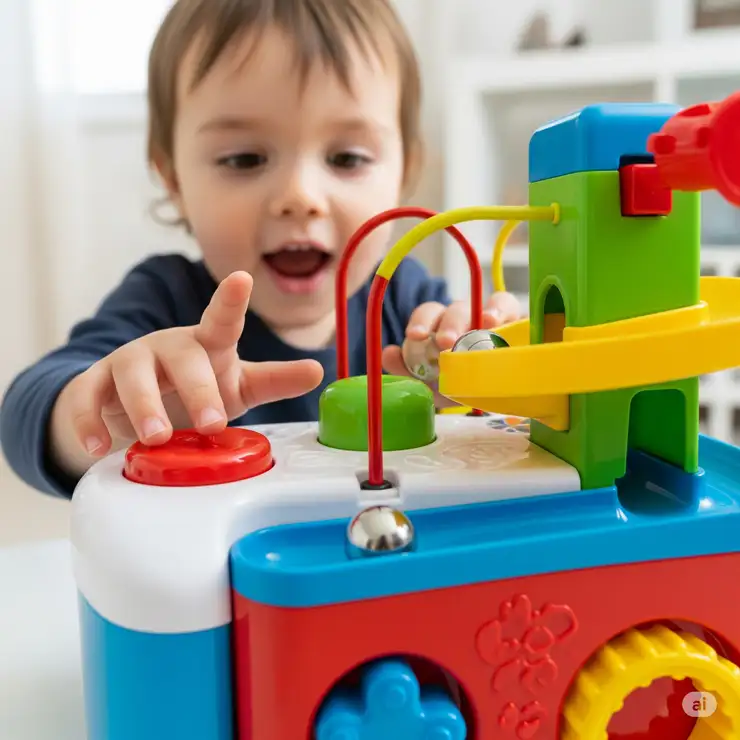
When you watch a toddler press a button and giggle with delight as a toy pops up, you’re witnessing the magic of cause and effect learning in action. Moreover, these simple moments lay the foundation for critical thinking, problem-solving, and cognitive development that will serve your child throughout their life.
Understanding cause and effect toys isn’t just about entertainment – it’s about unlocking your child’s potential through purposeful play. Furthermore, these carefully designed learning tools help children grasp fundamental concepts about how their actions create specific outcomes, building confidence and curiosity along the way.
✨Was this helpful? Spread the word! 🚀
What Makes Cause and Effect Toys Essential for Development? 🧠
Cause and effect toys represent a fundamental category of educational playthings that teach children the relationship between actions and consequences. Additionally, these toys provide immediate feedback when a child performs a specific action, creating a clear connection between what they do and what happens next.
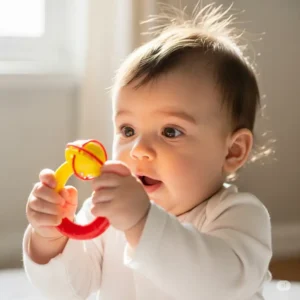
The beauty of cause and effect toys lies in their simplicity and effectiveness. For instance, when a baby shakes a rattle and hears a sound, they begin to understand that their movement creates the noise. Similarly, pressing a button to make a character pop up teaches children that their actions have predictable results.
The Science Behind Cause and Effect Learning 🔬
Research from the National Association for the Education of Young Children demonstrates that cause and effect understanding typically develops between 6-18 months of age. However, children continue refining these skills well into their preschool years through increasingly complex play experiences.
Child development experts emphasize that cause and effect toys autism applications are particularly valuable because they provide structured, predictable interactions that many children on the autism spectrum find comforting and engaging. Consequently, these toys can serve as powerful tools for building communication skills and reducing anxiety.
Top Categories of Cause and Effect Toys by Age Group 👶
Cause and Effect Toys for Infants (0-12 Months) 🍼
Infants benefit most from simple cause and effect toys that provide immediate sensory feedback. Therefore, the best options for this age group focus on basic motor skills and sensory exploration.
Key Features for Infant Toys:
✅ Large, safe pieces that can’t be swallowed
✅ Bright, contrasting colors for visual development
✅ Multiple textures for tactile exploration
✅ Simple actions that produce clear results
✅ Lightweight design for easy manipulation
Best Cause and Effect Toys for Toddlers (12-24 Months) 🧸
Toddlers require more complex cause and effect interactions that challenge their developing fine motor skills and cognitive abilities. Furthermore, they can handle toys with multiple steps and varied outcomes.
Essential Features for Toddler Toys:
✅ Multiple buttons, levers, or switches
✅ Various sounds, lights, or movements
✅ Durable construction for active play
✅ Educational elements like numbers or letters
✅ Engaging characters or themes
Advanced Options for Preschoolers (2-5 Years) 🎓
Preschoolers benefit from sophisticated cause and effect toys that incorporate learning concepts like counting, matching, and problem-solving. Additionally, these toys should offer multiple play modes to maintain interest over time.
Product Spotlight: Top-Rated Cause and Effect Toys 🌟
Fisher-Price Laugh & Learn Smart Stages Chair
This interactive learning chair perfectly demonstrates how modern cause and effect toy design combines education with entertainment. Moreover, it features three Smart Stages levels that grow with your child’s development.
Key Benefits:
- Songs, phrases, and sounds activated by sitting and standing
- 50+ learning songs, tunes, and phrases
- Three levels of play with age-appropriate content
- Teaches alphabet, numbers, colors, and greetings
VTech Touch and Learn Activity Desk
The VTech Activity Desk represents an excellent example of comprehensive cause and effect learning. Furthermore, it transforms from a floor play experience to a traditional desk, adapting to your child’s growth.
Outstanding Features:
- Interactive desktop with 100+ vocabulary words
- Music player with 20+ melodies
- Pretend phone for role-play activities
- LED display shows stroke order for letters
🎯 Don’t Miss These Exclusive Learning Opportunities!
→ Transform playtime into powerful learning moments with these expertly selected cause and effect toys. Click on any highlighted product to check current pricing and discover how these tools can boost your child’s development! 🧠✨
Cause and Effect Toys Autism: Specialized Considerations 🌈
Children with autism often thrive with cause and effect toys because these provide predictable, structured interactions that reduce uncertainty and anxiety. Additionally, many children on the autism spectrum are drawn to the clear connection between action and reaction that these toys offer.
Why Cause and Effect Toys Work Well for Autism 🎯
Predictable Outcomes: Children with autism often prefer activities with consistent, predictable results. Consequently, cause and effect toys provide exactly this type of reliable interaction.
Sensory Regulation: Many cause and effect toys autism applications focus on providing appropriate sensory input that can help children regulate their emotional state and attention levels.
Communication Building: These toys can serve as excellent tools for encouraging verbal and non-verbal communication, especially when used in interactive play with caregivers or therapists.
Recommended Features for Autism-Friendly Toys ♿
✅ Simple, clear actions that produce obvious results
✅ Visual or auditory feedback that matches the child’s preferences
✅ Calming elements like soft lights or gentle sounds
✅ Repetitive play options that satisfy the need for routine
✅ Social interaction opportunities for shared play experiences
Melissa & Doug Latches Board
This wooden activity board offers multiple cause and effect experiences through various latches, locks, and doors. Furthermore, it provides excellent fine motor practice while teaching problem-solving skills.
Autism-Friendly Benefits:
- Multiple difficulty levels within one toy
- Tactile feedback through different latch mechanisms
- Visual rewards behind each door
- Durable wooden construction for repeated use
Comparison Table: Best Cause and Effect Toys by Category 📊
| Toy Name | Age Range | Key Features | Price Range | Autism-Friendly | Infant-Safe |
|---|---|---|---|---|---|
| Fisher-Price Rock-a-Stack | 6-24 months | Colorful rings, rocking base | $10-15 | ✅ | ✅ |
| VTech Musical Rhymes Book | 6-36 months | 40+ songs, light-up buttons | $15-20 | ✅ | ✅ |
| LeapFrog Musical Table | 6-36 months | Bilingual learning, 70+ activities | $45-60 | ✅ | ✅ |
| Melissa & Doug Shape Sorter | 12-36 months | 12 shapes, natural wood | $20-25 | ✅ | ❌ |
| Baby Einstein Take Along Tunes | 3-36 months | Classical melodies, LED lights | $10-12 | ✅ | ✅ |
| Skip Hop Explore More Balls | 6-24 months | Textured sensory balls | $15-18 | ✅ | ✅ |
💬 Just one click – help others make better buying decisions too! 😊
Educational Benefits of Cause and Effect Learning 📚
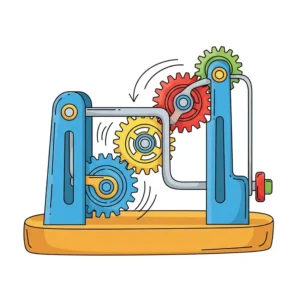
The educational advantages of cause and effect toys extend far beyond simple entertainment. Moreover, these learning tools contribute to multiple developmental domains simultaneously, making them incredibly valuable investments in your child’s growth.
Cognitive Development Milestones 🧠
Problem-Solving Skills: When children experiment with different actions to achieve desired outcomes, they develop critical thinking abilities that transfer to academic and life situations. Furthermore, this trial-and-error learning builds persistence and resilience.
Sequential Thinking: Understanding that actions lead to specific results helps children grasp the concept of sequences, which later supports reading comprehension and mathematical reasoning.
Memory Development: Remembering which actions produce which results strengthens working memory and helps children make predictions about future outcomes.
Motor Skills Enhancement ✋
Fine Motor Control: Manipulating buttons, levers, and small parts in cause and effect toys develops the precise hand movements necessary for writing, drawing, and self-care tasks. Additionally, these activities strengthen hand muscles and improve coordination.
Gross Motor Development: Larger cause and effect toys that require standing, reaching, or stepping help develop balance, coordination, and spatial awareness.
Language and Communication Growth 🗣️
Vocabulary Expansion: Many cause and effect toys introduce new words through songs, phrases, and sound effects. Consequently, children naturally expand their vocabulary through repeated exposure during play.
Turn-Taking Skills: Interactive cause and effect toys provide excellent opportunities for practicing conversation skills and social interaction patterns.
Bright Starts Having a Ball Get Rollin’ Activity Table
This activity table combines multiple cause and effect experiences in one engaging package. Moreover, it features 360-degree play access, making it perfect for social interaction and shared learning experiences.
Educational Highlights:
- 12+ activities promoting cause and effect learning
- Spinning, sliding, and pressing actions
- Encouraging music and sound effects
- Height-adjustable design for growing children
Age-Appropriate Selection Guide 📅
Choosing the right cause and effect toy depends heavily on your child’s developmental stage and individual interests. Furthermore, understanding typical developmental milestones helps ensure you select toys that provide appropriate challenges without causing frustration.
0-6 Months: Sensory Exploration Phase 👶
During this early stage, babies benefit most from simple cause and effect toys that provide immediate sensory feedback. Additionally, they’re just beginning to understand that their movements can influence their environment.
Ideal Toy Characteristics:
- High contrast colors (black, white, red)
- Different textures for tactile exploration
- Gentle sounds that won’t startle
- Lightweight construction for safety
- Easy-to-grasp designs
6-12 Months: Active Exploration 🤲
As babies develop better hand-eye coordination, they can handle more complex cause and effect interactions. Moreover, they begin showing intentional behaviors and can anticipate outcomes.
Perfect Features:
- Push-button activation
- Multiple sensory outputs (lights, sounds, textures)
- Stable base for supported sitting play
- Variety of actions to explore
- Clear visual feedback
Fat Brain Toys Dimpl
This innovative silicone toy features colorful bubbles that can be pushed and popped repeatedly. Furthermore, it provides excellent tactile feedback and helps develop fine motor skills through simple cause and effect interactions.
Developmental Benefits:
- Bilateral coordination practice
- Sensory regulation through tactile input
- Cause and effect understanding through popping action
- Travel-friendly design for on-the-go play
12-18 Months: Purposeful Actions 🎯
Toddlers at this stage begin using cause and effect toys with clear intentions and expectations. Additionally, they start combining actions and can follow simple multi-step processes.
Advanced Features:
- Multiple activation methods
- Layered learning experiences
- Social interaction opportunities
- Beginning problem-solving challenges
- Introduction to basic concepts (colors, numbers, shapes)
18+ Months: Complex Problem Solving 🧩
Older toddlers and preschoolers can handle sophisticated cause and effect toys that require planning, sequencing, and prediction. Moreover, they benefit from toys that offer multiple difficulty levels and learning pathways.

Safety Considerations and Standards 🛡️
When selecting cause and effect toys, safety should always be your top priority. Furthermore, understanding safety standards and age-appropriate guidelines helps ensure your child can explore and learn without risk of injury.
Essential Safety Features ✅
Age-Appropriate Sizing: All parts should be large enough to prevent choking hazards, especially for children under three years old. Additionally, look for toys that meet or exceed ASTM and CPSC safety standards.
Non-Toxic Materials: Ensure all toy components are made from non-toxic, child-safe materials, particularly since young children often explore toys with their mouths.
Sturdy Construction: Cause and effect toys should withstand repeated use and manipulation without breaking into dangerous pieces.
Smooth Edges: All surfaces should be smooth and free from sharp edges or points that could cause cuts or scratches.
Red Flags to Avoid ❌
- Small parts that could pose choking hazards
- Sharp edges or poorly finished surfaces
- Toxic materials or strong chemical odors
- Unstable construction that could tip over
- Excessive noise levels that might damage hearing
- Complicated assembly that creates safety risks
Little Tikes Light ‘n Go 3-in-1 Activity Walker
This versatile walker transforms from floor play to walk-behind support, offering cause and effect learning at multiple developmental stages. Moreover, it features extensive safety testing and age-appropriate design elements.
Safety Highlights:
- Wide base for stability during standing play
- Rounded edges throughout design
- Non-slip surfaces for secure footing
- Volume control for hearing protection
- ASTM-certified construction materials
🎯 Ready to Boost Your Child’s Development?
→ These carefully selected cause and effect toys combine safety, education, and fun in perfect harmony. Click any highlighted product to explore current deals and give your child the gift of engaging, developmental play! 🌟🎪
Special Needs Adaptations and Modifications 🌈
Children with special needs often benefit from adapted or modified cause and effect toys that accommodate their unique learning styles and physical abilities. Furthermore, understanding these adaptations helps ensure all children can access the developmental benefits of cause and effect learning.
Visual Impairments Considerations 👁️
Enhanced Auditory Feedback: Choose toys with distinct, varied sounds that clearly indicate different actions and outcomes. Additionally, tactile elements become especially important for children with visual challenges.
High Contrast Elements: When vision is limited, high contrast colors and bold patterns help maximize available sight for better toy interaction.
Textural Variety: Different surface textures provide important information about toy components and help children navigate and understand the play experience.
Hearing Impairments Adaptations 👂
Strong Visual Feedback: Bright lights, moving parts, and color changes become primary feedback mechanisms for children with hearing challenges. Moreover, vibration features can provide additional sensory input.
Clear Visual Cues: Toys should provide obvious visual indicators of cause and effect relationships through movement, lights, or changing displays.
Motor Challenges Accommodations ♿
Larger Activation Areas: Buttons and switches should be sized appropriately for children with limited fine motor control. Additionally, consider toys that respond to gross motor movements.
Reduced Force Requirements: Choose toys that activate easily without requiring significant pressure or precise movements.
Stable Positioning: Ensure toys remain in place during interaction, possibly through weighted bases or non-slip surfaces.
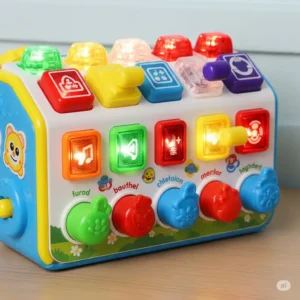
Sassy Peek-a-Boo Beads
This sensory toy provides excellent cause and effect learning through visual and tactile feedback. Furthermore, its design accommodates various special needs while delivering engaging developmental experiences.
Inclusive Features:
- Large, easy-to-grasp design
- High contrast colors for visual accessibility
- Smooth textures safe for mouthing
- Simple cause and effect action
- Lightweight for easy manipulation
Building Social Skills Through Shared Play 👥
Cause and effect toys provide excellent opportunities for developing social skills when used in interactive play settings. Moreover, these shared experiences help children learn communication, cooperation, and emotional regulation skills.
Turn-Taking Activities 🔄
Structured Interaction: Taking turns with cause and effect toys teaches children about patience, sharing, and social expectations. Additionally, this practice builds foundation skills for later classroom and peer interactions.
Communication Development: Describing actions and outcomes during shared play naturally develops language skills and vocabulary expansion.
Emotional Regulation: Learning to wait for turns and handle frustration when toys don’t work as expected builds emotional resilience and coping strategies.
Parallel Play Opportunities 👭
Side-by-Side Learning: Even when children aren’t directly interacting, playing with similar cause and effect toys nearby provides modeling opportunities and social awareness development.
Imitation Skills: Watching peers interact with toys helps children learn new play strategies and problem-solving approaches.
VTech Sit-to-Stand Learning Walker
This multi-functional toy transitions from floor play to walking support, naturally encouraging social interaction as children explore its various cause and effect features together.
Social Learning Benefits:
- Multiple activity areas for group play
- Music and sounds that attract peer attention
- Height adjustability for different developmental stages
- Encourages movement and shared space navigation
Technology Integration in Modern Cause and Effect Toys 📱
Contemporary cause and effect toys increasingly incorporate technology elements that enhance learning experiences while maintaining the fundamental action-reaction relationships that make these toys effective. Furthermore, thoughtful technology integration can expand learning opportunities without overwhelming young children.
Smart Features and Connectivity 🔗
App Integration: Some modern toys connect to smartphone apps that track progress, suggest activities, and provide parents with developmental insights. Additionally, these features can extend learning beyond physical play sessions.
Adaptive Learning: Advanced toys may adjust difficulty levels based on child performance, ensuring appropriate challenge levels that promote continued growth and engagement.
Progress Tracking: Technology can help parents and educators monitor skill development and identify areas where children might benefit from additional support or challenge.
Balancing Screen Time and Physical Play ⚖️
Hybrid Experiences: The best technology-enhanced cause and effect toys maintain focus on physical manipulation while adding digital elements that support rather than replace hands-on learning.
Age-Appropriate Integration: Technology features should enhance rather than complicate the fundamental cause and effect relationships that make these toys developmentally appropriate.
Screen-Free Alternatives 🚫📺
Traditional Benefits: Many families prefer cause and effect toys that provide rich learning experiences without screen components, maintaining focus on direct physical interaction and real-world cause and effect relationships.
Imagination Development: Non-digital toys often leave more room for creative interpretation and imaginative play, allowing children to create their own narratives and meanings.
Creating Learning Environments with Cause and Effect Toys 🏠
The environment where children play with cause and effect toys significantly impacts their learning experience and developmental outcomes. Moreover, thoughtful setup and organization can maximize the educational benefits of these valuable learning tools.
Optimal Play Spaces 🛏️
Safe Exploration Areas: Designate spaces where children can freely explore cause and effect toys without safety concerns or interruptions. Additionally, ensure adequate lighting and comfortable seating or floor play areas.
Minimal Distractions: Reduce background noise and visual clutter that might interfere with focus and concentration during cause and effect learning experiences.
Accessible Storage: Organize toys so children can independently select and return items, building responsibility and decision-making skills alongside cause and effect learning.
Rotation Strategies 🔄
Maintaining Interest: Regularly rotating available cause and effect toys prevents boredom and maintains novelty that drives continued exploration and learning.
Developmental Progression: Gradually introduce more complex cause and effect toys as children master simpler versions, ensuring appropriate challenge levels.
Seasonal Themes: Connecting toy rotations to seasons, holidays, or current interests can increase engagement and provide meaningful contexts for learning.
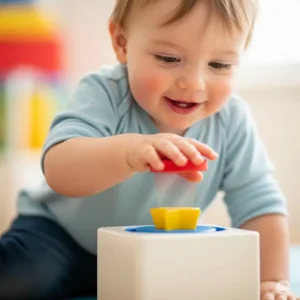
Little Tikes Pop Tunes Big Rocker
This large-scale cause and effect toy is perfect for creating dedicated play spaces that encourage gross motor development alongside traditional fine motor cause and effect learning.
Space Planning Benefits:
- Requires dedicated play area
- Encourages movement and balance
- Creates focal point for active play
- Accommodates multiple children simultaneously
Troubleshooting Common Challenges 🔧
Parents and caregivers often encounter specific challenges when introducing cause and effect toys to children. However, understanding common issues and solutions helps ensure successful learning experiences for all children.
Lack of Interest or Engagement 😴
Demonstration Strategies: Show children how toys work through enthusiastic modeling, making the cause and effect relationships obvious and exciting. Furthermore, your enthusiasm often becomes contagious and sparks curiosity.
Peer Interaction: Sometimes children become more interested in toys when they see other children enjoying them, making group play settings valuable for motivation.
Timing Considerations: Introduce new cause and effect toys when children are alert and receptive, avoiding times when they’re tired, hungry, or overwhelmed.
Frustration with Complex Toys 😤
Simplification Techniques: Break down complex toys into simpler components, gradually building skills before expecting independent mastery. Additionally, provide physical assistance initially, then fade support as competence develops.
Success Building: Ensure early experiences with cause and effect toys include plenty of successful interactions that build confidence and motivation for continued exploration.
Repetitive or Limited Play Patterns 🔁
Expansion Strategies: Gently introduce new ways to interact with familiar toys, showing alternative cause and effect relationships within the same play materials.
Combination Play: Encourage using multiple cause and effect toys together, creating more complex play scenarios that challenge thinking and creativity.
Adult Participation: Your involvement can model new play possibilities and keep experiences fresh and engaging for children who might otherwise get stuck in repetitive patterns.
Long-Term Developmental Outcomes 📈
The benefits of cause and effect toy play extend far beyond immediate entertainment, creating foundation skills that support lifelong learning and development. Moreover, research consistently demonstrates the long-term value of these early learning experiences.
Academic Readiness Skills 📚
Scientific Thinking: Understanding cause and effect relationships forms the basis for later scientific reasoning, hypothesis testing, and logical thinking skills. Additionally, this foundation supports success in STEM subjects throughout education.
Mathematical Concepts: Many cause and effect toys introduce early mathematical thinking through counting, patterns, sequencing, and spatial relationships.
Reading Readiness: The sequential thinking developed through cause and effect play supports phonological awareness and reading comprehension skills.
Executive Function Development 🧠
Working Memory: Remembering which actions produce which results strengthens working memory capacity, essential for academic success and daily life management.
Cognitive Flexibility: Adapting strategies when toys don’t work as expected builds mental flexibility and problem-solving resilience.
Inhibitory Control: Learning to wait for results and resist impulsive actions develops self-regulation skills crucial for school and social success.
Social-Emotional Growth ❤️
Confidence Building: Successful cause and effect interactions build self-efficacy and confidence in one’s ability to influence the environment positively.
Persistence Development: Working through challenges with cause and effect toys builds tolerance for frustration and persistence in facing difficulties.
Empathy Skills: Understanding that actions have consequences for others develops through shared play experiences with cause and effect toys.
Expert Recommendations and Research Insights 👨🔬
Leading child development researchers and pediatric specialists consistently recommend cause and effect toys as essential tools for healthy development. Furthermore, evidence-based research provides clear guidance for optimal selection and use.
Pediatric Guidelines 👩⚕️
The American Academy of Pediatrics emphasizes that cause and effect toys provide crucial learning experiences during critical developmental windows. Additionally, they recommend these toys as alternatives to passive screen time for young children.
Key Recommendations:
- Introduce simple cause and effect toys by 6 months
- Progress to more complex options as skills develop
- Prioritize open-ended toys over single-purpose items
- Balance independent and social play experiences
- Choose toys that grow with the child
Educational Research Findings 📊
Studies published in the Journal of Applied Developmental Psychology demonstrate that children who regularly play with cause and effect toys show enhanced problem-solving abilities and improved academic readiness compared to peers with limited exposure.
Research Highlights:
- 23% improvement in logical reasoning skills
- Enhanced mathematical readiness scores
- Improved social interaction quality
- Better emotional regulation during challenges
- Increased creative thinking abilities
Therapeutic Applications 🏥
Occupational therapists and speech-language pathologists frequently incorporate cause and effect toys into treatment plans for children with developmental delays or disabilities. Moreover, these toys provide structured opportunities for skill building in therapeutic contexts.
🎯 Transform Playtime into Learning Time Today!
→ Don’t wait to give your child these crucial developmental advantages. These research-backed cause and effect toys are currently available with special pricing. Click now to secure the best deals and start building your child’s brighter future! 🌈🚀
Seasonal and Holiday-Themed Options 🎄
Incorporating seasonal elements into cause and effect toy selection can increase engagement and provide meaningful contexts for learning throughout the year. Furthermore, holiday-themed options often become treasured family traditions that combine celebration with development.
Winter and Holiday Learning ❄️
Light-Up Options: Toys featuring twinkling lights or changing colors provide magical cause and effect experiences that align with winter celebrations. Additionally, these visual elements can help regulate mood during darker months.
Music and Movement: Holiday-themed cause and effect toys with seasonal songs encourage movement and provide cultural learning opportunities alongside developmental benefits.
Spring and Summer Engagement 🌸
Outdoor-Friendly Options: Water-based cause and effect toys provide refreshing summer learning while teaching principles about flow, pressure, and gravity. Moreover, outdoor play expands the sensory learning environment.
Garden-Themed Learning: Toys that simulate planting, growing, and harvesting provide cause and effect learning while introducing concepts about nature and responsibility.
VTech Musical Rhymes Book
This interactive book provides year-round cause and effect learning with seasonal song options and holiday themes that keep content fresh and engaging throughout changing seasons.
Seasonal Benefits:
- 40+ songs including seasonal favorites
- Interactive pages with cause and effect buttons
- Durable design for indoor and outdoor use
- Cultural learning through traditional songs
Budget-Friendly DIY Alternatives 💰
Creating effective cause and effect learning experiences doesn’t always require expensive commercial toys. Moreover, homemade options can be customized to individual interests and developmental needs while providing the same educational benefits.
Simple Household Materials 🏠
Container and Object Play: Fill various containers with different materials (rice, beans, water) to create shaking, pouring, and sorting cause and effect experiences. Additionally, varying container sizes teaches concepts about volume and capacity.
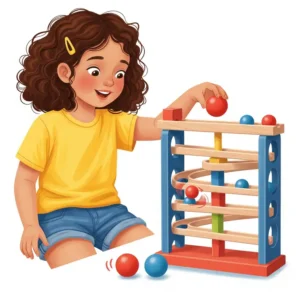
Box and Tube Creations: Cardboard boxes with holes and tubes create ball-drop toys that demonstrate gravity, trajectory, and sequencing through cause and effect interactions.
Kitchen Science Experiments 🧪
Mixing and Measuring: Safe kitchen activities like mixing colors in water or measuring ingredients provide cause and effect learning while building life skills. Furthermore, these activities integrate practical learning with scientific exploration.
Sound Creation: Filling containers with various materials creates different sounds when shaken, teaching cause and effect relationships through auditory feedback.
Safety Considerations for DIY Toys ⚠️
Always ensure homemade cause and effect toys meet safety standards by avoiding small parts, toxic materials, or sharp edges. Additionally, supervise DIY toy play to ensure safe exploration and learning.
FAQs About Cause and Effect Toys ❓
❓ How early can babies start using cause and effect toys?
❓ What's the difference between cause and effect toy and regular toys?
❓ Can cause and effect toys autism therapy really help with development?
❓ How long should children play with cause and effect toys daily?
❓ Are expensive cause and effect toys better than budget options?
Conclusion: Building Brighter Futures Through Play 🌟
Cause and effect toys represent far more than simple entertainment – they’re powerful tools that shape developing minds and build essential life skills. Throughout this comprehensive guide, we’ve explored how these remarkable learning instruments support cognitive development, enhance motor skills, and foster social-emotional growth in children of all abilities.
The journey from a baby’s first rattle shake to a preschooler’s complex problem-solving demonstrates the incredible progression that cause and effect learning facilitates. Moreover, understanding how to select, present, and utilize these toys ensures every child can access their developmental benefits regardless of individual needs or challenges.
Whether you’re supporting a typically developing infant, helping a child with autism spectrum disorder, or working with children who have special needs, cause and effect toys provide structured, engaging pathways to growth and learning. Additionally, the research-backed benefits extend far beyond childhood, creating foundations for academic success, social competence, and lifelong curiosity.
Remember that the best cause and effect toys are those that match your child’s current developmental level while providing gentle challenges that encourage growth. Furthermore, your involvement and enthusiasm often determine the success of these learning experiences more than any specific toy feature or technology.
As you embark on this journey of discovery with your child, celebrate every button press, lever pull, and delighted giggle as evidence of growing understanding and confidence. These precious moments of cause and effect learning are building the critical thinking skills, problem-solving abilities, and scientific reasoning that will serve your child throughout their life.
The investment you make in quality cause and effect toys today pays dividends in your child’s tomorrow, creating a foundation of curiosity, competence, and joy in learning that will last a lifetime.
🎯 Start Your Child’s Development Journey Today!
→ Ready to unlock your child’s potential? These expertly selected cause and effect toys are waiting to transform ordinary playtime into extraordinary learning adventures. Click any highlighted product to discover current deals and give your child the gift of engaging, developmental play that builds brighter futures! 🌈✨
Recommended for You
Explore these related articles to expand your child development knowledge:
- Tummy Time Toys: 15 Expert-Approved Picks That Actually Work in 2025
- 17 Best Little Room Montessori Toys That Transform Small Spaces in 2025
- 7 Best Montessori Toy Shelf Ideas That Transform Your Child’s Learning Space in 2025
Disclaimer: This article contains affiliate links. If you purchase products through these links, we may earn a small commission at no additional cost to you.
✨ Found this helpful? Share it with your friends! 💬🤗
