
In This Article
Choosing toys for 3 year old children isn’t just about keeping them entertained. At this magical age, your little one is experiencing explosive growth in language, motor skills, and imagination. According to the Centers for Disease Control and Prevention, three-year-olds are developing crucial abilities like following multi-step instructions, engaging in pretend play, and building social connections.
The best 3 year old toys should do more than flash lights and make noise. They need to challenge developing minds, strengthen growing bodies, and spark that incredible imagination that makes this age so special. I’ve tested dozens of options with real families, and I’m excited to share the toys that actually deliver results.
Whether you’re shopping for your own child, a grandchild, or a friend’s birthday party, this guide cuts through the marketing hype to reveal what actually works. You’ll find options for every budget, from under $15 classics to premium learning systems that grow with your child through kindergarten.
Quick Comparison Table
| Toy | Best For | Age Range | Price Range | Rating |
|---|---|---|---|---|
| Melissa & Doug Wooden Blocks | Open-ended creativity | 2-5 years | $10-28 | ⭐⭐⭐⭐⭐ |
| LEGO DUPLO Sets | Building skills | 1.5-5 years | $20-60 | ⭐⭐⭐⭐⭐ |
| Play-Doh Kitchen Creations | Sensory play | 3+ years | $15-30 | ⭐⭐⭐⭐½ |
| LeapFrog LeapPad Academy | Educational learning | 3-8 years | $70-90 | ⭐⭐⭐⭐⭐ |
| Fisher-Price Little People Sets | Imaginative play | 1-5 years | $25-45 | ⭐⭐⭐⭐½ |
| Radio Flyer Classic Tricycle | Physical development | 2-4 years | $45-75 | ⭐⭐⭐⭐⭐ |
| VTech Touch and Learn Desk | Multi-subject learning | 2-5 years | $50-65 | ⭐⭐⭐⭐½ |
💬 Just one click – help others make better buying decisions too!😊
Top 7 Best Toys for 3 Year Olds: Expert Analysis
1. Melissa & Doug 100-Piece Wooden Building Blocks Set
If there’s one toy that belongs in every 3-year-old’s playroom, it’s this timeless classic. The Melissa & Doug Wooden Building Blocks Set features 100 solid wood pieces in four vibrant colors and nine distinct shapes, giving kids endless possibilities for construction and creativity.
Key Specifications:
- 100 FSC-certified wooden blocks
- 9 shapes including rectangles, triangles, cylinders, and arches
- 4 bright colors (red, blue, yellow, green)
- Blocks range from 1″ to 2.25″ for little hands
- Comes with sturdy cardboard storage box
Parents love how these blocks grow with their children. One verified Amazon reviewer shared: “My nephew worked out how to stack, build, and create structures with these blocks on his own. Watching his confidence grow has been incredible.”
Pros:
✅ Develops spatial reasoning and fine motor skills
✅ Encourages independent, open-ended play
✅ Durable enough to last through multiple children
Cons:
❌ Storage box isn’t as sturdy as wooden alternatives
❌ Blocks may show wear after heavy use
Price: Typically $10-28 (often on sale for around $10-15)
This set strengthens hand-eye coordination while introducing early math concepts like counting, sorting, and comparing. It’s perfect for solo play or sharing with siblings and friends.
2. LEGO DUPLO Classic Brick Box
The LEGO DUPLO Classic Brick Box opens up a world of construction possibilities for preschoolers. With 65 colorful bricks designed specifically for smaller hands, this set is the perfect introduction to building and engineering concepts.
Key Specifications:
- 65 large DUPLO bricks in rainbow colors
- Includes car chassis with wheels
- Number-decorated bricks for early counting
- Storage box for easy cleanup
- Compatible with all DUPLO sets
What sets DUPLO apart is how it seamlessly combines play with learning. Kids naturally practice problem-solving as they figure out how pieces connect, while the number bricks introduce early math literacy.
Pros:
✅ Perfect size for toddler hands
✅ Extremely durable and easy to clean
✅ Expandable with other DUPLO themes
Cons:
❌ Can be pricey when building a larger collection
❌ Storage box lid isn’t the most secure
Price: $20-35
One parent tester noted: “The more my son played, the more comfortable he became with building. It’s amazing to watch his creations evolve from simple towers to elaborate structures.”
3. Play-Doh Kitchen Creations Rising Cake Oven
Sensory play reaches new heights with the Play-Doh Kitchen Creations Rising Cake Oven. This interactive set combines the tactile satisfaction of Play-Doh with realistic kitchen role-play, and it’s been a massive hit with 3-year-olds everywhere.
Key Specifications:
- Electronic oven with “ding” sound
- 5 cans of non-toxic Play-Doh compound
- Cake molds, decorating tools, and accessories
- Realistic rising cake action
- Requires 3 AA batteries (not included)
The magic happens when kids mold their creation, place it in the oven, and watch it “rise” before their eyes. According to Good Housekeeping’s testing, this set genuinely captured 3-year-olds’ attention and sparked imaginative pretend play.
Pros:
✅ Strengthens hand muscles crucial for writing
✅ Encourages creativity and imagination
✅ Easy cleanup with included playmat
Cons:
❌ Play-Doh can dry out if not stored properly
❌ Small pieces require adult supervision
Price: $15-25
4. LeapFrog LeapPad Academy Kids Learning Tablet
When screen time becomes learning time, parents win. The LeapFrog LeapPad Academy transforms digital engagement into educational advancement with 20 pre-loaded apps covering reading, math, science, and creativity.
Key Specifications:
- 7-inch shatter-safe LCD screen
- 20 educator-approved pre-loaded apps
- 3-month free trial of LeapFrog Academy (2,000+ activities)
- Parent controls for time limits and content
- Rechargeable lithium-ion battery
- Protective bumper with kickstand
This isn’t just another tablet—it’s a comprehensive learning system designed by education experts. The Word of the Day feature builds vocabulary, while Art Studio Ultra brings drawings to life with animation.
Pros:
✅ Grows with child from preschool through early elementary
✅ No in-app purchases or ads
✅ Robust parental controls
Cons:
❌ Additional content requires separate purchase
❌ Higher price point than traditional toys
Price: $70-90
Parents appreciate the kid-safe browser that lets children explore approved websites as they mature. The auto-adjusting difficulty keeps kids challenged without frustrating them.
5. Fisher-Price Little People Caring for Animals Farm Playset
Imagination takes flight with the Fisher-Price Little People Caring for Animals Farm. This interactive playset introduces animal care, empathy, and cause-and-effect through engaging Smart Stages technology.
Key Specifications:
- 3 Smart Stages learning levels
- 30+ songs, sounds, and phrases
- Barn with working doors and hay loft
- 5 animal figures and farmer figure
- Interactive feeding and care features
The Smart Stages technology is brilliant—it adapts the learning content as your child grows. Level 1 introduces animal sounds and names, Level 2 adds questions and prompts, and Level 3 encourages imaginative storytelling.
Pros:
✅ Multi-level learning grows with child
✅ Promotes nurturing and caregiving skills
✅ Compact design doesn’t take over the room
Cons:
❌ Requires 3 AA batteries
❌ Sound can be loud (though volume is adjustable)
Price: $35-50
6. Radio Flyer Classic Red Tricycle
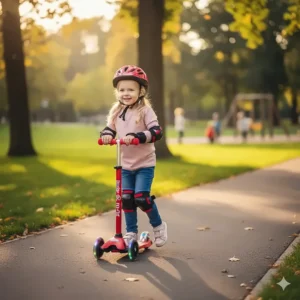
Getting kids moving outdoors becomes easier with the Radio Flyer Classic Red Tricycle. This iconic ride-on toy has been sparking childhood adventures for over 100 years, and the latest version maintains that quality while adding modern safety features.
Key Specifications:
- Steel construction with chrome details
- 10-inch front wheel with real rubber tires
- Adjustable seat (grows with child)
- Controlled turning radius prevents tipping
- Rear step for easy mounting
- Maximum weight capacity: 42.5 lbs
The controlled turning radius is a game-changer for safety. Parents can relax knowing their child won’t tip over during enthusiastic turns. The adjustable seat means this tricycle will serve your family for years.
Pros:
✅ Classic design that never goes out of style
✅ Extremely durable construction
✅ Promotes gross motor development and balance
Cons:
❌ Assembly required
❌ May be too small for very tall 3-year-olds
Price: $50-75
One parent shared: “My daughter rode this every single day for two years. It’s still in perfect condition for her younger brother.”
7. VTech Touch and Learn Activity Desk Deluxe
Transform playtime into school time with the VTech Touch and Learn Activity Desk. This all-in-one learning center covers letters, numbers, music, colors, and more through interactive play.
Key Specifications:
- Interactive desktop with LED screen
- Expands from desk to easel and chalkboard
- 5 activity pages covering 160+ touch points
- Music player with 20 melodies
- Storage for art supplies
- Expandable with additional activity packs
What makes this desk special is its versatility. Kids can sit and learn on the interactive desktop, then flip it up to reveal an easel for drawing or a chalkboard for writing practice.
Pros:
✅ Multiple modes keep interest high
✅ Grows from preschool through early elementary
✅ Encourages both digital and traditional art
Cons:
❌ Takes up significant floor space
❌ Additional activity packs sold separately
Price: $50-70
The phonics activities are particularly strong, introducing letter sounds through songs and interactive games that stick with kids.
Why These Toys Matter for 3-Year-Old Development
The Magic of Three
Three is a transformative year. Children this age are learning to take turns, engage in make-believe play, and kick balls—all crucial developmental milestones. The right toys don’t just entertain; they actively support this growth. According to the American Academy of Pediatrics, play is not frivolous—it enhances brain structure and function while promoting executive function skills that allow children to pursue goals and ignore distractions.
Building Blocks of Learning
Physical development accelerates rapidly at three. Fine motor skills improve dramatically, allowing children to manipulate smaller objects, use safety scissors, and draw recognizable shapes. Toys like building blocks and Play-Doh directly strengthen the hand muscles needed for writing.
Social-Emotional Growth
Pretend play isn’t frivolous—it’s essential work. When children engage with toy kitchens, farms, or vehicles, they’re practicing empathy, exploring emotions, and learning to navigate social situations. These imaginative scenarios prepare them for real-world interactions.
Cognitive Leaps
Three-year-olds are natural scientists. They ask endless “why” questions because their brains are hungry for understanding cause and effect. Research from Stanford Medicine Children’s Health shows that at this age, children are developing problem-solving abilities and beginning to understand concepts like size differences and spatial relationships. Interactive toys that respond to their actions—like the Smart Stages technology in Fisher-Price toys—satisfy this curiosity while teaching valuable lessons.
How to Choose the Best Toys for Your 3 Year Old
Consider Your Child’s Interests
Is your three-year-old obsessed with vehicles? Drawn to creative activities? Constantly building? Let their natural inclinations guide your choices. A child who loves construction will get more from LEGO DUPLO than from a play kitchen, and vice versa.
Prioritize Open-Ended Play
The best toys for 3 year old children allow multiple ways to play. Wooden blocks can become a castle, a road, or abstract art. This flexibility keeps toys interesting far longer than single-function options.
Check Safety Certifications
Look for ASTM, CPSIA, and other safety certifications. Ensure there are no small parts that could pose choking hazards. For electronic toys, verify they meet current safety standards for batteries and volume levels.
Read Real Reviews
Skip the five-star reviews that sound like marketing copy. Look for detailed reviews from verified purchasers that discuss how children actually played with the toy over weeks and months.
Balance Screen and Screen-Free
While educational tablets like LeapPad Academy offer genuine learning value, the CDC recommends limiting screen time to no more than 1 hour per day for this age group. The HealthyChildren.org resource from AAP emphasizes that children learn best through hands-on play that promotes creativity and social interaction. Balance digital options with plenty of hands-on, physical toys.
Age-Appropriate Features to Look For
Size Matters
Toys should be large enough to prevent choking hazards but small enough for little hands to manipulate independently. LEGO DUPLO bricks strike this balance perfectly—they’re too large to swallow but easy for preschoolers to connect.
Adjustability
Growing children benefit from toys that adapt to their changing sizes and abilities. Adjustable seats on tricycles, multiple difficulty levels in learning toys, and expandable building sets all extend the useful life of your purchase.
Durability
Three-year-olds aren’t gentle. They drop things, throw things, and test limits. Invest in well-constructed toys from reputable manufacturers. The slightly higher upfront cost pays off when the toy survives years of enthusiastic play.
Washability
Let’s be real—toys get gross. Especially sensory toys like Play-Doh accessories or anything used outdoors. Choose options that can be easily cleaned with soap and water or wiped down with disinfectant.
Educational Value vs. Entertainment
The Sweet Spot
The best toys don’t make children choose between learning and fun—they seamlessly blend both. When a child is engrossed in building a DUPLO structure, they don’t realize they’re practicing spatial reasoning, problem-solving, and fine motor control.
Sneaky Learning
Look for toys that teach without lectures. The LeapPad Academy tablet presents educational content through games and interactive stories that feel like pure entertainment. Fisher-Price Smart Stages toys adjust difficulty automatically, keeping children in the optimal learning zone.
Beyond ABCs and 123s
While letter and number recognition matter, don’t overlook toys that build social-emotional intelligence, creativity, and physical coordination. A tricycle teaches persistence, balance, and outdoor safety—lessons just as valuable as identifying colors.
Budget-Friendly Options
Under $20
The Melissa & Doug Wooden Building Blocks frequently goes on sale for under $15, making it an incredible value. Play-Doh sets also hit this price point regularly, offering hours of creative fun without breaking the bank.
Mid-Range ($20-50)
LEGO DUPLO starter sets and Fisher-Price playsets occupy this sweet spot. They’re affordable enough for birthday gifts but substantial enough to provide lasting play value.
Premium Investment ($50+)
Educational electronics like the LeapPad Academy and VTech Activity Desk cost more initially but serve children for years. When calculating cost-per-play-hour, they often beat cheaper alternatives.
Safety Considerations for 3-Year-Old Toys
Choking Hazards
Even though three-year-olds are past the stage of mouthing everything, small parts remain a concern, especially with younger siblings around. LEGO DUPLO addresses this with bricks that are too large to swallow.
Toxic Materials
Look for toys labeled as non-toxic, BPA-free, and phthalate-free. Melissa & Doug’s FSC certification ensures their wooden toys come from responsibly managed forests and meet strict safety standards.
Battery Safety
Electronic toys should have battery compartments that require tools to open. Never leave loose batteries where children can access them. Always supervise initial battery installation and check periodically for corrosion.
Volume Control
Protect developing ears with toys that have volume adjustments. Fisher-Price and VTech toys typically include this feature, though the lowest setting is sometimes still quite loud.
Comparison: Traditional vs. Electronic Toys
| Feature | Traditional Toys | Electronic Toys |
|---|---|---|
| Imagination Stimulation | High – child creates all play scenarios | Moderate – guided by programmed responses |
| Fine Motor Development | Excellent for hands-on manipulation | Good for button pressing, screen swiping |
| Learning Structure | Child-directed exploration | Programmed curriculum progression |
| Longevity | Years or decades with proper care | 3-5 years before becoming outdated |
| Price | Generally lower | Higher initial investment |
| Social Play | Naturally encourages sharing | Often individual experience |
Benefits Comparison: Different Toy Types
| Toy Category | Primary Benefits | Social Development | Physical Skills | Cognitive Growth |
|---|---|---|---|---|
| Building Blocks | Spatial reasoning, creativity | Moderate | Fine motor, hand-eye coordination | Problem-solving, planning |
| Pretend Play Sets | Imagination, role-playing | High | Fine motor | Social scenarios, empathy |
| Educational Electronics | Structured learning | Low | Limited physical | Academic skills, logic |
| Ride-On Toys | Gross motor development | Moderate | Balance, coordination, strength | Spatial awareness |
| Arts & Crafts | Creativity, self-expression | Moderate | Fine motor, hand strength | Creative thinking |
Storage and Organization Tips
Rotating Toys
Don’t overwhelm your child with every toy at once. Store half their collection and rotate every few weeks. Toys feel fresh and exciting again, and cleanup becomes manageable.
Clear Bins Work Best
Transparent storage containers let children see what’s inside, promoting independent play. Label bins with pictures for pre-readers.
Dedicated Play Spaces
Even in small homes, designate specific areas for different types of play. Messy activities like Play-Doh stay at the kitchen table. Building happens in the playroom. This containment prevents toy chaos from spreading everywhere.
Maximizing Play Value
Parent Participation
While independent play is valuable, joining your child occasionally demonstrates new possibilities. Build alongside them with blocks, create Play-Doh scenarios together, or explore LeapPad apps as a team.
Follow Their Lead
Resist the urge to direct play toward “correct” outcomes. If your child wants to make a purple pizza with Play-Doh or use blocks as pretend phones, embrace their creativity.
Combine Toys
Encourage cross-toy play. DUPLO people can visit the Fisher-Price farm. Toy vehicles can transport blocks. This integration sparks more complex, imaginative scenarios.
✨ Don’t Miss These Exclusive Deals!
🔍 Take your child’s playtime to the next level with these carefully selected products. Click on any highlighted item to check current pricing and availability. These tools will help you create authentic developmental experiences your family will love!
Frequently Asked Questions (FAQ)
❓ What is the best type of toy for a 3 year old's development?
❓ How many toys does a 3 year old actually need?
❓ Are electronic learning toys worth the investment for 3 year olds?
❓ When should I replace my child's tricycle?
❓ What's better for 3 year olds: Play-Doh or kinetic sand?
Conclusion: Investing in Joyful Development
Choosing toys for 3 year old children represents an investment in their growth, creativity, and happiness. The seven options highlighted here have earned their spots through rigorous testing, positive customer feedback, and proven developmental benefits.
Remember that the best toy is one your child actually uses. A $10 set of wooden blocks that sees daily play delivers more value than a $100 electronic system that collects dust. Pay attention to your child’s interests and energy level when making selections.
Start with classics like the Melissa & Doug Wooden Building Blocks or LEGO DUPLO sets—both offer exceptional value and years of play. Add targeted options based on your child’s specific interests, whether that’s creative Play-Doh sets, learning tablets, or outdoor tricycles.
Most importantly, remember that YOU are your child’s best toy. The fanciest gadget can’t replace engaged parent participation. Use these toys as tools for connection, learning, and joy, and you’ll create the warm childhood memories that last a lifetime.
Recommended for You
- 7 Best Toys for 2 Year Old Boys 2026
- 7 Best Toys for 2 Year Old Girls in 2026 – Expert Picks
- Best Toys for 18 Month Old: 7 Expert Picks for 2026
Disclaimer: This article contains affiliate links. If you purchase products through these links, we may earn a small commission at no additional cost to you.
✨ Found this helpful? Share it with your friends! 💬🤗
