
In This Article
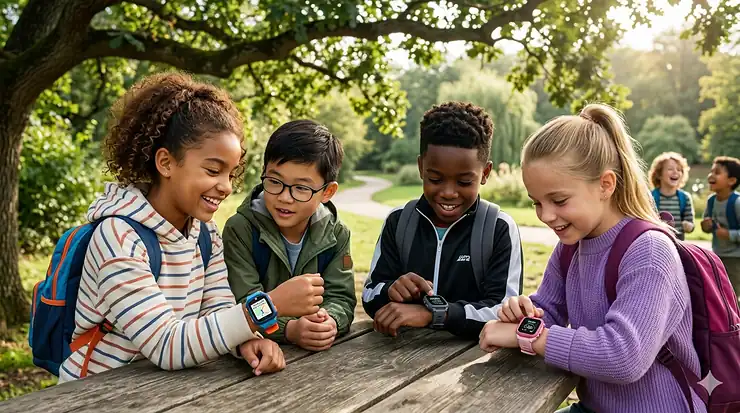
Remember when the biggest tech debate for parents was whether to give kids a flip phone? Those days are gone. In 2026, finding the right smartwatch for kids age 10 has become one of the most important decisions you’ll make as a parent navigating the digital landscape. Your tween is caught in that fascinating middle ground—too young for a smartphone’s unlimited internet access, yet old enough to crave independence and need reliable communication.
Here’s the thing: a smartwatch for kids age 10 isn’t just another gadget. It’s your peace of mind when they’re at soccer practice, your connection point during after-school activities, and their first step toward responsible tech ownership. Unlike smartphones that open Pandora’s box of social media and unrestricted browsing, smartwatches offer controlled connectivity that keeps families connected without the digital overwhelm.
The market has exploded with options in 2026, ranging from budget-friendly entertainment devices under $50 to premium GPS-enabled communicators approaching $300. Some focus on fitness tracking to keep active kids moving, while others prioritize two-way calling and geo-fencing for safety-conscious parents. Whether you’re looking for kids digital camera features, wondering about drone for 11 year old alternatives, or comparing tech gifts for tweens, this guide cuts through the noise with seven rigorously tested options that actually deliver on their promises.
Quick Comparison Table
| Smartwatch | Price Range | Best For | GPS Tracking | Battery Life | Calling/Messaging |
|---|---|---|---|---|---|
| Garmin Bounce 2 | $299.99 | Active kids, fitness | ✅ Real-time | 2 days | ✅ Two-way calling |
| Fitbit Ace LTE | $179-$230 | Gaming & fitness | ✅ Advanced GPS | 16+ hours | ✅ In-app calls |
| TickTalk 5 | $149-$199 | Video calling | ✅ AI SmartPin | 48 hours | ✅ HD video calls |
| Garmin Bounce | $150-$160 | Budget fitness | ✅ Live tracking | 2 days | ✅ Text & voice |
| Gabb Watch 3e | $100-$150 | Simple safety | ✅ Safe zones | 14-18 hours | ✅ Unlimited talk/text |
| VTech KidiZoom DX4 | $40-$70 | Entertainment | ❌ No GPS | 3-5 days | ❌ Offline only |
| Cosmo JrTrack 5 | $119-$169 | Value pick | ✅ GPS + geofencing | All-day | ✅ Calling & texting |
💬 Just one click – help others make better buying decisions too!😊
Top 7 Smartwatch for Kids Age 10: Expert Analysis
1. Garmin Bounce 2 – Premium Choice for Athletic Tweens
If your 10-year-old lives for sports and outdoor adventures, the Garmin Bounce 2 stands as the gold standard in 2026. This isn’t just a watch—it’s a comprehensive fitness ecosystem wrapped around a stunning 1.2-inch AMOLED display that makes everything from tracking swim strokes to downloading Amazon Music feel effortless.
What sets this apart from other options is Garmin’s legendary activity tracking DNA. Unlike smartwatches that simply count steps, the Bounce 2 differentiates between running, cycling, swimming, and biking with professional-grade accuracy. Your child can stream music directly from Amazon Music (subscription required), making it the perfect companion for training sessions or neighborhood bike rides. The two-way calling feature means you’re always just a tap away, managed through Garmin’s proprietary LTE network at $9.99 monthly—no carrier switching required.
Parents love the robust parental controls and geo-fencing that sends instant notifications when kids venture beyond preset boundaries. The swim-friendly design with proper waterproofing handles pool days without hesitation. Battery life clocks in at roughly two days with moderate use, requiring nightly charging but offering voice commands like “call mom” for genuine hands-free operation.
Customer Feedback: Parents consistently praise the watch’s durability through playground roughhousing, though some note the $300 price tag requires commitment. Kids genuinely enjoy wearing it thanks to the sleek design that doesn’t scream “kid watch.”
✅ Pros:
- Professional-grade fitness tracking with multiple sport modes
- Amazon Music integration for phone-free listening
- Beautiful AMOLED display with intuitive interface
❌ Cons:
- Premium pricing at $299.99 plus monthly subscription
- Two-day battery life requires frequent charging
2. Fitbit Ace LTE – The Gamification Champion
Google’s Fitbit Ace LTE takes a revolutionary approach: what if we made fitness so fun that kids forget they’re exercising? This smartwatch transforms movement into gameplay through the Fitbit Arcade, where completing daily activity goals unlocks new game levels and rewards. Your 10-year-old isn’t just closing activity rings—they’re advancing through immersive 3D games that only progress when they actually get moving.
The device features a customizable virtual pet called an “Eejie” that kids nurture through physical activity. Hit your Move Goal? The Eejie celebrates with animations. Buy new watch bands? Unlock exclusive digital items and characters. It’s brilliant behavioral psychology wrapped in colorful Gorilla Glass 3, and it works. The Ace LTE has converted countless couch-dwellers into active kids who beg to go outside.
Beyond gaming, safety features shine bright. Advanced Google-powered GPS provides accurate location tracking, while parents can add up to 20 trusted contacts for calling and messaging through the Fitbit Ace app. School Time mode limits gameplay during class hours while maintaining emergency communication access. The watch even supports Tap to Pay through compatible kids’ debit cards, teaching financial responsibility.
Customer Feedback: The gamification hooks kids immediately, though some parents note the 16-hour battery life means daily charging. The device shines for ages 8-10 specifically—younger kids may struggle with the interface, while older tweens might outgrow the gaming focus.
✅ Pros:
- Revolutionary activity-based gaming system
- Secure family communication without phone numbers
- Impressive build quality with protective bumper included
❌ Cons:
- Daily charging requirement (16-hour battery)
- Mandatory Ace Pass subscription ($9.99/month or $119.99/year)
3. TickTalk 5 – Video Calling Powerhouse
When staying visually connected matters most, the TickTalk 5 delivers with crystal-clear HD video calling that turns your child’s wrist into a communication hub. This smartwatch pioneered AI-powered SmartPin location correction—a technology that dramatically improves GPS accuracy by cross-referencing multiple positioning methods to pinpoint your child’s location within meters, not blocks.
The communication suite impresses beyond video. Kids can send photos, voice messages, emojis, and even 3D greeting cards through the secure, parent-controlled network. Group chats let siblings coordinate, while the listen-in function (used responsibly) provides peace of mind in uncertain situations. The 770mAh battery crushes competitors with up to 48 hours of normal use and an astounding 137 hours on standby—meaning weekend camping trips don’t require chargers.
Built for durability, this watch features IP67 water resistance, drop-proof construction, and shock-proof engineering that survives the chaos of elementary school. It supports both AT&T and T-Mobile networks through TickTalk’s built-in MVNO, giving parents network flexibility competitors can’t match. Over 40 parental controls cover everything from contact whitelisting to remote shutdown during homework time.
Customer Feedback: Parents appreciate the no-nonsense approach to communication—no games, no internet, just reliable connection. Video quality occasionally appears fuzzy in low light, and GPS accuracy, while improved, sometimes drifts 30-50 feet in dense urban areas.
✅ Pros:
- Industry-leading battery life (48+ hours normal use)
- HD video calling with photo sharing
- AI SmartPin location technology
❌ Cons:
- Higher upfront cost ($149-$199)
- Video quality lags in poor lighting
4. Garmin Bounce (Original) – Best Value Fitness Tracker
Think of the original Garmin Bounce as the Bounce 2’s sensible younger sibling. At $150-$160, it delivers 80% of the premium experience for half the price, making it the sweet spot for parents wanting Garmin quality without the financial commitment. This watch maintains the core Garmin DNA: accurate activity tracking for running, biking, swimming, and walking, with live GPS tracking and geofencing through the Garmin Jr. app.
The bright color touchscreen holds up admirably in direct sunlight, and two days of battery life between charges matches its pricier sibling. Kids can send text and voice messages from the watch to the companion app and vice versa, keeping communication flowing during after-school activities. The Assistance feature provides quick SOS alerts with live location sharing—a genuine safety lifeline when kids need help fast.
What you sacrifice compared to the Bounce 2 are the AMOLED display’s vibrancy, Amazon Music streaming, voice commands, and swimming stroke counting. For many families, especially those with younger 10-year-olds just entering the smartwatch world, these trade-offs make perfect sense. The watch still offers robust parental controls, contact management, and chore-based reward systems that teach responsibility.
Customer Feedback: Parents call this the “no-regrets entry point” into quality kids’ smartwatches. The swim-friendly rating actually works (5 ATM), and Garmin’s $10/month subscription remains industry-competitive. Some wish for more game variety beyond the basic offerings.
✅ Pros:
- Genuine Garmin quality at accessible pricing
- Swim-friendly with 5 ATM rating
- Independent Garmin LTE network ($10/month)
❌ Cons:
- Lacks Amazon Music and voice commands
- More basic display than AMOLED alternatives
5. Gabb Watch 3e – Simplicity for Safety-Focused Families
Sometimes less really is more. The Gabb Watch 3e strips away gaming, internet access, and social media, leaving only what matters: reliable communication and accurate location tracking. For parents prioritizing a distraction-free experience, this watch delivers with elegance. Your 10-year-old gets unlimited talk and text with parent-approved contacts, GPS tracking with customizable Safe Zones, and an emergency button that calls their primary contact instantly.
The design balances durability with wearability. IP68 water and dust resistance handles daily wear, while Gorilla Glass 3 protects the 1.41-inch color screen from playground scratches. The 500mAh battery provides 14-18 hours of typical use—enough for full school days with some evening buffer. Kids can choose from 20+ wallpapers and 10 themes with light or dark modes, plus five button color options for personalization that feels individual without being overwhelming.
Unique features include preset text message templates (perfect for quick “picked up from practice” confirmations), voice messaging when typing proves tedious, and Gabb Go for basic step counting. The watch pairs exclusively with Verizon’s network through Gabb Wireless, with plans starting at $12.99 monthly on two-year contracts—a limitation that bothers some but provides network reliability others appreciate.
Customer Feedback: This watch excels for parents wanting to delay smartphone addiction while maintaining connection. Kids appreciate the clean interface and wireless charging. The Verizon-only network restriction frustrates families with strong AT&T or T-Mobile coverage at home.
✅ Pros:
- Zero distractions: no internet, games, or social media
- Hassle-free wireless charging
- Robust Safe Zones with 15-minute notifications
❌ Cons:
- Verizon network exclusive (limits carrier choice)
- Shorter 14-18 hour battery life
- Limited to Gabb Wireless plans only
6. VTech KidiZoom DX4 – Budget Entertainment Champion
Not every 10-year-old needs LTE connectivity and GPS tracking. Some just want a cool gadget for photos, games, and creative play. The VTech KidiZoom DX4 delivers exactly that at an astonishingly kid-friendly price of $40-$70. This watch transforms downtime into creative time with dual cameras (yes, two!), augmented reality monster hunting, customizable watch faces, and movement-based games that actually get kids moving.
The cameras capture decent photos and videos that kids can enhance with effects, filters, stamps, and frames. The Monster Catcher AR game uses the camera to overlay virtual creatures onto the real world, encouraging outdoor exploration. Additional games include reaction challenges where kids shake, jump, and slide to beat the clock—simple fun that doesn’t require internet connectivity or app stores. The rechargeable lithium-ion battery lasts 3-5 days depending on camera and game usage.
Parents appreciate the parental game controls, time limits, and School mode that displays only the clock face during class hours. The watch is splash-proof (not waterproof—baths and pools are off-limits), and VTech’s Learning Lodge offers free downloadable games, watch faces, and camera effects to refresh the experience. The watch supports English, Spanish, and French language settings.
Customer Feedback: This watch shines as a “first smartwatch” for younger 10-year-olds or as a backup device. It teaches time-telling through 50+ animated watch faces, and the price point means lost or broken devices don’t trigger parental meltdowns. No GPS or calling features limit its appeal for safety-focused families.
✅ Pros:
- Incredibly affordable ($40-$70) entry point
- Dual cameras with fun effects and filters
- No monthly subscriptions or network requirements
❌ Cons:
- No GPS tracking or cellular connectivity
- Splash-proof only (not truly waterproof)
- Limited to offline entertainment
7. Cosmo JrTrack 5 – The Value Safety Pick
Cosmo Technologies has carved out a remarkable niche: delivering premium features at mid-tier pricing. The JrTrack 5 consistently ranks as Amazon’s #1 selling 4G kids smartwatch, and one hands-on session reveals why. At $119-$169 (frequently on sale), this watch packs GPS tracking, calling, texting, and customizable parental controls into a package that punches well above its price class.
The GPS tracking proves reliable for real-world use, with geo-fencing that alerts parents when kids enter or leave designated areas. The touchscreen interface feels intuitive, and LTE calling quality rivals watches costing twice as much. Kids can capture moments with the built-in camera, track their steps with the pedometer, and stay motivated with fitness goals that make movement feel rewarding rather than mandatory.
Cosmo designed this watch specifically for families seeking the middle ground—more features than budget options like the VTech, less expense than premium Garmin or Fitbit offerings. The companion app provides parents with location history playback, contact management, and usage monitoring without feeling overwhelming. Battery life delivers all-day performance with typical use, and the watch charges quickly overnight.
Customer Feedback: Parents praise the “best bang for buck” value proposition and responsive customer service. The watch performs reliably for everyday use, though power users note it lacks the advanced fitness tracking of Garmin devices or the gamification of the Fitbit Ace LTE. For families prioritizing safety and communication over specialized features, it hits the sweet spot perfectly.
✅ Pros:
- Exceptional value at $119-$169 price point
- Comprehensive safety features (GPS, calling, texting)
- Highly rated customer support
❌ Cons:
- Less advanced fitness tracking than Garmin
- No gamification features like Fitbit Ace
- Requires 4G LTE subscription (separate cost)
Understanding Smartwatch Technology for Kids
Before diving deeper, let’s decode what makes a smartwatch tick—literally and figuratively. Modern smartwatches are essentially wearable computers designed to fit on your child’s wrist. They combine traditional timekeeping with smartphone-like capabilities including GPS navigation, cellular connectivity, cameras, and sensors that track everything from heart rate to sleep patterns.
The magic happens through integration with parent-controlled smartphone apps. When you set up a smartwatch for kids age 10, you’re creating a closed communication ecosystem. Your child gets calling, texting, and sometimes video chat—but only with contacts you pre-approve. They gain independence without the Wild West of unrestricted internet access that smartphones provide.
Most quality kids’ smartwatches in 2026 use LTE (4G) connectivity, meaning they function independently of smartphones once activated. This independence proves crucial when your 10-year-old forgets their phone at home (again) but still needs to reach you after soccer practice. The watches typically require monthly data subscriptions ranging from $9.99 to $15, though some budget models operate entirely offline.
GPS Tracking: More Than Just Location Dots on a Map
Here’s what separates functional GPS from marketing fluff. The best GPS tracking watches for kids age 10 use multi-system positioning that combines traditional GPS satellites with Wi-Fi triangulation and cellular tower signals. This “hybrid” approach dramatically improves accuracy, especially in urban environments where tall buildings can block satellite signals.
Geo-fencing transforms GPS from passive tracking to active safety. You draw virtual boundaries around safe locations—home, school, grandparents’ house—and receive instant notifications when your child enters or leaves these zones. Advanced systems like TickTalk’s AI SmartPin go further, using artificial intelligence to cross-reference multiple data points and correct GPS drift that can make other watches show your child two blocks away from their actual position.
Real-time tracking updates vary by device. Premium options refresh every few seconds during active tracking, while others update every 30-60 seconds to preserve battery life. Some watches offer location history playback, letting you see the exact route your child took walking home from school—useful for verifying they followed the agreed-upon path.
Parental Controls: Your Digital Safety Net
Every smartwatch for kids age 10 worth considering includes robust parental controls, but implementation varies wildly. At minimum, expect contact whitelisting (only approved numbers can call or text), app restrictions, and scheduling controls that limit when features work. Premium devices offer content monitoring that scans messages for concerning keywords, screen time management down to the minute, and remote shutdown capabilities.
The age-appropriate technology conversation extends beyond features to philosophy. Some watches like Gabb embrace minimalism—no browser, no app store, no games beyond the basics. Others like Fitbit Ace LTE bet that gamification drives positive behavior when properly designed. There’s no universal “right” answer; the best parental controls match your family’s values and your child’s maturity level.
Modern systems also provide transparency. Many watches notify kids when parents check their location or review their message history, establishing trust rather than surveillance. The goal isn’t to spy—it’s to create safety guardrails while teaching responsible tech use. As your child demonstrates maturity, many systems let you gradually loosen restrictions, preparing them for eventual smartphone ownership.
Battery Life: The Unsung Hero of Daily Use
Let’s talk about the specification nobody glamorizes but everyone experiences: battery life. A smartwatch with phenomenal features that dies by lunchtime serves nobody. In 2026, battery performance ranges from the Fitbit Ace LTE’s modest 16 hours (barely covering a full day) to TickTalk 5’s impressive 48-hour runtime with normal use.
Understanding battery claims requires reading between the lines. Manufacturers often cite “standby time” (watch sitting idle) versus “typical use” (actual kid usage patterns). A watch claiming “2 days of battery life” might mean 48 hours if your child never makes calls, plays games, or checks the time. Real-world usage—with GPS tracking, messaging, and occasional games—often halves these estimates.
Charging speed matters almost as much as capacity. Quick-charge technology found in devices like the Fitbit Ace LTE provides 11 hours of use from just 30 minutes of charging, turning forgotten overnight charges from disasters into minor inconveniences. Wireless charging (Gabb Watch 3e) eliminates fumbling with cables, though it typically charges slower than wired alternatives.
Pro tip: Establish a charging routine early. Successful families make watch charging part of the bedtime routine—kids place watches on chargers next to their beds, ensuring full battery for the next day. This habit becomes automatic within a week and eliminates morning “my watch is dead” emergencies.
Fitness Tracking for Active Tweens
The fitness tracking arms race has transformed kids’ smartwatches from simple step counters into sophisticated activity monitors rivaling adult devices. Modern sensors can differentiate walking from running, track swimming strokes, monitor sleep quality, and even measure heart rate variability during exercise.
For kids digital camera enthusiasts wondering about activity documentation, many smartwatches now pair photo capabilities with fitness logging. Your child can snap a picture at the peak of their hike, and the watch automatically tags it with elevation, distance traveled, and heart rate data. It’s digital scrapbooking merged with health insights that make fitness feel like an adventure rather than a chore.
Gamification transforms raw data into motivation. Garmin’s activity challenges, Fitbit’s Arcade progression system, and even simple step-goal celebrations tap into kids’ natural competitiveness and love of achievement. When closing activity rings unlocks a new game level or earns virtual rewards, suddenly that extra lap around the playground sounds appealing.
Sleep tracking provides surprising parental insights. You might discover your 10-year-old isn’t actually sleeping through the night despite being in bed for nine hours, or that weekend sleepovers dramatically impact their rest quality. This data enables informed conversations about sleep hygiene and routine adjustments that genuinely improve wellbeing.
Communication Features: Staying Connected Safely
Two-way communication transforms smartwatches from tracking devices into genuine connection tools. Voice calling remains the foundation—your child taps a contact, speaks into the watch, and converses naturally. Audio quality has improved dramatically; premium watches like TickTalk 5 deliver clarity rivaling traditional phones, while budget options sometimes sound tinny or crackly in noisy environments.
Video calling elevates connection to face-to-face. Seeing your child’s expression when discussing their day or checking in after school adds emotional depth that voice alone can’t match. However, video drains battery aggressively and requires strong LTE signals—expect reduced call quality in rural areas or inside buildings with thick walls.
Messaging comes in multiple flavors. Text messaging works great for literate 10-year-olds comfortable typing on tiny screens, though even the best touchscreen keyboards frustrate during long messages. Voice-to-text bridges this gap, letting kids speak their thoughts and have them converted to text messages. Preset message templates (“I’m at school,” “Practice ended,” “Pick me up”) enable one-tap communication when speed matters more than customization.
Durability: Built for Real Childhood
Let’s be honest—10-year-olds aren’t known for gentle electronics handling. They climb, swim, drop things, and generally treat possessions like they’re indestructible. The best smartwatches acknowledge this reality through military-grade durability testing, water resistance ratings, and shock-proof construction.
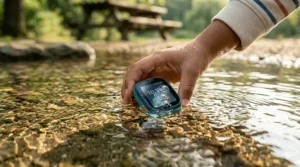
Water resistance ratings use IP (Ingress Protection) codes or ATM (atmospheres) measurements. IP67 means dust-tight and submersible to 1 meter for 30 minutes—adequate for handwashing and rain but not swimming. IP68 extends this to longer submersion periods. ATM ratings indicate depth tolerance: 5 ATM (50 meters) handles swimming pools, while 10 ATM accommodates snorkeling.
Screen protection matters immensely. Gorilla Glass 3 (found on Gabb Watch 3e and Fitbit Ace LTE) resists scratches from coins, keys, and playground gravel. Some watches include protective bumpers that absorb impact without adding bulk. Replaceable screen protectors offer peace of mind—sacrifice a $10 plastic shield instead of a $200 watch face when the inevitable drop occurs.
Band construction affects comfort and longevity. Medical-grade silicone resists staining and allergens while feeling soft against skin during all-day wear. Adjustable bands accommodate growth spurts without requiring new watches every six months. Interchangeable bands let kids express personality through color while maintaining the same core device.
Price vs. Value: Finding Your Sweet Spot
The smartwatch for kids age 10 market spans from $40 budget entertainment devices to $300 premium fitness trackers. Understanding what you’re actually paying for prevents both overspending and false economy.
Budget tier ($40-$70): VTech KidiZoom and similar offline watches deliver entertainment without connectivity. Perfect for younger 10-year-olds or as first devices teaching responsibility before investing in LTE-enabled options.
Mid-tier ($100-$170): Gabb Watch 3e, Cosmo JrTrack 5, and original Garmin Bounce balance features with affordability. You get real GPS tracking, calling, texting, and basic safety features—everything most families actually need for daily peace of mind.
Premium tier ($180-$300): Fitbit Ace LTE, Garmin Bounce 2, and TickTalk 5 justify higher prices through advanced features: sophisticated fitness tracking, superior battery technology, enhanced durability, and richer communication options including video calling and music streaming.
Don’t forget ongoing costs. Monthly subscriptions typically range from $9.99 (Garmin, Fitbit) to $12.99-$15 (carrier-specific plans). Over 24 months, a $100 watch with $15 monthly service costs $460 total—sometimes exceeding the purchase price of a $300 watch with $10 monthly service ($540 total). Calculate total cost of ownership, not just sticker price.
Privacy and Security Considerations
When your child wears a device that tracks their location and stores communication data, privacy becomes paramount. Reputable manufacturers follow COPPA (Children’s Online Privacy Protection Act) guidelines, limiting data collection, prohibiting targeted advertising, and requiring parental consent for account creation.
Encryption matters more than most parents realize. End-to-end encryption (TickTalk 5) means messages travel from watch to parent app in scrambled form that even the manufacturer can’t read. Lesser encryption allows company access to communications for “quality assurance”—a security trade-off you should understand before purchasing.
Data storage and sharing policies vary dramatically. Some companies store location history for 30 days, others for 90+. Some share aggregated (anonymized) user data with partners for product improvement, while others maintain strict no-sharing policies. Read privacy policies or consult comparison sites focusing on vr headset for kids and similar age-appropriate technology to understand what you’re accepting.
Account security deserves attention too. Use strong, unique passwords for parent apps. Enable two-factor authentication when available. Regularly review approved contacts and remove outdated entries. Teach your child never to share their watch’s phone number with strangers—the same internet safety lessons that apply to computers apply to wrist-worn devices.
School Policies and Usage Guidelines
Before purchasing any smartwatch for kids age 10, check your child’s school policy on wearable technology. Policies range from complete bans (all devices prohibited during school hours) to permissive (allowed anytime) with most falling somewhere between—allowed but restricted to specific functions.
School mode (or Class mode) addresses these concerns beautifully. One tap before school starts, and the watch displays only the time, blocking games, calling, and messaging until school ends. Some systems allow emergency contacts to break through, ensuring your child can reach you during genuine emergencies without being distracted by regular notifications.
Educate your child on appropriate usage. Smartwatches aren’t toys to show off to friends or tools for cheating on tests. They’re communication and safety devices. Establish clear rules: no games during class, no photos in bathrooms or locker rooms (privacy violations), and immediate response to parent check-ins regardless of what they’re doing.
Tech Gifts for Tweens: Creating a Connected Ecosystem
Consider how a smartwatch integrates with other tech gifts for tweens in your home. Kids who love their kids walkie talkies long range sets might appreciate watches with group messaging for coordinated outdoor play. Budding photographers using kids digital camera equipment can sync photos to watches for on-the-go sharing. Some families even coordinate drone for 11 year old activities using watch GPS to mark optimal launch sites.
The smartwatch often becomes the hub of a kid’s tech ecosystem precisely because it’s always with them. Unlike tablets left in backpacks or cameras forgotten on dressers, wrist-worn devices stay accessible. This constant presence makes them ideal for time management (setting homework timers), habit building (fitness goal reminders), and responsibility development (completing chores tracked through reward systems).
Start with the watch and expand thoughtfully. A 10-year-old mastering smartwatch responsibility might graduate to a basic tablet with parental controls next year, then a smartphone at 12 or 13. This graduated approach builds digital literacy and self-regulation without overwhelming kids with too much access too soon.
The Smartphone Delay Debate
Smartwatches for kids age 10 sit at the heart of a larger question: when should children get smartphones? Research increasingly suggests that delaying smartphone access until at least 13 or 14 correlates with better mental health, improved sleep, and stronger real-world social skills. Smartwatches provide a perfect intermediate step.
They satisfy the core need driving most smartphone requests: connection. Your child can reach you, coordinate with friends (through parent-approved contacts), and feel included in our increasingly digital world. What they don’t get is TikTok, Instagram, YouTube rabbit holes, and the dopamine addiction cycle that makes smartphones so problematic for developing brains.
This middle path acknowledges that complete digital isolation isn’t realistic or necessary. Ten-year-olds benefit from learning tech responsibility in controlled environments. A smartwatch with limited features teaches digital citizenship—responding promptly to messages, managing battery life, handling a valuable device carefully—without the high-stakes consequences of unrestricted internet access.
As your child matures and demonstrates responsible smartwatch use, you’ll have concrete evidence of their readiness for increased access. Or you’ll identify areas needing more development before smartphone introduction. Either way, the smartwatch serves as a real-world training ground for bigger tech decisions ahead.
How to Choose the Right Smartwatch for Kids Age 10
Step 1: Define Your Primary Goal
Start with honest self-reflection. Do you primarily want safety (GPS tracking and emergency contact), fitness motivation (activity tracking and gamification), or communication (calling and messaging)? Different watches excel at different things. TickTalk 5 wins for communication, Garmin Bounce 2 dominates fitness, and Gabb Watch 3e prioritizes simplicity and safety.
Step 2: Set Your Budget
Calculate total cost of ownership including monthly subscriptions. A $40 watch with no monthly fees might ultimately cost less than a $150 watch with $15/month service over two years. Decide whether you’re willing to pay premium prices for advanced features or if mid-tier functionality meets your needs.
Step 3: Assess Your Child’s Maturity
Be ruthlessly honest about your 10-year-old’s responsibility level. A child who constantly loses jackets and water bottles might need a more affordable starter watch before graduating to premium devices. Conversely, a highly responsible child training for competitive sports might genuinely benefit from Garmin’s advanced tracking.
Step 4: Check Carrier Compatibility
Some watches lock to specific carriers (Gabb = Verizon only, TickTalk = AT&T/T-Mobile). Others use proprietary networks (Garmin). Verify that your chosen watch works with your existing carrier or accepts the network restrictions of alternatives.
Step 5: Read Recent Reviews
Technology evolves rapidly. A watch reviewing well in 2024 might be obsolete in 2026. Focus on reviews from the past 3-6 months, prioritizing those from actual parents rather than spec-sheet comparisons. Pay special attention to long-term reliability reports after months of use.
Step 6: Involve Your Child
Within your budget constraints, let your 10-year-old help choose. They’ll take better care of a watch they selected and feel excited to wear. Present two or three parent-approved options and let them decide based on appearance, color, or features that excite them.
Step 7: Plan for Growth
Ten-year-olds become eleven-year-olds fast. Choose a watch that won’t feel babyish in 18 months. Sleeker designs like Garmin Bounce 2 or Fitbit Ace LTE grow with kids better than cartoonish alternatives.
Comparison: Benefits vs. Traditional Alternatives
| Feature | Smartwatch | Traditional Phone | No Device |
|---|---|---|---|
| Safety | GPS tracking, geo-fencing, emergency SOS | Can call 911, but requires carrying | Limited to proximity monitoring |
| Communication | Parent-controlled contacts only | Unrestricted calling/messaging | Face-to-face or home phone only |
| Internet Access | None or heavily restricted | Full browser access | None |
| Cost (2-year) | $240-$660 total | $400-$1,200+ total | $0 |
| Distraction Level | Low to moderate | High (social media, games) | None |
| Lost Device Impact | Moderate ($100-$300) | High ($400-$1,000) | N/A |
| Activity Tracking | Built-in with gamification | Requires separate apps | Manual tracking only |
| Independence | Moderate (controlled access) | High (full access) | Low (dependent on adults) |
Price Range & Value Analysis
| Price Tier | Best Options | What You Get | What You Sacrifice | Best For |
|---|---|---|---|---|
| Budget ($40-$70) | VTech KidiZoom DX4 | Camera, games, offline entertainment | No GPS, no calling, no cellular | Entertainment-focused kids, first smartwatch |
| Value ($100-$170) | Gabb Watch 3e, Cosmo JrTrack 5, Garmin Bounce | GPS tracking, calling, texting, basic safety | Advanced fitness, video calling | Most families seeking safety/communication |
| Premium ($180-$300) | Fitbit Ace LTE, TickTalk 5, Garmin Bounce 2 | Everything plus video calling, advanced fitness, superior build | Higher upfront and monthly costs | Athletic kids, families wanting top-tier features |
✨ Don’t Miss These Exclusive Deals!
🔍 Take your family’s peace of mind to the next level with these carefully selected smartwatches. Click on any highlighted product name to check current pricing and availability on Amazon. These tools will help you create authentic connections and safety your family will love!
Frequently Asked Questions
❓ What age is best for a smartwatch for kids age 10?
❓ Can smartwatch for kids age 10 work without a phone?
❓ How much do smartwatch subscriptions cost for kids age 10?
❓ Are smartwatches for kids age 10 waterproof or just water-resistant?
❓ What's the difference between smartwatch for kids age 10 and regular smartwatches?
Conclusion: Making the Right Choice for Your Family
Choosing the perfect smartwatch for kids age 10 ultimately comes down to understanding your unique family dynamics. There’s no universal “best” option—only the best fit for your child’s needs, your budget constraints, and your parenting philosophy around technology.
If your 10-year-old lives for sports and you value accurate fitness data, Garmin’s offerings (Bounce or Bounce 2) deliver unmatched activity tracking with safety features. For families prioritizing communication and video connection, TickTalk 5’s HD calling and industry-leading battery life justify the investment. Parents seeking the perfect balance of safety, value, and simplicity find their match in Gabb Watch 3e or Cosmo JrTrack 5.
Remember that a smartwatch is a tool, not a solution. The device itself won’t magically create responsibility or ensure safety—your ongoing involvement, clear expectations, and consistent communication matter far more than any feature list. Use the watch as a conversation starter about digital citizenship, privacy awareness, and the privileges and responsibilities that come with connected technology.
Start with your child where they are today, not where you hope they’ll be in a year. A less expensive watch that teaches basic responsibility often serves better than a premium device that overwhelms or under-utilizes features. You can always upgrade later as your tween matures and demonstrates readiness for increased independence.
The smartwatch for kids age 10 market in 2026 offers genuinely excellent options across every price point. Whether you invest $50 or $300, you’re taking a thoughtful step toward staying connected with your growing child while respecting their need for age-appropriate independence. That balance—connection without surveillance, freedom within boundaries—represents parenting at its finest.
Recommended for You
- 7 Best Kids Basketball Hoop Adjustable for Backyard Fun 2026
- 7 Best Chess Set for Kids in 2026
- 7 Best Professional Colored Pencils for Kids 2026 – Quality Art Supplies
Disclaimer: This article contains affiliate links. If you purchase products through these links, we may earn a small commission at no additional cost to you.
✨ Found this helpful? Share it with your friends! 💬🤗
