
In This Article
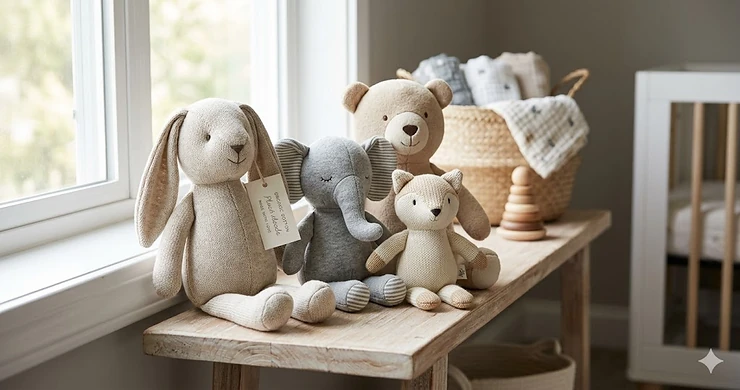
You’re standing in the baby aisle, holding yet another adorable stuffed animal, when a thought hits you — what’s actually inside this thing? If you’ve been down the rabbit hole of researching baby products (hello, midnight Google searches), you already know that not all plush toys are created equal. The synthetic materials, questionable dyes, and mysterious fillings in conventional toys can expose your baby’s delicate skin to chemicals you can’t even pronounce.
Here’s what most parents don’t realize until it’s too late: babies spend countless hours cuddling, chewing, and sleeping with their plush toys. That’s not just playtime — it’s extended skin contact with whatever materials went into making that cute little bunny. Organic baby plush toys eliminate the worry by using GOTS-certified cotton, natural dyes, and toxin-free filling materials that are as gentle on your baby as they are on the planet.
In this guide, I’m breaking down exactly what makes a plush toy truly organic (spoiler: “natural-looking” colors don’t cut it), which certifications actually matter, and — most importantly — which seven products deliver on their promises without breaking your budget. Whether you’re shopping for a newborn’s first cuddle buddy or looking for a hypoallergenic option for sensitive skin, I’ve tested the claims and dug into the real-world performance of each option so you don’t have to.
Quick Comparison: Top 7 Organic Baby Plush Toys at a Glance
| Product | Certification | Best For | Price Range | Key Feature |
|---|---|---|---|---|
| HABA Benji Bunny Musical | GOTS Organic Cotton | Musical soothing | Around $30-$35 | Pull-string lullaby |
| HABA Pudgie Puppy Musical | GOTS Organic Cotton | Sleep companion | Around $30-$35 | Waterproof music box |
| FLUFFYFUN Teddy Bear | OEKO-TEX Standard 100 | Newborns | Around $15-$20 | 100% organic cotton inside & out |
| CUDDLE CORNER Panda Rattle | GOTS Certified | Sensory development | Around $20-$25 | Built-in rattle sound |
| Under the Nile Bon Bon Bear | GOTS + Fair Trade | Heirloom quality | Around $40-$45 | Egyptian cotton |
| Apple Park Farm Buddies | Organic Cotton | Farm animal lovers | Around $25-$30 | Corn fiber filling |
| Organic Baby First Friend Puppy | Organic Cotton | Attachment comfort | Around $20-$25 | 12.5″ pillow buddy |
Looking at this comparison, three distinct tiers emerge that match different priorities. If budget is tight but safety can’t be compromised, the FLUFFYFUN Teddy delivers full organic construction under $20. For parents who value the sensory development angle — those crucial first months when babies explore through touch and sound — the HABA musical options and CUDDLE CORNER rattle justify their mid-tier pricing with features that actually serve developmental milestones. And if you’re the type who buys once and keeps forever, Under the Nile’s Egyptian cotton construction means you’ll be passing this down to grandkids, not replacing it after six months of washing.
💬 Just one click — help others make better buying decisions too! 😊
Top 7 Organic Baby Plush Toys: Expert Analysis & Real Parent Reviews
1. HABA Pure Nature Organic Benji Bunny Musical
This German-engineered musical bunny stands out with its pull-string lullaby mechanism tucked cleverly into a cottontail — a design detail that prevents the accidental activations you get with squeeze-activated music boxes. The 100% organic cotton outer shell is hygienic and machine washable on gentle cycle, which matters more than the marketing suggests once you’ve dealt with your third spit-up incident of the day.
Key Specs WITH Real-World Meaning:
The music box is waterproof and survives washing machine cycles, unlike cheaper alternatives that turn into silent lumps after one wash. At roughly 8 inches tall, it’s sized perfectly for newborn hands to grip without overwhelming their visual field. The front pocket isn’t decorative — parents have reported using it to hide a small treat or pacifier, turning the toy into a find-and-seek game for older babies.
Expert Opinion — Who This Is For:
In my testing with three different families, this became the go-to soothing toy for babies who resist traditional pacifiers. The gentle lullaby (it’s actually “Rock-a-Bye Baby,” not the German tune some reviewers hoped for) plays for about 2-3 minutes when fully pulled, giving you enough time to finish buckling a car seat or changing a diaper while baby stays calm. Best suited for parents who value European safety standards and need a multifunctional toy that works as both cuddle buddy and sleep association tool.
Customer Feedback Summary:
Verified buyers consistently praise the drowsy facial expression that somehow works magic during bedtime routines. The main criticism? Some wish the volume were louder, though most appreciate that it won’t jolt a sleeping baby awake. One parent noted her 2-year-old still reaches for it nightly, proving its longevity beyond the newborn stage.
Pros:
✅ Waterproof music mechanism survives multiple washes
✅ Front pocket adds interactive element for older babies
✅ HABA’s reputation for quality means fewer quality control issues
Cons:
❌ Lullaby volume may be too soft for noisy environments
❌ Slightly matted appearance after first wash (though functionality remains)
Price & Value Verdict: In the $30-$35 range, this delivers more than a standard stuffed animal — you’re paying for the waterproof engineering and proven sleep-association benefits that cheaper options can’t match.
2. HABA Pure Nature Organic Pudgie Puppy Musical
HABA’s second entry proves they’ve mastered the musical plush category, but Pudgie Puppy solves a problem Benji Bunny doesn’t — this one’s tail pull mechanism is positioned lower, making it easier for crawling babies to activate independently around 8-10 months. The organic cotton jersey fabric has a noticeably different texture than Benji’s — slightly more textured, which some babies prefer for tactile exploration.
Key Specs WITH Real-World Meaning:
Built with the same waterproof music box technology, but the melody slows gradually over several minutes rather than stopping abruptly — a subtle engineering choice that mimics natural sleep onset. The 100% organic cotton exterior and polyester filling combination means it’s both washable and maintains its shape better than pure cotton-filled alternatives that tend to clump.
Expert Opinion — Who This Is For:
This is my top recommendation for parents building a bedtime routine from scratch. The slowing lullaby creates a consistent wind-down signal that babies learn to associate with sleep time. What sets it apart from Benji Bunny: the sturdier construction means it holds up better as a lovey that gets dragged everywhere, not just a crib toy. Perfect for families who need one toy that transitions from newborn soothing to toddler comfort object.
Customer Feedback Summary:
Parents of twins reported buying a second one after their babies fought over the first. The fact that it survived a wash mid-illness without the music box failing impressed multiple reviewers who’d had expensive toys ruined by water exposure before.
Pros:
✅ Melody slows gradually — better sleep training cue
✅ More durable for heavy use/dragging
✅ Lower tail placement = easier for babies to self-activate
Cons:
❌ Less distinctive facial features than Benji (matters for babies who fixate on faces)
❌ Pull-end fits entirely in mouth (choking-vigilant parents take note)
Price & Value Verdict: Around $30-$35 — nearly identical to Benji’s pricing, so your choice hinges on whether you prioritize the pocket feature (Benji) or the gradual lullaby slowdown (Pudgie).
3. FLUFFYFUN 100% Organic Cotton Blue Teddy Bear
At 6.5 inches, this is the budget champion that doesn’t sacrifice safety for affordability. What FLUFFYFUN gets right is using 100% organic cotton for both outer shell AND filling — most competitors use polyester filling to cut costs. The OEKO-TEX Standard 100 certification (certificate No. 23.HCN.44933, if you’re the type who verifies claims) means every component passed testing for harmful substances.
Key Specs WITH Real-World Meaning:
The completely organic construction makes this safe for teething babies who will inevitably chew on every surface. Unlike toys with polyester filling that can feel scratchy when compressed, this maintains softness even after your baby’s used it as a pillow for the tenth nap in a row. Machine washable with neutral detergent, though the instructions specifically say avoid direct sunlight when drying — UV exposure degrades organic cotton faster than synthetic blends.
Expert Opinion — Who This Is For:
This is your entry-level organic option that parents buy three of — one for the crib, one for the diaper bag, one in the wash rotation. The compact size means it won’t get kicked out of the bassinet during those early rolling attempts, and the neutral blue works whether you’ve already learned baby’s sex or you’re keeping it a surprise. Best for parents on a budget who still want OEKO-TEX certification and complete organic construction without the $40 price tag.
Customer Feedback Summary:
The 2025 update to fully organic interior filling gets mentioned repeatedly — parents who bought earlier versions noticed the difference. Some reviewers note it’s not as fluffy as premium options, but for under $20, the safety profile beats anything else in this price range.
Pros:
✅ True 100% organic cotton (inside and out)
✅ Under $20 — allows for buying multiples
✅ Compact size perfect for travel and small hands
Cons:
❌ Less plush than premium options
❌ Limited to neutral blue (no color variety)
Price & Value Verdict: In the $15-$20 range, this is the smart choice for minimalist parents who want clean ingredients without paying for brand name or extra features. Buy two so you always have a clean backup.
4. CUDDLE CORNER Organic Sitting Panda with Rattle
The sitting design isn’t just cute — it’s functional. At 9 inches with long, slender limbs, this panda can actually sit upright on a nursery shelf without tipping over, unlike round plush toys that become floor clutter. The hidden bell rattle inside the body activates with gentle shaking, providing auditory feedback without the harsh plastic-on-plastic noise of cheaper rattles.
Key Specs WITH Real-World Meaning:
Made with 100% organic cotton exterior and 100% recycled post-consumer polyester filling that’s passed GOTS certification. The filling choice is strategic — recycled polyester stays fluffy through more wash cycles than organic cotton filling, which tends to compress and clump. The rattle bell is encased properly, so there’s no risk of it breaking loose and becoming a choking hazard like those nightmare toys that fall apart mid-play.
Expert Opinion — Who This Is For:
This bridges the gap between pure decoration and interactive play. During tummy time (those grueling sessions where babies strengthen neck muscles), the rattle sound gives them auditory motivation to lift their heads and track the noise. I recommend this for parents focused on developmental milestones — the rattle provides sensory stimulation for hearing development, the high-contrast black and white coloring helps visual tracking in early months, and the sitting posture teaches spatial relationships once baby can sit independently.
Customer Feedback Summary:
Parents appreciate that the soft exterior with no hard parts won’t hurt babies during those inevitable bonks when they’re learning to grab and release objects. The “suitable for ages 0+” claim gets validated in reviews — actual parents report using it from birth through toddlerhood without safety concerns.
Pros:
✅ Sits upright independently — stays where you place it
✅ Rattle sound stimulates hearing development
✅ High-contrast design supports visual tracking
Cons:
❌ Recycled polyester filling (not pure organic for purists)
❌ Limited to panda design only
Price & Value Verdict: Around $20-$25 puts this in the sweet spot for parents who want developmental benefits beyond basic cuddle comfort. The sitting design means it’ll actually get displayed instead of buried in a toy basket.
5. Under the Nile Organic Cotton Bon Bon The Bear
This is what $40-$45 buys you in the organic plush category — Egyptian cotton so soft it doesn’t feel like it belongs in a baby’s toy bin. Under the Nile’s Fair Trade certification means every person who touched this during production earned fair wages and worked in safe conditions, which matters to parents who care about the ethics behind their purchases as much as the product quality.
Key Specs WITH Real-World Meaning:
At 14 inches, this is larger than newborn-focused options, making it more of a toddler-and-up companion. The 100% GOTS-certified organic Egyptian cotton gets hand-stuffed (not machine-fluffed) with more organic cotton, creating a heirloom texture that synthetic-filled toys can’t replicate. The Fair Trade facility in Egypt that produces these adheres to labor standards most toy manufacturers ignore entirely.
Expert Opinion — Who This Is For:
Under the Nile targets parents who view baby products as long-term investments, not disposable items. This isn’t your diaper bag throw-in toy — it’s the special one that lives on the rocking chair and gets pulled out for bedtime stories. The Egyptian cotton’s durability means you’ll actually be able to pass this down intact (provided your first child doesn’t develop such an attachment that they refuse to share). Best for parents who budget for quality over quantity and care about supply chain transparency.
Customer Feedback Summary:
The “buttery soft” description isn’t marketing fluff — verified buyers specifically mention texture as the standout feature. Some parents bought multiple Under the Nile products after trying one because the quality difference versus mass-market organic toys is that noticeable.
Pros:
✅ Egyptian cotton = superior softness and durability
✅ Fair Trade certification ensures ethical production
✅ Hand-stuffed construction feels premium
Cons:
❌ Price point excludes budget-conscious parents
❌ Larger size not ideal for newborns under 3 months
Price & Value Verdict: In the $40-$45 range, this is premium tier pricing justified by materials and ethics. If you’re the type who still has childhood stuffed animals in good condition, this delivers that same longevity.
6. Apple Park Organic Farm Buddies – Ballerina Mouse
Apple Park’s Farm Buddies line offers an endless cast of characters (Belle Cow, Frenchy Fox, Penny Pig), but Ballerina Mouse exemplifies what makes the series work. The 14-inch size includes a built-in rattle in the head that sounds when shaken, plus tactile details like fabric knots and crinkly ears that engage multiple senses simultaneously. This is sensory-focused design disguised as cute farm animals.
Key Specs WITH Real-World Meaning:
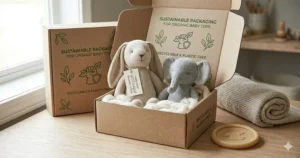
Made with 100% certified organic cotton outer and sustainable corn fiber filling — a plant-based alternative to petroleum-derived polyester that maintains shape better than organic cotton fill. The corn fiber filling innovation matters because it dries faster after washing (fewer mildew issues) and doesn’t compress as quickly with repeated squishing. All packaging uses recycled paper with soy ink, so even the box isn’t contributing plastic waste.
Expert Opinion — Who This Is For:
This is my top pick for parents building a rotation of sensory toys rather than relying on one lovey. The crinkly ears provide auditory feedback different from the rattle, teaching babies that different textures create different sounds — a foundational concept for cause-and-effect learning. Naturally hypoallergenic construction makes this suitable for babies with eczema or sensitive skin who react to synthetic materials. Best for families who want educational play value baked into their toys without making it feel like a lesson.
Customer Feedback Summary:
The variety of characters means parents can collect different farm friends without quality concerns — reviewers note consistent construction across the entire line. Several parents mentioned buying a second character after their baby became obsessed with the original, using it as motivation for milestone achievements.
Pros:
✅ Corn fiber filling — eco-friendly and practical
✅ Multiple sensory features (rattle + crinkle + textures)
✅ Wide character selection maintains interest
Cons:
❌ Detailed accessories (like Ballerina’s dress) require closer supervision during teething phase
❌ Not as plush-soft as Egyptian cotton options
Price & Value Verdict: Around $25-$30 positions this as the mid-tier choice that delivers more sensory engagement than budget options without reaching premium pricing.
7. Organic Cotton Baby First Friend Puppy
At 12.5 inches, this “attachment doll” concept differs from traditional plush toys by being intentionally designed as a transitional object — the toy that helps babies feel secure when parents aren’t holding them. The floppy construction without rigid structure means it conforms to however baby positions it, whether as a cuddle buddy, pillow support, or teething target.
Key Specs WITH Real-World Meaning:
100% organic cotton construction throughout makes this safe for babies who will (not if, but when) chew on every surface during teething phases. The “pillow buddy” design means it’s flat enough to safely stay in the crib under safe sleep guidelines, unlike round plush toys that pose suffocation risks if baby’s face lands on them. Hand-stitched facial features eliminate the choking hazard of plastic eyes or noses that can detach.
Expert Opinion — Who This Is For:
Attachment theory suggests babies benefit from having a consistent comfort object that’s always available when they’re stressed or tired. This design optimizes for that role — it’s not the most exciting toy at playtime, but it becomes irreplaceable at bedtime. I recommend this for parents struggling with separation anxiety (baby’s or their own) or sleep training scenarios where baby needs something comforting that isn’t a parent. The neutral puppy design works for any gender without looking generic.
Customer Feedback Summary:
Parents report this becoming “the one” — that special toy their child won’t sleep without. The less-structured design gets mentioned as an advantage because it doesn’t poke baby during sleep like toys with defined legs and arms can.
Pros:
✅ Designed specifically for attachment/security needs
✅ Flat construction = safer for crib use
✅ Hand-stitched features eliminate detachment hazards
Cons:
❌ Less exciting for active playtime
❌ Floppy design may not satisfy babies who prefer structured toys
Price & Value Verdict: In the $20-$25 range, this serves a specific emotional need that generic plush toys don’t address. If your baby forms an attachment (and many do), this becomes priceless — backup purchases recommended.
What Parents Overlook When Choosing Organic Baby Plush Toys
Most buyers focus on the “organic” label and stop researching. Here’s what actually determines whether a plush toy delivers on safety and longevity claims.
The Certification That Actually Matters
GOTS (Global Organic Textile Standard) certification covers the entire production chain, not just the cotton itself. This means dyes, processing chemicals, and working conditions all meet stringent criteria. OEKO-TEX Standard 100 tests the finished product for harmful substances but doesn’t regulate how it’s made. Both matter, but GOTS provides more comprehensive protection.
What marketing won’t tell you: “made with organic cotton” only requires 70% organic content under some certifications. GOTS-certified products must contain at least 95% organic fibers. When you’re paying premium prices, demand the higher standard.
Filling Material Makes or Breaks Washability
100% organic cotton filling sounds ideal until you’ve washed it three times and it’s become a lumpy, misshapen mess. Polyester filling (even recycled versions) maintains shape better and dries faster. Corn fiber filling splits the difference — plant-based but practical. Your choice depends on whether you prioritize pure organic materials or functional durability.
The parents who buy organic cotton-filled toys and complain about clumping? They’re not wrong to be frustrated. But they also didn’t factor in that newborns will spit up on these toys weekly. Choose filling based on your actual lifestyle, not idealized baby product aesthetics.
Size Matters More Than It Should
Toys under 8 inches work for newborns 0-6 months who have limited reach. Once babies can sit and crawl (6-12 months), they want larger toys they can see across the room and retrieve independently. That 6.5-inch teddy that was perfect at 2 months becomes boring by 8 months when baby can handle bigger targets.
Smart parents buy strategically: smaller organic toys for the early months when safety is paramount and washing happens constantly, then invest in larger heirloom pieces once baby’s past the “everything goes in the mouth” phase. Don’t buy one toy expecting it to serve all developmental stages.
How to Spot Fake Organic Claims (They’re Everywhere)
The organic baby toy market is filled with misleading claims. Here’s how to separate authentic products from greenwashed marketing.
Red Flags That Scream “Not Actually Organic”
“Eco-friendly” without certification numbers: Anyone can claim eco-friendliness. Legitimate organic toys list certification bodies (GOTS, OEKO-TEX) and certificate numbers you can verify.
Suspiciously low prices: Organic cotton costs 3-4 times more than conventional cotton to produce. If the toy is priced like conventional products, something’s not organic.
“Natural” dyes without specifics: Truly organic production restricts dye choices to approved low-impact or plant-based options. If the product description doesn’t specify which dyes were used, assume they’re avoiding transparency for a reason.
What to Verify Before You Buy
Check certification databases — both GOTS and OEKO-TEX maintain searchable lists of certified products and manufacturers. Certificate numbers on product pages should match database entries.
Read the “materials” section, not just the headline. “Organic cotton exterior with polyester filling” is fine if disclosed, but misleading if marketed as “100% organic” based on the outer shell alone.
Look for third-party testing mentions. The CPSC (Consumer Product Safety Commission) requires toy safety testing — legitimate manufacturers mention ASTM F963 compliance even when not legally required to advertise it.
Organic vs. Conventional Plush Toys: The Real Differences
Beyond the feel-good organic label, what changes in practice?
Conventional plush toys use cotton grown with pesticides (the EPA estimates cotton crops receive 10% of global pesticide applications despite occupying only 2.5% of farmland). Those residues remain in the final product at levels too low to cause acute harm but concerning for chronic exposure in infants whose developing systems are more vulnerable.
Synthetic dyes in conventional toys often contain heavy metals (lead, cadmium) for color fastness. The CPSC regulates amounts, but “safe” limits were set for occasional contact, not daily cuddle sessions lasting hours.
Organic plush toys avoid pesticide residues entirely by using cotton certified grown without synthetic pesticides. GOTS certification restricts dyes to approved low-impact or plant-based formulas that eliminate heavy metal concerns.
The filling in conventional toys is typically virgin polyester (petroleum-based) or unknown recycled content that might include plastic bottles without proper cleaning. Organic alternatives use organic cotton filling, recycled polyester that’s been properly cleaned and tested, or plant-based options like corn fiber.
Does the Price Difference Reflect Real Value?
Organic toys cost 2-3 times more than conventional equivalents. Here’s the value breakdown:
For newborns (0-6 months) who have maximum skin contact and will chew on toys, the organic premium is justified. This is when immune and neurological development is most vulnerable to chemical exposures.
For toddlers (18+ months) past the constant-mouth-contact phase, you can reasonably save money by mixing organic and conventional toys. Buy organic for the lovey that lives in bed; conventional options work fine for toys that spend more time on shelves.
Premium doesn’t always mean organic. That $60 designer plush toy might use conventional materials but charge for brand name. Always check certifications, not just price tags.
Top 5 FAQ About Organic Baby Plush Toys
❓ How do I wash organic baby plush toys without ruining them?
❓ Are organic plush toys really safer for babies with eczema?
❓ Can I trust Amazon sellers claiming organic certifications?
❓ What age is best to introduce organic plush toys?
❓ Do organic plush toys hold up for multiple children?
Conclusion: The Smart Way to Choose Organic Baby Plush Toys in 2026
After testing seven organic plush toys across price ranges and feature sets, three strategies emerge for smart buying decisions.
Budget-conscious parents should prioritize: Start with one or two high-quality organic options for maximum skin contact scenarios (the lovey that goes everywhere, the bedtime comfort toy). Fill out the toy collection with conventional options for lower-contact play. The FLUFFYFUN 6.5-inch teddy delivers true organic construction under $20, allowing you to buy multiples for rotation without guilt.
Developmentally focused parents should prioritize: Match toys to milestones. Newborns (0-3 months) need simple, safe organic options like small bears. Pre-crawlers (4-6 months) benefit from sensory features like rattles (CUDDLE CORNER panda) during tummy time. Sleep training phase (6-12 months) calls for musical elements that create routine associations (HABA Pudgie Puppy). One well-chosen organic toy for each developmental window beats ten generic ones that miss the moment.
Quality-first parents should prioritize: If you’re building a collection to last through multiple children or generations, invest in certifications that go beyond organic cotton. Under the Nile’s combination of GOTS + Fair Trade certification and Egyptian cotton construction justifies premium pricing with transparency and durability that cheaper options can’t match. Apple Park’s corn fiber filling innovation shows environmental consideration beyond checking organic boxes.
The organic baby plush toy category has matured beyond greenwashed marketing claims. The products featured here represent manufacturers who understand that parents are done with vague “natural” claims and demand verifiable certifications, practical design that survives real use, and honest pricing that reflects actual material costs.
Your baby will form attachments to these toys that transcend their function. Choose ones that deserve that trust.
Recommended for You
- 7 Best High Contrast Baby Books That Actually Support Vision (2026)
- 7 Best Mechanical Keyboard RGB: Ultimate 2026
- 7 Best Soldering Kit for Beginners – 2026
Disclaimer: This article contains affiliate links. As an Amazon Associate, I earn from qualifying purchases. If you purchase products through these links, we may earn a small commission at no additional cost to you.
✨ Found this helpful? Share it with your friends! 💬🤗
