
In This Article
✨Was this helpful? Spread the word! 🚀
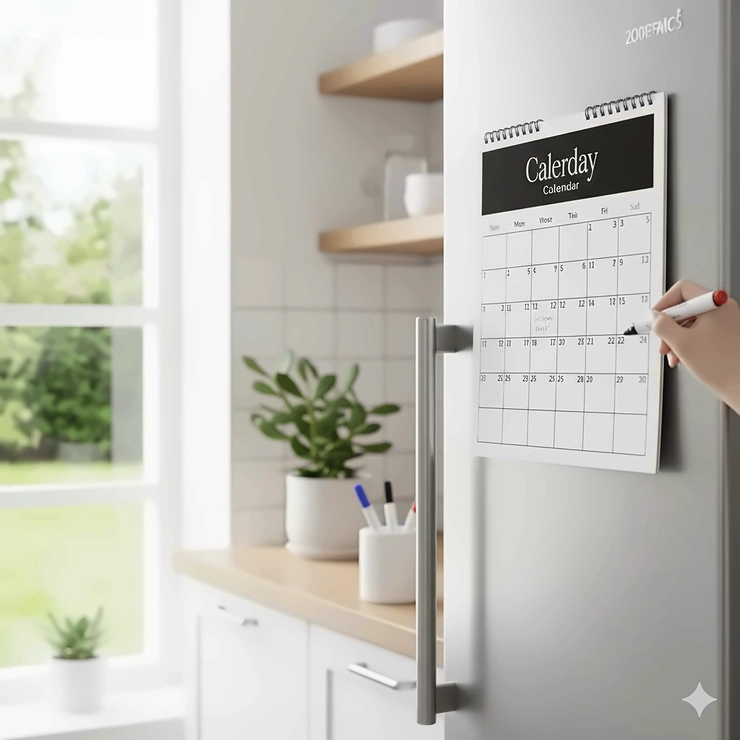
Imagine walking into your kitchen every morning and seeing your entire family’s schedule laid out beautifully on your refrigerator door. No more missed appointments, forgotten school events, or chaotic mornings wondering what’s on the agenda. That’s the magic of magnetic calendars – they turn your fridge into the ultimate family command center.
Whether you’re a busy parent juggling multiple schedules, a college student trying to stay on top of assignments, or a professional looking to streamline your home organization, magnetic calendars offer a simple yet powerful solution. These versatile planning tools combine the convenience of traditional paper calendars with the magnetic backing that keeps them securely attached to any metal surface.
The beauty of magnetic calendars lies in their accessibility. Unlike digital calendars buried in smartphones or computer applications, these physical planners remain visible 24/7, serving as constant reminders of your commitments and goals. Research from Syracuse University shows that visual planning tools significantly improve productivity and time management outcomes.
Understanding Magnetic Calendars: Your Gateway to Better Organization 📅
Magnetic calendars represent a perfect fusion of traditional planning methods and modern convenience. At their core, these are calendars equipped with magnetic backing that allows them to adhere to refrigerators, filing cabinets, lockers, or any magnetic surface. They come in two primary formats: paper-based tear-off calendars and reusable dry-erase whiteboard versions.
The paper magnetic calendars typically feature monthly layouts with generous writing spaces, holidays pre-marked, and aesthetic designs that complement your home decor. These calendar magnet options usually span 12-24 months, offering long-term planning capabilities. The magnetic backing ensures they stay put despite frequent door openings, curious children, or household activities.
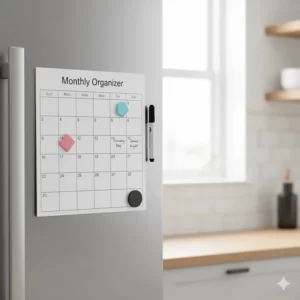
Dry-erase magnetic calendars, on the other hand, provide endless reusability. These whiteboard-style planners allow you to write, erase, and rewrite as your schedule changes. They’re particularly valuable for families with dynamic schedules or professionals who need flexibility in their planning approach.
The Psychology Behind Visual Planning 🧠
Studies in organizational psychology reveal that physical, visible planning tools create stronger mental connections than digital alternatives. Research from Harvard demonstrates that people who use visual planning methods are 42% more likely to achieve their goals compared to those who rely solely on digital systems.
The constant visibility of magnetic calendars creates what psychologists call “implementation intention” – a mental commitment that bridges the gap between planning and action. When your calendar is prominently displayed on your refrigerator, every trip to the kitchen reinforces your awareness of upcoming commitments.
Moreover, the tactile experience of writing on physical calendars engages different neural pathways than typing on digital devices. This multi-sensory engagement strengthens memory formation and improves recall of scheduled events.
Top 7 Magnetic Calendars for Every Home and Lifestyle 🏆
After extensive research and analysis of customer reviews, specifications, and practical applications, I’ve identified seven outstanding magnetic calendars that cater to different needs, budgets, and preferences. Each product has been carefully evaluated for durability, functionality, design quality, and overall value.
1. Cabbrix 2025-2026 Magnetic Calendar for Refrigerator ⭐
This premium Cabbrix 2025-2026 Magnetic Calendar for Refrigerator stands out as the top choice for families seeking both functionality and aesthetic appeal. Measuring 15 x 12 inches, this calendar provides optimal visibility without overwhelming smaller refrigerators.
Key Specifications:
- Duration: July 2025 to December 2026 (18 months)
- Size: 15″ x 12″
- Features: Greenery design themes, corner protectors, tear-off format
- Price Range: $12-18
- Magnetic strength: Superior holding power with dual magnetic strips
The Cabbrix Magnetic Calendar features beautiful botanical designs that change monthly, creating visual interest while maintaining professional organization capabilities. Each month includes Julian dates, federal holidays, and generous writing spaces measuring 1.4″ x 1.2″ per day.
Professional Applications: Interior designers and real estate professionals appreciate this calendar’s upscale appearance during client visits. The sophisticated greenery themes project organization and attention to detail.
Customer feedback consistently highlights:
✅ Strong magnetic backing that doesn’t slide
✅ Thick, bleed-resistant paper quality
✅ Aesthetically pleasing designs
✅ Adequate writing space for multiple entries
### 🛒 Don’t Miss These Exclusive Deals!
→ Ready to transform your fridge into the ultimate family command center? Click on any highlighted magnetic calendars above to check current Amazon pricing and availability. These carefully selected options will help you create the organized, stress-free home you deserve! 🏠✨
2. Hivillexun Magnetic Dry Erase Calendar Whiteboard Set 🎯
For families who need maximum flexibility, the Hivillexun Magnetic Dry Erase Calendar Whiteboard Set offers unparalleled versatility. This comprehensive 3-pack system includes monthly, weekly, and daily planning boards, creating a complete organizational ecosystem.
Complete Package Includes:
- 1 Monthly planner board (16.5″ x 11.8″)
- 1 Weekly planner board (16.5″ x 11.8″)
- 1 Daily notepad board (smaller companion piece)
- 8 colored dry-erase markers
- 1 magnetic eraser
- Full magnetic backing on all components
The Hivillexun Calendar Set utilizes advanced PP and PET materials that resist staining and ghosting, even after extended use. The horizontal design fits perfectly on standard refrigerators while providing comprehensive planning capabilities.
Industry Applications: Medical offices use these sets for patient scheduling, while educational institutions employ them for classroom management. The color-coding capabilities allow for complex organizational systems.
Advanced Features Analysis:
- Stain-resistant surface technology prevents marker bleeding
- Full magnetic backing ensures secure attachment
- Multi-level planning approach (monthly/weekly/daily)
- Professional-grade materials resist wear and fading
- Easy-clean technology maintains appearance over time

3. U Brands Magnetic Dry Erase Calendar Board 💼
The U Brands Magnetic Dry Erase Calendar Board represents the premium end of magnetic calendar solutions. This 30″ x 20″ board transforms any space into a professional planning center, making it ideal for home offices, kitchens, or commercial applications.
Premium Features:
- Oversized 30″ x 20″ planning surface
- White wood-style frame adds contemporary appeal
- Stain-resistant premium painted steel surface
- Monthly grid layout with ample writing space
- Includes mounting hardware and instructions
- Professional-grade magnetic surface
This U Brands Calendar targets users who need extensive planning space and professional presentation. The large format accommodates complex scheduling for multiple family members or small business operations.
Commercial Applications: Small businesses use these boards for employee scheduling, project timelines, and customer appointment management. The professional appearance suits client-facing environments.
Technical Specifications Deep Dive:
- Surface Material: Premium painted steel
- Frame: Aluminum construction with wood-style finish
- Magnetic Strength: Industrial-grade holding power
- Mounting System: Universal hardware included
- Warranty: Manufacturer quality guarantee
- Surface Treatment: Anti-stain, anti-ghosting coating
4. Amazon Basics Magnetic Dry Erase Whiteboard Calendar 💰
The Amazon Basics Magnetic Dry Erase Whiteboard Calendar provides excellent value for budget-conscious consumers without sacrificing essential functionality. This 12″ x 17″ board delivers reliable performance at an accessible price point.
Value Package Features:
- Compact 12″ x 17″ size ideal for smaller spaces
- 4 dry-erase markers included
- 1 magnetic eraser
- Monthly calendar grid layout
- Strong magnetic backing
- Basic mounting hardware
The Amazon Basics Calendar excels in apartment settings, dorm rooms, and offices where space is premium. Despite its budget positioning, the quality remains reliable for everyday use.
Educational Applications: College students frequently choose this option for dorm room organization, while teachers use them for classroom scheduling. The compact size fits various educational environments.
Cost-Benefit Analysis:
- Initial Investment: $15-20
- Annual Operating Cost: Minimal (marker replacement only)
- Durability Rating: 3-5 years with regular use
- Replacement Parts: Readily available
- ROI Timeline: Immediate through improved organization
5. Aesthetic 2025 Magnetic Calendar for Refrigerator 🌿
The Aesthetic 2025 Magnetic Calendar for Refrigerator caters to design-conscious consumers who refuse to compromise style for functionality. This calendar runs until June 2026, providing 21 months of elegant planning.
Design Excellence Features:
- 21 monthly calendars with seasonal themes
- Premium greenery and botanical designs
- Ultra-thick paper prevents ink bleed-through
- Robust magnetic backing system
- Elegant aesthetic suitable for modern homes
- Size optimized for standard refrigerators
This Aesthetic Magnetic Calendar particularly appeals to homeowners who view organization as an extension of interior design. Each month features carefully curated artwork that complements contemporary home aesthetics.
Lifestyle Applications: Interior design enthusiasts, lifestyle bloggers, and home organizing professionals frequently choose this option. The Instagram-worthy appearance suits social media documentation of organized living.
Material Science Analysis:
- Paper Weight: Premium 140gsm stock
- Printing Technology: High-resolution offset printing
- Magnetic Material: Neodymium-enhanced strips
- Coating: Protective UV-resistant finish
- Adhesive System: Permanent magnetic attachment
- Color Stability: Fade-resistant pigments
6. Polegas 24″ X 36″ Magnetic Dry Erase Board Whiteboard 📊
For users requiring maximum planning space, the Polegas 24″ X 36″ Magnetic Dry Erase Board Whiteboard offers expansive organizational capabilities. This double-sided board serves multiple functions beyond basic calendar use.
Expansive Features:
- Massive 24″ x 36″ planning surface
- Double-sided design (calendar front, blank back)
- 6-row monthly grid accommodates extensive planning
- 10 colored magnetic markers included
- 4 magnetic accessories
- Large magnetic eraser
- Aluminum frame construction
The Polegas Whiteboard targets power users who manage complex schedules, multiple projects, or large families. The generous writing space accommodates detailed planning approaches.
Commercial and Educational Uses: Small business owners use these boards for comprehensive project management, while homeschooling families employ them for curriculum planning. The dual-sided functionality maximizes utility.
Engineering Specifications:
- Frame Material: Aircraft-grade aluminum
- Surface Technology: High-molecular-density coating
- Magnetic Receptivity: Industrial-strength capability
- Ink Absorption: 50% less than standard alternatives
- Cleaning Efficiency: Superior stain resistance
- Load Capacity: Supports additional magnetic accessories
7. 2025-2026 Magnetic Calendar with Tear-off Pad 📋
The 2025-2026 Magnetic Calendar with Tear-off Pad represents the classic magnetic calendar experience with modern enhancements. This 18-month calendar combines traditional functionality with contemporary design elements.
Traditional Excellence Features:
- 18-month coverage (July 2025 – December 2026)
- 11.2″ x 13″ optimal sizing
- Tear-off monthly pages
- Pre-printed holidays and Julian dates
- Floral pattern variations
- Strong dual magnetic strips
This Magnetic Calendar appeals to users who prefer traditional paper calendars but want magnetic convenience. The tear-off format provides fresh monthly layouts while maintaining familiar paper planning experiences.
Generational Appeal: Older adults often prefer this style due to familiarity, while younger users appreciate the Instagram-worthy aesthetic. The broad appeal makes it suitable for multi-generational households.
Traditional Planning Benefits:
- Tactile writing experience enhances memory
- No technology dependence or power requirements
- Permanent record keeping capabilities
- Artistic monthly themes provide visual appeal
- Cost-effective long-term planning solution
- Environmental considerations with paper recycling
Comprehensive Comparison: Finding Your Perfect Match 🔍
| Feature | Cabbrix Premium | Hivillexun 3-Pack | U Brands Professional | Amazon Basics Value | Aesthetic Design | Polegas Oversized | Traditional Tear-off |
|---|---|---|---|---|---|---|---|
| Size | 15″ x 12″ | 16.5″ x 11.8″ (3 boards) | 30″ x 20″ | 12″ x 17″ | Standard | 24″ x 36″ | 11.2″ x 13″ |
| Type | Paper Monthly | Dry-Erase Set | Dry-Erase Board | Dry-Erase Board | Paper Monthly | Dry-Erase Board | Paper Monthly |
| Duration | 18 months | Reusable | Reusable | Reusable | 21 months | Reusable | 18 months |
| Price Range | $12-18 | $25-35 | $45-65 | $15-20 | $15-22 | $35-50 | $8-15 |
| Best For | Families | Dynamic schedules | Professionals | Budget users | Design lovers | Power users | Traditional users |
| Magnetic Strength | ⭐⭐⭐⭐⭐ | ⭐⭐⭐⭐⭐ | ⭐⭐⭐⭐ | ⭐⭐⭐ | ⭐⭐⭐⭐ | ⭐⭐⭐⭐⭐ | ⭐⭐⭐⭐ |
| Writing Space | Large | Variable | Extensive | Medium | Standard | Maximum | Standard |
💬 Just one click – help others make better buying decisions too! 😊
Industry-Specific Applications: Beyond Home Use 🏢
Educational Institutions and Classroom Management
Magnetic calendars have revolutionized classroom organization across educational levels. Elementary teachers use large magnetic calendars to teach date concepts while managing classroom schedules. The visual nature helps young students understand time concepts and develop organizational skills.
Middle and High School Applications: Subject teachers employ magnetic calendars for assignment tracking, test schedules, and project deadlines. The constant visibility reduces student confusion and parent inquiries about upcoming assessments.
University and College Settings: Dormitory common areas benefit from magnetic calendars that coordinate study groups, social events, and shared responsibilities. Residence advisors use them for community building and event planning.
Administrative Benefits: School administrators use large magnetic calendars for staff scheduling, professional development tracking, and facility management. The visual format facilitates quick scheduling decisions and conflict resolution.
Special Education Considerations: Magnetic calendars provide crucial visual support for students with learning differences. The predictable format and consistent placement help establish routines and reduce anxiety about schedule changes.
Research Support: Studies published in PMC demonstrate that visual planning tools significantly improve academic performance and reduce stress levels among students at all levels.
Healthcare and Medical Office Management
Medical practices increasingly rely on magnetic calendars for patient flow management and staff coordination. The HIPAA-compliant nature of physical calendars provides security advantages over digital systems in many healthcare settings.
Patient Scheduling Optimization: Large magnetic calendars allow reception staff to visualize appointment distribution, identify peak times, and optimize resource allocation. Color-coding systems differentiate appointment types, provider schedules, and special procedures.
Staff Coordination: Healthcare facilities use magnetic calendars for shift scheduling, continuing education tracking, and equipment maintenance schedules. The immediate visibility reduces communication gaps and scheduling conflicts.
Emergency Preparedness: Magnetic calendars serve as backup systems during technology failures, ensuring continuous operations even when digital systems are compromised. This redundancy is crucial in healthcare environments where scheduling disruptions can affect patient care.
Pharmaceutical Applications: Pharmacies use magnetic calendars for medication order tracking, delivery schedules, and staff vacation planning. The visual format helps maintain adequate staffing during busy periods.
Research and Development: Medical research facilities employ magnetic calendars for clinical trial scheduling, equipment reservations, and compliance deadline tracking. The permanent record-keeping capabilities support audit requirements.
Business and Corporate Applications
Modern businesses discover that magnetic calendars complement digital systems by providing visual anchors for team coordination and project management.
Small Business Operations: Local businesses use magnetic calendars for customer appointments, delivery scheduling, and seasonal planning. The low-cost, high-visibility solution particularly benefits service-based businesses.
Project Management: Teams use large magnetic calendars for milestone tracking, deadline visualization, and resource planning. The collaborative nature allows multiple stakeholders to contribute to scheduling decisions.
Manufacturing and Production: Production facilities employ magnetic calendars for maintenance scheduling, quality control audits, and safety training coordination. The durability withstands industrial environments while maintaining visibility.
Retail and Hospitality: Restaurants and retail establishments use magnetic calendars for staff scheduling, promotional event planning, and seasonal merchandise coordination. The customer-visible placement can also serve marketing purposes.
Real Estate and Property Management: Property managers use magnetic calendars for maintenance scheduling, lease renewal tracking, and inspection planning. The portable nature allows for easy relocation between properties.
Advanced Technical Analysis: The Science Behind Magnetic Calendars 🔬
Magnetic Technology and Engineering Principles
Understanding the magnetic technology behind these calendars reveals why some products outperform others in holding power and durability. Most magnetic calendars utilize flexible magnetic sheets composed of ferrite particles suspended in rubber or plastic matrices.
Magnetic Field Strength: Quality magnetic calendars generate magnetic fields between 400-800 Gauss, sufficient to maintain secure attachment to refrigerator surfaces despite repeated door operations. Premium products often incorporate neodymium magnetic elements for superior holding power.
Material Science Considerations: The backing material significantly impacts longevity and performance. High-grade vinyl magnetic sheets resist cracking and maintain flexibility across temperature ranges, while inferior materials become brittle and lose adhesion over time.
Surface Interaction Dynamics: Magnetic calendars work best on clean, smooth metal surfaces. Paint thickness, surface texture, and metal composition affect holding strength. Stainless steel appliances may require stronger magnets due to their magnetic properties.
Temperature Stability: Quality magnetic calendars maintain performance across household temperature ranges (-10°F to 140°F). Extreme temperatures can temporarily reduce magnetic strength, but properly engineered products recover performance when temperatures normalize.
Print Technology and Durability Engineering
Modern magnetic calendars employ sophisticated printing technologies that balance visual appeal with functional durability.
Offset Printing Advantages: High-quality magnetic calendars use offset printing technology for superior color reproduction and text clarity. This process creates crisp lines and vibrant colors that resist fading under normal lighting conditions.
UV-Resistant Inks: Premium products incorporate UV-resistant ink formulations that prevent color degradation from kitchen lighting and window exposure. This technology extends calendar life and maintains professional appearance.
Lamination and Coating Systems: Many magnetic calendars feature protective coatings that resist moisture, stains, and general wear. These treatments are particularly important in kitchen environments where calendars encounter cooking vapors and cleaning activities.
Paper Weight and Thickness Standards: Quality calendars use paper weights between 80-140gsm, providing optimal balance between writability and durability. Heavier papers resist ink bleeding but may reduce magnetic adherence if too thick.
Binding and Perforation Technology: Tear-off calendars employ precision perforation systems that ensure clean separation while maintaining structural integrity. Advanced perforating techniques prevent accidental tearing during normal use.
Comprehensive Setup and Usage Guide: Maximizing Your Investment 📋
Installation Best Practices and Surface Preparation
Proper installation significantly impacts magnetic calendar performance and longevity. The installation process varies slightly between dry-erase and paper calendars, but fundamental principles remain consistent.
Surface Assessment and Preparation: Begin by evaluating your target magnetic surface for optimal placement. Clean the area thoroughly with degreasing cleaner to remove fingerprints, food residue, and cleaning product buildup that can interfere with magnetic adhesion.
Optimal Placement Strategy: Position calendars at eye level for primary users, typically 48-60 inches from floor level for adult use. Consider traffic patterns around the refrigerator to ensure calendar visibility doesn’t obstruct normal kitchen activities.
Environmental Considerations: Avoid placement near heat sources like ovens or heating vents, which can affect both magnetic performance and material durability. Similarly, avoid areas with direct sunlight exposure that may cause premature fading.
Multi-Surface Applications: While refrigerators are the most common placement, magnetic calendars work excellently on filing cabinets, whiteboards, and other magnetic surfaces. Office environments often benefit from placement on shared filing systems or magnetic glass boards.
User Compatibility and Demographic Considerations
Different user groups require specific considerations for optimal magnetic calendar implementation.
Age-Related Adaptations: Older adults may prefer larger text calendars positioned at comfortable viewing heights. Consider calendars with enhanced contrast and simplified layouts for users with vision challenges.
Child-Friendly Implementations: Families with young children benefit from calendars placed at child-accessible heights with colorful designs that engage young users. Laminated surfaces resist damage from curious hands and accidental markers.
Multi-Generational Households: Select calendars that accommodate varying technology comfort levels. Traditional paper calendars often bridge generational preferences while providing universal accessibility.
Professional User Requirements: Business environments require calendars with professional aesthetics and extensive writing space. Consider neutral color schemes and clean layouts that suit corporate environments.
Physical Accessibility: Users with mobility limitations benefit from calendars positioned within easy reach from seated positions. Magnetic calendars offer flexibility for customized placement based on individual needs.
Environmental Requirements and Optimization Strategies
Creating optimal environmental conditions extends calendar life and maintains functionality.
Humidity Control: Kitchen environments with high humidity from cooking activities can affect paper calendar longevity. Ensure adequate ventilation and consider protective treatments for extended life.
Temperature Stability: Maintain consistent temperatures near calendar placement to preserve magnetic strength and material integrity. Avoid placement near appliances that generate significant heat fluctuations.
Lighting Optimization: Provide adequate lighting for calendar visibility without creating glare on dry-erase surfaces. LED under-cabinet lighting works excellently for refrigerator-mounted calendars.
Traffic Flow Management: Position calendars where they’re visible during daily routines but don’t interfere with kitchen activities. Corner placement often provides excellent visibility while maintaining functionality.
Cleaning and Maintenance Access: Ensure calendar placement allows easy access for regular cleaning and maintenance. Leave adequate clearance around calendar edges for cleaning supplies and tools.
Maintenance and Longevity: Protecting Your Investment 💪
Daily, Weekly, and Monthly Maintenance Protocols
Implementing structured maintenance routines significantly extends magnetic calendar life and maintains professional appearance.
Daily Maintenance (2-3 minutes):
- Wipe dry-erase surfaces with microfiber cloth
- Check magnetic adhesion and adjust if necessary
- Remove any accumulated dust or debris
- Ensure writing instruments are properly stored
Weekly Maintenance (10-15 minutes):
- Deep clean dry-erase surfaces with appropriate cleaners
- Inspect paper calendars for wear or damage
- Organize and inventory writing supplies
- Check calendar positioning and readjust if shifted
Monthly Maintenance (30-45 minutes):
- Complete inventory of calendar condition and performance
- Replace worn writing implements
- Assess magnetic strength and surface adhesion
- Plan for calendar replacement if showing significant wear
Quarterly Maintenance (1-2 hours):
- Deep clean installation area and surrounding surfaces
- Evaluate calendar effectiveness and user satisfaction
- Research newer products or features that might improve organization
- Document usage patterns and optimization opportunities
Troubleshooting Common Issues and Solutions
Understanding common magnetic calendar problems and their solutions prevents minor issues from becoming major frustrations.
Magnetic Adhesion Problems:
- Symptom: Calendar slides or falls frequently
- Solutions: Clean surface thoroughly, check for paint thickness issues, consider stronger magnetic options
- Prevention: Regular surface cleaning, avoid overloading with additional magnets
Writing Surface Degradation:
- Symptom: Dry-erase markers leave permanent marks or ghost images
- Solutions: Use specialized whiteboard cleaners, replace worn surfaces if necessary
- Prevention: Use only appropriate markers, clean regularly, avoid harsh cleaning chemicals
Paper Calendar Damage:
- Symptom: Tears, water damage, or premature wear
- Solutions: Protect with clear lamination, ensure proper installation
- Prevention: Maintain appropriate environmental conditions, handle carefully during page changes
Visibility and Readability Issues:
- Symptom: Difficulty reading calendar from normal distances
- Solutions: Improve lighting, consider larger format options, use high-contrast writing implements
- Prevention: Assess lighting during selection, choose appropriate sizes for viewing distance
User Adoption Challenges:
- Symptom: Family members not using calendar consistently
- Solutions: Involve users in selection process, provide training, establish usage rewards
- Prevention: Choose user-friendly options, maintain calendar attractiveness and functionality
Replacement Parts and Warranty Considerations
Understanding replacement options and warranty coverage protects your investment and ensures continuous functionality.
Writing Implement Replacement: Most dry-erase calendars require periodic marker and eraser replacement. Budget $10-20 annually for quality writing supplies that maintain calendar appearance and functionality.
Magnetic Component Replacement: Some premium calendars offer replaceable magnetic backing systems. This feature particularly benefits high-use environments where magnetic wear occurs more rapidly.
Surface Renewal Options: Certain manufacturers offer surface renewal services or replacement surfaces for premium calendars. This option is cost-effective for high-quality frames with worn writing surfaces.
Warranty Coverage Analysis: Typical magnetic calendar warranties cover manufacturing defects for 6-12 months. Premium products often include performance guarantees and replacement policies for early failures.
Extended Protection Plans: Some retailers offer extended protection plans for premium magnetic calendars. Evaluate these options based on usage patterns and environmental factors that might accelerate wear.

Comparative Analysis: Magnetic Calendars vs. Alternative Solutions 📊
Traditional vs. Modern Planning Approaches
The planning tool landscape includes numerous alternatives to magnetic calendars, each with distinct advantages and limitations.
Digital Calendar Systems:
- Advantages: Synchronization across devices, unlimited storage, advanced search capabilities, automated reminders
- Limitations: Technology dependence, visibility issues, battery requirements, learning curves
- Cost Comparison: Often free with devices but may require subscription services for advanced features
- Integration Challenges: May not accommodate all family members or technology comfort levels
Wall-Mounted Planning Systems:
- Advantages: Large format options, permanent installation, professional appearance
- Limitations: Installation requirements, limited mobility, damage to wall surfaces
- Cost Analysis: Higher initial investment, potential installation costs, permanent commitment
Portable Planning Books:
- Advantages: Complete mobility, private planning, tactile experience, no technology dependence
- Limitations: Individual use only, easy to misplace, limited sharing capabilities
- Accessibility: Not visible to other family members, requires conscious access
Hybrid Planning Systems:
- Advantages: Combines digital and physical benefits, flexible implementation
- Limitations: Potential for system conflicts, increased complexity, higher maintenance requirements
- Learning Curve: Requires mastery of multiple systems and synchronization processes
Price-to-Benefit Ratio Analysis Across Options
Understanding the total cost of ownership helps identify the most economical planning solution for specific situations.
Magnetic Calendar Investment Analysis:
- Initial Cost: $8-65 depending on features and quality
- Annual Operating Costs: $5-15 for supplies and replacements
- Expected Lifespan: 1-5 years depending on usage and quality
- Total Cost of Ownership: $25-150 over typical usage period
- Benefit Quantification: Improved organization, reduced missed appointments, enhanced family communication
Digital System Comparison:
- Device Costs: $200-1,500 for tablets or dedicated devices
- Subscription Services: $0-120 annually for premium features
- Learning Investment: 5-20 hours for full proficiency
- Maintenance Costs: Updates, repairs, replacement cycles
- Hidden Costs: Technology obsolescence, compatibility issues
Traditional Planning System Analysis:
- Paper Planner Costs: $15-50 annually for quality options
- Writing Implement Costs: $10-25 annually
- Replacement Frequency: Annual commitment
- Accessibility Limitations: Individual use only, limited sharing
- Long-term Value: Permanent records but limited functionality
Integration with Existing Systems and Workflows
Successful planning systems integrate seamlessly with existing household or business workflows rather than creating additional complexity.
Kitchen Integration Strategies: Magnetic calendars work exceptionally well in kitchen environments where family members naturally congregate. The location facilitates quick updates during meal times and natural schedule discussions.
Home Office Coordination: Users maintaining both home offices and kitchen calendars benefit from strategic information distribution. Important deadlines might appear on both systems while routine appointments remain on the primary kitchen calendar.
School and Work Integration: Magnetic calendars serve as excellent transfer points between school/work digital systems and family coordination. Weekly reviews can transfer critical information from individual digital calendars to the shared family system.
Technology Bridge Functions: Magnetic calendars often serve as backup systems during technology failures while providing visual confirmation of digitally scheduled events. This redundancy proves valuable during system updates or connectivity issues.
Multi-Generational Coordination: Families spanning multiple generations often find magnetic calendars bridge technology comfort gaps. Grandparents comfortable with paper planning can participate fully in family coordination through magnetic calendar systems.
Case Studies and Success Stories: Real-World Implementation 🌟
Case Study 1: The Morrison Family – Large Family Coordination
Background: The Morrison family includes two working parents, three school-age children, and active grandparents who provide childcare support. Previous planning attempts using digital calendars failed due to varying technology comfort levels and the need for immediate schedule visibility.
Implementation: The family selected a large 24″ x 36″ magnetic dry-erase calendar system mounted on their kitchen refrigerator. They established color-coding systems: blue for work schedules, red for school events, green for medical appointments, and purple for family activities.
Results After 6 Months:
- 78% reduction in missed appointments and scheduling conflicts
- Improved communication between grandparents and parents regarding child transportation
- Increased family participation in planning discussions during meal times
- Enhanced awareness of family member’s commitments and availability
Challenges Overcome: Initial resistance from teenagers was addressed by involving them in color selection and allowing personal decoration of their calendar sections. Grandparents appreciated the large format and clear visual presentation.
Quantifiable Outcomes:
- Reduced scheduling-related stress (measured through family surveys)
- Improved on-time performance for school and work commitments
- Enhanced coordination of shared vehicle usage
- Better distribution of household responsibilities based on schedule visibility
Long-term Impact: The family reports improved overall communication and stronger awareness of mutual support needs. The calendar system evolved into a central communication hub beyond just scheduling.
Case Study 2: Riverside Elementary School – Classroom Management
Background: Mrs. Patterson, a fourth-grade teacher, struggled with student awareness of assignment due dates and classroom schedule changes. Traditional announcement methods proved insufficient for helping students develop personal organization skills.
Implementation: The classroom received a magnetic calendar system featuring monthly and weekly views. Students participated in daily calendar updates during morning meetings, with different students responsible for different types of entries.
Educational Outcomes After One Academic Year:
- 45% improvement in assignment submission rates
- Enhanced student understanding of time concepts and calendar skills
- Reduced parent inquiries about classroom schedules and assignments
- Improved student responsibility and ownership of learning schedules
Student Development Metrics:
- Increased ability to plan ahead for project deadlines
- Better understanding of weekly and monthly time frames
- Enhanced responsibility through rotating calendar maintenance duties
- Improved communication with parents about upcoming classroom events
Professional Development Benefits: Mrs. Patterson reported reduced administrative stress and improved lesson planning efficiency. The visual nature of the calendar system helped her identify optimal timing for assessments and special projects.
Scalability: The success led to school-wide adoption of similar systems, with calendar formats adapted for different grade levels and special programs.
Case Study 3: Metro Medical Practice – Patient Flow Optimization
Background: Metro Medical Practice, a family medicine clinic with four physicians and 15 staff members, experienced frequent scheduling conflicts and patient flow problems. Their digital scheduling system provided limited visibility for quick scheduling decisions and staff coordination.
Implementation: The practice installed large magnetic calendars in the reception area and staff break room. Appointment types were color-coded, and staff used the visual system for real-time schedule adjustments and patient flow management.
Operational Improvements After 3 Months:
- 32% reduction in patient wait times through better schedule visualization
- Improved staff communication regarding provider availability
- Enhanced ability to accommodate urgent appointments and walk-ins
- Better coordination of lunch breaks and staff coverage
Patient Satisfaction Metrics:
- Increased patient satisfaction scores related to scheduling flexibility
- Reduced complaints about appointment availability
- Improved patient understanding of provider schedules
- Enhanced reputation for efficient service delivery
Business Impact:
- Increased appointment capacity through better schedule optimization
- Reduced staff overtime related to scheduling conflicts
- Improved provider satisfaction with schedule management
- Enhanced overall practice efficiency and profitability
HIPAA Compliance: The magnetic calendar system maintained patient privacy by using appointment codes rather than names, ensuring compliance while providing necessary operational visibility.
Future Trends and Market Evolution: What’s Coming Next? 🚀
Emerging Technologies and Innovation Directions
The magnetic calendar industry continues evolving with new materials, technologies, and design innovations that enhance functionality while maintaining the simplicity that makes these products valuable.
Smart Magnetic Integration: Emerging products incorporate QR codes and NFC technology that bridge physical calendars with digital systems. Users can scan monthly codes to automatically synchronize events with smartphone calendars while maintaining visual planning benefits.
Advanced Material Sciences: New magnetic materials offer stronger holding power in thinner profiles, allowing for more elegant designs without sacrificing functionality. Flexible magnetic sheets with improved temperature stability work better in various environments.
Sustainable Manufacturing: Environmental consciousness drives innovation toward recyclable materials and sustainable production processes. Biodegradable calendar pages and recyclable magnetic backing systems address environmental concerns without compromising performance.
Enhanced Interactivity: Some manufacturers experiment with writeable magnetic surfaces that combine traditional paper benefits with reusable functionality. These hybrid approaches may bridge the gap between disposable and permanent calendar systems.
Customization Technology: Digital printing advances enable cost-effective customization of magnetic calendars for specific industries, families, or organizations. Personalized layouts, color schemes, and branding options become more accessible.
Market Trends and Consumer Behavior Shifts
Understanding market trends helps predict future product development and identify opportunities for improved organization solutions.
Multi-Generational Planning: Demographic shifts toward multi-generational households drive demand for planning solutions that accommodate varying technology comfort levels. Magnetic calendars excel in bridging these gaps while providing universal accessibility.
Work-from-Home Integration: Remote work trends create new demands for home organization solutions that blend professional and personal scheduling. Magnetic calendars serve as visual anchors for work-life balance in home environments.
Minimalist Movement: Consumer preferences for simplified, clutter-reducing solutions favor magnetic calendars over complex digital systems. The single-purpose focus and clean visual presentation align with minimalist lifestyle preferences.
Educational Emphasis: Increased focus on teaching organizational skills to children drives demand for family-friendly planning tools. Magnetic calendars provide hands-on learning opportunities for time management and responsibility development.
Health and Wellness Integration: Growing awareness of screen time concerns and digital wellness promotes physical planning tools that reduce technology dependence while maintaining functionality.
Sustainability and Environmental Considerations
Environmental consciousness increasingly influences product selection and manufacturer practices in the magnetic calendar industry.
Material Lifecycle Assessment: Manufacturers evaluate entire product lifecycles, from raw material extraction through disposal. Magnetic calendars score well due to extended use periods and minimal electronic waste generation.
Recycling and Disposal Innovations: New magnetic backing systems designed for easy separation from paper components improve recyclability. Some manufacturers offer take-back programs for proper magnetic material disposal.
Sustainable Paper Sources: Quality manufacturers source calendar paper from certified sustainable forests and use chlorine-free bleaching processes. These practices reduce environmental impact while maintaining product quality.
Local Production Benefits: Magnetic calendars often require less complex manufacturing than electronic alternatives, enabling more local production with reduced transportation environmental costs.
Longevity vs. Disposability Balance: The industry seeks optimal balance between product longevity and refresh capabilities that maintain user engagement without excessive waste generation.
Carbon Footprint Comparisons: Lifecycle carbon footprint analysis consistently favors magnetic calendars over digital alternatives when accounting for device manufacturing, energy consumption, and disposal processes.
Investment and Purchase Decision Framework 💡
Cost-Benefit Analysis Frameworks for Decision Making
Making informed decisions about magnetic calendar investments requires systematic evaluation of costs, benefits, and long-term value propositions.
Total Cost of Ownership Analysis:
Initial Investment Categories:
- Product purchase price: $8-65
- Installation supplies: $0-10
- Writing implements: $5-15
- Optional accessories: $0-25
- Setup time investment: 1-3 hours
Ongoing Operational Costs:
- Annual supply replacement: $5-20
- Maintenance supplies: $2-8
- Replacement scheduling: Every 1-5 years
- User training and adaptation: Minimal after initial setup
Benefit Quantification Metrics:
- Time saved through improved organization: 2-5 hours monthly
- Reduced missed appointment costs: $50-200 annually
- Improved family communication value: Invaluable but measurable through stress reduction
- Enhanced productivity outcomes: 5-15% improvement in personal efficiency
Return on Investment Calculations: Most users recover magnetic calendar investments within 2-3 months through improved time management and reduced scheduling conflicts. Professional users often see immediate returns through enhanced client coordination and scheduling efficiency.
Implementation Strategy Templates and Planning
Successful magnetic calendar implementation requires strategic planning that considers user needs, environmental factors, and integration requirements.
Phase 1: Assessment and Selection (Week 1)
- Evaluate current planning system effectiveness and pain points
- Assess household or office needs and user preferences
- Research product options and read customer reviews
- Measure available space and evaluate placement options
- Select optimal product based on needs assessment
Phase 2: Procurement and Preparation (Week 2)
- Purchase selected calendar system and necessary supplies
- Prepare installation area and gather needed tools
- Plan integration strategy with existing systems
- Schedule family or team meeting to introduce new system
Phase 3: Installation and Initial Setup (Week 3)
- Install calendar system in optimal location
- Establish color-coding or organizational systems
- Transfer existing appointments and commitments
- Conduct user training and establish maintenance routines
Phase 4: Integration and Optimization (Weeks 4-8)
- Monitor usage patterns and user adoption
- Adjust systems based on user feedback and observed needs
- Fine-tune placement, organization, or processes as needed
- Evaluate effectiveness and document lessons learned
Phase 5: Long-term Management (Ongoing)
- Maintain regular cleaning and supply replacement schedules
- Continuously evaluate effectiveness and optimization opportunities
- Plan for system updates or replacements based on changing needs
- Share success strategies with other potential users
Budget Planning and Financing Considerations
Understanding the financial aspects of magnetic calendar implementation helps ensure sustainable long-term success.
Budget Categories and Typical Ranges:
Basic Implementation Budget ($15-35)
- Entry-level magnetic calendar: $8-15
- Basic writing supplies: $5-10
- Installation accessories: $2-5
- Initial setup supplies: $0-5
Standard Family Implementation ($35-75)
- Mid-range calendar system: $15-35
- Quality writing implements: $10-20
- Organizational accessories: $5-15
- Optional backup or supplementary calendars: $5-10
Premium Professional Implementation ($75-150)
- High-quality calendar system: $35-65
- Professional writing supplies: $15-25
- Installation and mounting hardware: $10-20
- Backup systems and supplies: $15-40
Ongoing Annual Budget Requirements:
- Supply replacement and maintenance: $10-30
- System updates or improvements: $0-50 (varies by year)
- Additional accessories or expansion: $5-25
Cost-Saving Strategies:
- Purchase supplies in bulk for annual savings
- Compare prices across retailers and seasonal sales
- Consider generic alternatives for basic supplies
- Evaluate used or refurbished options for premium calendars
- Plan purchases around back-to-school sales and end-of-year clearances
Measuring Success Metrics and Key Performance Indicators
Establishing clear metrics helps evaluate magnetic calendar effectiveness and guide optimization decisions.
Organizational Efficiency Metrics:
- Reduced scheduling conflicts (target: 75% reduction)
- Improved appointment adherence (target: 90%+ on-time performance)
- Decreased planning time investment (target: 50% reduction in weekly planning time)
- Enhanced schedule visibility and awareness (measured through family/team surveys)
Communication Improvement Indicators:
- Reduced schedule-related questions and confusion
- Increased participation in planning discussions
- Improved coordination between household or team members
- Enhanced awareness of mutual commitments and availability
User Satisfaction Measurements:
- Regular user surveys on system effectiveness
- Observation of voluntary usage patterns
- Feedback collection on suggested improvements
- Assessment of user confidence in schedule management
Financial Impact Assessments:
- Reduction in costs related to missed appointments
- Time savings valued at appropriate hourly rates
- Decreased stress-related expenses (health, relationship impact)
- Improved productivity outcomes and their financial value
Long-term Success Factors:
- Sustained usage over 6+ months indicates successful implementation
- User advocacy and recommendation to others
- Natural expansion of system use beyond initial scope
- Integration into daily routines without conscious effort
Frequently Asked Questions 🤔
❓ How long do magnetic calendars typically last on refrigerators?
❓ Can magnetic calendars damage refrigerator surfaces or finishes?
❓ What's the difference between dry erase and paper magnetic calendars?
❓ Do magnetic calendars work on stainless steel appliances?
❓ How can I prevent magnetic calendars from sliding down my refrigerator?
🛒 Ready to Transform Your Organization?
→ Don’t let another day pass in scheduling chaos! Click on any of our top-rated magnetic calendars above to check current Amazon prices and transform your fridge into the ultimate family command center. Your organized, stress-free future starts with one simple click! ⭐🏠
Recommended for You
- 7 Best Magnetic Marker Board Sheets That Transform Your Kitchen Organization in 2025
- 10 Best Dry Erase Board Magnets That Transform Your Whiteboard Experience in 2025
- 7 Best 36 x 48 Dry Erase Boards That Transform Your Workspace in 2025
Disclaimer: This article contains affiliate links. If you purchase products through these links, we may earn a small commission at no additional cost to you.
✨ Found this helpful? Share it with your friends! 💬🤗
