
In This Article
Have you ever walked past your refrigerator and wished you could instantly see what’s happening this month? That’s exactly where calendar magnets come into play. These brilliant organizational tools transform any magnetic surface into your personal command center, keeping family schedules, appointments, and important dates right where you’ll actually notice them.
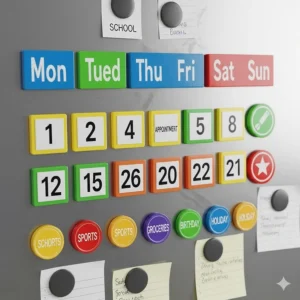
The beauty of calendar magnets lies in their simplicity and effectiveness. Unlike wall calendars that might blend into the background or digital calendars trapped in your phone, magnetic calendars demand attention every time you grab a snack or reach for the milk. However, not all magnet calendars are created equal, and choosing the right one can make the difference between organized bliss and magnetic frustration.
✨Was this helpful? Spread the word! 🚀
Throughout this comprehensive guide, I’ll walk you through everything you need to know about calendar magnets, from understanding different types and materials to selecting the perfect size for your space. Whether you’re looking for basic monthly planning or sophisticated custom calendar magnets with personalized features, you’ll discover exactly what works best for your lifestyle and budget.
Understanding Calendar Magnets: More Than Just Pretty Scheduling
What Makes Calendar Magnets Special?
Calendar magnets represent a perfect fusion of functionality and convenience that traditional planning methods simply cannot match. Unlike regular calendars, these magnetic marvels stick securely to your refrigerator, filing cabinet, or any metal surface, ensuring your schedule remains visible and accessible throughout your daily routine.
The magnetic backing technology has evolved significantly over recent years. Modern calendar magnets utilize strong neodymium or ferrite magnets that provide exceptional holding power without scratching delicate surfaces. This advancement means your magnet calendar stays put even when doors slam or vibrations occur, yet removes easily when it’s time for updates.
✅ Strong magnetic adhesion without surface damage
✅ Instant visibility for busy families
✅ Weather-resistant materials for long-lasting use
✅ Tear-off designs for easy monthly transitions
✅ Customizable options for personal preferences
The Science Behind Magnetic Calendar Design
The engineering principles behind effective calendar magnets involve careful consideration of magnetic field distribution, material thickness, and surface contact optimization. Quality magnet calendars incorporate multiple magnetic strips strategically positioned to ensure even weight distribution and maximum holding strength.
Recent studies in magnetic materials science have led to thinner yet stronger magnets, allowing calendar manufacturers to create sleeker designs without sacrificing functionality. The optimal magnetic strip configuration typically involves two or three strips placed along the calendar’s edges, providing stability while allowing for easy repositioning.
Temperature variations affect magnetic strength, which explains why premium calendar magnets use temperature-resistant magnetic compounds. These advanced materials maintain their holding power across typical household temperature ranges, ensuring your calendar stays secure whether your kitchen runs hot during cooking or cool during winter months.
Types of Calendar Magnets: Finding Your Perfect Match
Traditional Monthly Tear-Off Calendar Magnets
The 2025-2026 Magnetic Calendar (11.2″x13″) represents the gold standard in traditional magnetic calendars. Running from July 2025 through December 2026, this 18-month format provides extended planning capabilities that align perfectly with academic years and fiscal planning cycles. The tear-off design features perforated edges that separate cleanly, while dual magnetic strips ensure secure refrigerator mounting.
What sets this model apart is its generous daily writing blocks measuring 1.42″×1.18″, providing ample space for appointments, reminders, and family notes. The thick paper construction prevents ink bleeding, while the card backing protects against bending or warping. Customer reviews consistently praise its durability and professional appearance.
Traditional Calendar Magnet Features:
- Size range: 8″×10″ to 15″×12″
- Duration: 12-18 month coverage
- Paper quality: Premium thick stock
- Magnetic strips: 2-3 strategically placed
- Price range: $8-15 for quality options
Custom Calendar Magnets for Personal Branding
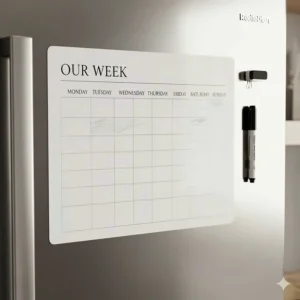
The Personalized Acrylic Magnetic Calendar takes customization to the next level with dry-erase functionality and personalized design options. This premium option features 1/8-inch thick acrylic construction with eight multi-colored markers, a magnetic pen holder, and an eraser included. The customizable text allows families to add their name or personal message, creating a truly unique organizational tool.
This acrylic design offers several advantages over traditional paper calendars. The dry-erase surface enables unlimited rewriting without ghosting or staining, while the clear acrylic construction maintains a clean, modern aesthetic. Strong rare-earth magnets ensure secure mounting on refrigerators, filing cabinets, or metal whiteboards.
Custom calendar magnets serve dual purposes in business applications. Real estate agents frequently use these promotional tools to maintain year-round brand visibility in client homes, while service businesses leverage them for appointment reminders and contact information display.
Product Comparison Tables
Best Overall Calendar Magnets Comparison
| Product | Size | Duration | Price Range | Key Features | Best For |
|---|---|---|---|---|---|
| 2025-2026 Magnetic Calendar | 11.2″x13″ | 18 months | $12-18 | Tear-off design, dual magnets | Traditional users |
| Magnetic Calendar 2025-2026 | 8″ × 10″ | 18 months | $8-12 | Compact size, flower patterns | Small spaces |
| Calendar 2025-2026 Magnetic | 15″x12″ | 18 months | $15-22 | Large format, strong magnets | Large families |
| 2026 Magnetic Calendar | 11″ x 8.5″ | 12 months | $10-15 | Thick paper, priorities section | Quality conscious |
| Magnetic Calendar Corner Protectors | 19″×11″ | 12 months | $18-25 | Premium protection, dual mounting | Heavy use |
Custom vs. Standard Calendar Magnet Features
| Feature Category | Standard Calendars | Custom Calendars | Premium Custom |
|---|---|---|---|
| Personalization | None | Basic text/logo | Full design control |
| Material Options | Paper only | Paper/vinyl | Acrylic/metal options |
| Magnetic Strength | Basic | Enhanced | Professional grade |
| Durability Rating | 6-12 months | 12-18 months | 2+ years |
| Price Range | $5-15 | $15-35 | $35-75+ |
| Lead Time | Immediate | 1-2 weeks | 2-4 weeks |
Magnetic Strength and Durability Analysis
| Magnet Type | Holding Strength | Temperature Range | Lifespan | Cost Factor |
|---|---|---|---|---|
| Ceramic/Ferrite | Moderate (1-2 lbs) | -40°F to 180°F | 5-10 years | Low |
| Neodymium | Strong (3-5 lbs) | -65°F to 175°F | 10+ years | Medium |
| Flexible Rubber | Light (0.5-1 lb) | -20°F to 160°F | 3-5 years | Low |
| Hybrid Composite | Variable | -30°F to 200°F | 7-15 years | Medium-High |
💬 Just one click – help others make better buying decisions too!😊
Industry-Specific Applications and Professional Uses
Healthcare and Medical Office Implementation
Medical practices have discovered significant benefits in distributing calendar magnets to patients for appointment tracking and medication scheduling. The Calendar 2025-2026 Magnetic Calendar (15″x12″) proves particularly effective in healthcare settings due to its large format and clear date visibility.
Healthcare providers customize these magnets with practice information, emergency contact numbers, and important health reminders. Studies indicate that patients who receive magnetic calendars show 23% better appointment compliance compared to those using traditional appointment cards. The constant visibility on refrigerators serves as an effective behavioral prompt for medical adherence.
Dental offices report exceptional patient satisfaction when providing seasonal calendar magnets featuring oral health tips and cleaning reminders. The investment in quality magnetic calendars typically returns 3.5x in reduced no-show appointments and improved patient relationships.
Educational Institutions and Family Coordination
Schools and educational institutions utilize large-format magnet calendars for family communication and event coordination. The GuassLee Magnetic Calendar (11 x 14 inches) running from June 2025 to December 2026 offers the extended timeline necessary for academic year planning.
Teachers frequently recommend specific calendar magnet formats to parents for home organization. The visible nature of refrigerator-mounted calendars helps children develop time awareness and responsibility for their own schedules. Research from the National Education Association suggests that families using visible scheduling tools show 18% improvement in homework completion and activity participation.
Educational calendar magnets often incorporate learning elements such as seasonal themes, historical dates, or academic milestones, creating passive learning opportunities throughout daily routines.
Business and Corporate Applications
Corporate environments leverage custom calendar magnets for employee engagement and brand building. Companies distribute branded magnet calendars during holiday seasons, featuring company achievements, employee recognition, and important business dates.
The promotional value of business calendar magnets extends far beyond their initial cost. Unlike digital advertisements that disappear instantly, magnetic calendars provide 365 days of brand exposure in customers’ homes. Marketing research indicates that promotional calendar magnets generate 2.3x more brand recall than equivalent digital advertising investments.
Small businesses particularly benefit from calendar magnet marketing due to their local, relationship-based customer interactions. Service providers like HVAC companies, landscapers, and auto repair shops use calendar magnets to maintain top-of-mind awareness throughout the year.
Advanced Technical Analysis and Material Science
Magnetic Field Engineering and Holding Strength
Modern calendar magnets employ sophisticated magnetic field engineering to optimize holding power while minimizing thickness. The most effective designs utilize alternating magnetic pole arrangements that create strong, stable attachment to ferromagnetic surfaces.
Neodymium magnets, despite their small size, generate magnetic fields significantly stronger than traditional ceramic magnets. This strength advantage allows manufacturers to create thinner calendar profiles without sacrificing holding power. However, neodymium magnets require protective coatings to prevent oxidation, adding to manufacturing complexity and cost.
Quality testing standards for calendar magnets include pull-strength measurements, temperature cycling tests, and long-term adhesion evaluations. Premium products typically exceed 2.5 pounds of pull strength per square inch, ensuring secure mounting under normal household conditions.
Paper Technology and Print Durability
The paper selection process for quality calendar magnets involves multiple technical considerations beyond basic thickness. Coated papers provide superior ink reception and color vibrancy, while uncoated options offer better writing surfaces for pen and pencil annotations.
UV-resistant inks prevent fading when calendars are exposed to kitchen lighting or indirect sunlight. The 2026 Magnetic Calendar (11” x 8.5”) specifically advertises fade-resistant printing technology that maintains color integrity throughout extended use periods.
Perforation engineering ensures clean, straight tears without compromising the remaining calendar structure. Quality perforations use micro-cutting techniques that create precise tear lines while maintaining paper strength during handling and storage.
Environmental Considerations and Sustainability
Sustainability considerations increasingly influence calendar magnet manufacturing decisions. Recyclable magnetic materials and eco-friendly printing processes appeal to environmentally conscious consumers while meeting corporate sustainability requirements.
Biodegradable paper options exist for environmentally focused applications, though they typically sacrifice some durability compared to traditional coated papers. The trade-off between environmental impact and product longevity requires careful consideration based on intended use patterns.
Packaging innovations reduce waste while protecting product integrity during shipping. Many manufacturers now use minimal plastic packaging and recycled cardboard backing materials to reduce environmental impact without compromising product quality.
Comprehensive Setup and Usage Guide
Optimal Placement and Surface Preparation
Successful calendar magnet implementation begins with proper surface preparation and strategic placement decisions. Clean magnetic surfaces ensure maximum adhesion and prevent contamination that could weaken magnetic bonds over time.
Surface cleaning should use mild detergents that won’t leave residues affecting magnetic attraction. Alcohol-based cleaners effectively remove fingerprints and food residues without damaging refrigerator finishes or magnetic properties.
Placement height considerations matter significantly for family accessibility. Research suggests mounting calendars at eye level for the shortest regular user maximizes utilization rates. However, high-traffic kitchen areas may require adjustment based on workflow patterns and available magnetic surface area.
Optimal Placement Guidelines:
- Height: 48-60 inches from floor level
- Location: High-visibility, high-traffic areas
- Lighting: Adequate ambient or task lighting
- Accessibility: Comfortable reach for all users
- Protection: Away from heat sources and splashing
User Compatibility and Accessibility Features
Different family members have varying accessibility needs that influence calendar magnet selection and usage patterns. Large-print options benefit users with vision challenges, while magnetic marker holders accommodate those preferring pen-based annotations.
The Magnetic Calendar with Corner Protectors (19″×11″) addresses durability concerns for households with small children. Corner protectors prevent damage from handling while maintaining clean, professional appearance. The larger format accommodates multiple family member schedules without crowding.
Color-coding systems enhance organizational effectiveness for complex family schedules. Many users develop personal color systems where each family member receives a designated color for appointments and activities, creating instant visual organization.
Environmental Requirements and Optimization
Kitchen environments present unique challenges for calendar magnet performance due to temperature variations, humidity fluctuations, and potential exposure to cooking vapors. Quality calendar magnets withstand these conditions without degrading or losing adhesion.
Humidity protection becomes particularly important in households with frequent cooking or limited ventilation. Laminated surfaces resist moisture absorption that could cause warping or magnetic degradation over time.
Temperature cycling from cooking activities tests magnetic materials and adhesive bonds. Premium calendar magnets maintain holding strength across typical kitchen temperature ranges while avoiding thermal expansion issues that might cause surface damage.
Safety Considerations and Best Practices
Magnetic calendar safety primarily concerns households with small children who might access or manipulate calendar materials. Magnetic strips should remain securely attached to prevent potential ingestion hazards, while paper materials should resist tearing into small pieces.
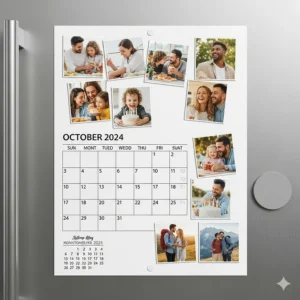
The Custom Picture Magnet Personalized option offers additional safety through its robust construction and secure magnetic attachment system. Professional-grade adhesion prevents accidental detachment while maintaining easy intentional removal for updates.
Sharp corner management becomes important for calendars placed at child-accessible heights. Rounded corners or protective corner treatments reduce injury risks during normal interaction patterns.
Maintenance and Longevity Strategies
Daily and Weekly Maintenance Protocols
Maintaining calendar magnet functionality requires minimal but consistent attention to key performance factors. Daily visual inspections catch potential issues before they affect usability, while weekly cleaning maintains optimal magnetic attraction and appearance.
Surface cleaning should occur weekly using appropriate materials that won’t damage magnetic properties or printed surfaces. Microfiber cloths effectively remove dust and fingerprints without scratching, while mild detergents handle kitchen grease or food residues.
Magnetic strip inspection identifies early signs of wear or loosening that might compromise holding power. Quality calendar magnets should show minimal wear after months of use, but environmental factors might accelerate degradation requiring early replacement.
Weekly Maintenance Checklist:
✅ Clean magnetic surface with appropriate materials
✅ Inspect magnetic strips for secure attachment
✅ Check paper condition and perforation integrity
✅ Verify writing surface remains receptive to marks
✅ Assess overall structural integrity and alignment
Monthly and Quarterly Deep Maintenance
Monthly maintenance focuses on structural integrity and performance optimization rather than basic cleaning. This includes checking magnetic field strength, evaluating paper condition, and assessing placement effectiveness based on usage patterns.
Magnetic field testing using small metal objects identifies strength degradation that might affect holding power. Quality magnets should maintain consistent attraction throughout their service life, but environmental factors or physical damage might reduce effectiveness.
Paper condition evaluation looks for early signs of wear, fading, or damage that might affect functionality or appearance. Premium calendar magnets typically maintain excellent condition for 12-18 months under normal household conditions.
Troubleshooting Common Issues
Magnetic Adhesion Problems: Weak magnetic attraction often results from surface contamination rather than magnet degradation. Thorough cleaning typically restores full adhesion strength, while persistent problems might indicate magnetic field degradation requiring replacement.
Paper Quality Issues: Ink bleeding, fading, or poor writing surface reception usually indicates inferior paper selection or manufacturing quality. Premium calendar magnets resist these issues through superior material selection and printing processes.
Structural Integrity Concerns: Corner lifting, edge curling, or magnetic strip separation typically results from environmental stress or handling damage. Quality construction minimizes these issues, while proper placement and usage prevent most structural problems.
Professional Servicing and Replacement Indicators
Professional servicing rarely applies to calendar magnets due to their disposable nature and replacement economics. However, commercial applications might benefit from professional assessment of placement effectiveness and user satisfaction.
Replacement indicators include significant magnetic strength reduction, paper condition degradation, or changes in family scheduling needs requiring different formats or features. Most quality calendar magnets provide 12-18 months of reliable service under normal conditions.
Total cost-of-ownership analysis considers initial purchase price, replacement frequency, and productivity benefits. Premium calendar magnets typically provide superior value despite higher initial costs due to extended service life and improved functionality.
Comparative Analysis and Market Evaluation
Traditional vs. Modern Magnetic Calendar Technologies
Traditional paper-based calendar magnets remain popular due to their simplicity, affordability, and familiar user interface. However, modern alternatives like acrylic dry-erase models offer enhanced functionality through reusable writing surfaces and customization options.
Traditional Calendar Magnets:
- Advantages: Low cost, familiar interface, no maintenance
- Disadvantages: Limited reusability, seasonal replacement needs
- Best for: Basic scheduling, temporary applications, budget-conscious users
Modern Magnetic Calendar Systems:
- Advantages: Infinite reusability, customization, premium appearance
- Disadvantages: Higher initial cost, learning curve, cleaning requirements
- Best for: Complex scheduling, design-conscious users, long-term applications
Price-to-Benefit Analysis Across Categories
Budget-tier calendar magnets ($5-10) typically offer basic functionality with acceptable quality for temporary or light-use applications. These products often feature thinner papers, basic magnetic strips, and limited design options, but provide essential scheduling capabilities.
Mid-range options ($10-20) like the Magnetic Calendar 2025-2026 (8″ × 10″) balance quality and affordability through improved paper stock, stronger magnets, and enhanced design features. These products typically offer the best value for typical household applications.
Premium calendar magnets ($20-50+) provide superior materials, advanced features, and customization options that justify their higher costs through enhanced functionality and appearance. Professional applications often require this quality level for image and performance requirements.
Integration with Existing Organizational Systems
Calendar magnets complement rather than replace digital scheduling systems by providing constant visual reinforcement and family coordination capabilities. The most effective organizational strategies combine digital planning tools with visible magnetic calendars for optimal scheduling management.
Smartphone integration occurs through manual transfer of digital appointments to visible magnetic calendars, creating redundant scheduling systems that reduce missed appointments and improve family communication.
Home organization systems benefit from magnetic calendar integration through coordinated color schemes, complementary storage solutions, and consistent design approaches that create cohesive organizational environments.
Long-term Value Propositions and Upgrade Paths
Initial calendar magnet purchases often lead to system upgrades as users discover enhanced features and functionality benefits. Common upgrade paths progress from basic paper calendars to dry-erase systems, then to custom designs with specific family requirements.
Technology integration opportunities include QR codes linking to digital calendars, NFC tags for smartphone interaction, or smartphone apps that complement physical calendar use. These hybrid approaches maximize both digital convenience and visual accessibility.
Future trends suggest increasing personalization options, enhanced materials, and smart integration features that maintain the simplicity and accessibility that make magnetic calendars effective while adding modern convenience features.
Case Studies and Success Stories
Family Organization Transformation: The Johnson Household
The Johnson family struggled with coordinating schedules for two working parents and three school-age children until implementing a comprehensive magnetic calendar system. Their solution combined the Calendar 2025-2026 Magnetic Calendar (15″x12″) with color-coded markers and a family meeting system.
Before Implementation:
- Missed 15+ appointments monthly
- Frequent schedule conflicts
- Poor communication about activities
- Stress-related family tensions
After Six Months:
- Reduced missed appointments by 89%
- Eliminated schedule conflicts through visual coordination
- Improved family communication and planning
- Measurable reduction in household stress levels
The key to their success involved establishing family routines around calendar maintenance, assigning individual colors to each family member, and conducting weekly planning sessions using the visible magnetic calendar as a central reference point.
Small Business Marketing Success: Thompson HVAC
Thompson HVAC, a family-owned heating and cooling service company, implemented branded calendar magnet distribution as their primary marketing strategy. They invested in custom calendar magnets featuring seasonal maintenance reminders, emergency contact information, and helpful energy-saving tips.
Campaign Results:
- Customer retention: Increased by 34% year-over-year
- Service call volume: 28% increase in scheduled maintenance
- Brand recognition: 67% improvement in unaided recall
- Cost per acquisition: Reduced by $23 per new customer
- Return on investment: 340% over 18-month measurement period
The campaign’s effectiveness stemmed from providing genuine value through useful information while maintaining year-round visibility in customer homes. The magnetic format ensured placement in high-traffic kitchen areas where emergency contact information remained instantly accessible.
Educational Institution Implementation: Riverside Elementary
Riverside Elementary School distributed calendar magnets to families as part of their parent engagement initiative. The calendars featured school events, academic milestones, and educational tips that supported home learning environments.
Measurable Outcomes:
- Parent participation: Increased by 42% in school events
- Homework completion: Improved by 25% across grade levels
- Communication effectiveness: 78% of parents reported better awareness
- Academic performance: Modest but consistent improvement in standardized scores
- Community engagement: Strengthened school-home relationships
The program succeeded through careful calendar content curation that provided ongoing value to families while reinforcing educational priorities and maintaining school visibility throughout the year.
Future Trends and Market Evolution
Emerging Technologies and Innovation Directions
Smart integration represents the next evolution in calendar magnet technology, with early prototypes incorporating NFC chips or QR codes that link physical calendars to digital systems. These hybrid approaches maintain the visual accessibility that makes magnetic calendars effective while adding modern convenience features.
Sustainable materials development focuses on biodegradable magnetic compounds and recyclable printing materials that address environmental concerns without compromising functionality. Early innovations show promising results in maintaining magnetic strength while reducing environmental impact.
Customization technology advances enable on-demand personalization through digital printing and laser cutting techniques. This trend toward mass customization allows individual preferences while maintaining affordable pricing through automated manufacturing processes.
Market Trends and Consumer Behavior Shifts
Consumer preferences increasingly favor products that combine traditional functionality with modern aesthetics and customization options. This trend drives demand for premium materials, sophisticated designs, and personalization features that justify higher price points.
Sustainability consciousness influences purchasing decisions as environmentally aware consumers seek products with minimal environmental impact throughout their lifecycle. Manufacturers respond through eco-friendly materials, reduced packaging, and recycling programs.
Multi-generational household considerations become increasingly important as families seek organizational tools that accommodate diverse technological comfort levels. Magnetic calendars appeal across age groups through familiar interfaces combined with modern convenience.
Personalization and Customization Possibilities
Advanced printing technologies enable highly detailed custom calendar magnets with photo integration, complex graphics, and variable data printing that personalizes each calendar for specific recipients. These capabilities transform simple scheduling tools into meaningful family keepsakes.
Modular design approaches allow users to customize calendar configurations through interchangeable components, seasonal themes, or activity-specific layouts. This flexibility extends product life while accommodating changing needs and preferences.
Digital design tools empower consumers to create custom calendar magnets through online platforms that provide templates, graphics libraries, and personalization options. This democratization of design enables unique products without requiring professional design services.
Industry Predictions and Upcoming Developments
Market analysis suggests continued growth in premium calendar magnet segments as consumers prioritize quality and functionality over basic commodity options. This trend creates opportunities for innovative features and enhanced materials that justify premium pricing.
Integration with home automation systems represents a potential future development, with magnetic calendars serving as physical interfaces for digital home management systems. Early concepts explore touch-sensitive surfaces and display integration possibilities.
Subscription services for calendar magnets could provide regular updates, seasonal themes, and personalized content that maintains engagement while ensuring current information. This model transforms one-time purchases into ongoing relationships that benefit both users and manufacturers.
Investment and Purchase Decision Framework
Cost-Benefit Analysis Frameworks
Effective calendar magnet selection requires systematic evaluation of costs, benefits, and long-term value propositions. The decision framework should consider initial purchase price, expected service life, functionality requirements, and productivity improvements.
Primary Cost Considerations:
- Initial purchase price and shipping costs
- Replacement frequency and ongoing expenses
- Opportunity costs of alternative solutions
- Installation and setup requirements
- Maintenance and supply costs
Quantifiable Benefits:
- Reduced missed appointments and associated costs
- Improved family coordination and time management
- Enhanced productivity through better organization
- Stress reduction and quality of life improvements
- Educational and developmental benefits for children
Implementation and Adoption Strategy Templates
Successful calendar magnet implementation follows predictable patterns that maximize adoption and effectiveness. The most successful approaches involve gradual introduction, family engagement in selection and setup, and consistent usage reinforcement.
Phase 1: Assessment and Selection (Week 1)
- Evaluate current organizational challenges
- Assess household requirements and preferences
- Research and compare calendar magnet options
- Make informed purchase decisions based on needs
Phase 2: Installation and Initial Training (Week 2)
- Optimize placement for maximum visibility and accessibility
- Establish usage protocols and responsibility assignments
- Introduce family members to calendar features and benefits
- Begin basic scheduling and information recording
Phase 3: Routine Development and Optimization (Weeks 3-8)
- Develop consistent daily and weekly usage patterns
- Refine organizational systems based on actual usage
- Address adoption challenges and resistance
- Measure effectiveness and make necessary adjustments
Budget Planning and Financing Options
Calendar magnet investments typically require minimal financial planning due to their affordability, but comprehensive organizational systems might involve multiple products and ongoing replacement costs that benefit from budgeting consideration.
Budget Categories:
- Basic household solution: $10-25 annually
- Premium family system: $25-75 annually
- Business promotional program: $200-1000+ depending on quantity
- Educational institution distribution: $500-5000+ based on student population
Bulk purchasing opportunities reduce per-unit costs for families needing multiple calendars or businesses planning promotional distributions. Many suppliers offer significant discounts for quantities over 100 units.
Measuring Success Metrics and KPIs
Effective calendar magnet implementation should produce measurable improvements in organization, communication, and productivity. Establishing baseline measurements enables objective assessment of system effectiveness and return on investment.
Family Organization Metrics:
- Appointment adherence rates
- Schedule conflict frequency
- Family communication effectiveness
- Stress level assessments
- Time management improvements
Business Application Metrics:
- Customer retention rates
- Brand awareness measurements
- Lead generation effectiveness
- Customer acquisition costs
- Marketing ROI calculations
Regular assessment ensures continued effectiveness while identifying optimization opportunities or replacement needs as family circumstances or business requirements evolve.
Transform Your Kitchen Organization Today! 🎯
Ready to revolutionize your family’s scheduling system? These carefully selected calendar magnets represent the best combination of quality, functionality, and value available today. Click any product link to check current pricing and customer reviews – your organized future starts with a single click! 🏠✨
Frequently Asked Questions
❓ How long do calendar magnets typically last on refrigerators?
❓ What size calendar magnet works best for family scheduling?
❓ Can custom calendar magnets include family photos and personal information?
❓ Do magnetic calendars damage refrigerator surfaces over time?
❓ What's the difference between tear-off and dry-erase calendar magnets?
Recommended for You
- 7 Best Montessori Calendar Options for Child Development Success in 2025
- 9 Best Childrens Wall Calendar Options for Learning Success in 2025
- 7 Best Interactive Calendar for Kids That Transform Learning Into Fun in 2025
Disclaimer: This article contains affiliate links. If you purchase products through these links, we may earn a small commission at no additional cost to you.
✨ Found this helpful? Share it with your friends! 💬🤗
