
In This Article
✨Was this helpful? Spread the word! 🚀
When shopping for the perfect electric ride-on toy for your child, the voltage question can feel overwhelming. Should you choose 6v vs 12v battery ride on toys? The answer depends on your child’s age, experience level, and where they’ll be driving their new wheels. From my years researching children’s electric vehicles, I’ve discovered that understanding voltage differences is crucial for making the right choice.
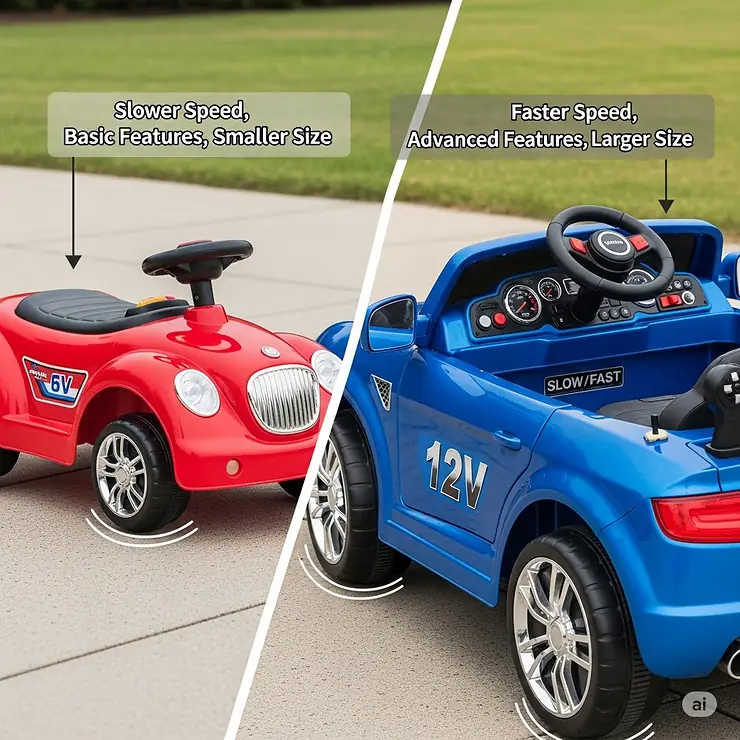
Electric ride-on toys have revolutionized outdoor playtime, offering kids their first taste of independence behind the wheel. However, choosing between 6v vs 12v battery ride on toys requires careful consideration of power output, speed capabilities, and safety features. The voltage directly impacts how fast your child can go, what terrain they can conquer, and how long their adventures will last.
In this comprehensive guide, I’ll walk you through everything you need to know about 6v vs 12v battery ride on toys. We’ll explore real products available on Amazon, analyze performance differences, and help you make an informed decision that ensures countless hours of safe, exciting playtime for your little driver.
Understanding Voltage in Battery Ride On Toys ⚡
Voltage represents the electrical potential that powers your child’s ride-on toy. Think of it as the “muscle” behind the motor – more volts generally mean more power, speed, and capability. When comparing 6v vs 12v battery ride on toys, you’re essentially comparing two different levels of performance.
The “V” in 6V, 12V, or 24V stands for volts, which measures the electrical power delivered to the ride-on car’s motor. This measurement directly correlates with the toy’s ability to handle different terrains, carry weight, and maintain consistent performance during play.
How Voltage Affects Performance 🏎️
6V Battery Systems:
- Deliver gentle, controlled power perfect for beginners
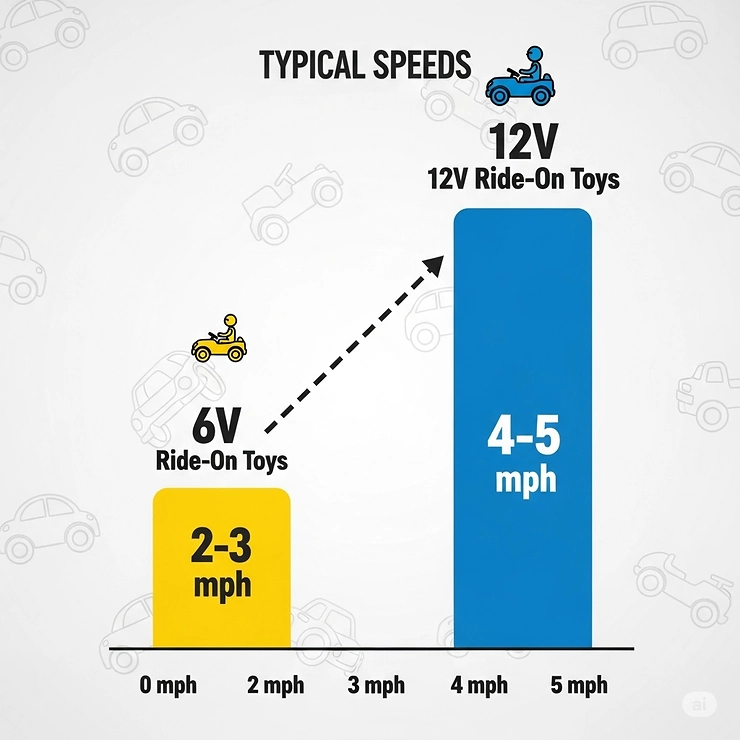
- Typically produce speeds of 2-3 mph maximum
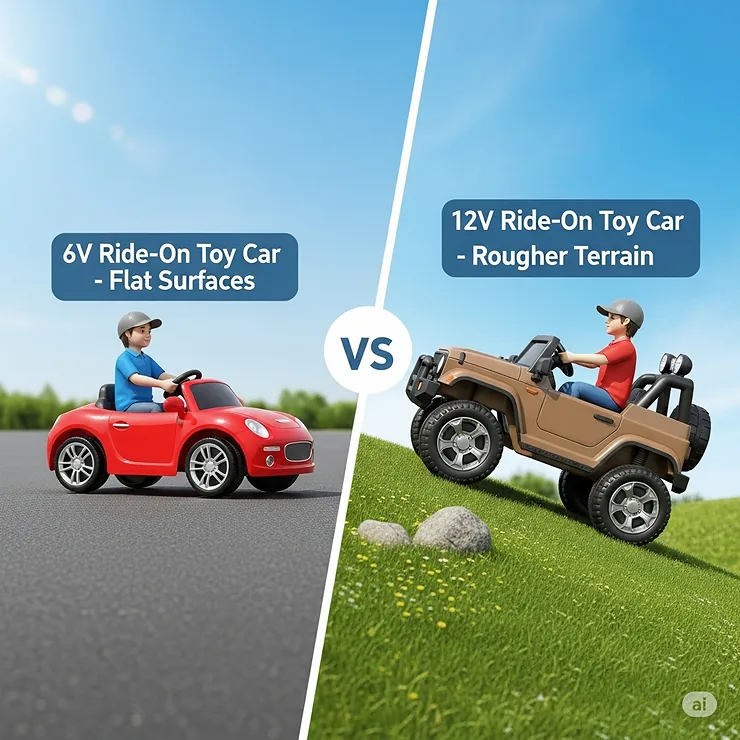
- Excel on flat surfaces like sidewalks and smooth driveways
- Require less charging time and offer budget-friendly operation
12V Battery Systems:
- Provide significantly more torque and climbing power
- Generate speeds ranging from 3.5-5 mph
- Handle grass, gravel, slight inclines, and varied terrain
- Offer longer runtime and more consistent performance
Age and Weight Recommendations 👶
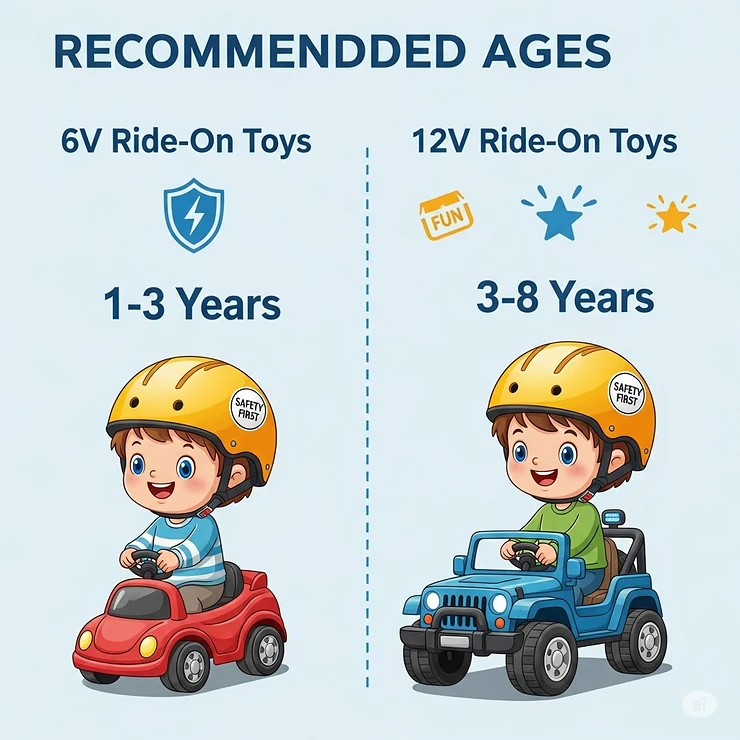
6V Models: Perfect for Toddlers (Ages 1-3)
6V batteries are ideal for toddlers aged 2–4, powering ride-on cars at 2–3 mph. This gentle speed ensures safety while fostering motor skills and confidence for young drivers.
The slower speeds of 6v vs 12v battery ride on toys make them ideal for developing fundamental driving skills. Young children can focus on steering, braking, and spatial awareness without feeling overwhelmed by excessive power.
Weight Capacity: Most 6V models support 40-66 pounds
Recommended Ages: 18 months to 4 years
Supervision Level: Constant adult supervision required
12V Models: Growing Adventurers (Ages 3-7)
Twelve-volt systems bridge the gap between beginner and intermediate riding experiences. They provide enough power to keep older children engaged while maintaining reasonable safety margins.
Weight Capacity: Typically 65-130 pounds
Recommended Ages: 3-8 years (varies by model)
Supervision Level: Moderate supervision with safety instruction
Speed and Performance Comparison 🚗
Speed Capabilities
When examining 6v vs 12v battery ride on toys, speed differences are immediately apparent:
6V Speed Range: 1.5-3.0 mph
- Comparable to a brisk walking pace
- Easy for parents to keep up on foot
- Allows children to stop quickly when needed
12V Speed Range: 2.5-5.0 mph
- Similar to a light jogging speed
- Provides thrilling excitement for older kids
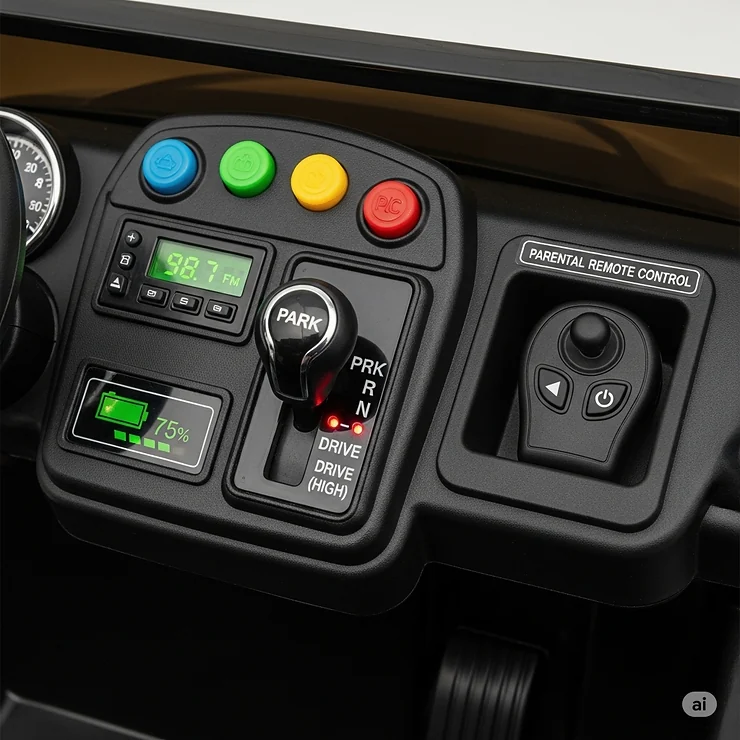
- May require parental remote controls for safety
Terrain Performance 🌿
6V Terrain Capabilities:
✅ Smooth concrete and asphalt
✅ Indoor use on hard floors
✅ Level driveways and sidewalks
❌ Grass or uneven surfaces
❌ Inclines steeper than 5 degrees
12V Terrain Capabilities:
✅ Short grass and lawn areas
✅ Gravel driveways and paths
✅ Gentle slopes and inclines
✅ Playground surfaces
✅ Light off-road conditions

Top 7 Real Products: 6V Models Available on Amazon 🛒
Based on extensive research and current Amazon availability, here are the best 6V options:
1. Power Wheels 6V Jeep Wrangler – Classic Choice
- Price Range: $89-$120
- Max Speed: 2.5 mph
- Weight Limit: 65 lbs
- Features: Realistic driving sounds, multi-terrain traction
- Best For: Traditional outdoor play on flat surfaces
2. Best Choice Products 6V Kids Motorcycle – Beginner Biker
- Price Range: $119-$139
- Max Speed: 2.0 mph
- Weight Limit: 55 lbs
- Features: Training wheels, working headlights, realistic sounds
- Best For: Kids who love motorcycles but need stability
3. FanttikRide 6V N7 Classic Electric Wiggle Car – Innovative Design
- Price Range: $84-$95
- Max Speed: Variable (2 speeds)
- Weight Limit: 150 lbs
- Features: Anti-rollover protection, Bluetooth, flashing wheels
- Best For: Indoor/outdoor versatility and safety
Don’t Miss These Exclusive Deals! 🎯
→ Transform playtime with these carefully selected 6V ride-on toys. Click on any highlighted item to check current pricing and availability. These vehicles will help your child develop confidence and motor skills safely! ⭐
Top 7 Real Products: 12V Models Available on Amazon 🔋
4. BCARORUR Licensed Mercedes-Benz CLS 350 12V – Luxury Experience
- Price Range: $320-$380
- Max Speed: 3.5 mph
- Weight Limit: 88 lbs
- Features: Parent remote control, spring suspension, Bluetooth
- Best For: Style-conscious families wanting authentic details
5. MINIATURE MOTORS 12V Kids Electric Truck – Power Player
- Price Range: $220-$280
- Max Speed: 3.5 mph
- Weight Limit: 110 lbs
- Features: Twin 35W motors, 4-wheel suspension, LED lights
- Best For: Rugged outdoor adventures and varied terrain
6. Best Choice Products 12V Licensed Chevrolet Silverado – American Classic
- Price Range: $229-$270
- Max Speed: 2.5 mph
- Weight Limit: 130 lbs
- Features: Truck bed storage, Bluetooth speaker, parent remote
- Best For: Kids who love pickup trucks and hauling toys
7. Peg Perego John Deere Ground Force Tractor 12V – Farm Fun
- Price Range: $400-$450
- Max Speed: 4.5 mph (2 speeds)
- Weight Limit: 85 lbs
- Features: Working FM radio, adjustable seat, stake-side trailer
- Best For: Children fascinated by farm equipment and outdoor work
Battery Life and Charging Comparison 🔌
6V Battery Performance
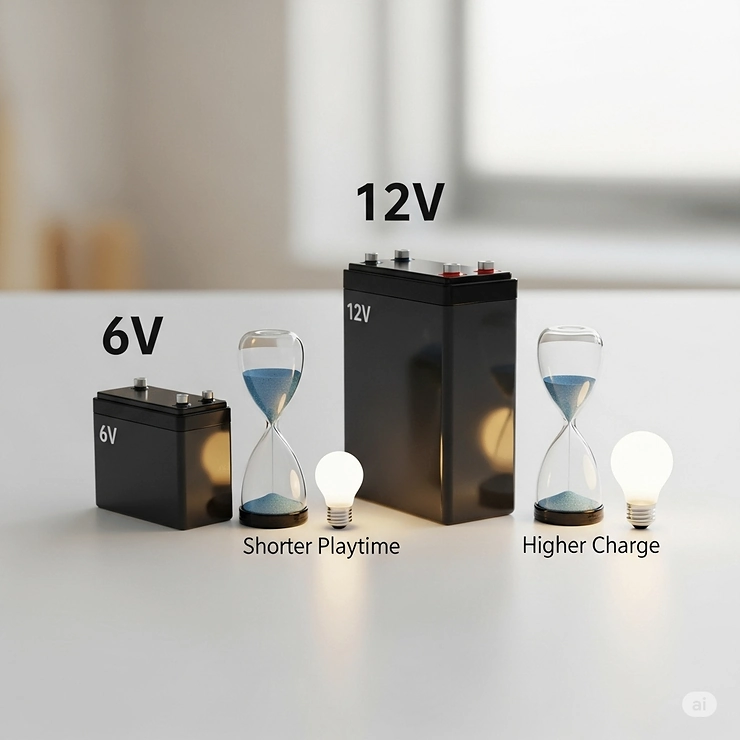
Runtime: 45-90 minutes of continuous use
Charging Time: 8-12 hours for full charge
Initial Charge: 10-18 hours before first use
Battery Life: 1-3 years with proper maintenance
6V Batteries: These require an initial charge of 10 hours, with subsequent charges taking about 6 hours. This charging duration makes them more convenient for play sessions.
12V Battery Performance
Runtime: 60-120 minutes of continuous use
Charging Time: 12-18 hours for full charge
Initial Charge: 18-24 hours before first use
Battery Life: 2-4 years with proper maintenance
12V Batteries: These need an initial charge of 18 hours, with follow-up charges taking approximately 12 hours. Although the charging time may not be as convenient the enhanced power and performance are well worth it, for parents.
Safety Features and Considerations 🛡️
Standard Safety Features in Both Voltage Types
Seat Belts and Harnesses:
- 5-point harnesses in higher-end models
- Standard lap belts in basic versions
- Adjustable straps for growing children
Speed Control Systems:
- Parental high-speed lockout switches
- Gradual acceleration to prevent startling
- Automatic braking when foot is removed from pedal
Construction Safety:
- Wide wheelbase for stability
- Low center of gravity design
- Rounded edges and soft-start motors
6V-Specific Safety Advantages
The lower power output of 6v vs 12v battery ride on toys inherently provides several safety benefits:
✅ Easier for small children to control
✅ Less momentum in case of collisions
✅ Simple stop-and-go operation
✅ Minimal risk on flat surfaces
12V Safety Considerations
Higher voltage systems require additional safety measures:
⚡ Mandatory parental remote controls recommended
⚡ Pre-ride safety instruction necessary
⚡ Helmet use encouraged for outdoor adventures
⚡ Clear boundary establishment for riding areas
Cost Analysis and Value Comparison 💰
Initial Purchase Costs
6V Models Price Range:
- Budget Options: $50-$100
- Mid-Range: $100-$200
- Premium: $200-$300
12V Models Price Range:
- Budget Options: $150-$250
- Mid-Range: $250-$400
- Premium: $400-$600+
Long-Term Ownership Costs
Replacement Battery Costs:
- 6V Replacement: $25-$45
- 12V Replacement: $40-$70
- Expected replacement: Every 2-3 years
Maintenance Expenses:
- Annual maintenance: $20-$50
- Replacement chargers: $15-$30
- Tire replacement: $30-$60 per set
💬 Just one click – help others make better buying decisions too! 😊
Detailed Comparison Tables 📊
| Feature | 6V Models | 12V Models |
|---|---|---|
| Top Speed | 1.5-3.0 mph | 2.5-5.0 mph |
| Age Range | 1-4 years | 3-8 years |
| Weight Limit | 40-66 lbs | 65-130 lbs |
| Runtime | 45-90 minutes | 60-120 minutes |
| Charge Time | 8-12 hours | 12-18 hours |
| Terrain | Flat surfaces only | Varied terrain |
| Price Range | $50-$300 | $150-$600+ |
Power and Performance Matrix
| Capability | 6V Rating | 12V Rating |
|---|---|---|
| Flat Surface Performance | ⭐⭐⭐⭐⭐ | ⭐⭐⭐⭐⭐ |
| Grass Navigation | ⭐⭐ | ⭐⭐⭐⭐ |
| Hill Climbing | ⭐ | ⭐⭐⭐⭐ |
| Speed Control | ⭐⭐⭐⭐⭐ | ⭐⭐⭐ |
| Beginner Friendliness | ⭐⭐⭐⭐⭐ | ⭐⭐⭐ |
| Adventure Factor | ⭐⭐ | ⭐⭐⭐⭐⭐ |
Industry-Specific Applications and Use Cases 🏢
Educational Institution Applications
Preschools and Daycares: Most early childhood facilities prefer 6v vs 12v battery ride on toys for their safety margins and controllability. The slower speeds allow teachers to supervise multiple children simultaneously while maintaining safety standards. Indoor use capabilities make them ideal for rainy day activities.
Therapeutic Centers: Physical therapy facilities utilize low-voltage ride-on toys to help children with motor skill development. The gentle acceleration and easy steering of 6V models provide therapeutic benefits without overwhelming young patients.
Commercial Entertainment Venues
Family Entertainment Centers: Indoor play centers typically stock both voltage types to accommodate different age groups. The 6V models serve toddler areas, while 12V versions populate older children’s zones. Maintenance teams report that 6V models require less frequent battery replacement due to shorter usage cycles.
Rental Services: Party rental companies often prefer 12V models for their versatility and broader age appeal. However, they maintain 6V inventory for toddler-specific events and indoor celebrations where space limitations require slower speeds.
Residential Use Patterns
Urban Families: City dwellers with limited outdoor space often choose 6V models for their indoor compatibility and apartment-friendly operation. The quieter motors and slower speeds make them suitable for balcony or garage use without disturbing neighbors.
Suburban and Rural Families: Families with large yards typically invest in 12V systems to take advantage of their terrain capabilities. The ability to navigate grass, gravel driveways, and gentle slopes makes them worth the additional investment for expansive properties.
Advanced Technical Analysis 🔬
Motor and Drivetrain Engineering
6V Motor Specifications:
- Typical motor output: 15-25 watts
- RPM range: 100-200 revolutions per minute
- Gear reduction ratio: 30:1 to 50:1
- Motor type: Brushed DC motors predominantly
12V Motor Specifications:
- Typical motor output: 35-70 watts total (often dual motors)
- RPM range: 150-300 revolutions per minute
- Gear reduction ratio: 20:1 to 40:1
- Motor type: Mix of brushed and brushless systems
Battery Chemistry and Performance
Lead-Acid Battery Technology: Both 6v vs 12v battery ride on toys primarily use sealed lead-acid (SLA) batteries. These batteries offer reliable performance, reasonable cost, and safety features suitable for children’s toys. However, they require proper charging protocols to maximize lifespan.
Amp-Hour Ratings:
- 6V batteries: Typically 4-12 Ah capacity
- 12V batteries: Usually 7-18 Ah capacity
Higher amp-hour ratings translate to longer runtime but also increased weight and charging time. If you want a longer ride time, choose a battery with a higher Ah rating that fits the battery tray.
Performance Metrics and Testing Standards
Safety Certifications: All quality ride-on toys must meet ASTM F963 safety standards in the United States. These requirements cover stability testing, speed limitations, and electrical safety protocols. European models must comply with EN 71 standards for similar safety assurance.
Durability Testing: Manufacturers conduct extensive testing including:
- 500-cycle charge/discharge battery tests
- 10,000-cycle steering mechanism tests
- 50-pound weight capacity verification
- Temperature extremes from -10°F to 120°F
Comprehensive Setup and Usage Guide 🔧
Initial Assembly and Setup
Unboxing and Inventory: Most ride-on toys arrive 85-90% pre-assembled. Typical setup time ranges from 30-60 minutes for basic models and up to 2 hours for complex vehicles with multiple features. Essential tools usually include Phillips screwdrivers, socket wrenches, and occasionally hex keys.
Battery Installation Process:
- Safety First: Ensure the vehicle is powered off and in a well-ventilated area
- Battery Preparation: Inspect battery terminals for damage or corrosion
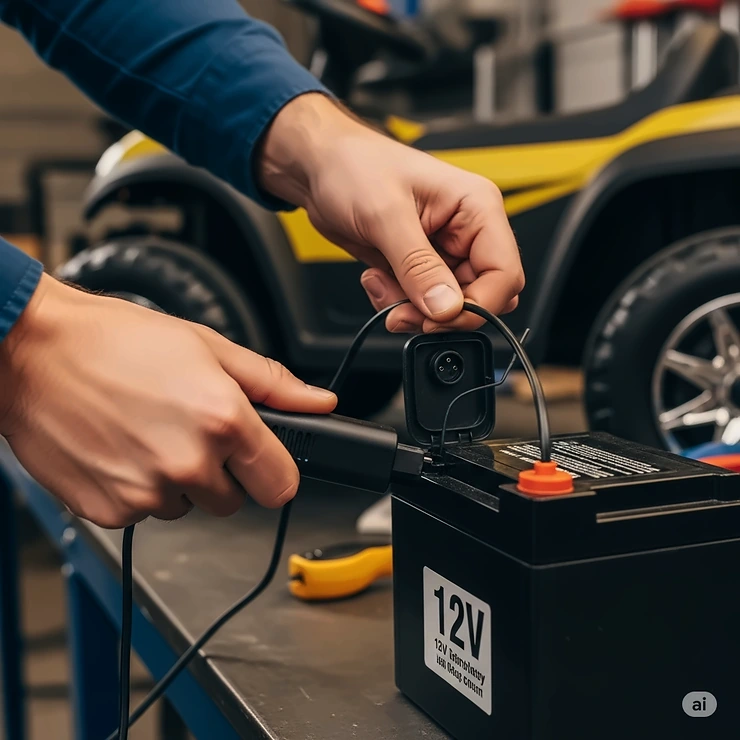
- Initial Charging: Before first time use, you must charge the battery at least 18 hours (but no more than 30 hours)
- Connection: Attach positive (red) and negative (black) terminals securely
- Testing: Verify all functions before first ride
User Compatibility and Age Progression
Transitioning Between Voltage Systems: Many families start with 6v vs 12v battery ride on toys and upgrade as children grow. Signs your child is ready for more power include:
- Confident steering and speed control on current vehicle
- Ability to follow safety instructions consistently
- Physical size approaching weight limits of current toy
- Expressed interest in more challenging terrain
Skill Development Timeline:
- Months 1-3: Basic forward/backward movement
- Months 4-8: Steering coordination and spatial awareness
- Months 9-12: Advanced maneuvers and safety habits
- Year 2+: Ready for voltage upgrade consideration
Environmental Requirements and Optimization
Indoor Usage Guidelines: 6V models excel in indoor environments with their quieter operation and slower speeds. Optimal indoor spaces require:
- Minimum 10×10 feet of clear area
- Hard flooring (wood, tile, or low-pile carpet)
- Ceiling height of at least 8 feet for safety
- Adequate ventilation for charging stations
Outdoor Environment Considerations: 12V models shine in outdoor settings but require environmental awareness:
- Surface Conditions: Dry, stable ground preferred
- Weather Limitations: Avoid use in wet conditions
- Temperature Ranges: Optimal operation between 40-85°F
- Storage Requirements: Covered storage prevents UV and moisture damage
Maintenance and Longevity Strategies 🔄
Daily and Weekly Maintenance Schedules
Daily Post-Use Checklist:
- Visual inspection for damage or loose parts
- Cleaning of exterior surfaces with damp cloth
- Battery connection verification
- Proper storage in designated area
Weekly Maintenance Routine:
- Tire pressure check (where applicable)
- Wheel alignment and movement verification
- Cleaning of battery terminals
- Charging system functionality test
Monthly and Quarterly Deep Maintenance
Monthly Comprehensive Inspection:
- Detailed examination of all moving parts
- Lubrication of wheel bearings and axles
- Electrical connection tightening
- Battery voltage testing with multimeter
Quarterly Professional-Level Service:
- Complete disassembly for thorough cleaning
- Replacement of worn components
- Battery capacity testing and conditioning
- Performance verification against manufacturer specifications
Troubleshooting Common Issues
Motor Performance Problems: Symptom: Reduced speed or power
Causes: Battery degradation, loose connections, motor wear
Solutions: Battery replacement, connection tightening, professional motor service
Charging System Failures: Symptom: Battery won’t hold charge
Causes: Charger malfunction, battery sulfation, connection corrosion
Solutions: Charger replacement, battery reconditioning, terminal cleaning
Electrical Component Issues:
Symptom: Lights, sounds, or controls not functioning
Causes: Fuse failure, wiring damage, component degradation
Solutions: Fuse replacement, wiring repair, component substitution
Replacement Parts and Warranty Considerations
Commonly Replaced Components:
- Batteries: Every 2-3 years ($25-$70)
- Tires: Every 3-5 years ($30-$60 per set)
- Chargers: As needed ($15-$40)
- Motors: Rarely, 5-7 years ($50-$150)
Warranty Coverage Analysis: Most manufacturers provide 90-day to 1-year limited warranties covering defects but not wear items. Extended warranty options may be available for premium models, typically adding 20-30% to purchase price.
Comparative Analysis with Alternatives 📈
Traditional vs. Electric Ride-On Comparison
Pedal-Powered Vehicles:
- Advantages: No charging required, exercise benefits, unlimited runtime
- Disadvantages: Physical exertion required, limited to child’s strength
- Cost Analysis: Generally 40-60% less expensive than electric models
- Age Suitability: Better for children 4-8 years with developed leg strength
Push/Pull Ride-Ons:
- Advantages: No power requirements, develops leg muscles, very safe
- Disadvantages: Limited speed, requires physical effort, less exciting
- Cost Analysis: 60-80% less expensive than electric alternatives
- Age Suitability: Ideal for 12-36 months, bridges to electric models
6V vs 12V vs 24V System Comparison
24V High-Performance Models: When comparing 6v vs 12v battery ride on toys to 24V systems, the differences become substantial:
- Speed Range: 6-12 mph (significantly faster)
- Age Range: 6-12 years (older children)
- Price Range: $500-$1500+ (premium investment)
- Terrain Capability: All-terrain including steep hills
Price-to-Benefit Ratio Analysis
6V Value Proposition:
- Cost per year of use: $25-$75 (assuming 2-3 years)
- Safety incidents: Minimal due to low speeds
- Skill development: Excellent for fundamental motor skills
- Family satisfaction: High for appropriate age groups
12V Value Proposition:
- Cost per year of use: $40-$120 (assuming 3-5 years)
- Adventure factor: Significantly higher than 6V
- Versatility: Suitable for varied terrain and conditions
- Longevity: Longer usable age range extends value
Case Studies and Success Stories 👨👩👧👦
Case Study 1: The Johnson Family – Urban Apartment Living
Background: Living in a 1,200 sq ft apartment with a 3-year-old daughter
Challenge: Limited space and noise concerns from neighbors below
Solution: Selected Power Wheels 6V Jeep Wrangler for indoor/balcony use
Results:
- 18 months of consistent indoor use without noise complaints
- Smooth transition to outdoor park visits
- Child developed excellent spatial awareness and confidence
- Battery lasted 2.5 years with proper maintenance
Lessons Learned: 6V models excel in space-constrained environments and provide excellent skill-building foundations.
Case Study 2: The Rodriguez Family – Suburban Homeowners
Background: Large backyard with varied terrain, two children ages 4 and 6
Challenge: Finding one vehicle suitable for both children and terrain
Solution: Invested in ENYOPRO 12V Licensed Ford Bronco Raptor
Results:
- Both children safely enjoyed the vehicle with parental remote control
- Successfully navigated grass, gravel driveway, and gentle slopes
- 3 years of use with one battery replacement
- Vehicle maintained resale value for upgrade to 24V system
Lessons Learned: 12V systems provide excellent versatility and longer usable lifespans for growing families.
Case Study 3: Grandparent Gift Selection
Background: Grandparents seeking perfect gift for 2-year-old grandson
Challenge: Balancing safety concerns with gift excitement factor
Solution: Chose FanttikRide 6V N7 Classic Electric Wiggle Car
Results:
- Anti-rollover features provided peace of mind
- Indoor/outdoor versatility maximized usage
- Bluetooth connectivity added modern appeal
- Child used vehicle from age 2 to 5 successfully
Lessons Learned: Modern 6V models can bridge safety and excitement through innovative design features.
Future Trends and Market Evolution 🚀
Emerging Technologies in Ride-On Toys
Lithium Battery Integration: The industry is gradually shifting toward lithium-ion batteries for their advantages:
- 50% weight reduction compared to lead-acid
- 300% longer lifespan (6-8 years typical)
- Faster charging (2-4 hours vs. 8-18 hours)
- Environmental benefits and recyclability
Smart Connectivity Features: Modern ride-on toys increasingly incorporate:
- App Control: Smartphone apps for speed limiting and GPS tracking
- Voice Commands: Integration with Alexa and Google Assistant
- Educational Content: Built-in learning games and music
- Safety Monitoring: Real-time speed and location reporting to parents
Sustainability and Environmental Considerations
Eco-Friendly Manufacturing: Leading manufacturers are adopting sustainable practices:
- Recycled plastic body construction (up to 40% recycled content)
- Solar charging station compatibility
- Biodegradable packaging materials
- Carbon-neutral shipping options
End-of-Life Recycling Programs: Progressive companies now offer:
- Battery recycling services (95% material recovery)
- Trade-in programs for upgrades
- Component refurbishment for educational institutions
- Donation programs for disadvantaged families
Personalization and Customization Trends
Modular Design Systems: Future 6v vs 12v battery ride on toys will feature:
- Interchangeable body panels and colors
- Customizable sound and music libraries
- Adjustable performance profiles for skill development
- Accessory ecosystems (trailers, tools, decorations)
AI-Powered Adaptive Learning: Advanced models will incorporate:
- Automatic speed adjustment based on skill level
- Predictive maintenance alerts
- Personalized safety recommendations
- Progressive difficulty increases
Investment and Purchase Decision Framework 💡
Decision Matrix Development
Safety Priority Matrix: For families prioritizing safety above all else:
- Age Appropriateness: Does the voltage match child’s development?
- Speed Control: Are parental controls adequate?
- Stability Features: Does design prevent tipping?
- Emergency Stopping: Can the vehicle stop quickly when needed?
Adventure Priority Matrix: For families seeking maximum excitement:
- Terrain Capability: Can it handle your property’s landscape?
- Speed Range: Will it remain engaging as child grows?
- Feature Set: Do added features justify cost increase?
- Durability: Will it withstand adventurous use?
Budget Planning and Financing Strategies
Total Cost of Ownership Calculation: Initial Investment + Annual Maintenance + Battery Replacements = True Cost
Example 6V Calculation:
- Initial Cost: $150
- Annual Maintenance: $25
- Battery Replacement (every 2.5 years): $35
- 5-year Total: $265 ($53/year)
Example 12V Calculation:
- Initial Cost: $300
- Annual Maintenance: $40
- Battery Replacement (every 3 years): $60
- 5-year Total: $500 ($100/year)
ROI and Value Measurement
Quantifiable Benefits:
- Physical Development: Improved motor skills and coordination
- Confidence Building: Independent mobility and decision-making
- Social Interaction: Shared play experiences with friends
- Outdoor Activity: Reduced screen time and increased fresh air
Family Satisfaction Metrics:
- Hours of use per week
- Safety incidents per month
- Maintenance requirements per year
- Resale value retention
Implementation Strategy and Timeline
Phase 1: Research and Selection (Weeks 1-2)
- Define family priorities and constraints
- Research models within budget range
- Read reviews and safety reports
- Compare warranty and support options
Phase 2: Purchase and Setup (Week 3)
- Order from reputable retailer with good return policy
- Plan assembly time and space requirements
- Prepare charging area and safety equipment
- Create usage rules and boundaries
Phase 3: Integration and Monitoring (Weeks 4-8)
- Supervise initial use sessions closely
- Adjust settings based on child’s skill development
- Establish maintenance routines
- Monitor battery performance and charging cycles
Phase 4: Optimization and Enjoyment (Ongoing)
- Fine-tune performance settings
- Add accessories as appropriate
- Plan upgrade timeline for growing child
- Document memories and milestones
Upgrade Path Planning 🔄
→ Ready to make the right choice for your family? Click on any highlighted product to see current Amazon pricing and availability. These carefully selected ride-on toys will provide years of safe, exciting adventures! 🎉
Frequently Asked Questions ❓
❓ How fast can 6v vs 12v battery ride on toys go safely?
❓ What's the average battery life of ride on toy batteries?
❓ Can I upgrade from 6V to 12V battery in the same toy?
❓ How does the weight of children affect 6v vs 12v battery ride on toys performance?
❓ What maintenance do battery ride on toys require in the first year?
Conclusion: Making the Right Choice for Your Family
Choosing between 6v vs 12v battery ride on toys ultimately depends on your child’s age, your family’s lifestyle, and your long-term expectations. Throughout this comprehensive analysis, we’ve explored every aspect from safety considerations to long-term value propositions.
For families with toddlers (18 months to 4 years), 6V models provide the perfect introduction to independent mobility. The slower speeds, easier handling, and lower costs make them ideal for developing fundamental driving skills. Models like the Power Wheels 6V Jeep Wrangler and FanttikRide 6V N7 Classic offer excellent starting points for young adventurers.
Families with older children (3-8 years) or those seeking maximum versatility will find 12V systems worth the additional investment. The enhanced power, terrain capability, and longer usable lifespan justify the higher costs. Options like the ENYOPRO 12V Licensed Ford Bronco Raptor and Peg Perego John Deere Ground Force Tractor provide years of exciting outdoor adventures.
Remember that safety should always be your top priority, regardless of voltage choice. Proper supervision, appropriate safety gear, and adherence to manufacturer guidelines ensure that your investment provides countless hours of safe, enjoyable playtime.
The world of electric ride-on toys continues evolving with smarter features, better batteries, and enhanced safety systems. Whether you choose 6v vs 12v battery ride on toys, you’re providing your child with valuable lessons in independence, responsibility, and pure joy that will last long after they’ve outgrown their first set of wheels.
Ready to Start Your Adventure? 🎯
→ Don’t wait another day to see that smile on your child’s face! Click on any of our recommended products to check current Amazon pricing and start planning your first ride-on adventure. Your little driver is ready to roll! 🚗💨
Recommended for You
- 7 Best 12V Battery for Ride On Toys – Ultimate Power Guide 2025
- 7 Ultimate King Size Race Car Bed Options That Will Transform Your Bedroom in 2025
- 7 Best Race Car Bed for Adults That Transform Your Bedroom in 2025
Disclaimer: This article contains affiliate links. If you purchase products through these links, we may earn a small commission at no additional cost to you.
✨ Found this helpful? Share it with your friends! 💬🤗
